 Tours out of Ho Chi Minh City and across Vietnam
Central Vietnam
The capital that lost, and kept its kitchen
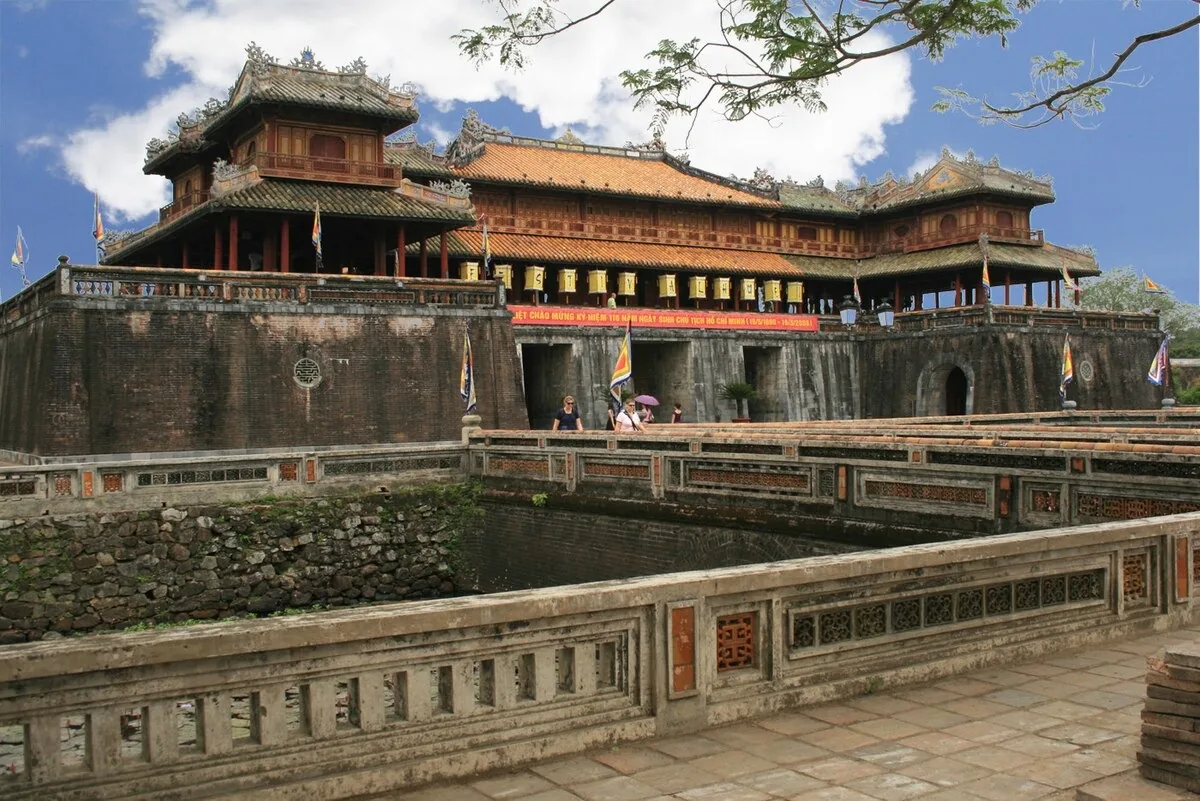
Vietnam’s imperial capital for 143 years, badly damaged in 1968 and steadily restored since. The tombs outside town are better than the citadel inside it, and the food is the best argument for a second night.
Orientation
What Hue is
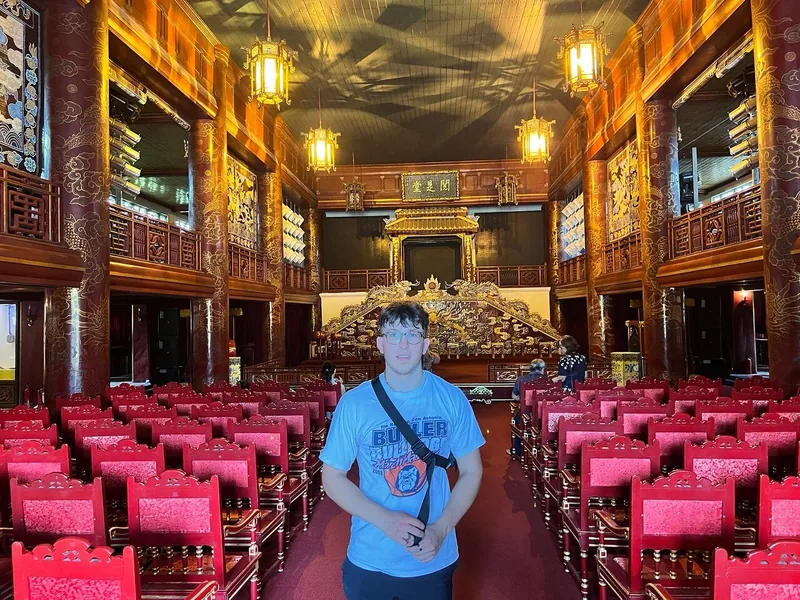
Hue was the seat of the Nguyen dynasty from 1802 until 1945, and the walled citadel on the north bank of the Perfume River was the centre of it. The battle for the city in 1968 destroyed much of it; what stands today is a mixture of survivals and careful reconstruction, and it is worth a morning with somebody who can tell you which is which.
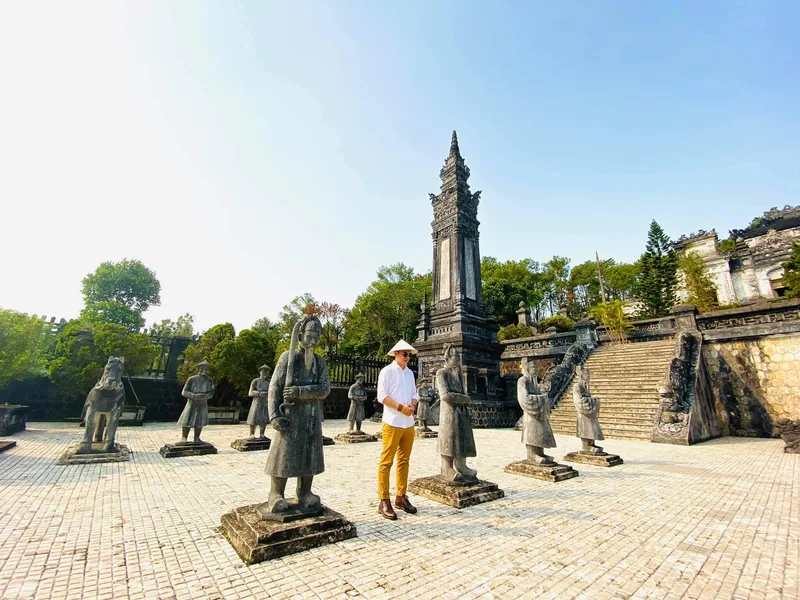
The better half of Hue is outside the walls. The royal tombs are scattered along the river to the south, each one a walled complex built by an emperor for himself, and they are among the most atmospheric places in the country. Two of them, properly, beat four in a rush.
- Nights
- 2
- From Hoi An
- 3 hours by road, or the coast train from Da Nang
- Best months
- February to August
- Wettest
- September to December
- Not to miss
- Two tombs, in one unhurried afternoon
Tombs
The tombs, and which two
There are seven of consequence and nobody should attempt them all. Minh Mang is the most formally beautiful, a long symmetrical progression through gates, courtyards and lakes. Tu Duc is the most human — the emperor built it as a retreat and lived in it, and it is overgrown and melancholy in a way that photographs badly and is wonderful in person. Khai Dinh is the strange one: concrete, ornate, European and Asian at once, built in the 1920s and disliked by purists, which is part of its interest.
Pick two, or three if you are quick, and get to the first at opening time. The afternoon light at Tu Duc is the best of the day and the coach groups have gone by four.

Food
The food, which is the reason for the second night
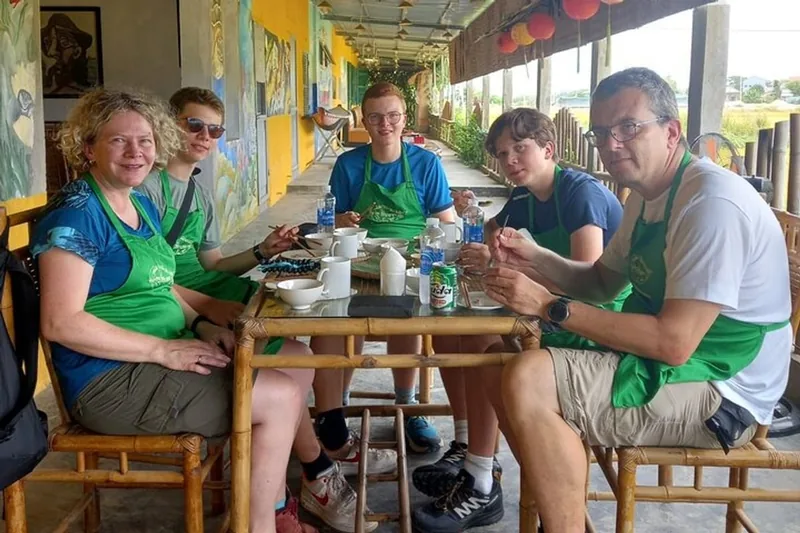
Hue cooks differently from anywhere else in Vietnam: smaller dishes, more of them, more chilli, and a tradition of court cuisine that turned into a street food repertoire. Bun bo Hue is the one that travelled — a beef and pork noodle soup with lemongrass and shrimp paste, heavier and spicier than pho. The rice cakes are the local obsession: banh beo, banh nam, banh loc, served in sets of small dishes and eaten by the dozen.
Eat at the small places on the south bank rather than the hotel restaurants. A food walk here is one of the few genuinely worthwhile guided evenings in Vietnam, because half the good dishes are impossible to order without knowing the name.
Practical
Getting here, and the weather
- From Da Nang: two and a half hours by road over the Hai Van pass, or two and a half hours by train along the coast. The train is the better ride; the pass is the better view. Do one each way.
- From Hoi An: three hours by road including the pass.
- From Hanoi or Saigon: fly to Phu Bai, fifteen minutes from the centre.
- The DMZ is a full day north of here, and a heavy one.
Hue is the wettest city in Vietnam. September to December brings very heavy rain and the occasional typhoon, and the city floods in a bad year. February to August is dry and hot, with May to August genuinely hot — 35 degrees and no sea breeze inside the citadel walls.
Not for everyone
Who should skip it
If historic sites are not your thing, Hue is the stop to shorten — one night and a morning at one tomb is a legitimate compromise on a short trip. If you are travelling between September and December, expect rain and plan indoor mornings. And if you hate heat, do not attempt the citadel between eleven and three in June or July; there is almost no shade in it.
Common questions
Questions travellers ask most
How many nights in Hue?
Two: one for the citadel and the city, one for the tombs and an evening of food. One night is possible and means choosing between them.
Which royal tombs should I visit?
Two of Minh Mang, Tu Duc and Khai Dinh. They are different enough from each other that a third adds little on the same day.
Train or road between Hue and Da Nang?
The train along the coast is the better journey; the Hai Van pass by road is the better view. We usually do one each way.
Is Hue worth it if I have already seen Hoi An?
Yes — they are different things. Hoi An is a preserved town; Hue is an imperial capital with a distinct cuisine. Skipping Hue is skipping the history.
Related
Read next
Central Vietnam
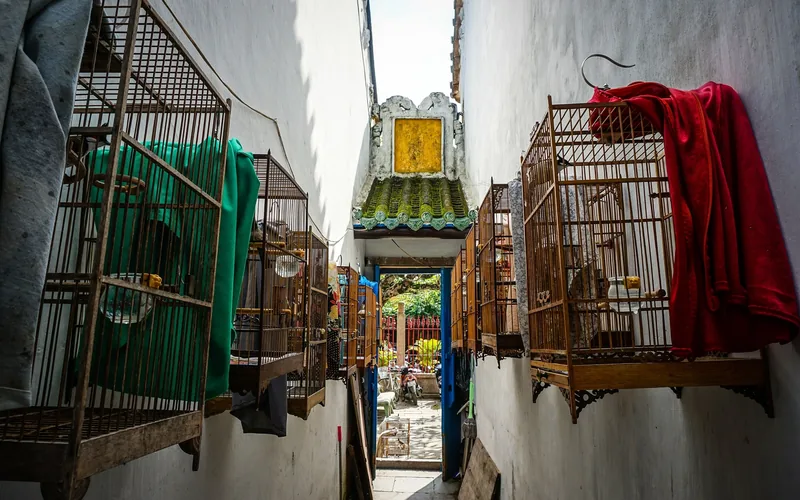
Hoi An
Old town, beach, tailors and the honest timing.
View this journey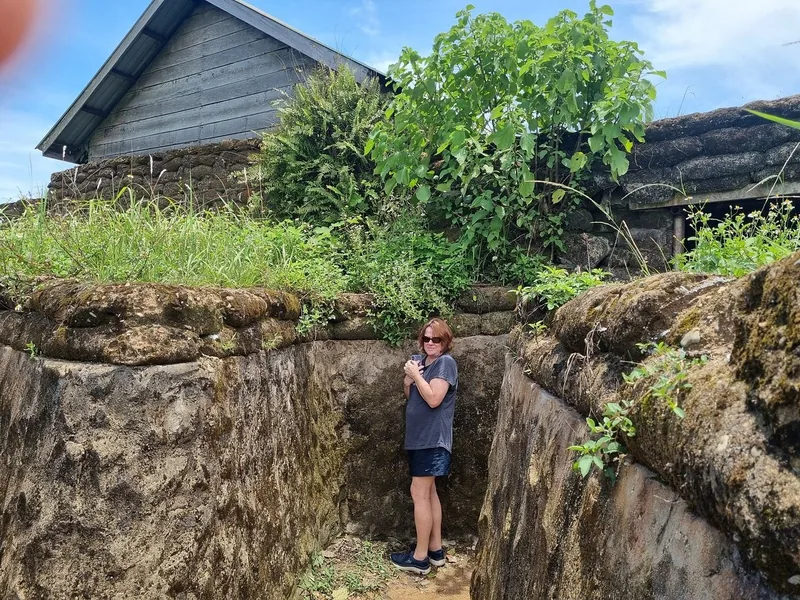
Central Vietnam
The DMZ
Vinh Moc, Khe Sanh and the old dividing line.
View this journey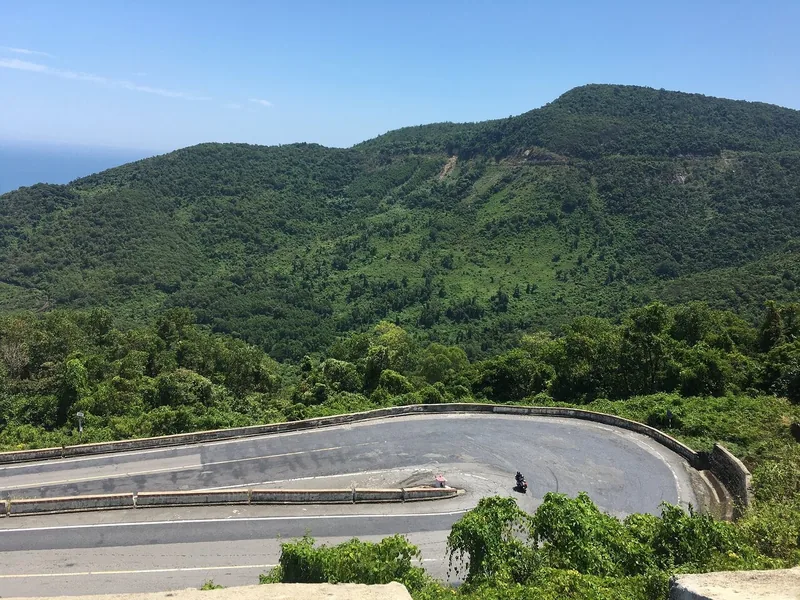
Central Vietnam
Da Nang
The gateway city: beach, mountains and the pass.
View this journey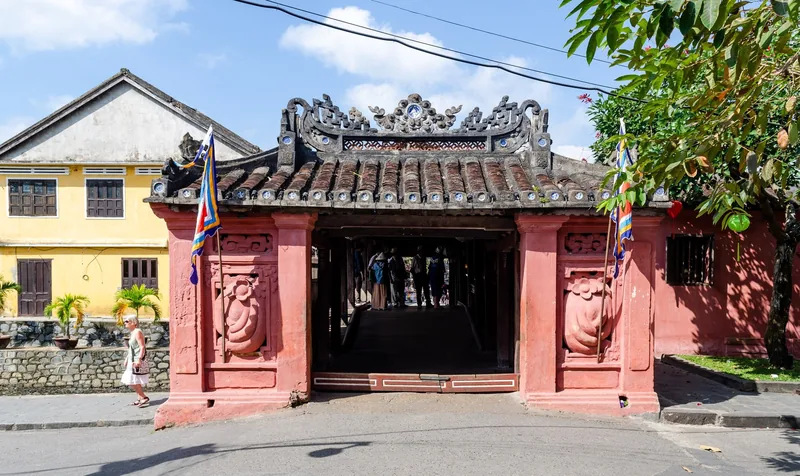
Central Vietnam
Central Vietnam
Hue, Hoi An, Da Nang and Phong Nha.
View this journey
Tours
Tours
Day trips, regional routes and full-length itineraries.
View this journey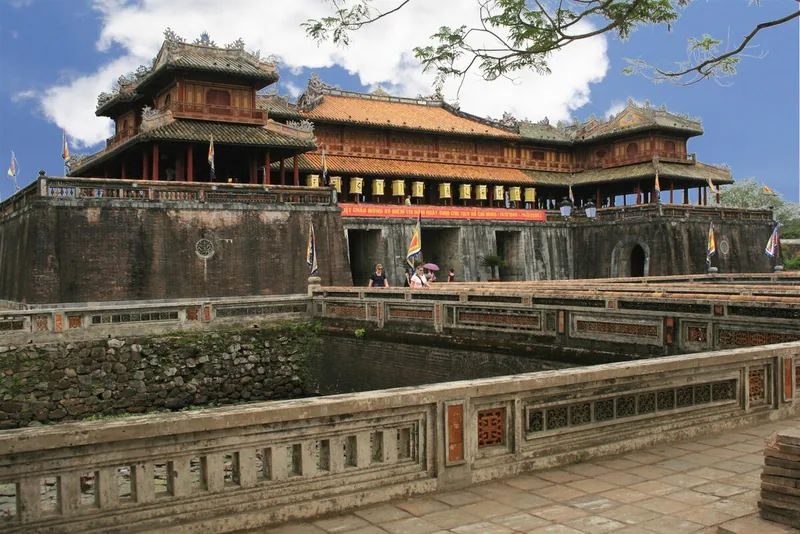
Start planning
Tell us about the trip you have in mind
Dates, party size and the places you care about are enough to start. You get a draft route and an indicative price, not a brochure.
Or talk to us:+84 766 045 399