 Tours out of Ho Chi Minh City and across Vietnam

Vietnam
One country, three different trips
Vietnam runs 1,650 kilometres from the delta to the Chinese border, and the two ends are rarely doing the same thing. Getting a Vietnam trip right is mostly about deciding which of the three parts your dates actually suit.
Regions
The three regions
South, centre and north are not administrative labels here — they are three different climates, three food traditions and three travelling speeds. The south is flat, hot all year and easy to move around. The centre is narrow, walkable and has the best food in the country along with its worst weather window. The north has mountains, four genuine seasons and the longest drives.

12 places · 2-8 days
The south
Saigon, the delta, the southern coast and the two island groups.
Explore The south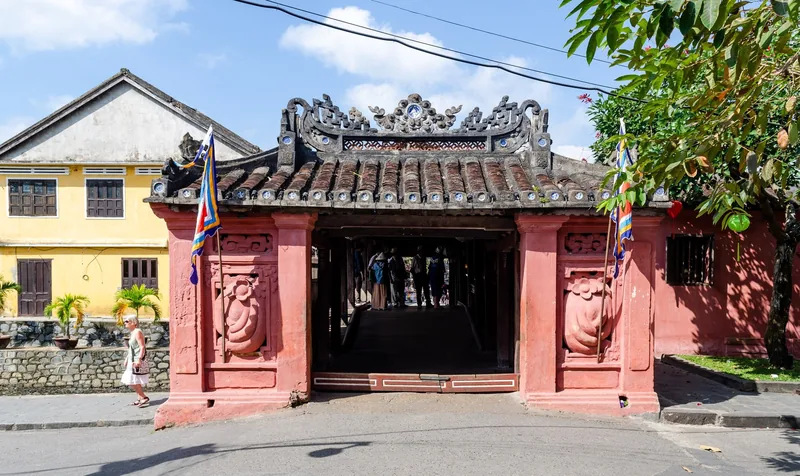
8 places · 3-7 days
The centre
Hue, Hoi An, Da Nang and the caves inland at Phong Nha.
Explore The centre
12 places · 3-9 days
The north
Hanoi, the bays, Sapa and the far northern loops.
Explore The northTime
How long the country needs
Ten nights covers two regions properly or three badly. Fourteen is the honest minimum for all three without the trip becoming a series of transfers. Twenty-one lets you add the far north or Cambodia and still have two places where you stay long enough to stop unpacking.
| Nights | What fits comfortably | What it costs you |
|---|---|---|
| 7 | One region, or Saigon plus the delta plus Hoi An | You will not see the north |
| 10 | Two regions properly, with one internal flight | The far north and Phong Nha |
| 14 | All three regions, four bases, two flights | Depth in any one of them |
| 18-21 | All three plus Ha Giang or Phong Nha | Not much — this is the sweet spot |
| 24+ | Vietnam plus Cambodia or Laos, overland where sensible | Nothing, if the dates are right |
Timing
Weather, honestly
There is no month when all three regions are at their best, and anyone who tells you otherwise is selling. January to March is the best all-round compromise: dry in the south, cool and dry in the centre, cold and often grey in Hanoi. April to June is hot everywhere but is the right window for the northern mountains. July to September brings afternoon rain to the south, hot clear weather and good sea to the centre, and the wettest weeks to the north. October and November are excellent in the south and are the central storm season, when Hoi An floods most years.
● ideal · ◐ workable · ○ poor. Typhoons affect the central coast mainly between September and November; the far north is coldest in January and February.
Transport
Getting between the regions
- Saigon to Da Nang or Hanoi: fly, two hours. Cheap booked early, and it saves a day and a half of road each way.
- Da Nang to Hue: the train along the coast is one of the best two hours in the country. The road over the Hai Van pass is the other.
- Hanoi to the bay: two and a half hours on the expressway. To Sapa: five and a half by road or overnight to Lao Cai by rail.
- Reunification Express end to end: 32 hours and a genuine experience, but as a way of covering distance it eats a route.
Travellers often want to drive Hue to Hanoi to see the country in between. It is 12 to 14 hours on a road that is mostly unremarkable. Fly, and spend the day you saved at Phong Nha instead.
Not for everyone
Who Vietnam does not suit
If you want one beach and a pool for ten days, this is not the best-value country in the region for that and Thailand or the Philippines will serve you better. If you cannot manage three to five hours in a vehicle on some days, the full-length route is not for you — though a single region absolutely is. And if noise bothers you, the cities are loud in a way that photographs do not convey: Hanoi and Saigon are wonderful and they are not restful.
Common questions
Questions travellers ask most
Is Vietnam safe for travellers?
Yes, and unusually so for petty crime outside the two big cities. The genuine risk here is road traffic: crossing the street in Saigon and riding a motorbike in the mountains are the two things that actually hurt visitors.
North to south or south to north?
South to north slightly more often, because the weather usually improves as you go and the bay is a good place to finish. In December and January we usually run it the other way.
How much does a day cost on the ground?
Outside hotels, a comfortable day of food, coffee, entrance fees and taxis runs about USD 25 to 40 per person. You can do it on half that easily and it is hard to spend much more without trying.
Do people speak English?
In the tourist economy, yes. In the delta backroads and the northern mountains, rarely, which is the main practical argument for a guide in those two places specifically.
Related
Read next
Southern Vietnam
Southern Vietnam
Saigon, the delta, the southern coast and the islands.
View this journeyCentral Vietnam
Central Vietnam
Hue, Hoi An, Da Nang and Phong Nha.
View this journeyNorthern Vietnam
Northern Vietnam
Hanoi, the bays, and the northern mountains.
View this journey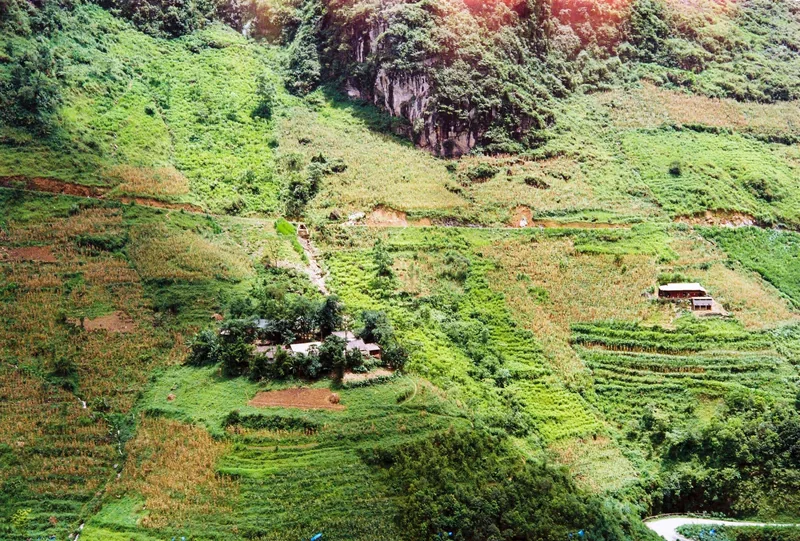
Tours
Tours
Day trips, regional routes and full-length itineraries.
View this journey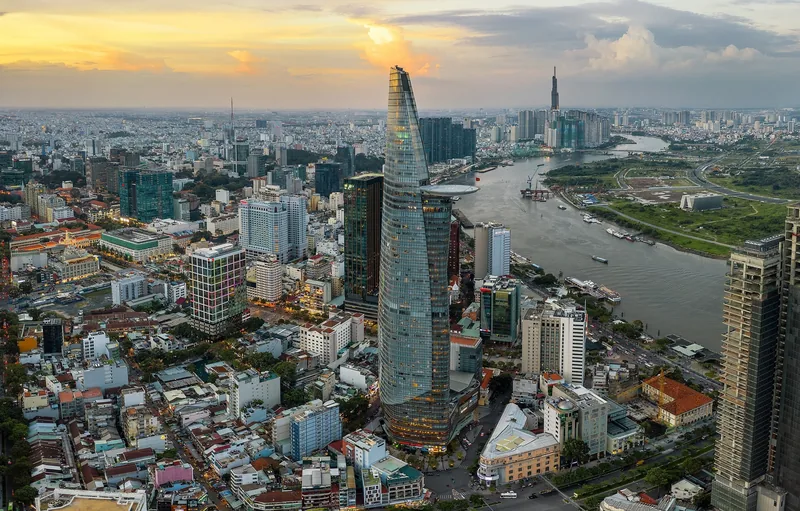
Travel guide
Travel guide
Practical guides to visas, weather, money and transport.
View this journey
Start planning
Tell us about the trip you have in mind
Dates, party size and the places you care about are enough to start. You get a draft route and an indicative price, not a brochure.
Or talk to us:+84 766 045 399