 Tours out of Ho Chi Minh City and across Vietnam
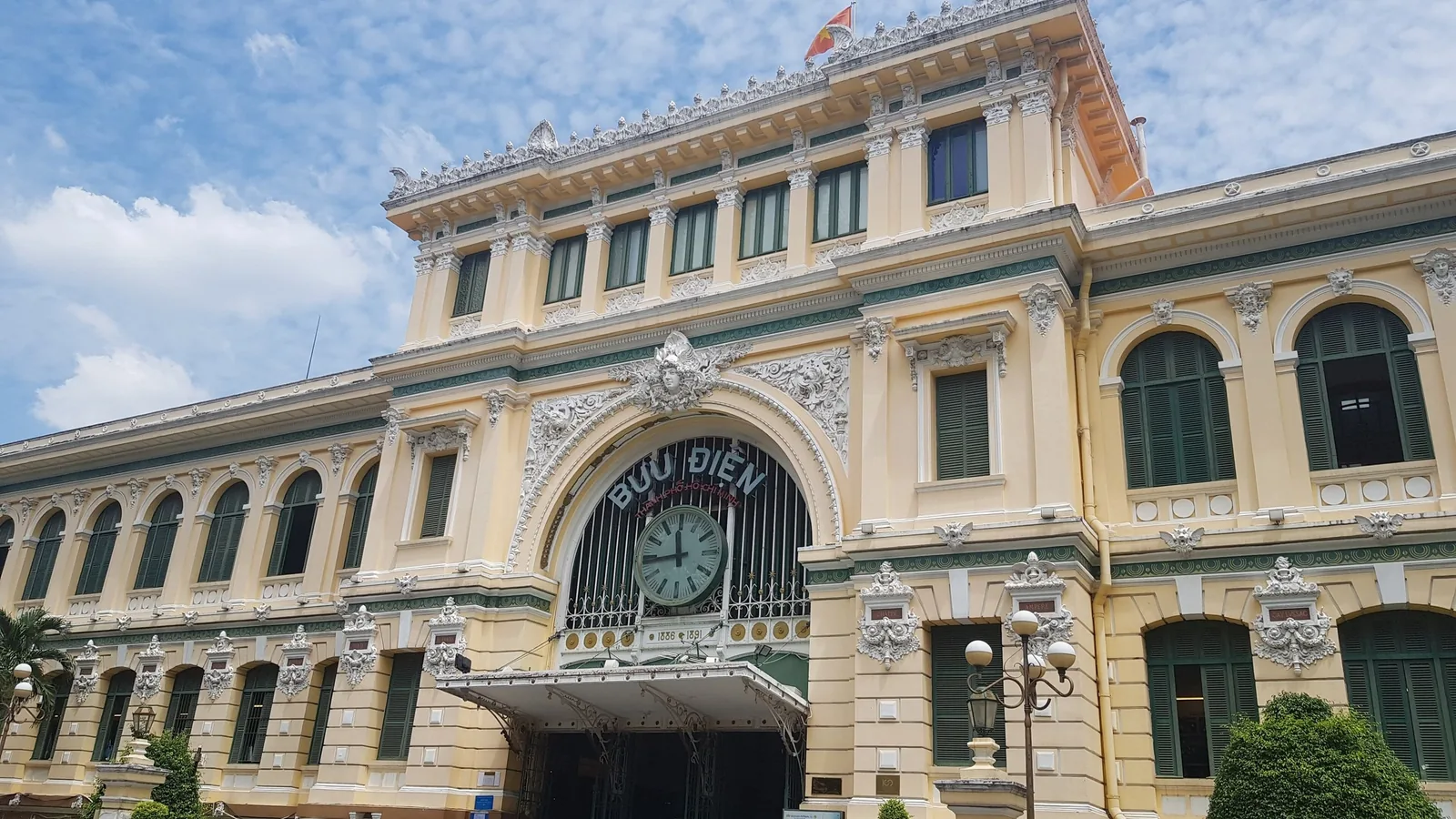
Southern Vietnam
Saigon, from people who work here
Nine million people, four million motorbikes and the best food in Vietnam if you know where to stand. Two nights is the minimum; the city rewards a third.
Orientation
What the city is
Saigon — almost nobody here calls it anything else in conversation — is the commercial capital and it behaves like one. It is louder, later and richer than Hanoi, the food is more eclectic because the south has absorbed Chinese, Khmer and French cooking in layers, and the city has very little of the preserved old architecture that visitors expect from Southeast Asia. What it has instead is street life at an intensity that takes a day to get used to and is the actual reason to come.
Two nights covers the centre properly: a morning on foot in District 1 and District 3, an afternoon at one of the war museums, an evening eating somewhere you would not have found alone. A third night buys you either a day out to Cu Chi or the delta, or the parts of the city most visitors never reach — the Chinese quarter at Cho Lon, the canal-side of District 4, the art scene in District 2.
- Nights
- 2 to 3
- Airport
- Tan Son Nhat, 20-40 min to District 1
- Best months
- December to March
- Daily cost on the ground
- USD 25-40 per person
- Where to stay
- District 1 or District 3
Where to stay
Where to stay, district by district
| District | Who it suits | Trade-off |
|---|---|---|
| District 1 (Dong Khoi) | First visit, short stay, walking everywhere | Most expensive, least local |
| District 1 (Pham Ngu Lao) | Budget travellers, late nights | Noise until 3am — genuinely |
| District 3 | Second visit, quieter evenings, better value | 10-15 minutes from the main sights |
| Binh Thanh / Thao Dien | Families, longer stays, pools | A taxi ride from everything |
| District 5 (Cho Lon) | Food-led trips, returning visitors | Far from the museums |
If it is your first visit and you have two nights, stay in District 1 away from Pham Ngu Lao and walk. If you are here for a week, District 3 gives you more room, better coffee and a quieter night for less money.
What to do
What is worth your time
- The War Remnants Museum — confronting, one-sided in its framing, and the single most important thing to see here. Two hours, morning, before the coach groups.
- The Independence Palace — a 1960s time capsule, worth an hour, best with a guide who can explain the bunker.
- Cho Lon and Binh Tay market — the Chinese quarter, a different city, and where we take people on a second visit.
- A coffee morning — Vietnamese coffee culture is at its most developed here, from pavement stools to third-wave roasters, and it is a genuine local obsession rather than a tourist activity.
- Street food after dark — District 4 for seafood, District 3 for noodles, Cho Lon for Chinese-Vietnamese. This is the thing to spend an evening on.

Advice
The two things visitors get wrong
Practical
Getting here and getting around
Tan Son Nhat airport sits seven kilometres from the centre, which is twenty minutes at ten at night and forty in the evening rush. Use the metered taxis from the official rank or a ride-hailing app; both are cheap and neither will argue.
In the city, ride-hailing cars and motorbike taxis cost a fraction of a Western taxi and remove every negotiation. The first metro line runs from the centre north-east and is useful if your hotel is on it. Crossing the road on foot is the one genuine skill to learn: step off steadily, keep a constant pace, do not stop, and the traffic goes around you. Never run back.
Between eleven and three the city is 33 to 35 degrees with high humidity. Build your day around that rather than fighting it — museums and markets at midday, walking in the early morning and after six.
Timing
When to come
December to March is dry, and the pleasant end of it is December and January. April and May are the hottest weeks of the year. From May to November it rains, almost always as a heavy afternoon downpour for an hour rather than a grey wet day — you plan around it rather than avoid it. The city does not have a bad season, only a hot one.
Tet, the lunar new year, falls in late January or February and closes most family restaurants for about a week. The city empties and becomes beautiful and quiet, and half of what you came to eat is shut.
Not for everyone
Who should skip it
If noise and crowds genuinely exhaust you, two nights here will not convert you, and there is no quiet version of central Saigon. Fly into Da Nang instead and start your trip in the middle of the country. And if you have only ten days for Vietnam, the case for cutting this city short in favour of Hoi An or the north is a reasonable one — we will say so rather than defend our own doorstep.
Common questions
Questions travellers ask most
How many days do I need in Ho Chi Minh City?
Two nights for the city itself. Three if you want Cu Chi or a delta day without cutting into your city time.
Is Ho Chi Minh City safe?
Yes, with one real caveat: bag-snatching from passing motorbikes happens in District 1. Carry your bag on the shoulder away from the road and do not use your phone standing at the kerb. Violent crime against visitors is rare.
District 1 or District 3?
District 1 for a first, short visit — you can walk to most things. District 3 for a longer stay: quieter, better value and better coffee, ten minutes from the centre.
Can I drink the water?
No — bottled or filtered only, and that is what every local does too. Ice in established places is made from filtered water and is fine; the stomach trouble visitors get here is almost always from a dish that sat out, not from ice.
Related
Read next
Southern Vietnam
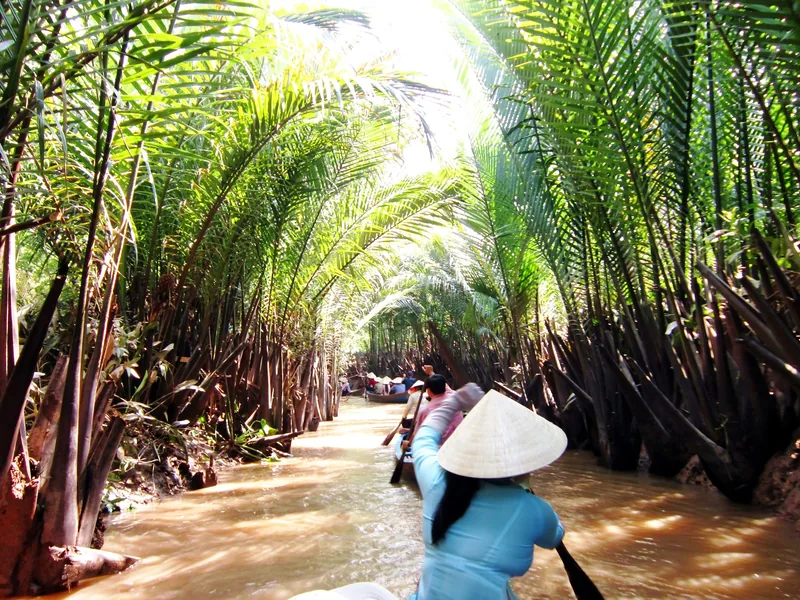
Mekong Delta
Canals, floating markets and orchards — done properly.
View this journey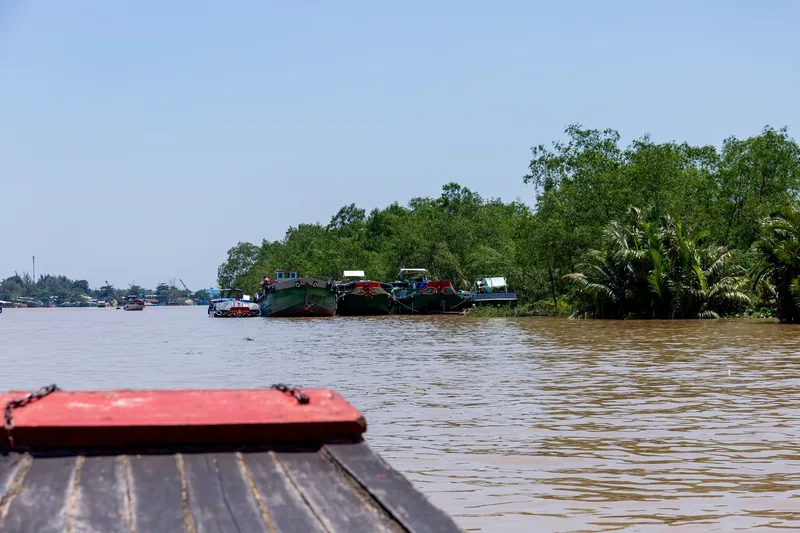
Southern Vietnam
Southern Vietnam
Saigon, the delta, the southern coast and the islands.
View this journey
Tours
Tours
Day trips, regional routes and full-length itineraries.
View this journey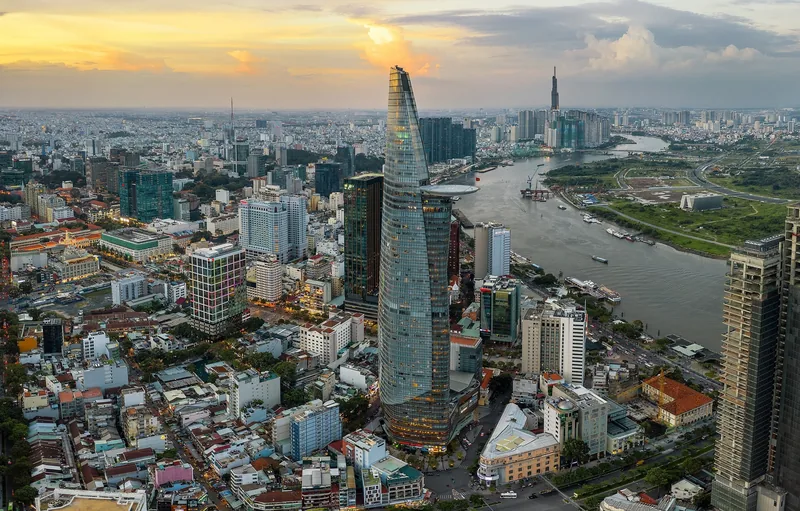
Travel guide
Travel guide
Practical guides to visas, weather, money and transport.
View this journey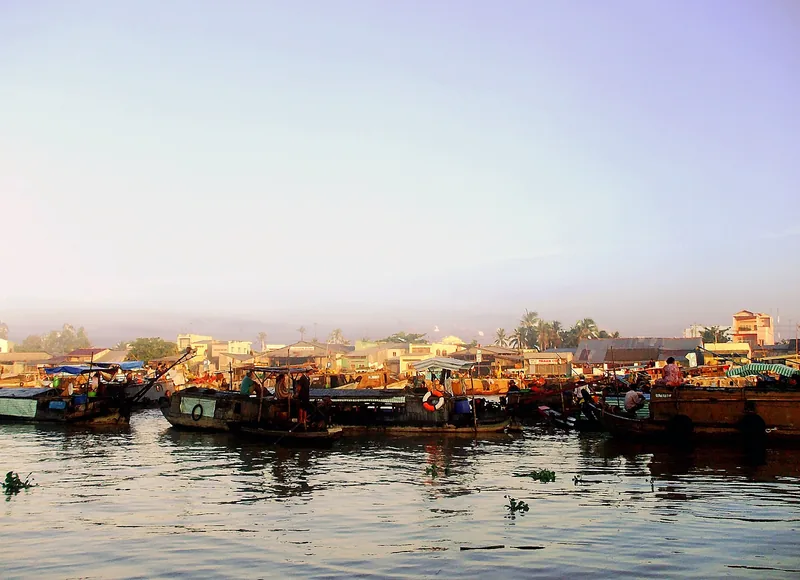
Mekong Delta
Can Tho
The delta base: Cai Rang, canals and a real night market.
View this journey
Start planning
Tell us about the trip you have in mind
Dates, party size and the places you care about are enough to start. You get a draft route and an indicative price, not a brochure.
Or talk to us:+84 766 045 399