 Tours out of Ho Chi Minh City and across Vietnam
Laos
Coffee, waterfalls and a temple older than Angkor Wat
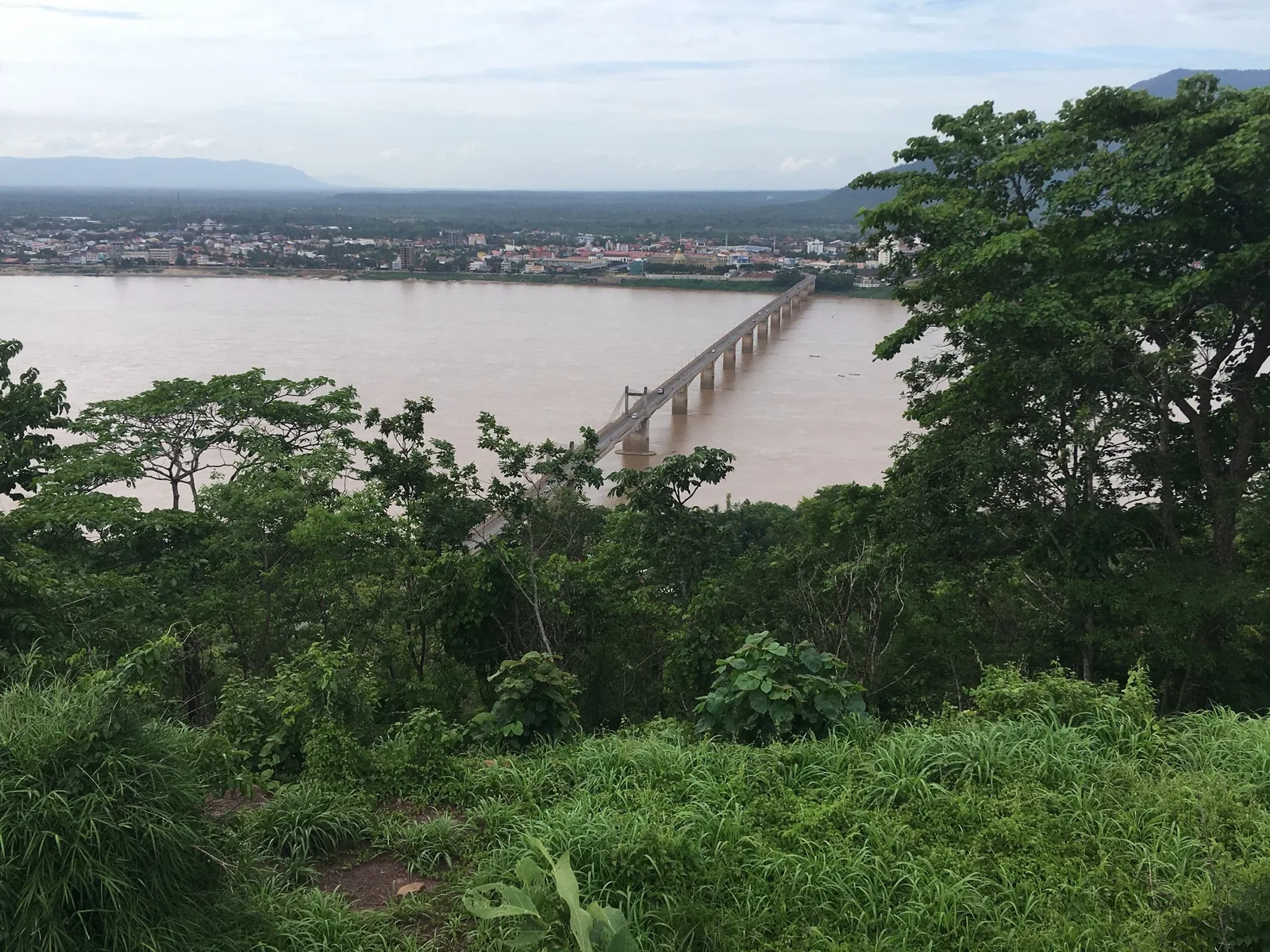
Pakse is a working river town and a practical base. The reasons to come are within an hour of it: the hillside temple of Wat Phou, and a cool plateau of coffee farms and waterfalls.
Orientation
What the area is
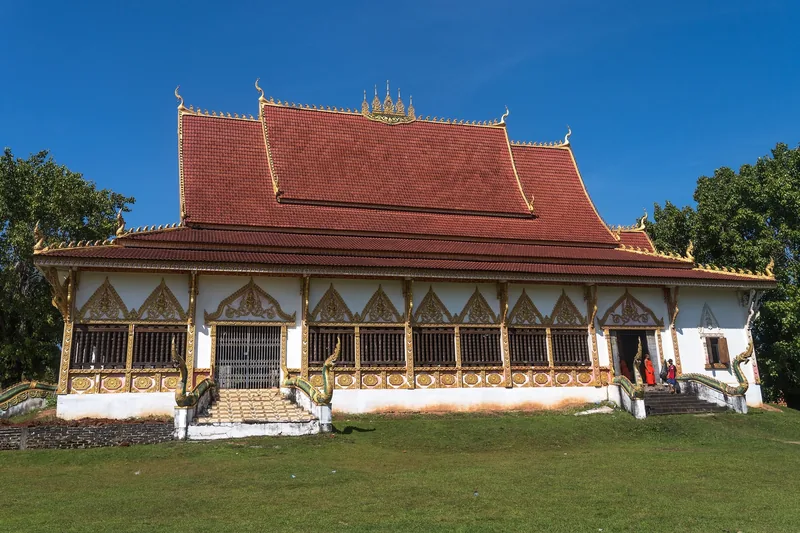
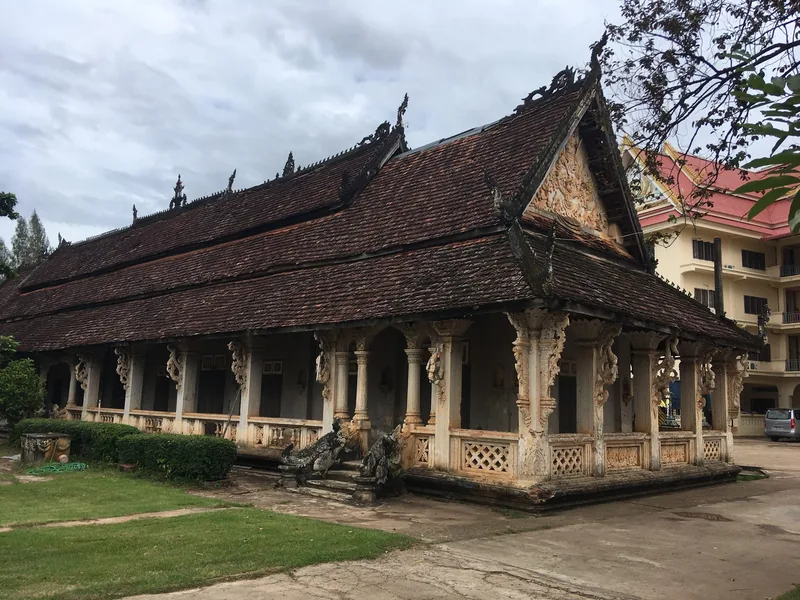
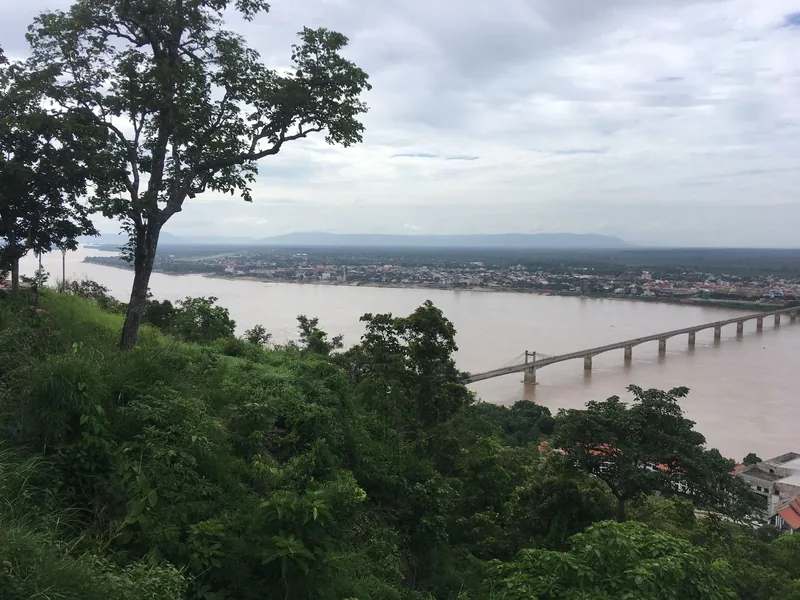
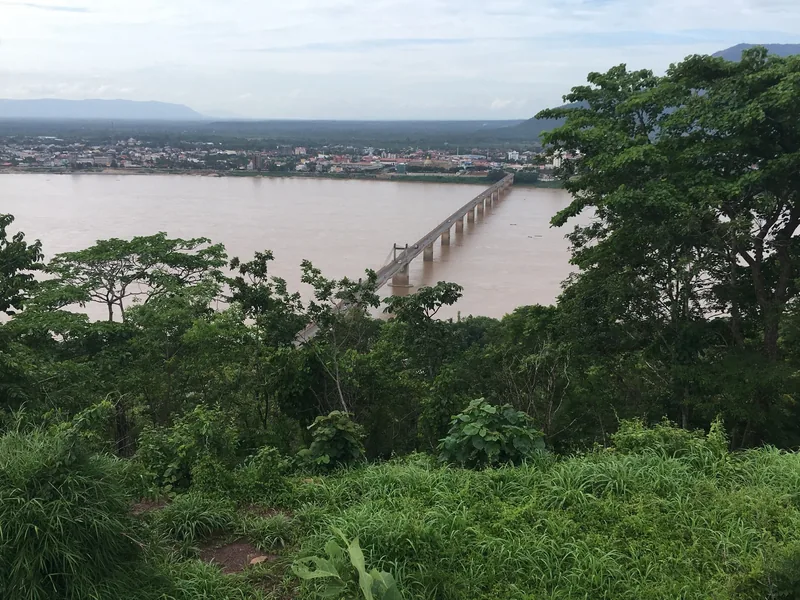
Pakse sits where the Xe Don river meets the Mekong, and it is the largest town in southern Laos. It has a market, some pleasant riverside restaurants and a handful of French-era buildings, but it is a base rather than a sight. We use it for two nights: one day for Champasak and Wat Phou, and one for the Bolaven plateau.
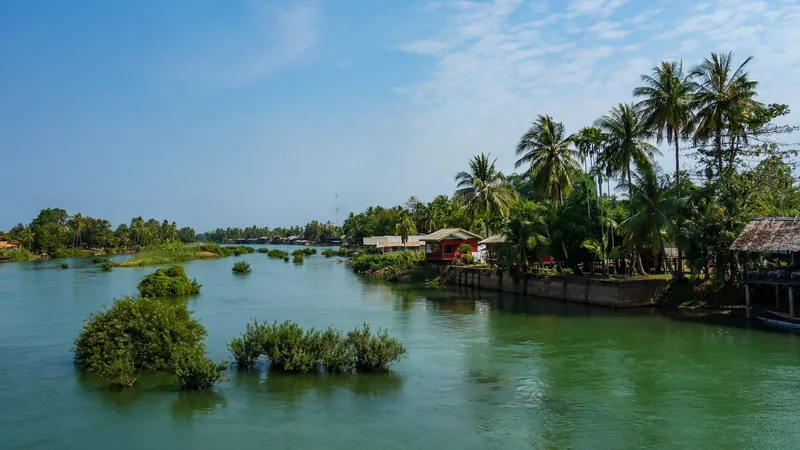
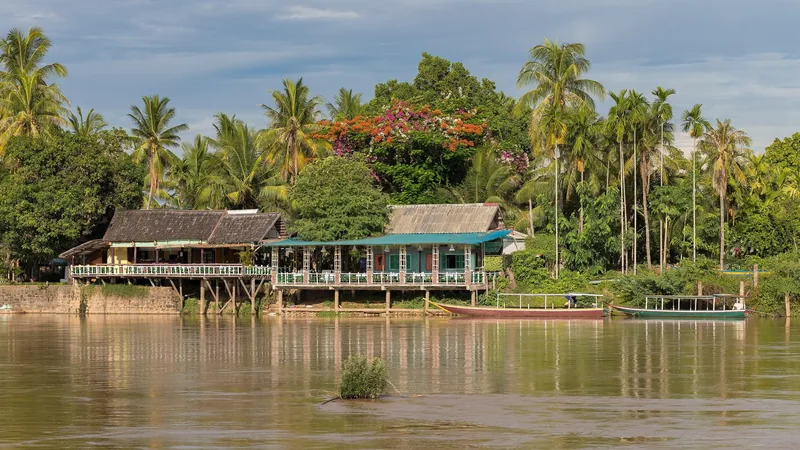
South of Pakse the Mekong widens, and the old riverside town of Champasak sits close to the ruined temple complex of Wat Phou. To the east the land rises to the Bolaven plateau, around a thousand metres up, cooler and greener, planted with coffee and cut by rivers that drop off its edge in a line of waterfalls.
- Nights
- 2
- To Wat Phou
- About 1 hour
- To the Bolaven
- About 1 hour to Paksong
- To the 4,000 Islands
- 2.5-3 hours
- Best months
- November to February
Champasak
Wat Phou
Wat Phou is a Khmer temple complex on the slope of a mountain above the Mekong, and a UNESCO World Heritage site. Its origins pre-date Angkor, and much of what stands today dates from the eleventh and twelfth centuries. The layout climbs from ceremonial reservoirs up a long processional way and a series of steep stone stairs to a sanctuary on a terrace below the cliff, where a spring still runs.
It is smaller and far quieter than Angkor, and the setting — the mountain behind, the plain and the Mekong below — makes it one of the most beautiful ruins in the region. Go early, before the heat on the stairs, and allow about two hours. A festival at the full moon in February brings large crowds of pilgrims.
What to do
What is worth your time on the plateau
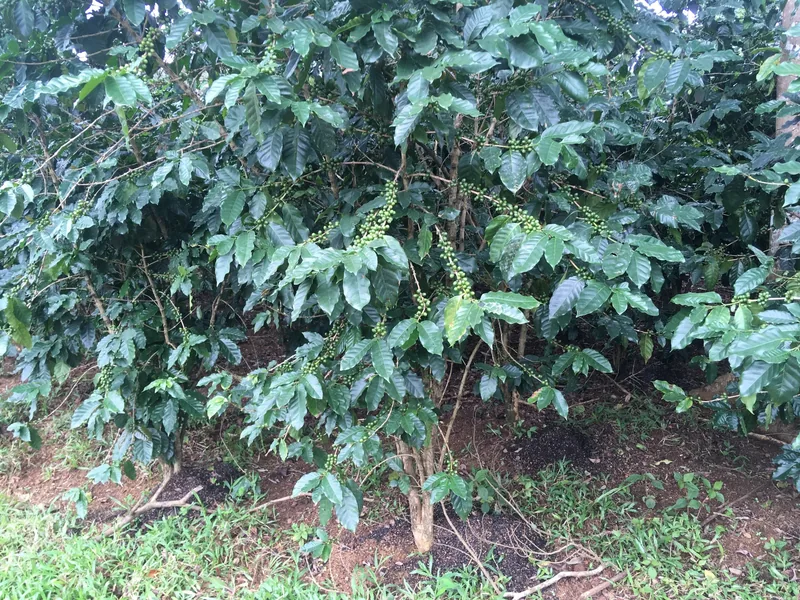
- A coffee farm visit around Paksong — the plateau grows both arabica and robusta, and a small farm will walk you through the process from cherry to cup.
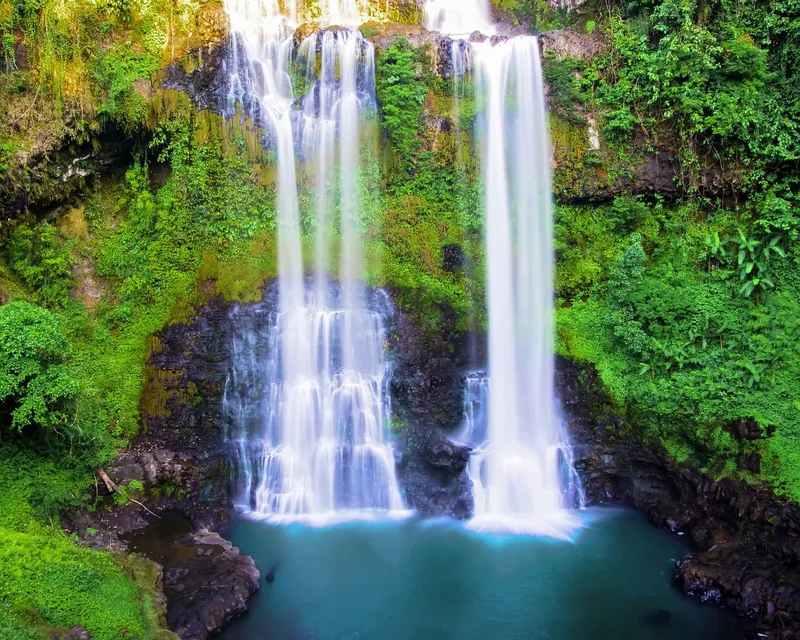
- Tad Fane — twin waterfalls dropping into a deep forested gorge, seen from a viewpoint across the ravine.
- Tad Yuang, a broader fall with a pool at the bottom, and Tad Champee, where you can swim.
- Tad Lo, a lower cascade by a village on the northern side of the plateau, a pleasant place to stay a night if you want more time up here.
- The villages of the plateau’s minority peoples, visited with a local guide rather than on a drive-by.
Advice
The things visitors get wrong
Practical
Getting here and moving on
Pakse airport has domestic flights from Vientiane and a small number of regional routes, which change from season to season; we confirm them at booking. The road from Vientiane is long — most of a day — and flying is the usual choice. From Vietnam, the south of Laos is reached either by air or overland via the central Vietnamese border crossings, which is a long road day. Check which visa works at your entry point: the Lao e-visa is not accepted at every land border, and the rules change.
South, the 4,000 Islands are two and a half to three hours by road and boat, and the Cambodian border beyond them leads on towards Stung Treng and Kratie.
Timing
When to come
November to February is dry and clear, and the best time for Wat Phou and for walking. March to May is very hot in the lowlands, though the plateau stays milder. The rains from June to October make the waterfalls powerful and the plateau very green, but the paths get muddy and the roads slower. The coffee harvest runs roughly from November to February.
Not for everyone
Who should skip it
If you have only a few days in Laos, go north to Luang Prabang instead. Southern Laos rewards travellers with time who like quiet rural areas, ruins without crowds and waterfalls. It is not for people who need polished hotels everywhere; standards in the south are simpler, though comfortable options exist in Pakse and Champasak.
Common questions
Questions travellers ask most
Is Wat Phou worth visiting if I have seen Angkor?
Yes. It is smaller and quieter, and its hillside setting is unlike anything at Angkor. Allow two hours in the early morning.
How many nights in Pakse?
Two: one day for Wat Phou and Champasak, one for the Bolaven plateau. Add a night on the plateau if you want to walk more.
Can I stay in Champasak instead?
Yes, and it is quieter and closer to Wat Phou. The choice of places to stay is smaller than in Pakse.
How do I get to the 4,000 Islands from Pakse?
By road to the riverbank and a short boat ride, about two and a half to three hours in all.
Related
Read next
Start planning
Tell us about the trip you have in mind
Dates, party size and the places you care about are enough to start. You get a draft route and an indicative price, not a brochure.
Or talk to us:+84 766 045 399