 Tours out of Ho Chi Minh City and across Vietnam
Northern Vietnam
The town is the problem; the valleys are not
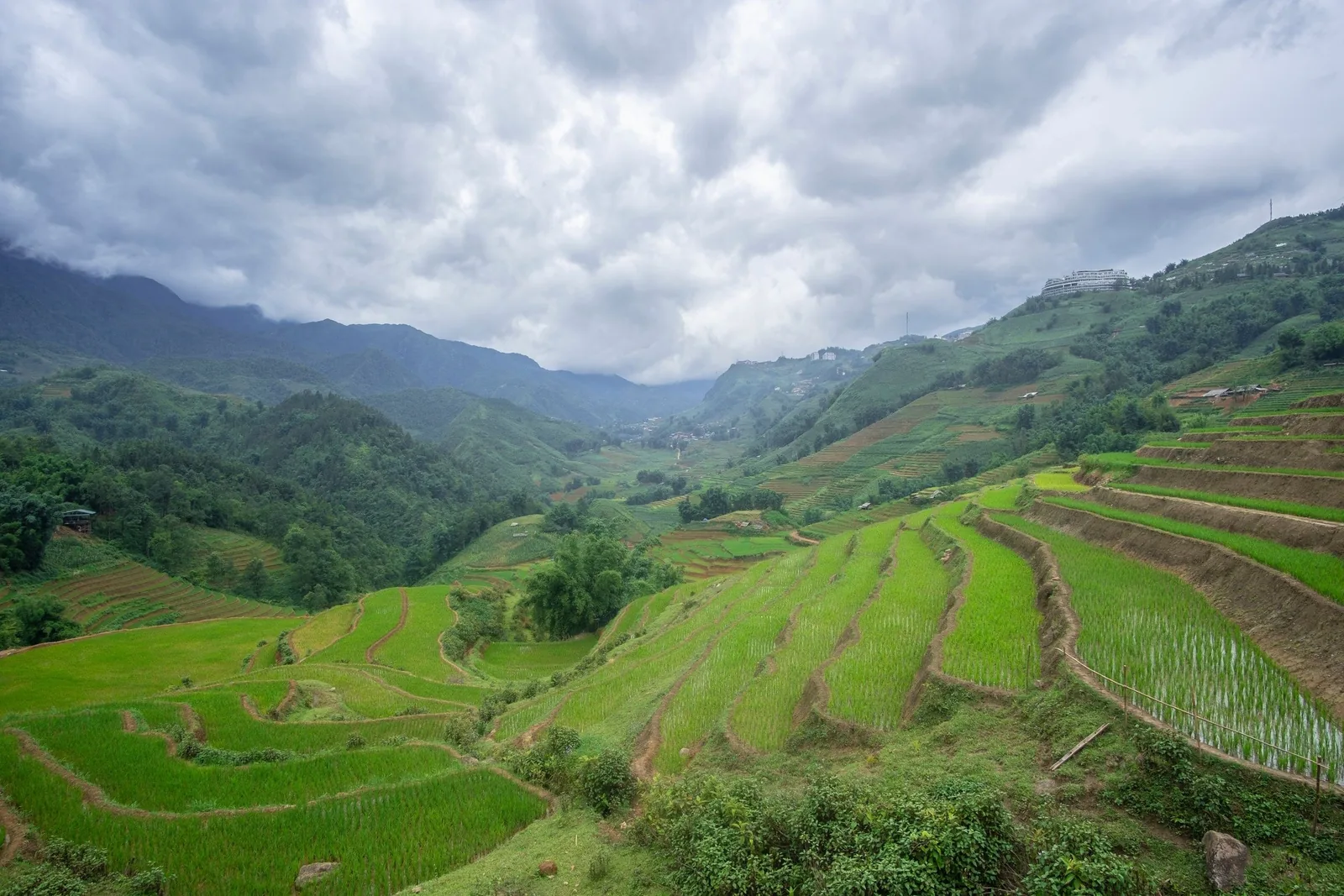
The terraces around Sapa are among the best landscapes in Vietnam. The town at the centre of them has been built over hard in the last decade, which decides everything about how you should plan a visit.
Orientation
The honest state of Sapa
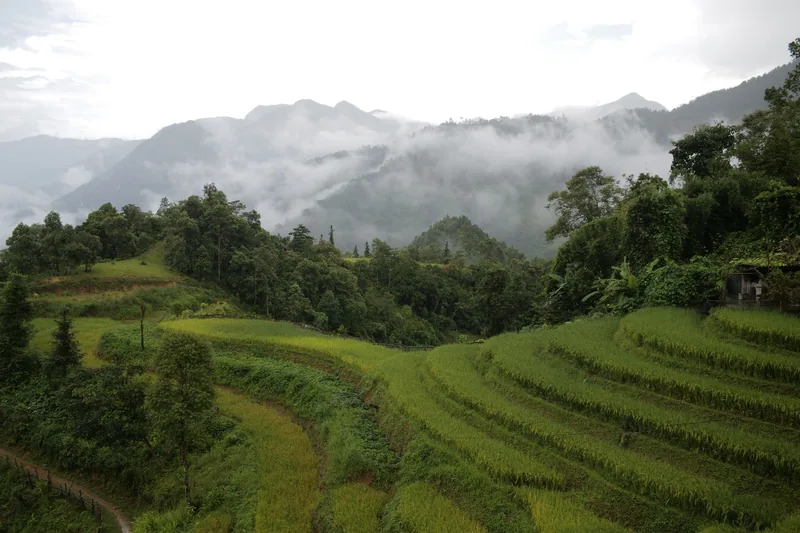
Sapa town has changed beyond recognition since about 2015: concrete hotels, a cable car, coach parks and building sites. Most people who come back after a decade are dismayed by it, and they are not wrong. What has not changed is the Muong Hoa valley below the town — terraces on every slope, villages of Hmong and Dao families, footpaths connecting them, and mist that moves through the whole thing in the mornings.
So the advice is simple and it is the opposite of what most bookings do: do not stay in Sapa town. Stay in the valley at Ta Van or Lao Chai, walk from your door, and go into town only if you want a restaurant.
- Nights
- 2 to 3
- From Hanoi
- 5.5h road, or overnight train to Lao Cai
- Best months
- March to May, September to November
- Gold terraces
- Mid-September to early October
- Where to stay
- Ta Van, Lao Chai or Muong Hoa valley
Trekking
Walking, and how hard it actually is
| Walk | Hours | Difficulty |
|---|---|---|
| Ta Van to Lao Chai, valley floor | 2-3 | Easy, some mud |
| Ta Phin loop | 4-5 | Moderate, steep sections |
| Muong Hoa valley full day | 5-6 | Moderate, long |
| Fansipan on foot | 2 days | Hard, guide required |
| Fansipan by cable car | 30 min | None, and it is a theme park at the top |
The paths are earth, and in the wet months they are slick clay that will put you on the ground at least once. Boots with grip matter more than fitness here. A local guide from one of the valley villages costs little, is often the difference between a walk and an afternoon of getting lost, and puts the money where it should go.
Timing
The months, which matter more here than anywhere
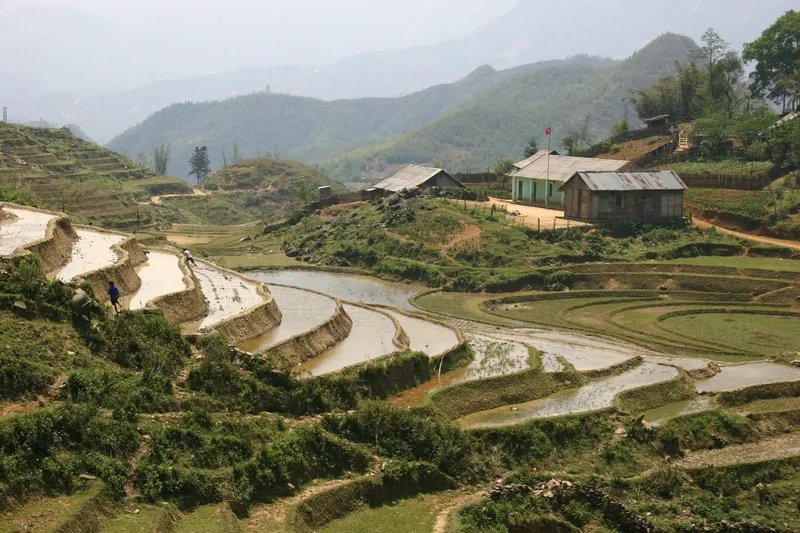
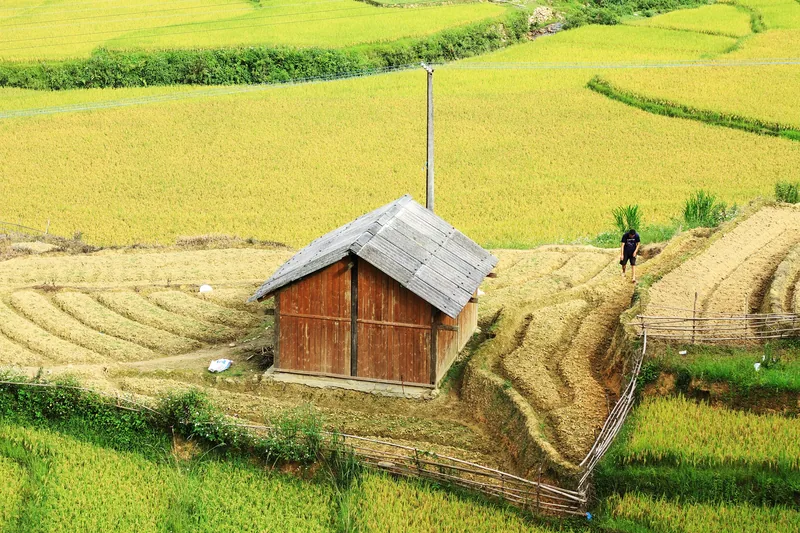
Mid-September to early October is when the terraces turn gold before harvest, and it is the most photographed fortnight in northern Vietnam. May and June, when the terraces are flooded and reflect the sky, are the other great window. March and April are green and often misty. December to February is cold — occasionally below freezing, with frost and once every few years a fall of snow that closes the roads.
July and August are the wet months, when the terraces are at their greenest, landslides close roads for hours at a time, and the mist can sit in the valley for days so that you see nothing at all. That last point is the one to weigh: this is a landscape destination, and a fortnight of cloud means you have come a long way for a wall of white.
● ideal · ◐ workable · ○ poor. Gold terraces mid-September to early October; flooded terraces May and June.
Practical
Getting there, and the selling
The road from Hanoi takes about five and a half hours on the expressway. The overnight train to Lao Cai plus an hour up the hill is the older way and is still pleasant if you like trains. Neither is short, which is why two nights is the minimum that justifies the journey.
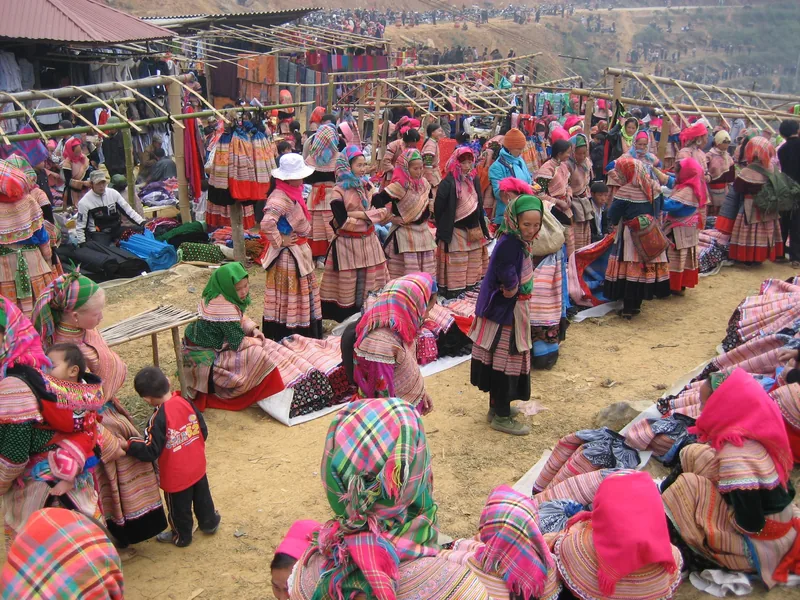
Women from the villages walk with visitors and sell textiles at the end. It can be persistent and it is how many families earn. Buying one thing early and saying so clearly usually settles it for the day; being vague invites a long afternoon.
Not for everyone
Who should skip it
If your dates fall in July or August and the scenery is the point, consider Pu Luong or Mai Chau instead — lower, closer to Hanoi and less likely to be in cloud. If you cannot walk on uneven ground for two hours, the valley is hard to see properly. And if you have three nights in the far north to spend, Ha Giang is the better landscape.
Common questions
Questions travellers ask most
Is Sapa ruined?
The town is overbuilt. The Muong Hoa valley below it is not. Stay in the valley and the trip is entirely different.
When do the rice terraces turn gold?
Mid-September to early October, varying with the year. Flooded, reflective terraces are May and June.
Do I need a guide to trek?
Not legally on the main valley paths, but a local guide is cheap, prevents wrong turns, and is the most direct way for your money to reach the villages you are walking through.
Is the Fansipan cable car worth it?
For the ride and the view on a clear day, yes. The summit complex is a crowded tourist development, and on a cloudy day you pay to stand in a cloud.
Related
Read next
Northern Vietnam
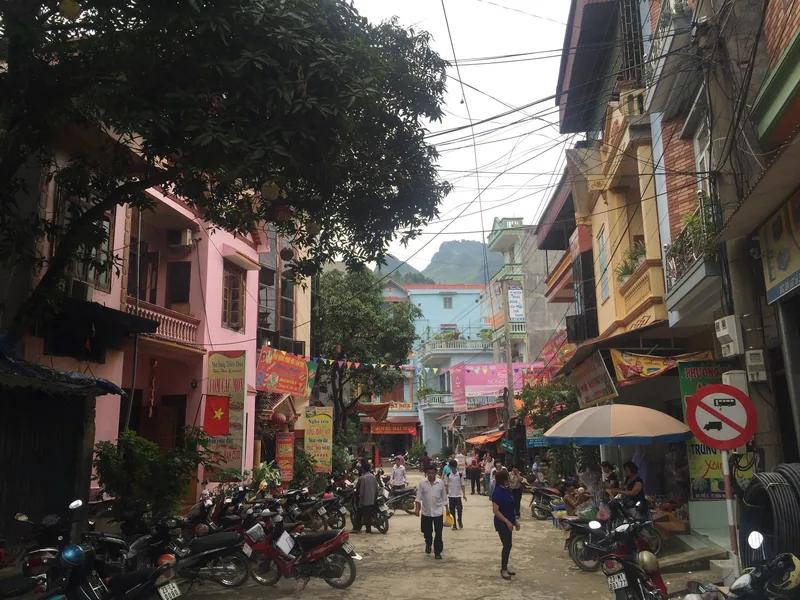
Ha Giang
The loop: routes, timing, and car versus motorbike.
View this journey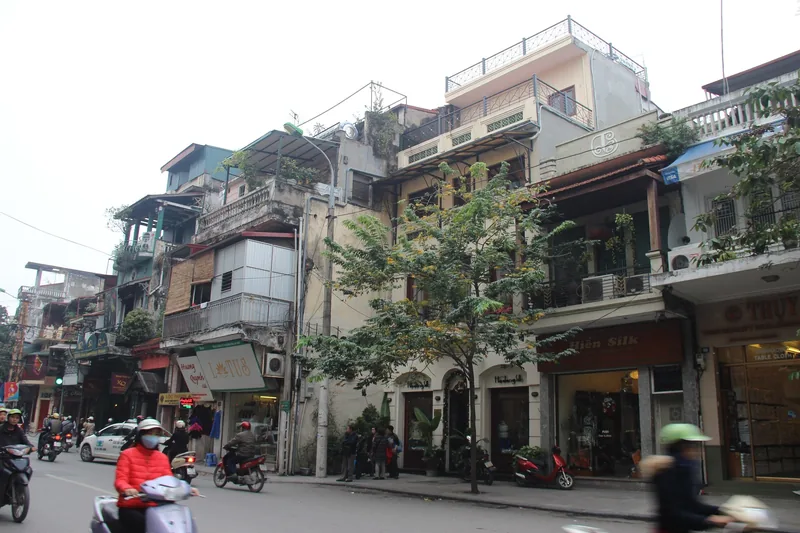
Northern Vietnam
Hanoi
The capital: Old Quarter, food, and the northern base.
View this journey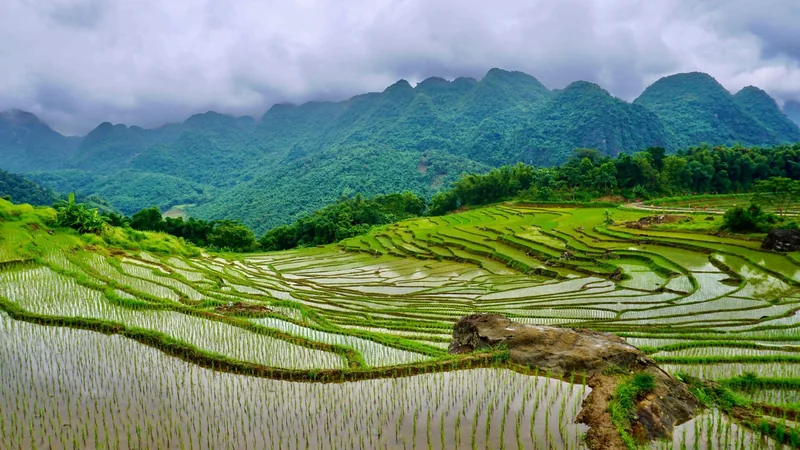
Northern Vietnam
Pu Luong
Terraces, water wheels and easy walking near Hanoi.
View this journey
Northern Vietnam
Northern Vietnam
Hanoi, the bays, and the northern mountains.
View this journey
Tours
Tours
Day trips, regional routes and full-length itineraries.
View this journey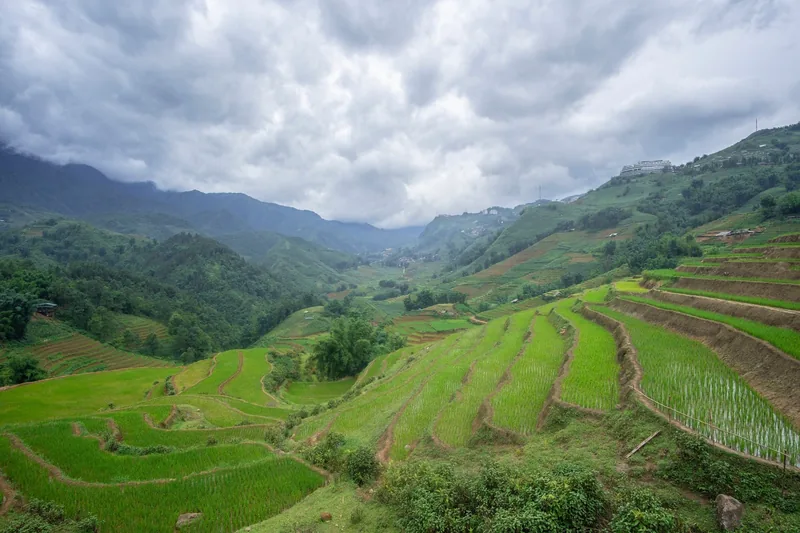
Start planning
Tell us about the trip you have in mind
Dates, party size and the places you care about are enough to start. You get a draft route and an indicative price, not a brochure.
Or talk to us:+84 766 045 399