 Tours out of Ho Chi Minh City and across Vietnam
Day trip from Saigon
The Chinese city inside Saigon
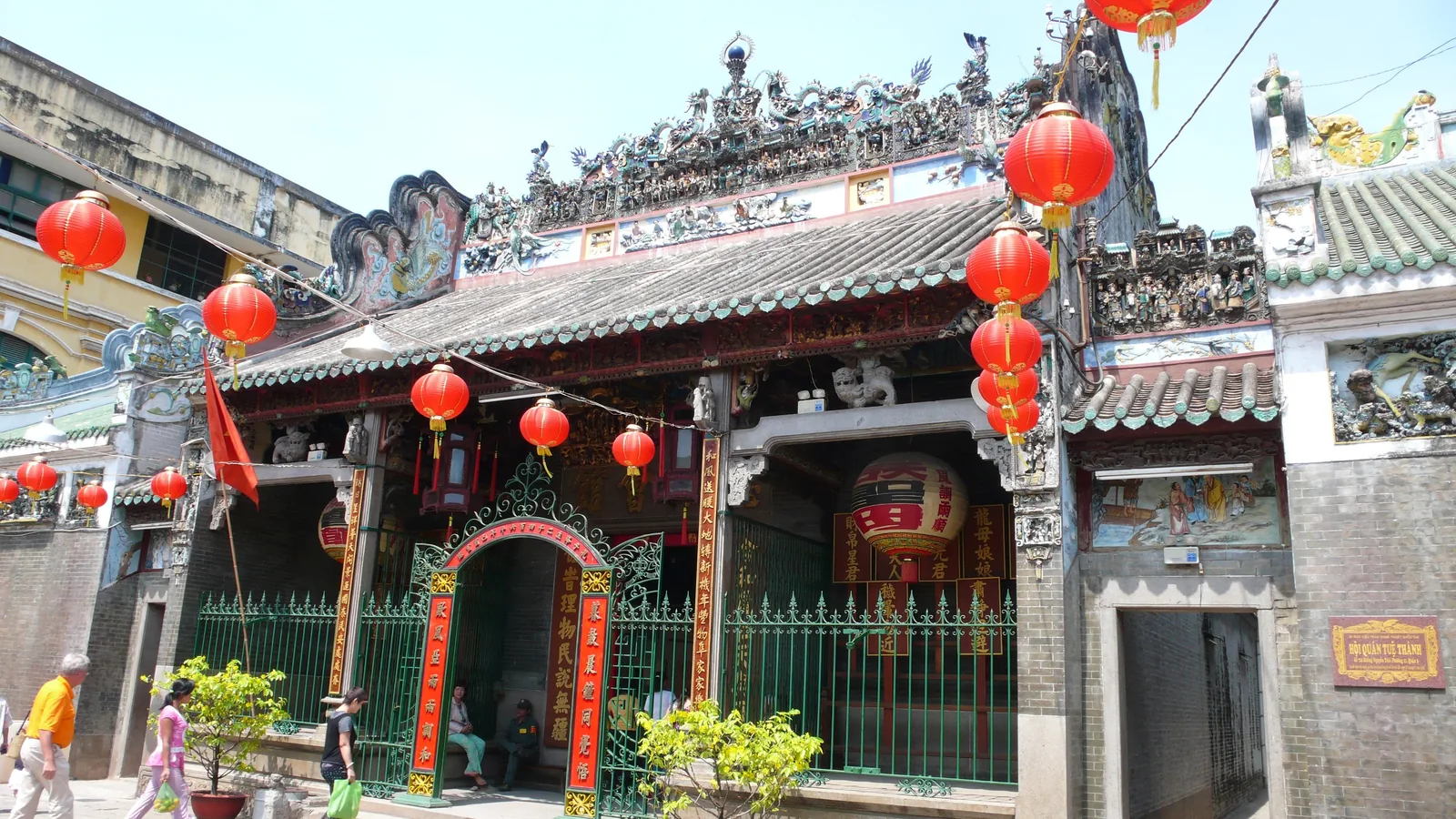
Cho Lon was a separate town until the 1930s and still feels like one: wholesale markets, temple courtyards thick with incense, and streets of traders who have been in the same trade for generations.
Overview
A different city, twenty minutes away
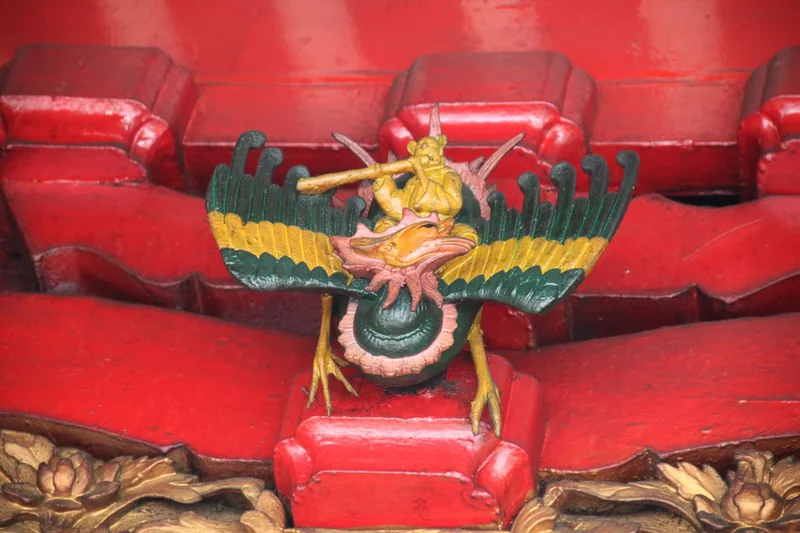
The Chinese communities of the south — Cantonese, Fujianese, Teochew, Hakka, Hainanese — built Cho Lon as a trading town on the canals in the eighteenth century, and each group built its own assembly hall. They still stand, busy with worshippers, their roofs crowded with ceramic figures. Around them are the wholesale streets of Districts 5 and 6, where whole blocks trade only in paper, or only in dried fish, or only in plastic buckets.
Mornings are the right time, both because the markets are at their busiest before ten and because the halls are coolest early. We walk most of it, with a short drive between the market and the temples. The focus is on people at work, and the food we try is from the pavement.
- Length
- About 4.5 hours
- Start
- 07:00
- Finish
- Around 11:30
- On foot
- About 3 km
- In a vehicle
- About 1 hour in total
- Group
- 12 at most
Day by day
How the morning runs
Day 1
Cho Lon on foot
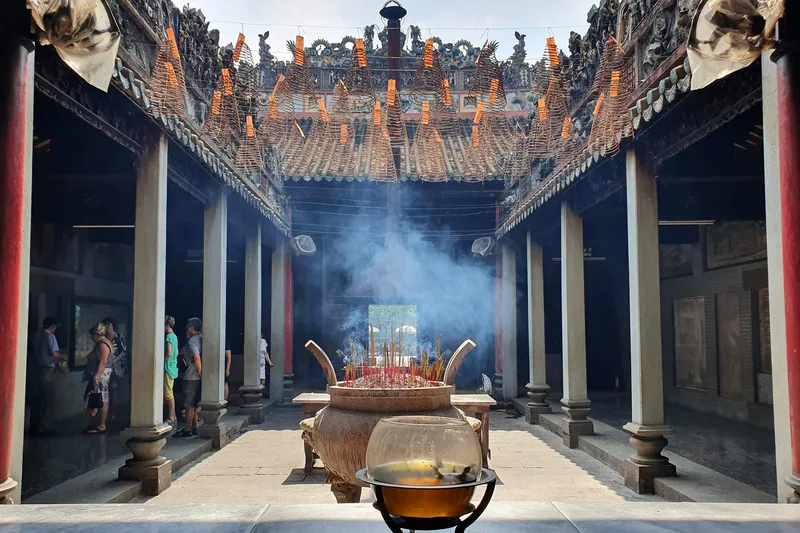
The incense coils in Thien Hau at nine
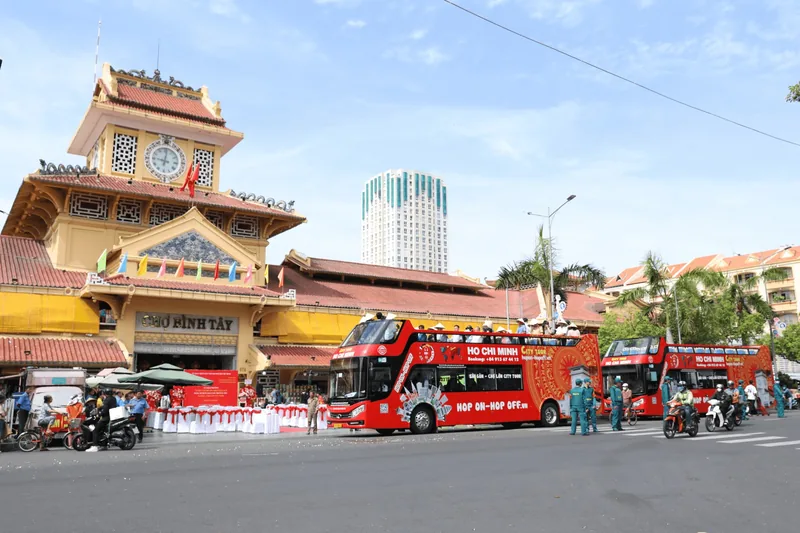
07:00 — pick-up in District 1, 3 or Binh Thanh; twenty to thirty minutes west. 07:30 — breakfast on a stool at the edge of Binh Tay market: a bowl of Teochew-style noodle soup or a steamed bun with coffee. 08:00 — inside Binh Tay, the wholesale market with its clock tower and central courtyard, restored in recent years and still trading in bulk.
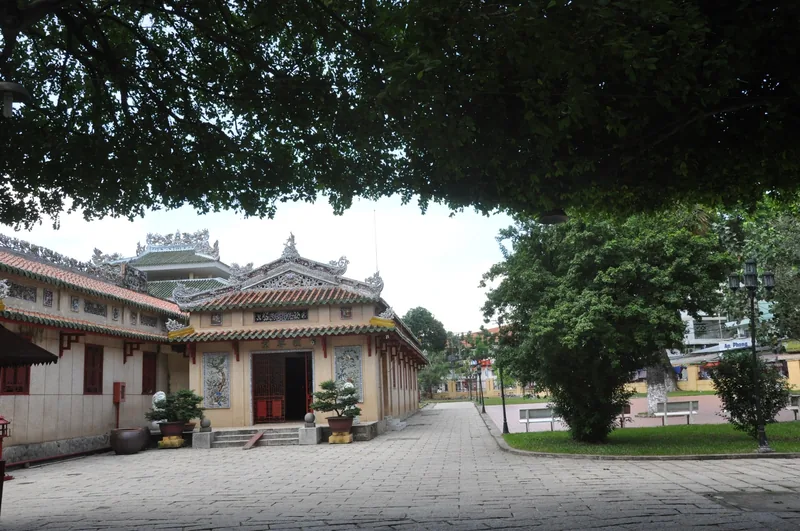
09:00 — Hai Thuong Lan Ong street, where herbal medicine shops sell dried roots, seahorses, bark and ginseng, weighed on hand scales. Your guide explains what the herbalists prescribe and why. 09:45 — the Cha Tam church, a small, pale-yellow Catholic church with a significant role in the 1963 coup.
10:15 — the assembly halls: Thien Hau, dedicated to the goddess of the sea and full of hanging incense coils, and Quan Am or another hall depending on festivals and opening. 11:00 — a Chinese-Vietnamese sweet soup or a pastry at a family bakery. 11:30 — drop-off at your hotel.
Price
Price
| Option | Per person (USD) |
|---|---|
| Shared, maximum 12 | from 35 |
| Private, 2 people | from 65 |
| Private, 4 people | from 45 |
Food and entrance donations are included. The private version adds flexibility for photographers who want to linger in a particular hall or street.
Included
What is included
What the price includes
- Hotel transfers from District 1, 3 or Binh Thanh
- Guide who knows the district
- Breakfast and a snack
- Temple donations
- Water
What it does not include
- Purchases
- Drinks beyond water and coffee
- Tips
- Travel insurance
Practical
Temples, photographs and etiquette
The assembly halls are active places of worship. Photographs are generally fine, but not of people praying at close range; shoulders and knees covered are appreciated. The market is crowded and narrow, so keep your bag in front. In the fortnight before Tet the district fills with lanterns and red decorations and is at its most photogenic, and its busiest.
Binh Tay is covered but not air-conditioned. By ten the aisles are warm and close. That is why we are inside by eight.
Not for everyone
Who this does not suit
Crowds, noise and the smell of dried fish are part of the morning, and some people find the market overwhelming. It is not a shopping tour; Binh Tay is wholesale and not set up for browsing. And it is not a morning for late sleepers — after ten the district is hot and the best of it is over.
Common questions
Questions travellers ask most
Is Cho Lon the same as Chinatown?
Yes. Cho Lon covers much of Districts 5 and 6 and was a separate city until it merged with Saigon.
Can I buy things at Binh Tay?
Yes, but most stalls sell in bulk. Small purchases are possible; your guide can help.
Can we add lunch?
Yes. Cho Lon has some of the best Chinese-Vietnamese cooking in the city, and a private tour can easily run on into lunch.
Related
Read next
Southern Vietnam
Ho Chi Minh City
The city we work in: districts, food, timing and honest advice.
View this journey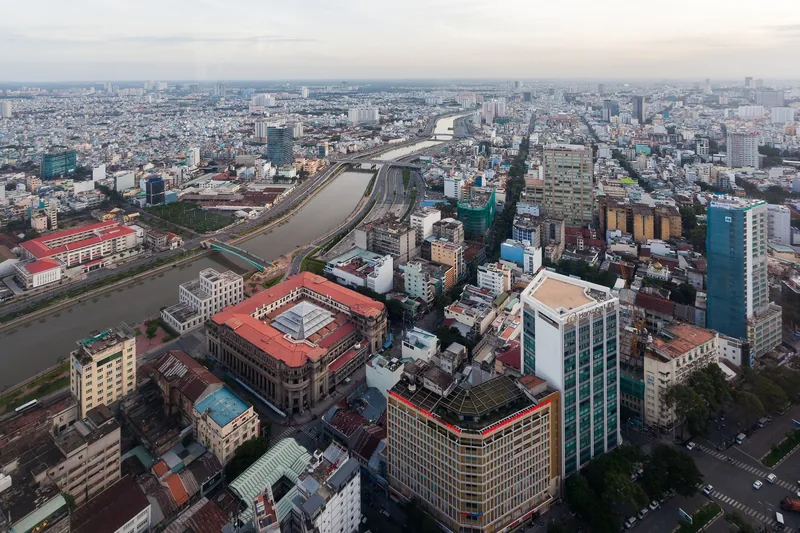
Example journey
Street food after dark
Seven stops in four districts, on the back of a scooter.
View this journey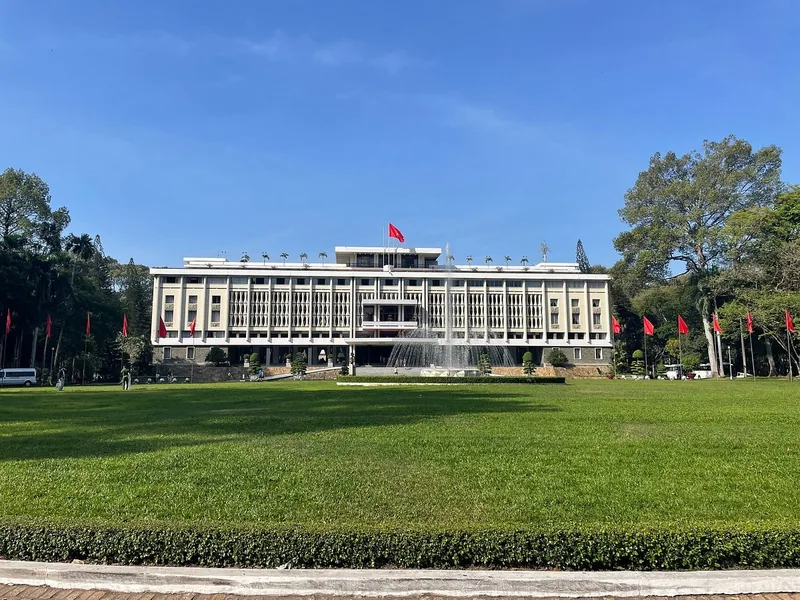
Example journey
Saigon in a day, on foot
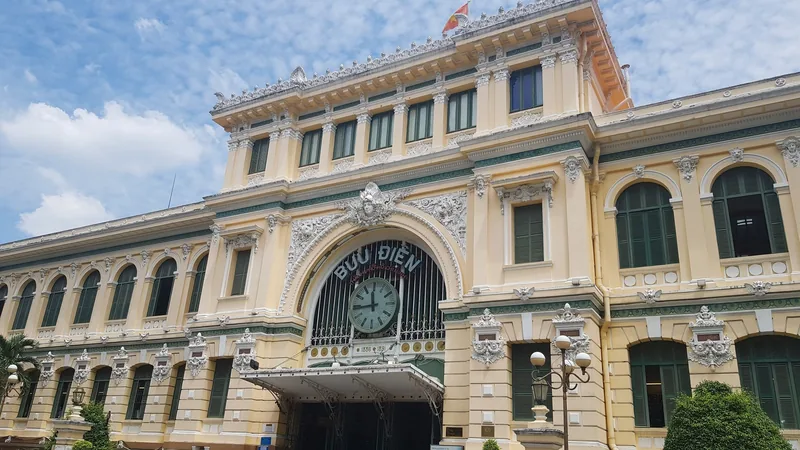
The palace, the museum, the post office and a market, on foot.
View this journey
Tours
Tours
Day trips, regional routes and full-length itineraries.
View this journey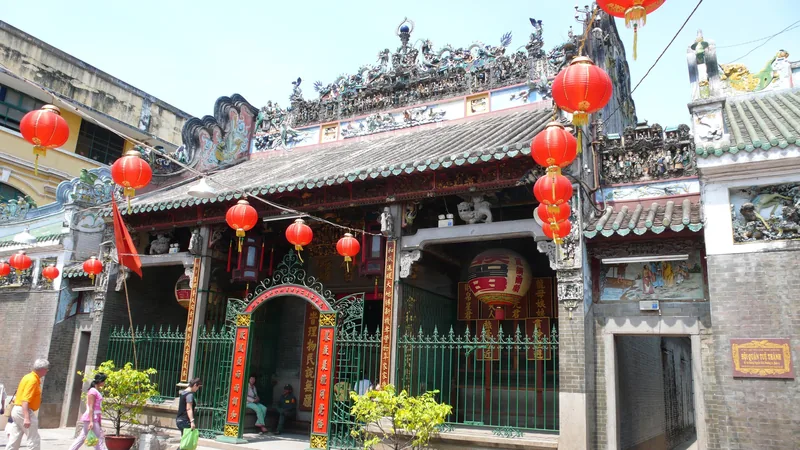
Start planning
Tell us about the trip you have in mind
Dates, party size and the places you care about are enough to start. You get a draft route and an indicative price, not a brochure.
Or talk to us:+84 766 045 399