 Tours out of Ho Chi Minh City and across Vietnam
Day trip from Saigon
Coffee, from the pavement to the roaster
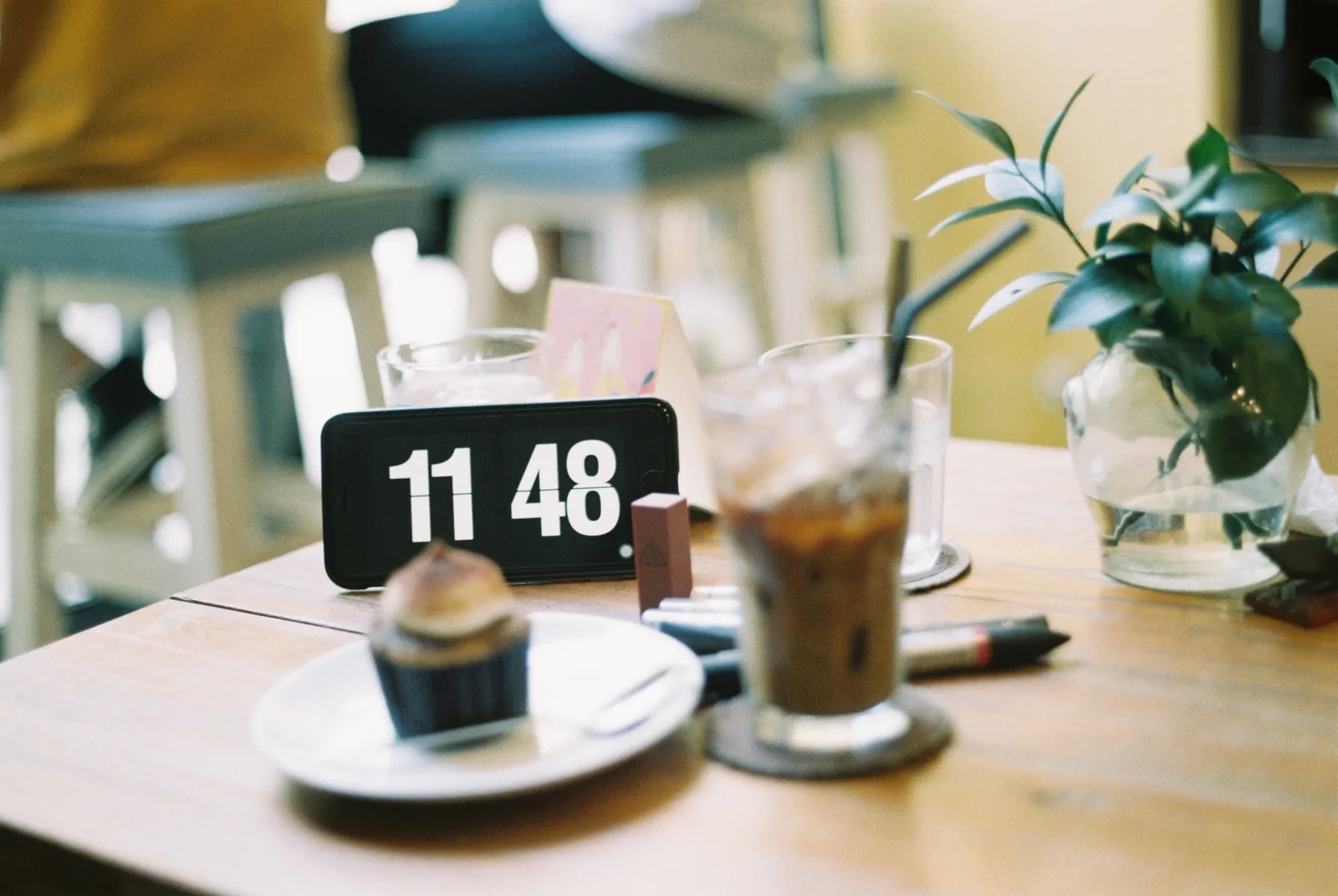
Vietnam grows more robusta than anywhere else on earth and Saigon drinks it at every hour. This morning follows it from a plastic stool on the pavement to the roasting drum.
Overview
A city that runs on coffee
Most of the coffee in Vietnam is robusta from the Central Highlands, stronger and more bitter than the arabica most visitors drink at home. The south takes it dripped slowly through a phin filter, over ice, often with condensed milk. It is a social habit rather than a drink on the go, and the pavement cafés are full from six in the morning.
We start there, on a stool with the neighbourhood, and follow the morning through a wet market, where District 3 does its daily shopping, and on to a small roaster where you taste robusta and arabica side by side and hear about the farms. There are four coffees in total, deliberately small; we also make sure you eat something.
- Length
- About 4 hours
- Start
- 06:30
- Finish
- Around 10:30
- On foot
- About 3 km
- Coffees
- Four, small ones
- Group
- 12 at most
Day by day
How the morning runs
Day 1
From the pavement to the roaster
The roaster’s side-by-side tasting
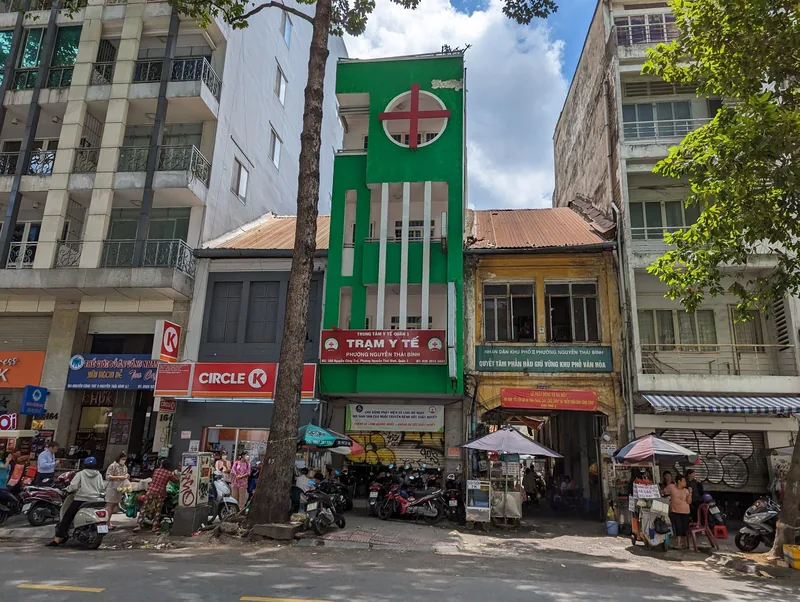
06:30 — your guide meets you at the hotel, and we walk or drive the short distance to a pavement café in District 3. Iced milk coffee from the phin, and a breakfast of sticky rice or a pork baguette from the cart next to it.
07:15 — a wet market, one of the neighbourhood markets where locals shop daily. Fish still moving in basins, bundles of herbs you will not recognise, fresh rice noodles, and the morning gossip. Your guide explains what people are buying for lunch.
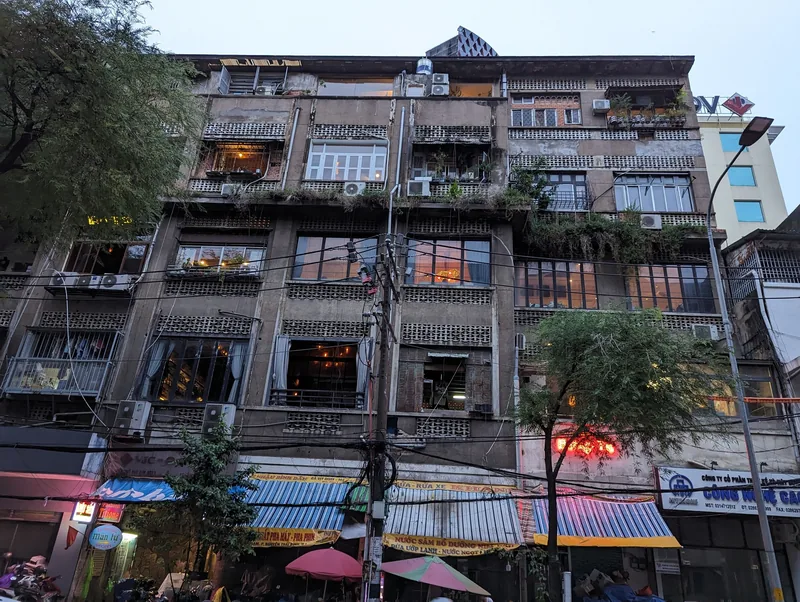
08:15 — a coffee in a converted 1960s apartment block, where old flats now house small cafés, and a second style: coconut coffee, or salted coffee borrowed from Hue. 09:15 — a small roaster in a back street: the difference between robusta and arabica, how Vietnamese roasts use butter or sugar, and a tasting of both.
10:30 — back at your hotel, or dropped anywhere central.
Price
Price
| Option | Per person (USD) |
|---|---|
| Shared, maximum 12 | from 35 |
| Private, 2 people | from 65 |
| Private, 4 people | from 45 |
The coffees, breakfast and tasting are included. A private morning can be moved later, or combined with the cooking class in a longer day.
Included
What is included
What the price includes
- Guide
- Breakfast
- Four coffees and a tasting
- Short transfers between stops
- Meeting at hotels in District 1, 3 or Binh Thanh
What it does not include
- Coffee beans you buy
- Tips
- Travel insurance
Practical
Caffeine, milk and the early start
Four small coffees is a lot for some people. We can make any of them decaf-friendly by swapping for tea or a juice, and non-dairy versions are possible except at the pavement stop, where condensed milk is standard. The market is wet underfoot, so closed shoes are best. At half past six the city is cooler and quieter than at any other time, which is part of the point.
If you want to take coffee home, the roaster sells it at fair prices and will grind it for a phin. Your guide can also point you to a market stall selling phin filters.
Not for everyone
Who this does not suit
If you do not drink coffee at all, this is not the morning for you; the market alone is better done as part of the cooking class. People sensitive to caffeine should ask for substitutions. It is also a poor fit for a first day in Saigon after a long flight, when half past six arrives at a strange hour.
Common questions
Questions travellers ask most
Why is Vietnamese coffee so strong?
It is mostly robusta, which has roughly twice the caffeine of arabica, and it is brewed slowly through a phin.
Is egg coffee included?
Egg coffee is a Hanoi drink. You can find it in Saigon, but we focus on southern styles.
Can children come?
Yes. We swap coffee for fresh juice or sweet soy milk.
Related
Read next
Southern Vietnam
Ho Chi Minh City
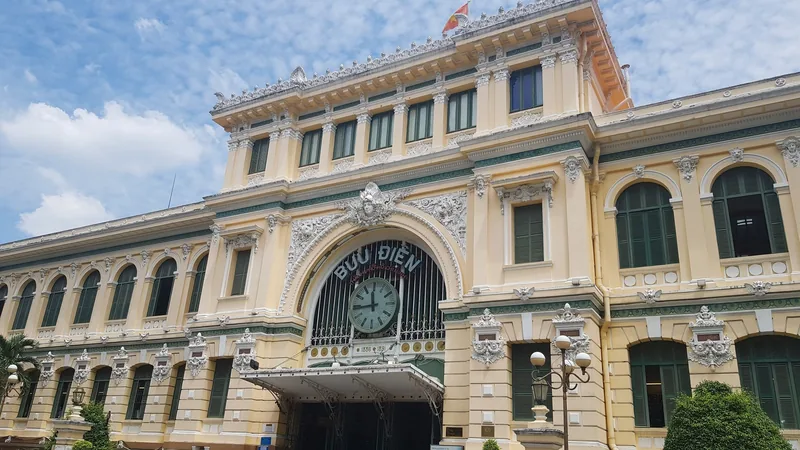
The city we work in: districts, food, timing and honest advice.
View this journey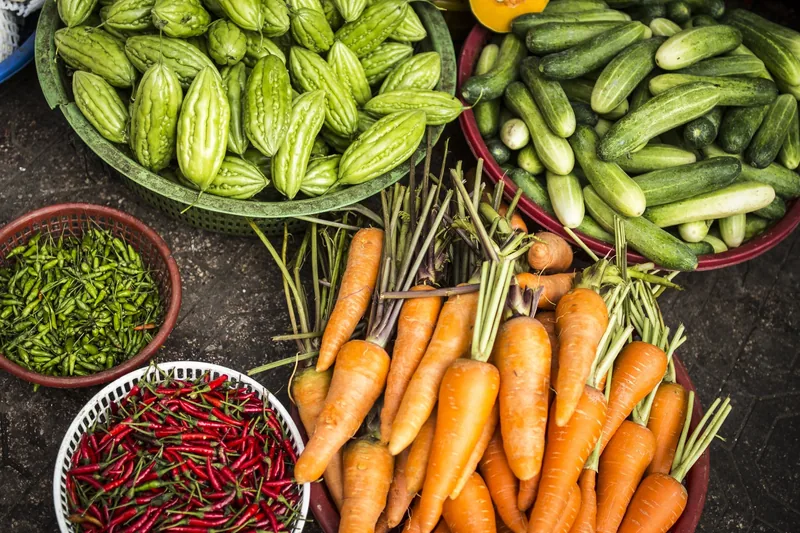
Example journey
Market and cooking class
Tan Dinh market, four southern dishes, then lunch.
View this journey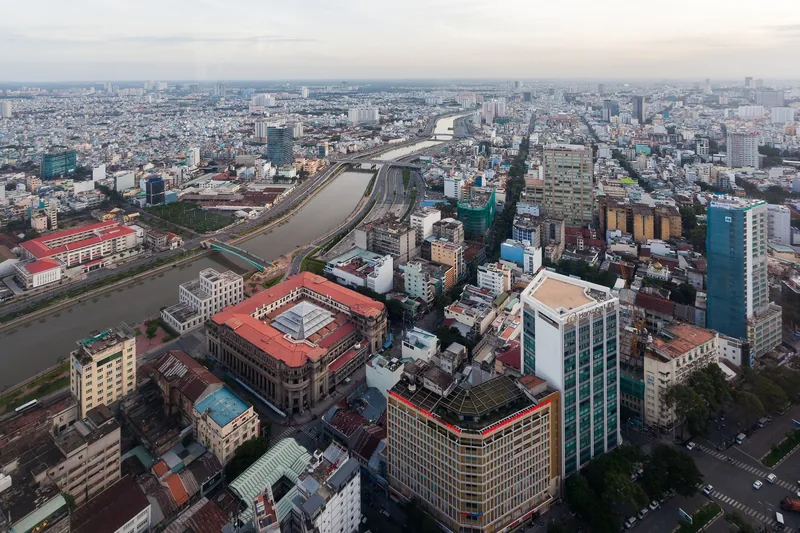
Example journey
Street food after dark
Seven stops in four districts, on the back of a scooter.
View this journey
Tours
Tours
Day trips, regional routes and full-length itineraries.
View this journey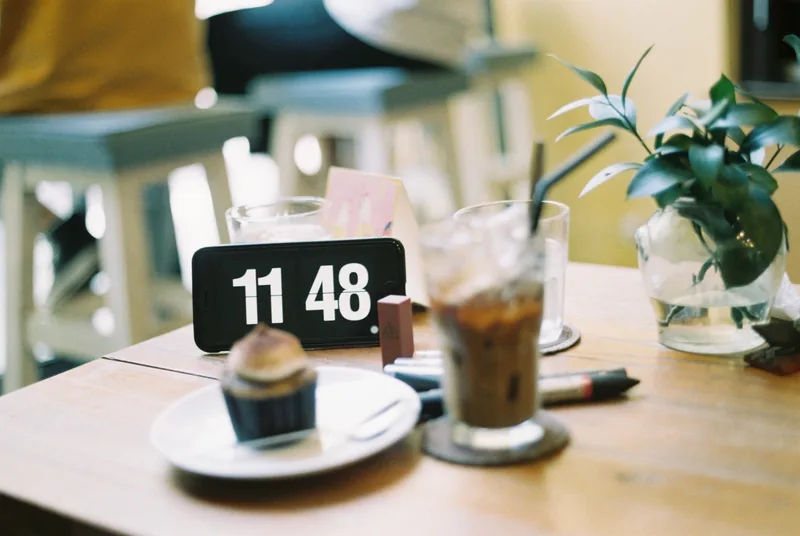
Start planning
Tell us about the trip you have in mind
Dates, party size and the places you care about are enough to start. You get a draft route and an indicative price, not a brochure.
Or talk to us:+84 766 045 399