 Tours out of Ho Chi Minh City and across Vietnam
Travel guide
Accessible travel in Vietnam, described honestly
Vietnam is not an easy country for wheelchair users or anyone who finds steps hard. It is a possible one, with the right vehicles, hotels and a slower plan. This page describes both halves without softening either.
Start here
The honest starting point
Reviewed twice a year. Hotel lifts, ramps and room layouts change with renovations, so we re-check each hotel on a specific booking rather than relying on this page.
There is no national standard for access that visitors can rely on. New hotels and airports in the big cities are often good; older buildings, pavements, boats and most historic sites are not. We would rather you knew that before booking than discovered it on the first morning.
The travellers who do well here with limited mobility share three things: a private vehicle for every transfer, hotels checked room by room rather than by star rating, and days that are shorter than a standard itinerary. All three we can arrange. What we cannot do is make a pavement flat or a boat gangway wider.
Reality
What you will meet on the ground
Easier
What is easier than people expect
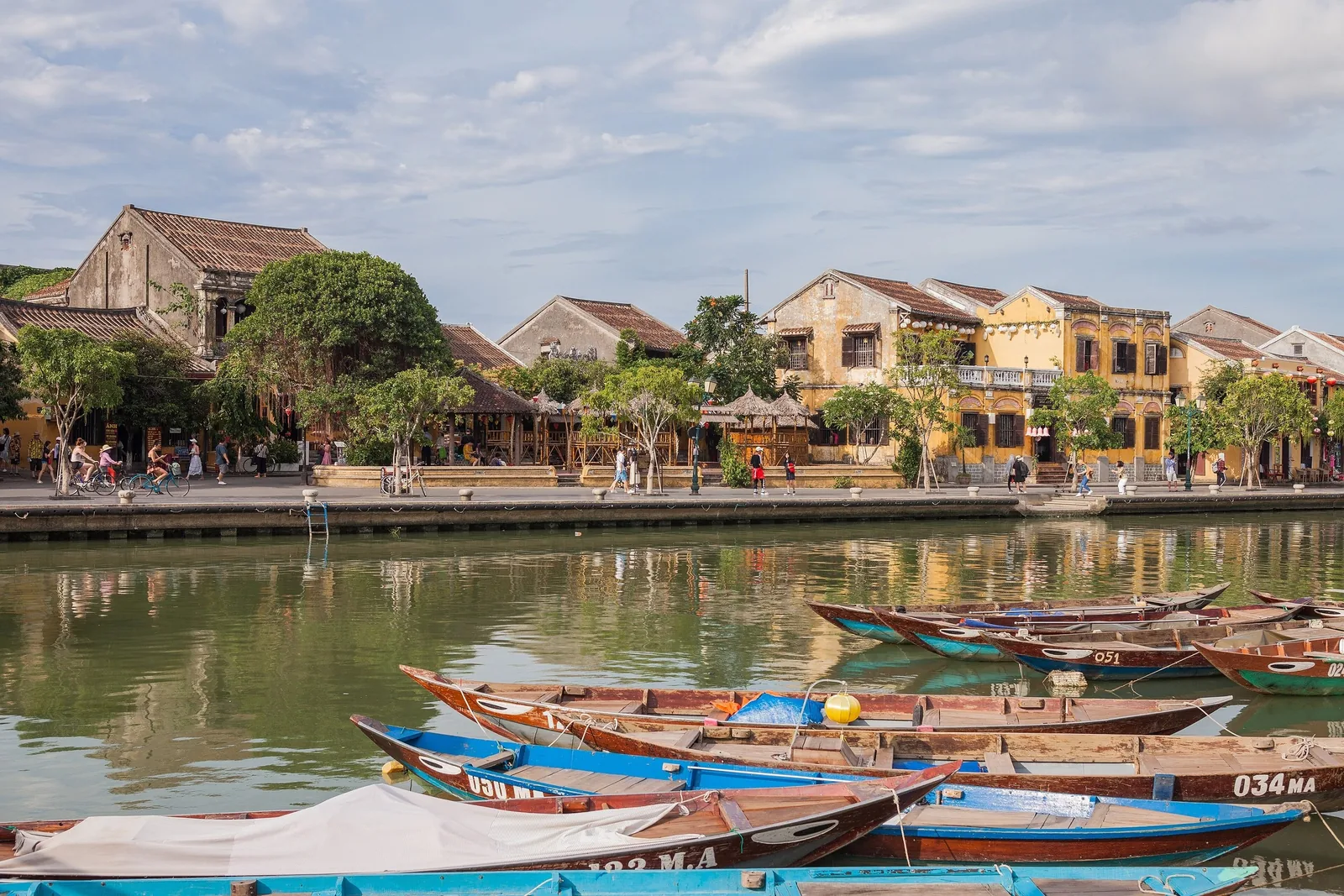
- Hoi An old town is flat, partly car-free in the evenings, and the riverside is smooth enough for a wheelchair with a companion.
- The main airports — Ho Chi Minh City, Hanoi and Da Nang — offer wheelchair assistance through your airline, if requested at booking.
- Newer city hotels usually have lifts, level entrances and some rooms with larger bathrooms and grab rails.
- People help. Drivers, guides and passers-by will lift, carry and hold doors without being asked, which matters more here than any ramp.

Harder
What is harder, or not possible
Some places we will describe to you and then suggest you skip. The tunnels themselves at Cu Chi are narrow crawl spaces, although the forest paths around them are walkable on firm ground in the dry season. Caves at Phong Nha involve stairs and uneven rock. Ha Giang and the northern loops are long days of winding mountain road with few adapted facilities. Mekong homestays sit on raised floors over water.
Smaller regional airports often board by stairs rather than an airbridge, and lifting equipment is not always available. For those routes we sometimes suggest a longer drive rather than a short flight.
How we help
What we can arrange
- 01
Private vehicles throughout
A car or van for every transfer, sized so a folding wheelchair and luggage fit together. Vehicles with a built-in wheelchair lift are rare, and we will not promise one we cannot confirm.
- 02
Hotels checked room by room
Step-free entrances, lifts, door widths, bath or level shower, where they exist. We ask hotels for photographs of the specific room and bathroom before you commit.
- 03
Shorter days
Fewer places, more nights in each, and the day’s activity finished before the heat. A two-week route becomes a ten-place route cut to six.
- 04
Guides who know
We brief the guide on your needs in advance, so the route through a site is the step-free one where there is a choice.

Beyond mobility
Other needs
For travellers with low vision or hearing loss, the main adjustment is the guide: someone who describes more, speaks more clearly, or writes things down. For travellers who tire easily or manage a chronic condition, it is the pace and the distance to a good hospital, which we build into the route. Tell us what helps and what does not; we would rather ask one question too many.
Common questions
Questions travellers ask most
Can a wheelchair user travel the length of Vietnam?
Yes, with a companion, private transport, domestic flights between regions and a slower plan than most itineraries. Parts of the country, such as Hoi An and the city centres, work well; others, like the far north, are hard work.
Are there accessible toilets at the main sights?
At a few of the larger modern sites, yes. At most, no. We plan stops at hotels or larger restaurants where facilities are better.
Can you hire a wheelchair in Vietnam?
Hospitals and some medical supply shops in the big cities sell or lend them, but quality varies. Bring your own if you use one; airlines carry them free in most cases.
Will insurance cover a mobility-related problem?
That depends on how the policy treats pre-existing conditions. Declare everything; our insurance guide explains why.
Related
Read next

Travel guide
Getting around
Flights, trains, buses, apps and real road times.
View this journey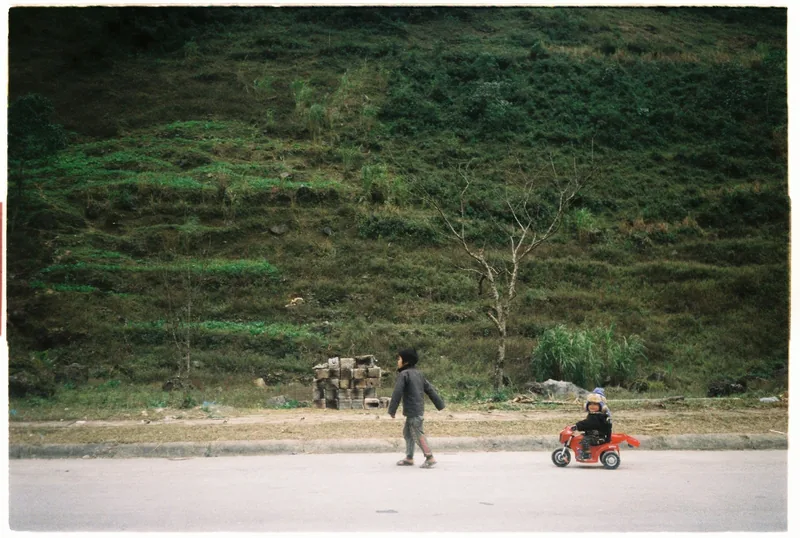
Travel guide
Travel insurance
Evacuation cover, the motorbike clause and the rest.
View this journey
Central Vietnam
Hoi An
Old town, beach, tailors and the honest timing.
View this journey
Tailor-made
Tailor-made
How a private itinerary gets built, step by step.
View this journey
Travel guide
Travel guide
Practical guides to visas, weather, money and transport.
View this journey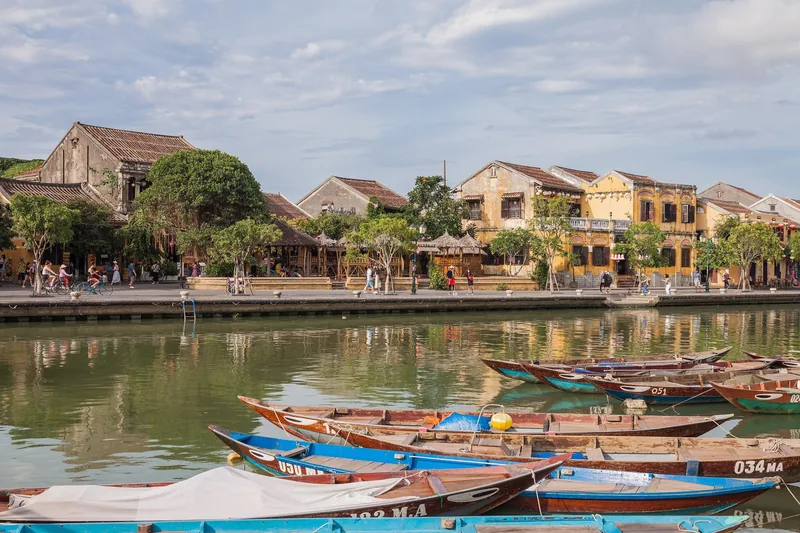
Start planning
Tell us about the trip you have in mind
Dates, party size and the places you care about are enough to start. You get a draft route and an indicative price, not a brochure.
Or talk to us:+84 766 045 399