 Tours out of Ho Chi Minh City and across Vietnam

Travel guide
Covering a long country without losing days
Vietnam is long, and the route between its regions decides how much of your trip is spent in transit. Fly between regions, drive within them, take the train when the ride itself is the point.
Overview
The rule of thumb
We check road times and train services on this page every month, because new expressway sections keep shortening journeys, and after any timetable change on the railway. Times are what our own drivers see, not what a map app promises at midnight.
Between regions, fly. Saigon to Da Nang or Hanoi is under two hours in the air, and the same trip by road or rail is a day and a half. Within a region, drive: a private car and driver turns a two-hour transfer into a day with three stops in it. The train is for journeys where the view is the point, and the overnight train is for Sapa.
The mistake we try to talk people out of most often is covering the whole length on the ground to "see the country in between". Much of the in-between is road, and the day saved by one flight is better spent at Phong Nha or on a second night in Hoi An.
Flights
Domestic flights
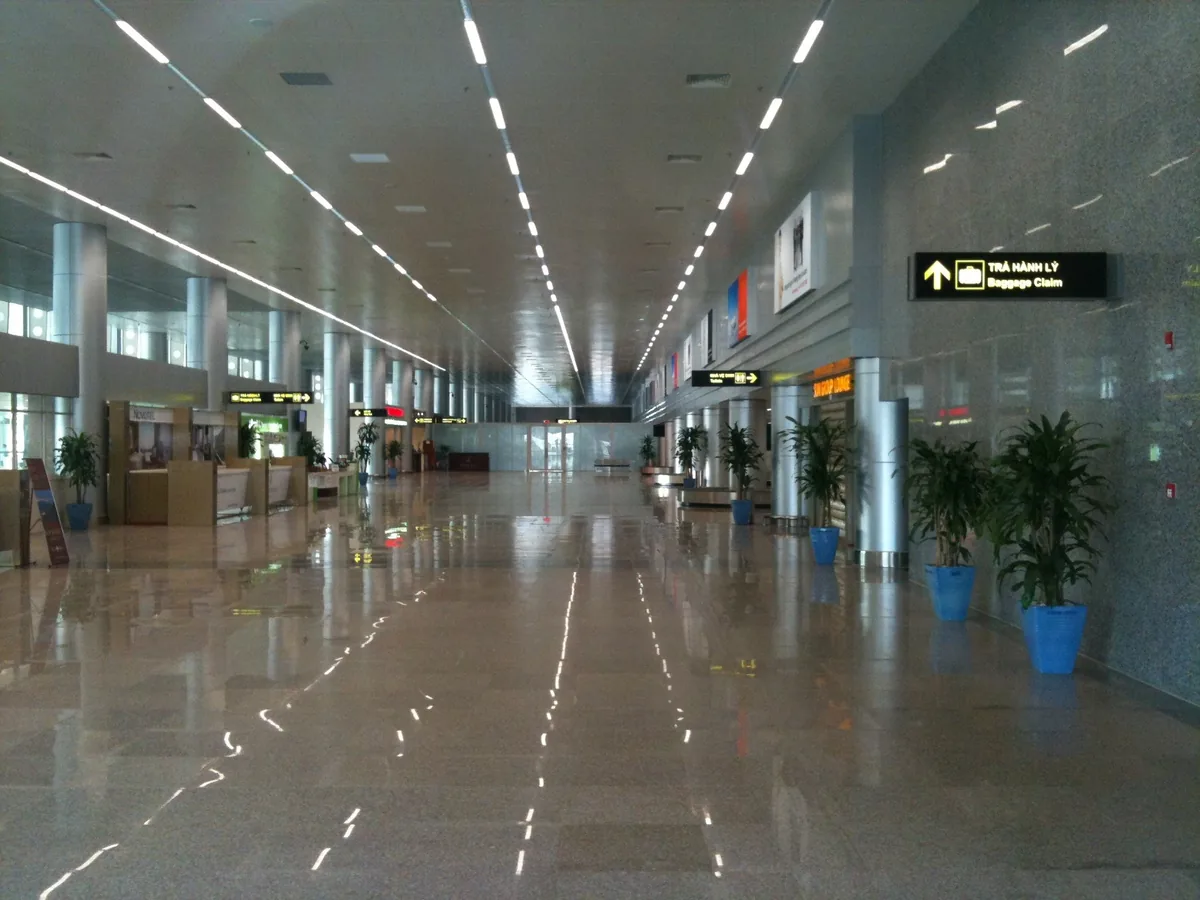
Three main airlines fly domestic routes — Vietnam Airlines, Vietjet and Bamboo Airways — with several departures a day between Saigon, Da Nang and Hanoi and regular services to Phu Quoc, Nha Trang, Da Lat, Hue, Quy Nhon, Dong Hoi for Phong Nha, and Con Dao. Fares are low if booked a few weeks ahead and climb quickly in the last fortnight and around Tet.
- Allow two hours at the airport for a domestic flight in Saigon or Hanoi; security queues can be long in the morning peak.
- Check the baggage allowance on the lowest fares, which often cover cabin bags only.
- Delays and schedule changes are common. Do not book a domestic flight on the same day as your international departure unless there is a wide margin.
- Tan Son Nhat is 20 to 40 minutes from central Saigon depending on traffic; Noi Bai is 45 to 60 minutes from Hanoi’s Old Quarter.
Rail
Trains
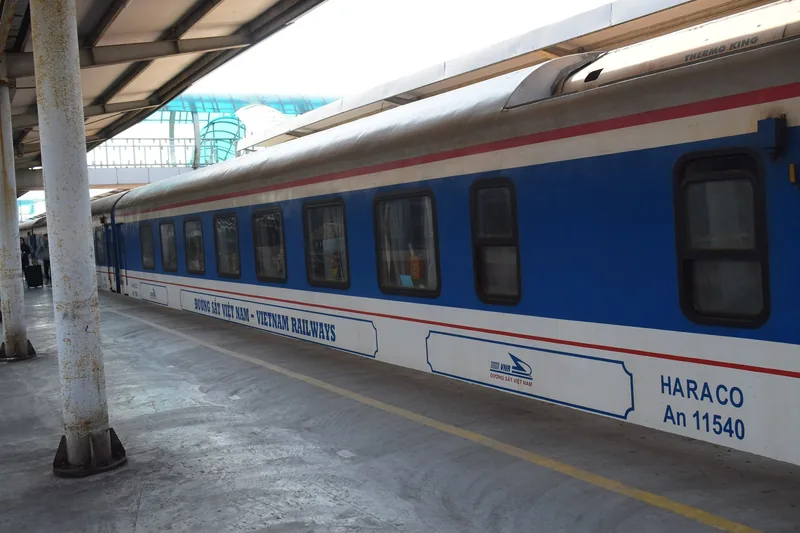
The North–South railway runs the length of the country, and end to end it takes around 32 hours. Few people should ride all of it. The sections worth taking are the coastal stretch between Hue and Da Nang, about two and a half hours along cliffs and bays, and the overnight train from Hanoi to Lao Cai for Sapa, which saves a day of road and arrives in time for breakfast.
Soft-sleeper cabins have four berths and are the class we book. Some private carriages attached to the Lao Cai trains are more comfortable. Trains are punctual by regional standards and the ride is slow and rolling; bring a layer, as air conditioning is set cold. Our guide on trains and buses has the classes and the stations in more detail.
Road
Road times that are true
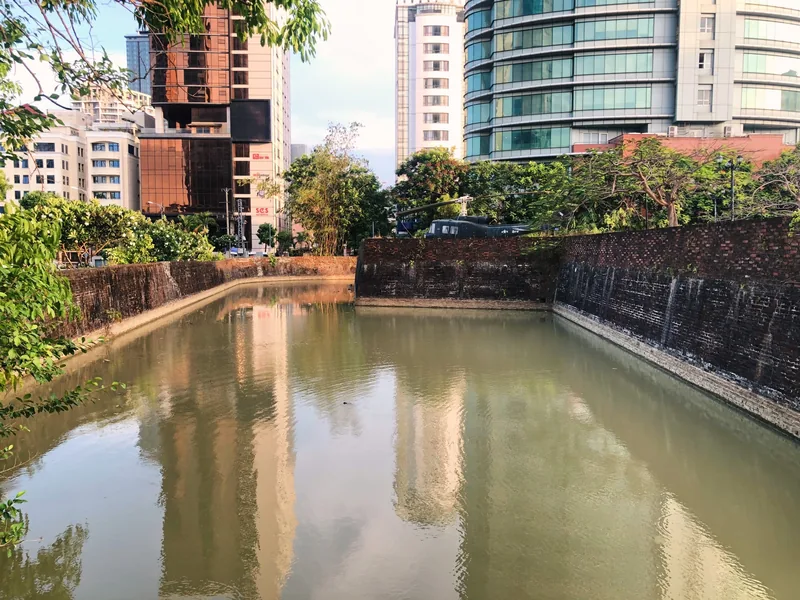
Vietnam has built a great deal of expressway in the last few years and many journeys are faster than guidebooks say. Mountain roads have not changed, and average speeds there are low. These are the times our drivers plan with, door to door in normal traffic.
| Route | Time by road | Note |
|---|---|---|
| Saigon to My Tho | 1.5 hours | Expressway most of the way |
| Saigon to Can Tho | 3 hours | Longer on holiday weekends |
| Saigon to Chau Doc | 4 hours and more | The last stretch is ordinary road |
| Saigon to Mui Ne | About 4 hours | Expressway to Phan Thiet |
| Da Nang to Hoi An | 45 minutes | |
| Da Nang to Hue | 2.5 hours | By the tunnel, or longer over the pass |
| Hanoi to Ninh Binh | About 2 hours | Expressway |
| Hanoi to Ha Long or Lan Ha | 2.5 to 3 hours | Expressway |
| Hanoi to Sapa | 5.5 hours | Expressway to Lao Cai |
| Hanoi to Ha Giang | About 6 hours | Half expressway, half mountain road |
Buses
Sleeper buses
Long-distance sleeper buses connect almost everywhere, overnight, for very little money, with reclining berths in three rows. They are the backbone of budget travel here and many travellers use them without trouble. We do not put them into our itineraries by default, for three reasons: they often arrive in the small hours at a bus station outside town, the berths are short for anyone over about 1.75 metres, and night driving on mountain roads is the part of Vietnamese road travel we trust least. If you want one, we will book it and tell you which company and which seat.
In town
Ride-hailing, taxis and motorbikes
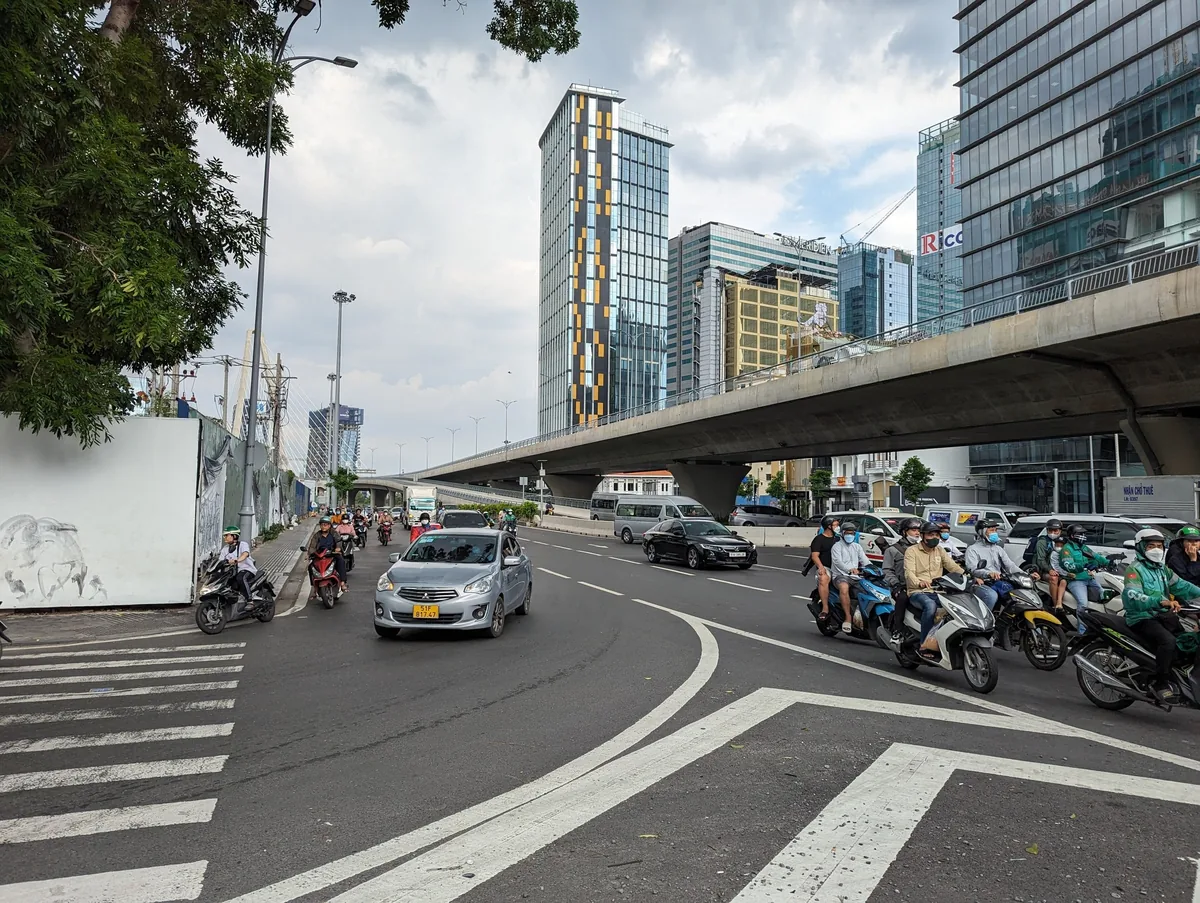
In the cities, ride-hailing apps have removed most of the old taxi problems. Grab is the one most visitors know, and local apps such as Be and Xanh SM, an all-electric fleet, work the same way. You see the price before you book, the route is tracked, and you can pay by card in the app or cash to the driver. Motorbike taxis on the same apps are quicker in traffic and a fraction of the cost; wear the helmet offered.
Metered taxis from the major companies are fine too, from an official rank or booked by your hotel. Renting a motorbike yourself is something we advise against unless you hold a licence valid in Vietnam and ride confidently at home: it is how most visitors get hurt, and most travel insurance will not pay out without a valid licence. Our scams guide covers the few taxi tricks that still happen.
Common questions
Questions travellers ask most
Is it worth taking the train the whole length of Vietnam?
As an experience, for a few people; as transport, no. The full run takes around 32 hours. Ride the Hue to Da Nang section and fly the long legs.
Can we have the same driver for the whole trip?
Within a region, yes, and it is what we arrange on private routes. Between regions we fly you and a local driver and guide meet you, because repositioning a car 800 kilometres costs you money for nothing.
Are ride-hailing apps safe to use?
Yes. They are how most people in Vietnamese cities get around. Check the plate matches the app before you get in.
Should I rent a motorbike?
Only with a licence valid in Vietnam, real experience, and insurance that covers it. Otherwise hire a driver or join a guided ride where someone else is at the handlebars.
Related
Read next
Travel guide
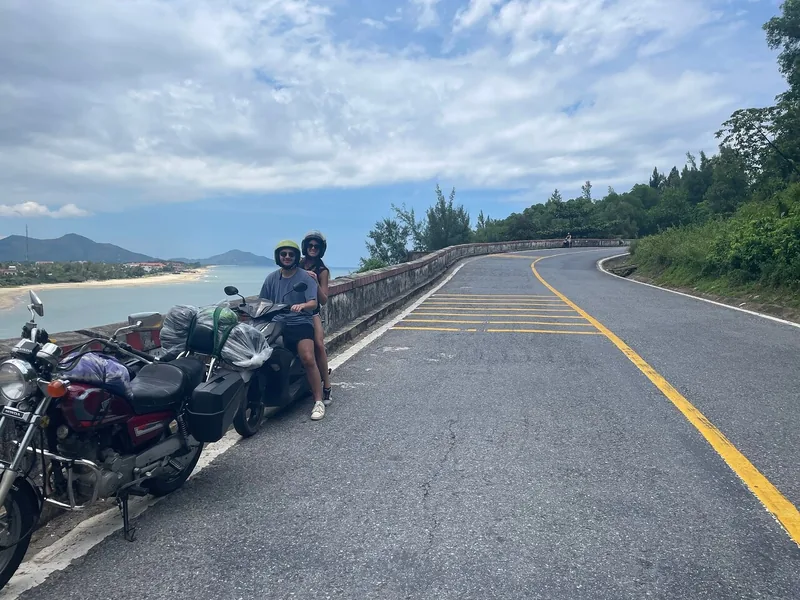
Trains and buses
The Reunification line, sleeper cabins and sleeper buses.
View this journey
Travel guide
Scams and petty crime
Taxis, bag snatching, street sellers and fake bookings.
View this journey
Travel guide
When to go
Weather by region and month, with what it changes on a route.
View this journey
Travel guide
Phones and data
SIM cards, eSIM, registration, coverage and apps.
View this journey
Travel guide
Travel guide
Practical guides to visas, weather, money and transport.
View this journey
Start planning
Tell us about the trip you have in mind
Dates, party size and the places you care about are enough to start. You get a draft route and an indicative price, not a brochure.
Or talk to us:+84 766 045 399