 Tours out of Ho Chi Minh City and across Vietnam
Travel guide
Staying online from Saigon to the far north
Mobile data in Vietnam is fast, cheap and nearly everywhere. A local SIM or an eSIM, registered to your passport, is the easy answer. The exceptions are a few deep valleys, caves and the open sea.
Overview
The simple answer
We check this page every three months, and after any change to the rules for registering SIM cards, which the government has tightened more than once in recent years. We name the mobile networks because they are the country’s own; we do not recommend a particular eSIM seller.
For most travellers, the best set-up is a local data SIM or an eSIM with a few weeks of data. It costs little, it gives you maps, ride-hailing and messaging everywhere, and it means our guides and the 24/7 line can always reach you. Roaming on your home plan works too, and is simplest if your provider has a reasonable daily rate for Vietnam; check before you land.
- Networks
- Viettel, Vinaphone, Mobifone
- Local SIM
- Airport, phone shops
- eSIM
- Works on compatible phones
- Registration
- Passport required
- Coverage
- Good almost everywhere
- Wi-Fi
- In nearly every hotel and café
SIM and eSIM
Buying a SIM or eSIM
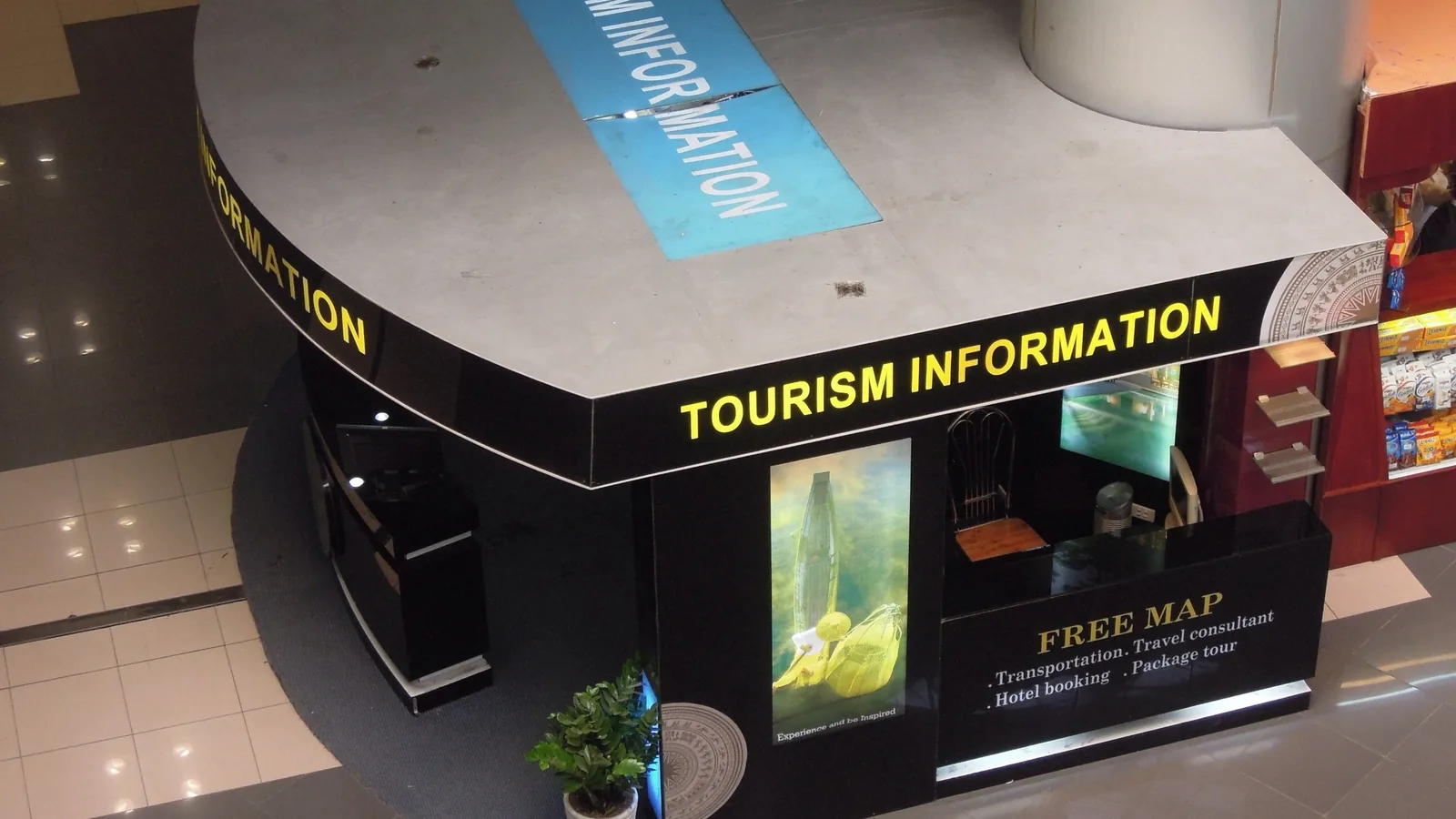
Vietnam has three main mobile networks, Viettel, Vinaphone and Mobifone, and several smaller ones that use their infrastructure. Viettel generally has the widest coverage in the mountains and rural areas. You can buy a tourist SIM at the arrivals halls in Saigon, Hanoi and Da Nang, or at the networks’ own shops in any town.
- 01
Bring your passport
Every SIM in Vietnam must be registered to the user’s identity, and for visitors that means the passport. The seller takes the details and often a photo of you.
- 02
Choose a data package
Tourist packages are sold by days and gigabytes. A month of generous data is inexpensive by international standards.
- 03
Check it before you leave the counter
Make sure data works and note the number. Keep your home SIM somewhere safe if you swap.
- 04
For eSIM
Buy from a network or a reputable seller before you fly, install it at home, and switch it on when you land. The same identity rules can apply.
An unlocked phone is needed for a local SIM. Most phones bought outright are; phones on a contract may not be. An eSIM needs a phone that supports it, which most recent models do.
Coverage
Where coverage stops
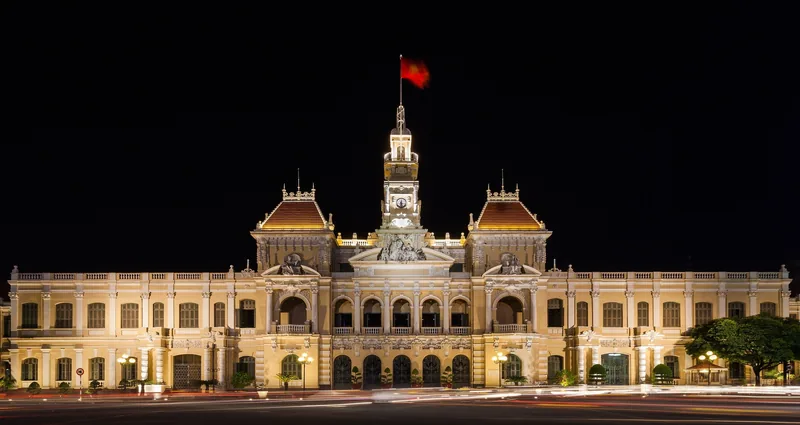
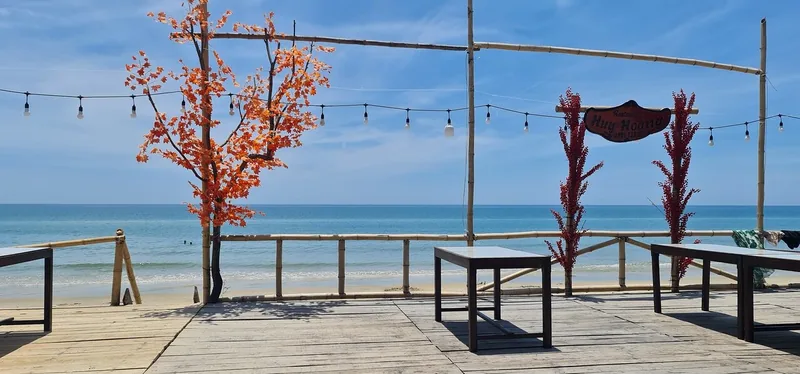
Mobile coverage across Vietnam is good: 4G is available in nearly every town, along the main roads and on most of the coast, and 5G is spreading in the big cities. You will be online on the delta boats, on Phu Quoc and in most of the mountains. The gaps are where you would expect them.
| Where | What to expect |
|---|---|
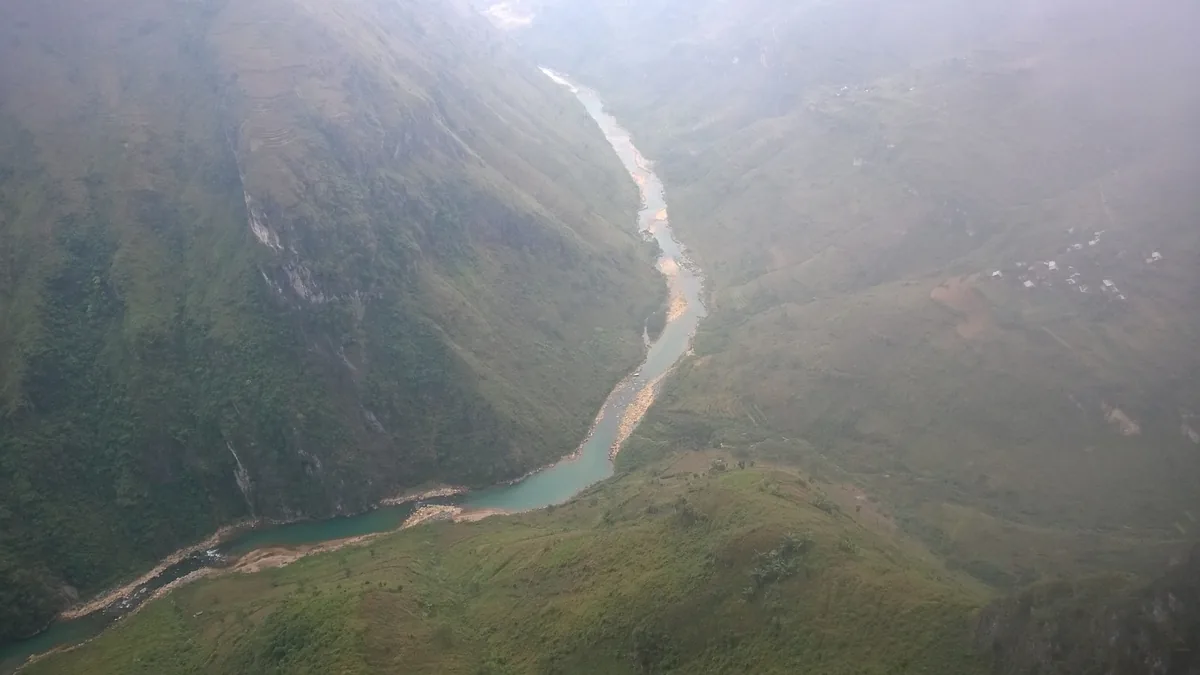
| Deep valleys in Ha Giang and Cao Bang | Signal drops between villages for stretches of the loop |
| Inside the caves at Phong Nha | Nothing underground; signal at the entrances |
| Ha Long and Lan Ha cruises | Patchy away from the islands; boat Wi-Fi is often slow |
| Trekking routes above Sapa and in Pu Luong | Intermittent |
| Con Dao and remote islands | Good in the main town, weaker elsewhere |
Download offline maps for the regions you are visiting before you go, and tell someone your plans if you are trekking. On our tours in these areas the guide carries a phone on the strongest local network and knows where the signal comes back.
Apps
Apps that help here
- A ride-hailing app: Grab, and the local alternatives Be and Xanh SM, for cars and motorbike taxis in the cities.
- Maps with offline areas downloaded, for the mountains and the delta.
- A translation app with the camera function, for menus and signs.
- WhatsApp, which we use with travellers. Zalo is the messaging app most Vietnamese use, and some hotels and drivers prefer it.
- Your bank’s app, with notifications on, so you see every card payment.
Power
Power and charging
Vietnam uses 220 volts, and sockets usually take two-pin plugs, both round and flat pins. Most phone and laptop chargers work on any voltage; check the small print. A universal adapter and a power bank for long road days are the two things we suggest carrying. Hotels usually have sockets by the bed; sleeper trains and boats have fewer.
Common questions
Questions travellers ask most
Do I really need a local number?
Not strictly, but it makes life easier: ride-hailing apps work better with one, and Vietnamese hotels and drivers can call you. Data alone, on an eSIM, covers most needs.
Can I use my home phone number and a local data eSIM together?
Yes, on phones with dual SIM support. Keep your home line on for calls and messages from your bank, and use the eSIM for data.
Is public Wi-Fi safe to use?
For browsing and maps, yes. For banking, use mobile data or a VPN, as you would anywhere.
Related
Read next

Travel guide
Getting around
Flights, trains, buses, apps and real road times.
View this journey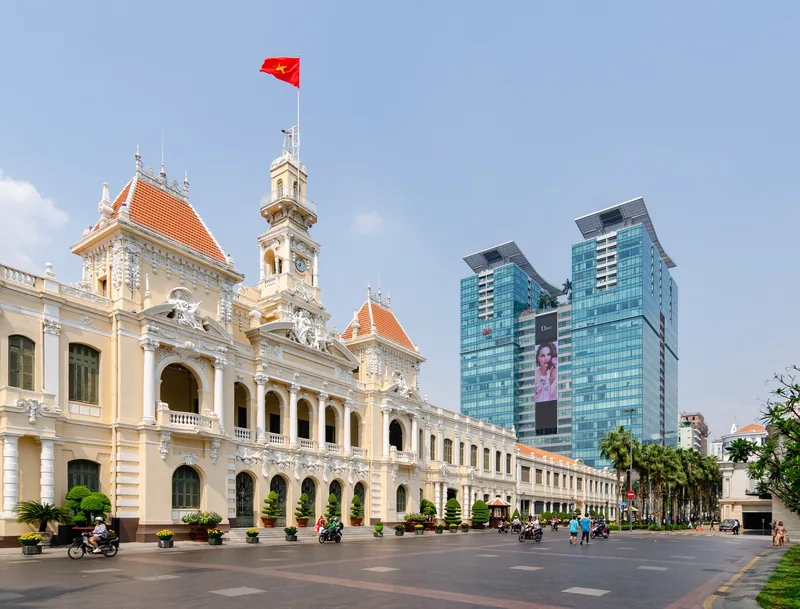
Travel guide
Money and tipping
Dong, ATMs, cards and what tipping actually is here.
View this journey
Travel guide
Packing
Clothes, shoes, rain gear, temple dress and what to buy here.
View this journey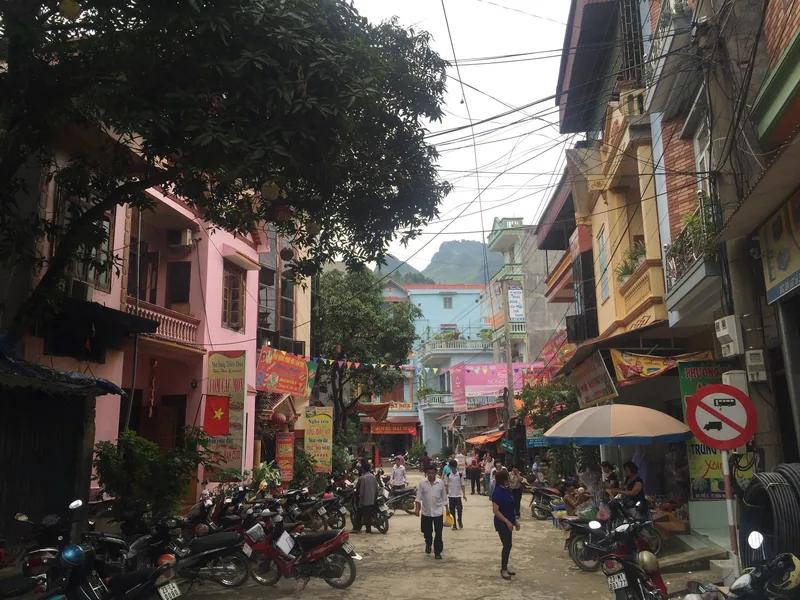
Northern Vietnam
Ha Giang
The loop: routes, timing, and car versus motorbike.
View this journey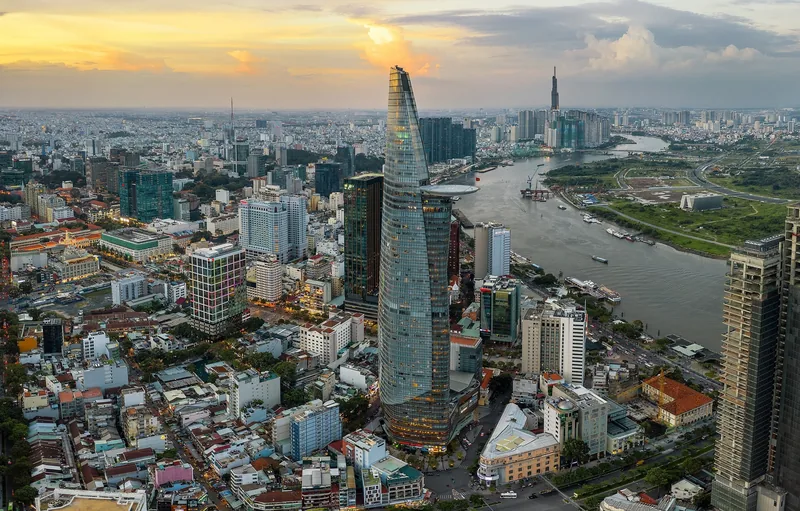
Travel guide
Travel guide
Practical guides to visas, weather, money and transport.
View this journey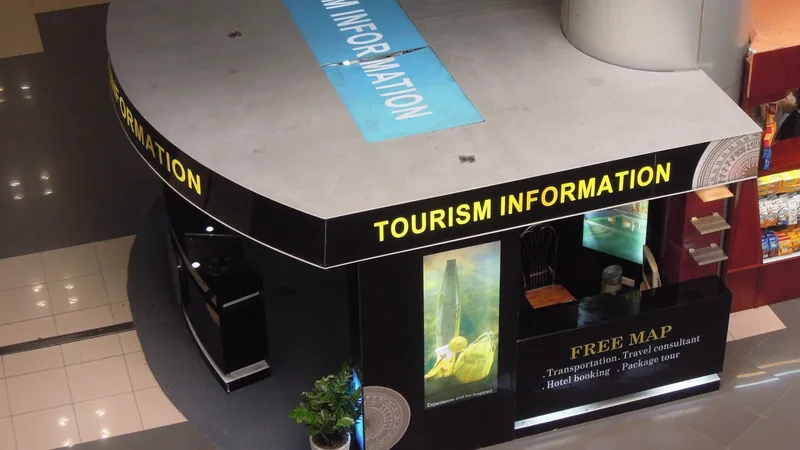
Start planning
Tell us about the trip you have in mind
Dates, party size and the places you care about are enough to start. You get a draft route and an indicative price, not a brochure.
Or talk to us:+84 766 045 399