 Tours out of Ho Chi Minh City and across Vietnam
Travel guide
Cash, cards and tips in everyday Vietnam
Vietnam runs on the dong, mostly in cash. Cards work in hotels and many restaurants, ATMs are everywhere in towns, and markets, street stalls and small boats want notes. Carry some of each.
Overview
The currency
We review this page every six months, and sooner if banks change their ATM limits or card rules. We do not print exchange rates: check the day’s rate in your banking app or on the rate board at a bank before you change money.
The Vietnamese dong comes in large numbers, which confuses everyone for the first day. Notes run from 10,000 to 500,000, and a coffee costs tens of thousands. Coins exist but are rarely seen. Prices are often written with the last three zeros dropped, so "45k" on a menu means 45,000 dong.
The notes are polymer and several of them are close in colour. The one mistake we see again and again is the 20,000 and the 500,000, which are both blue: count the zeros, not the colour, especially in a dim taxi or at night. Keep large and small notes in separate pockets and you will stop making it.
- Currency
- Vietnamese dong (VND)
- Cash
- Needed daily
- Cards
- Hotels, many restaurants, shops
- ATMs
- Common in towns and cities
- US dollars
- Accepted in places, not needed
- Tipping
- Moderate, never compulsory
ATMs
ATMs and withdrawals
ATMs are easy to find in every city and town, in airports, hotel lobbies, shopping centres and outside bank branches. They are harder to find in the far north, on the smaller islands and in the delta backroads, so draw what you need before you leave a town for two or three days.
- Limits: each withdrawal is capped by the local bank, often at a few million dong per transaction. Some banks allow more; the screen tells you the maximum.
- Fees: most local banks charge a fixed fee per foreign card withdrawal, and your own bank may add its own. Taking out larger amounts less often is cheaper than many small withdrawals.
- Conversion: if the machine offers to charge you in your home currency, decline and choose dong. The rate it offers is almost always worse.
- Timing: use machines attached to a bank branch in working hours where you can. If one keeps your card, you want someone inside who can retrieve it.
Cards
Where cards work, and where they do not
Visa and Mastercard are accepted in hotels, larger restaurants, supermarkets, shopping centres, airline counters and most places with an air-conditioned interior. Contactless payment is increasingly common in the cities. American Express is accepted less widely. Some places add a small surcharge for card payment; they are supposed to tell you first, so ask if you are not sure.
Cards do not work at markets, street stalls, most small cafés, ferry ticket windows, rural guesthouses, boat operators in the delta or most taxis hailed on the street. Vietnamese people pay almost everything small by scanning a QR code with a banking app linked to a local account, which is no help to a visitor. Plan for a day of cash and use the card for the big things.
| Where | Card | Cash |
|---|---|---|
| Hotel bill | Almost always | Also fine |
| Restaurant with a menu in English | Usually | Always |
| Street food, markets, small cafés | Rarely | Yes |
| Ride-hailing app | Card saved in the app | Or cash to the driver |
| Entrance fees at major sites | Often | Always |
Exchange
US dollars and changing money
US dollars are accepted in some hotels and tourist shops, and quoted for some tours and boat trips, but everyday prices are in dong and you will get a better deal paying in dong. Bring clean, undamaged notes if you bring dollars at all; torn or heavily marked notes are refused. Banks and licensed exchange counters, including gold shops in some cities, change major currencies at a rate close to the market one. Check the day’s rate before you go and count the money at the counter.
Our own prices for multi-day routes are in US dollars and paid by bank transfer or card, so you do not need to carry cash to pay us. Day tours are on the same schedule as every trip: a 35 per cent deposit to confirm, 50 per cent no later than 30 days before and the final 15 per cent no later than 7 days before, or the full price at confirmation if you book inside 7 days.
Tipping
Tipping, honestly
Tipping is not a traditional part of Vietnamese life, and nobody will chase you for one. It has become normal in tourism, though, and it is appreciated. The simplest rule is to tip for service that someone has given you personally and done well, and not to feel obliged in a noodle shop where you sat on a stool for ten minutes.
- Guides and drivers on a tour: customary, at the end of the day or the trip, in an envelope or handed over directly. It is never included in our prices, and we send a suggested range with your final documents.
- Restaurants: many mid-range and upmarket places add a service charge to the bill. If they do not, rounding up or leaving a little is kind.
- Hotel staff: a small tip for porters, and for housekeeping if you stay several nights.
- Taxis and ride-hailing: not expected. Letting the driver keep small change is common.
- Spa and massage: customary, and sometimes requested directly. The amount is up to you.
Setup
A practical daily setup
What works for most of our travellers: one card for ATMs, a second card from a different bank kept in the hotel safe, a day’s cash in dong split between a wallet and a pocket, and a small reserve of dollars for emergencies. Tell your bank you are travelling, and keep the card-block number somewhere other than your phone.
Common questions
Questions travellers ask most
How much cash should I carry in a day?
Enough for food, coffee, small entrance fees and a taxi or two, plus a reserve. Your hotel and larger meals can go on a card. In the far north and the delta, carry more, because ATMs are fewer.
Should I change money before I arrive?
There is no need. The airport has ATMs and exchange counters, and rates inside Vietnam are usually better than buying dong abroad.
Is haggling expected?
At markets and souvenir stalls, gently, yes. Not in shops with printed prices, restaurants or supermarkets. Keep it friendly; the difference is usually small.
Related
Read next
Travel guide
Scams and petty crime
Taxis, bag snatching, street sellers and fake bookings.
View this journey
Travel guide
Phones and data
SIM cards, eSIM, registration, coverage and apps.
View this journey
Travel guide
Packing
Clothes, shoes, rain gear, temple dress and what to buy here.
View this journey
Southern Vietnam
Ho Chi Minh City
The city we work in: districts, food, timing and honest advice.
View this journey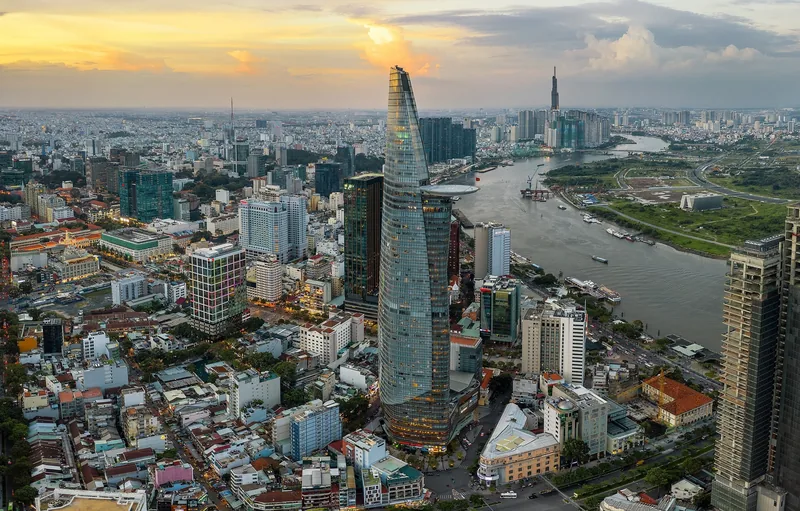
Travel guide
Travel guide
Practical guides to visas, weather, money and transport.
View this journey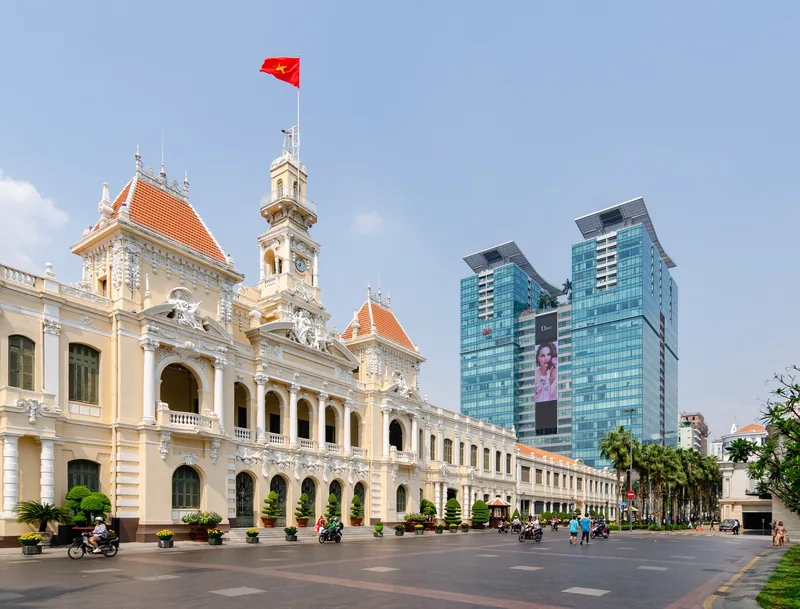
Start planning
Tell us about the trip you have in mind
Dates, party size and the places you care about are enough to start. You get a draft route and an indicative price, not a brochure.
Or talk to us:+84 766 045 399