 Tours out of Ho Chi Minh City and across Vietnam
Travel guide
One bag for a country with three climates
Pack for heat, add layers if you are going north in winter, and leave space. Laundry is cheap and quick everywhere, and most things you forget are easy to buy here.
Overview
Start with the route
We review this list twice a year, before the northern winter and before the southern wet season, and add anything our travellers tell us they wished they had brought. It assumes a two- to three-week trip with some internal flights.
The right bag for Vietnam depends on which of its three climates you will be in. A trip to Saigon, the delta and Phu Quoc needs nothing warmer than a light long-sleeved shirt. A trip through Hanoi and the mountains between December and February needs a proper jacket. A full-length route in winter needs both, which is why layers beat bulky single items.
Keep it light. Domestic airlines are strict on baggage allowances, boats and sleeper trains have little space, and laundry services turn clothes round in a day in almost every town. Seven days of clothes is enough for three weeks.
Clothes
Clothes
Shoes
Shoes
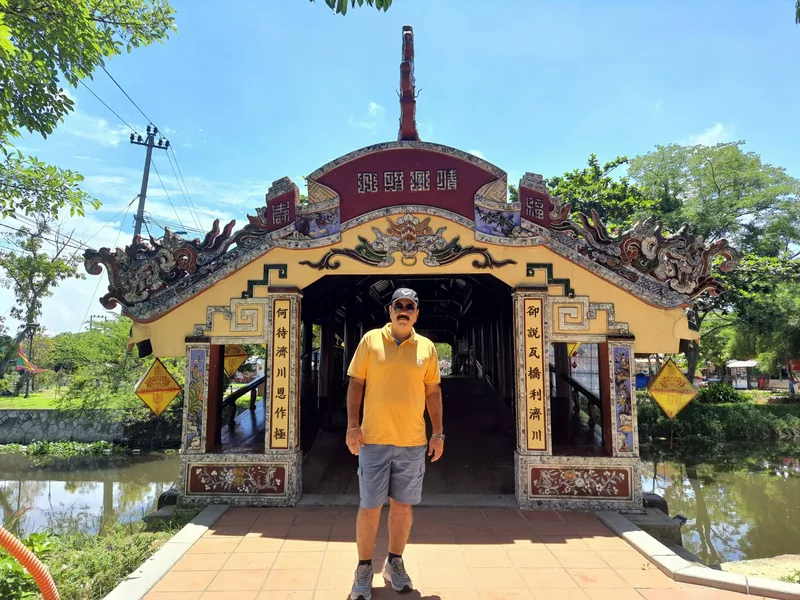
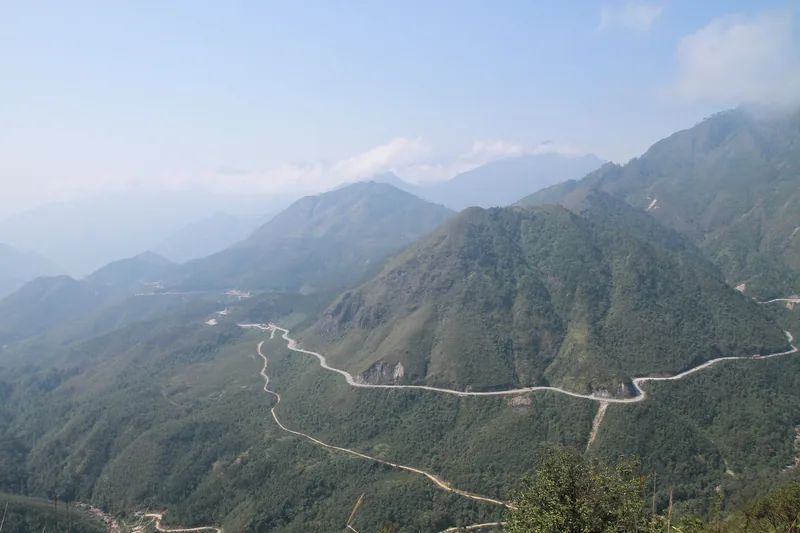
Two pairs are enough for most trips. Comfortable walking shoes or trainers that you have already worn in, and sandals that slip on and off easily, because you remove your shoes at temples, in homes and at some shops and guesthouses. For trekking in Sapa, Ha Giang or Pu Luong, add proper walking shoes with grip, as trails turn to slippery mud after rain. In the delta and on boats, sandals that can get wet are the right thing.
Checklist
The small things that matter
- Your passport, printed e-visa or entry details, and copies stored separately.
- Any prescription medicines, in original packaging, for the whole trip.
- Insect repellent and high-factor sunscreen; good brands are available in the cities but cost more.
- A universal plug adapter and a power bank for long road days.
- A small day bag that closes, worn across the body in the cities.
- A reusable water bottle; many hotels have refill stations.
- Earplugs and an eye mask for overnight trains and boats.
- A basic first-aid kit with plasters, antiseptic and rehydration salts.
Buy locally
What to buy here instead
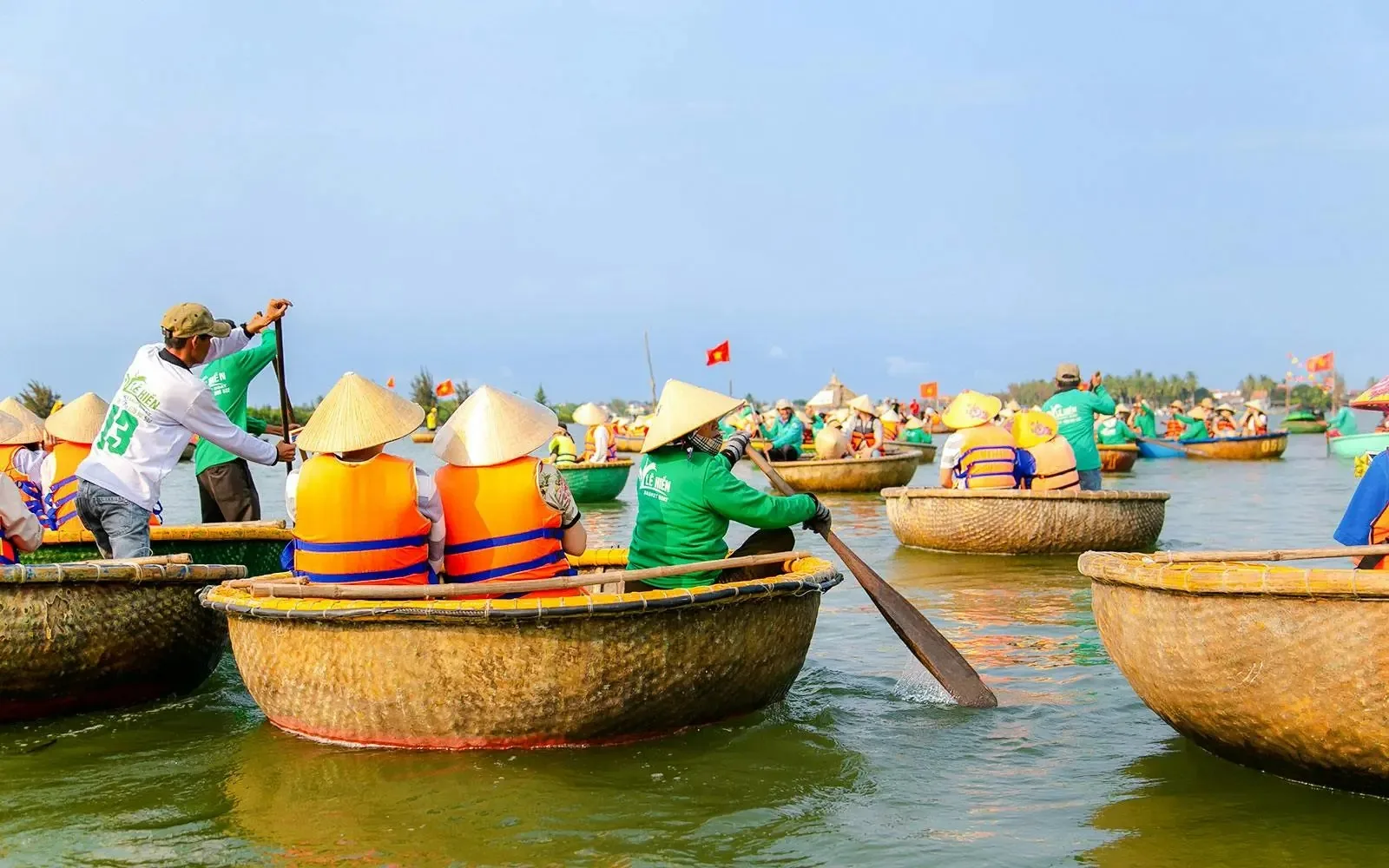
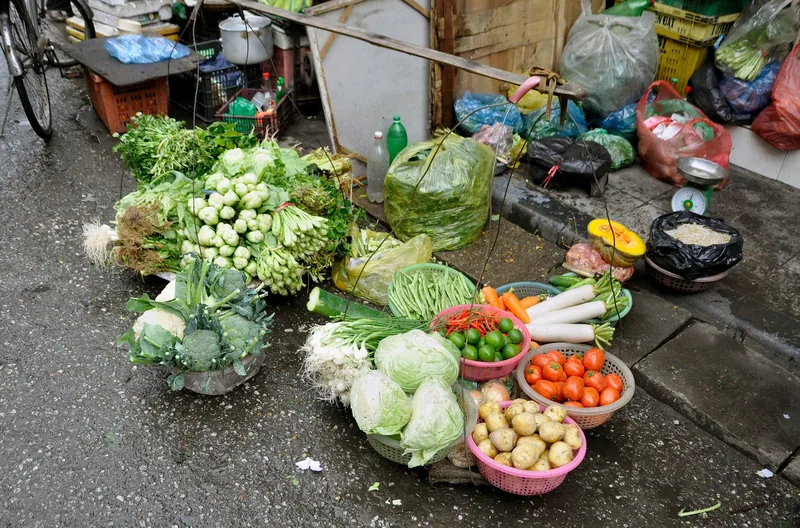
Plenty of things are easier, cheaper or better bought on arrival. Rain ponchos are sold on every street corner when the rain starts. Conical hats, light cotton clothes and sandals are in every market. Hoi An’s tailors make clothes to measure in a day or two, so some travellers deliberately arrive with half-empty bags. Basic toiletries, rehydration salts and simple medicines are everywhere. What is harder to find: sunscreen and repellent in the brands you know, large clothing and shoe sizes, and specialist trekking gear.
Leave behind
What to leave at home
- Heavy jeans for the south: they never dry and you will not wear them.
- More than one smart outfit; very few places here expect it.
- Valuable jewellery, which only adds worry.
- A large hard suitcase if your route includes sleeper trains, boats or the mountains; a soft bag fits better.
The test we suggest is to pack, then lift the bag and carry it up two flights of stairs. Guesthouses in Hoi An and the mountains rarely have lifts, boat gangways are narrow, and a porter is not always there. If it is hard at home, it will be harder in 34 degrees on a riverbank in the delta.
Common questions
Questions travellers ask most
Can I wear shorts in Vietnam?
Yes, in towns, on the beach and on most tours. Cover shoulders and knees at temples, pagodas and some palace sites, and when visiting homes in the countryside.
Suitcase or backpack?
Either, as long as it is not huge. On a private tour with us the car takes a suitcase easily. On trains, boats and mountain roads a soft bag is easier to handle.
Is laundry easy to find?
Very. Almost every hotel offers it, and small laundries in every town wash, dry and fold by weight, usually the same or next day.
Related
Read next
Travel guide
When to go
Weather by region and month, with what it changes on a route.
View this journey
Travel guide
Health
Vaccines, mosquitoes, heat, pharmacies and doctors.
View this journey
Travel guide
Etiquette
Temples, homes, dress codes and the two real offences.
View this journey
Travel guide
Money and tipping
Dong, ATMs, cards and what tipping actually is here.
View this journey
Travel guide
Travel guide
Practical guides to visas, weather, money and transport.
View this journey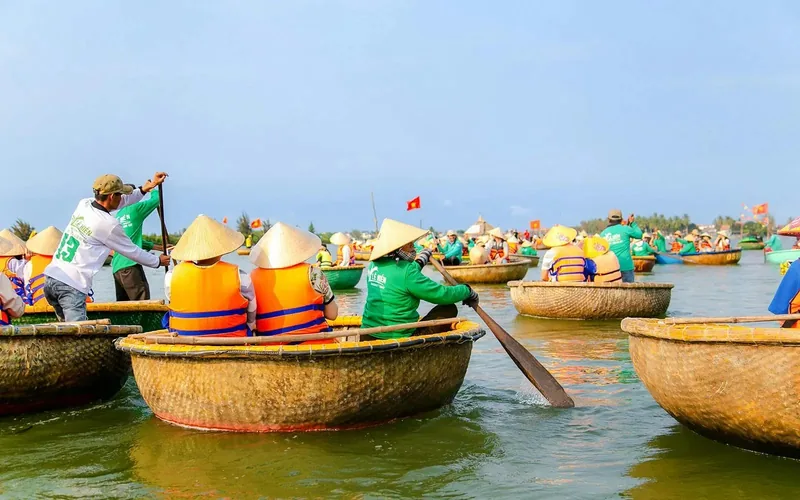
Start planning
Tell us about the trip you have in mind
Dates, party size and the places you care about are enough to start. You get a draft route and an indicative price, not a brochure.
Or talk to us:+84 766 045 399