 Tours out of Ho Chi Minh City and across Vietnam
Travel guide
Three climates, twelve months, one itinerary
The south is hot all year and wet in the afternoons from May. The centre is dry through summer and stormy in autumn. The north has a real winter. A route has to fit all three, or leave one out.
Overview
The short version
Weather is the least changeable thing on this site, so we review this page twice a year, after the central storm season and after the northern winter, and adjust it if a season has run noticeably early or late. The Tet dates are checked every year.
Vietnam is 1,650 kilometres long and crosses three climate zones. When the south is at its best, Hanoi is cold and grey. When the north is clear and warm, the south is having afternoon downpours. When the centre has its best sea, the north is at its wettest. There is no month in which all three are ideal, and a good trip starts by accepting that.
If your dates are flexible, choose the region first and the month from it. If your dates are fixed, let them choose the route: that usually means leaning into one or two regions and spending less time in the third, not cancelling anything.
● ideal · ◐ workable · ○ poor. The same scores we use on the destinations pages. Central Vietnam’s storm season peaks in October and November.
South
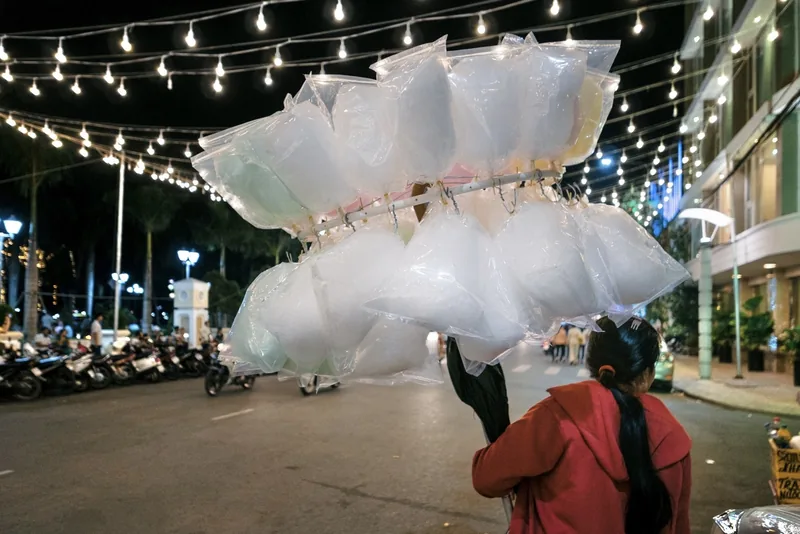
The south: Saigon, the delta and Phu Quoc
The south has two seasons and both are warm. The dry season runs from December to April, with December and January the most comfortable and March and April the hottest weeks of the year, often 34 to 35 degrees by midday. The wet season runs from May to November. It rarely means a grey day of drizzle; it means a heavy downpour for an hour or two in the afternoon, then a washed street and a cooler evening.
We run delta and Cu Chi day trips all year and the rain changes the order of the day more than the day itself: boats in the morning, lunch under a roof, the drive back while it pours. Phu Quoc is the exception worth planning around. Its west coast gets rough seas and more rain from roughly June to September, and the best island months are November to April.
Centre
The centre: Hoi An, Hue and Da Nang
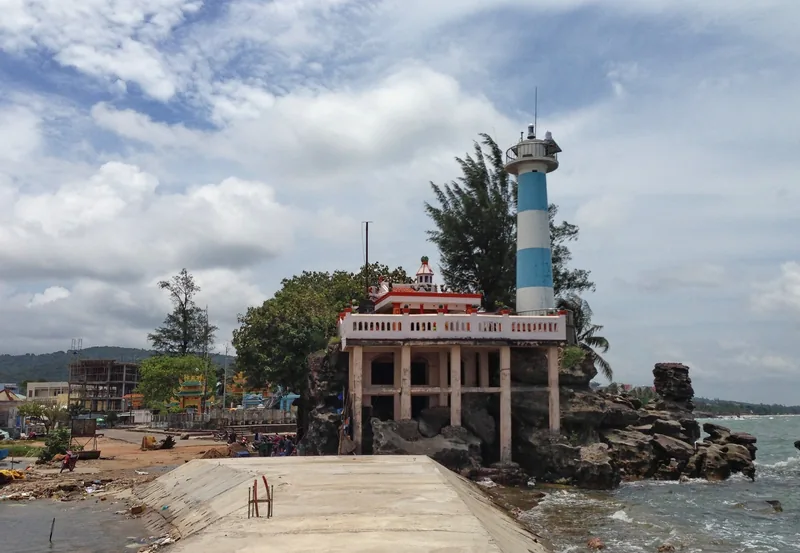
Central Vietnam runs on a different calendar. February to August is mostly dry, with spring pleasant and June to August hot and bright, when the sea at Da Nang and Hoi An is at its calmest. From September the rain comes, and October and November are the heart of the storm season: typhoons from the South China Sea, heavy rain against the mountains, and floods in Hoi An’s old town most years, usually for a day or two at a time.
December and January are cool, often overcast and changeable rather than stormy. Hue in particular can be damp and grey for days. Travelling in the storm months is possible and cheaper, but keep the central section of a route flexible, with an extra night that can absorb a cancelled flight or a closed road over the pass.
North
The north: Hanoi, the bays and the mountains
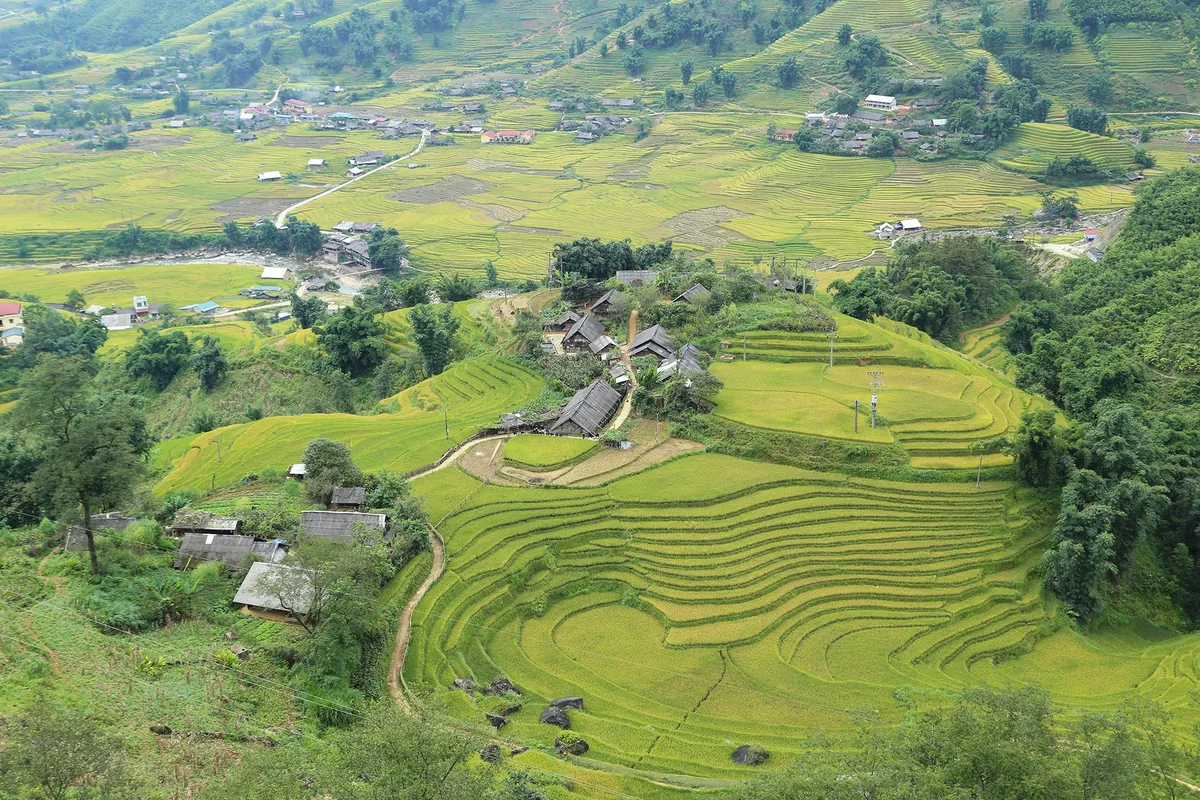
The north has four seasons, and its winter surprises people. From December to February Hanoi sits at 12 to 20 degrees under a low grey sky with a fine drizzle, and the mountains at Sapa and Ha Giang can drop close to freezing at night. Visibility on the bays is often poor in these months. March to May is the best window, warming steadily with clear days, and October and November are excellent again: dry, mild and golden on the terraces.
June to August is hot, humid and the wettest part of the northern year. The rice terraces are green and the landscape at its fullest, but mountain roads can be closed by landslides and cruises on Ha Long and Lan Ha are occasionally cancelled for storms. September is the harvest month in the northern valleys, and the one we most often recommend for photography there.
Holidays
Tet, and the other dates that move a trip
Tet, the lunar new year, falls in late January or February and moves every year; in 2027 it falls in early February. For about a week around it the country goes home. Transport is full in the days before, many family-run restaurants and shops close for three to five days, and hotel rates rise at the beach. It is a fascinating time to see the country, and a poor time for an efficient sightseeing route. If Tet falls in your dates, tell us and we will plan around it.
| Period | What happens | What it means for you |
|---|---|---|
| Tet (late Jan or Feb) | National holiday, a week of closures | Book early, expect quiet cities and full trains |
| 30 April and 1 May | Long weekend, domestic travel peak | Beaches and Da Lat busy; book ahead |
| June to August | Vietnamese school holidays | Coast crowded at weekends |
| 2 September | National Day | Short holiday; transport busy |
| Late December | International peak | Hotels at their highest rates |
Planning
Matching a route to your dates
For a first trip covering the whole length, late February to April is the safest bet. For a trip to one region, pick that region’s best months from the panel above and ignore everything else on this page.
Common questions
Questions travellers ask most
Should I avoid the rainy season altogether?
Not in the south. Rain there comes in short afternoon bursts and prices are lower. The central storm season in October and November is the one to plan carefully, with spare time built in.
Is it cold in Vietnam?
In the north in winter, yes. Hanoi in January needs a jumper and a jacket, and the mountains need warm layers at night. The south never gets cold.
What is the best single month for a full-length trip?
March, with April close behind. Late February works too if Tet has passed.
Related
Read next

Travel guide
Packing
Clothes, shoes, rain gear, temple dress and what to buy here.
View this journey
Travel guide
Getting around
Flights, trains, buses, apps and real road times.
View this journey
Vietnam
Vietnam
The three regions, and how to combine them.
View this journey
Destinations
Destinations
Where to go in Vietnam and the neighbours, with nights and timing.
View this journey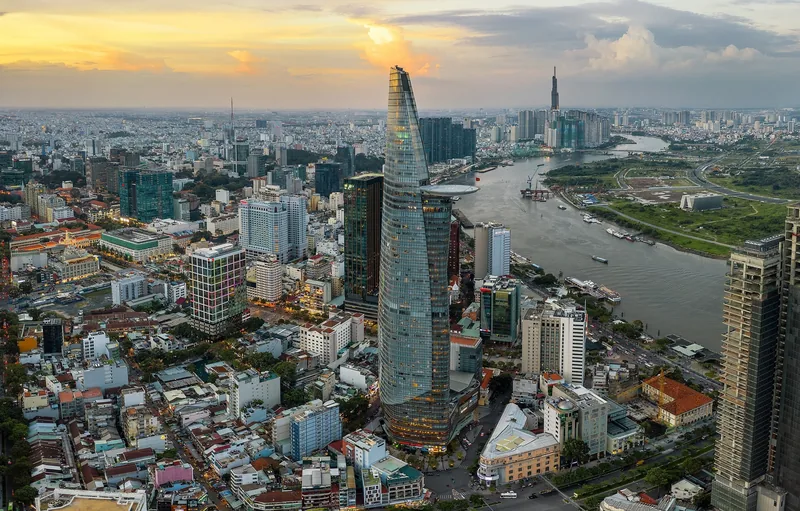
Travel guide
Travel guide
Practical guides to visas, weather, money and transport.
View this journey
Start planning
Tell us about the trip you have in mind
Dates, party size and the places you care about are enough to start. You get a draft route and an indicative price, not a brochure.
Or talk to us:+84 766 045 399