 Tours out of Ho Chi Minh City and across Vietnam
Travel guide
Manners in Vietnam: what matters and what is forgiven
Visitors are forgiven almost everything here, and it is worth knowing the short list of things that are not. This is that list, plus the dress rules at the few places that actually enforce them.
Start here
Most of it is forgiven, some of it is not
We review this page twice a year and after any change in the dress rules at the Ho Chi Minh Mausoleum, the Hue citadel or the main pagodas, which our guides report back to the office as they see them.
Vietnamese people are generous about foreigners getting things wrong. Nobody expects you to know which hand to pass a cup with, and a smile and an apology cover most small mistakes. Guides spend much of their working lives smoothing over the minor ones without the traveller ever noticing.
What follows is sorted by how much it matters. The first half is about places — pagodas, homes, memorial sites — where a small effort is noticed and appreciated. The second half is about the two things that genuinely offend, and about politics, which is less a matter of manners than of not putting the people around you in an awkward position.
Temples
Pagodas, temples and family shrines
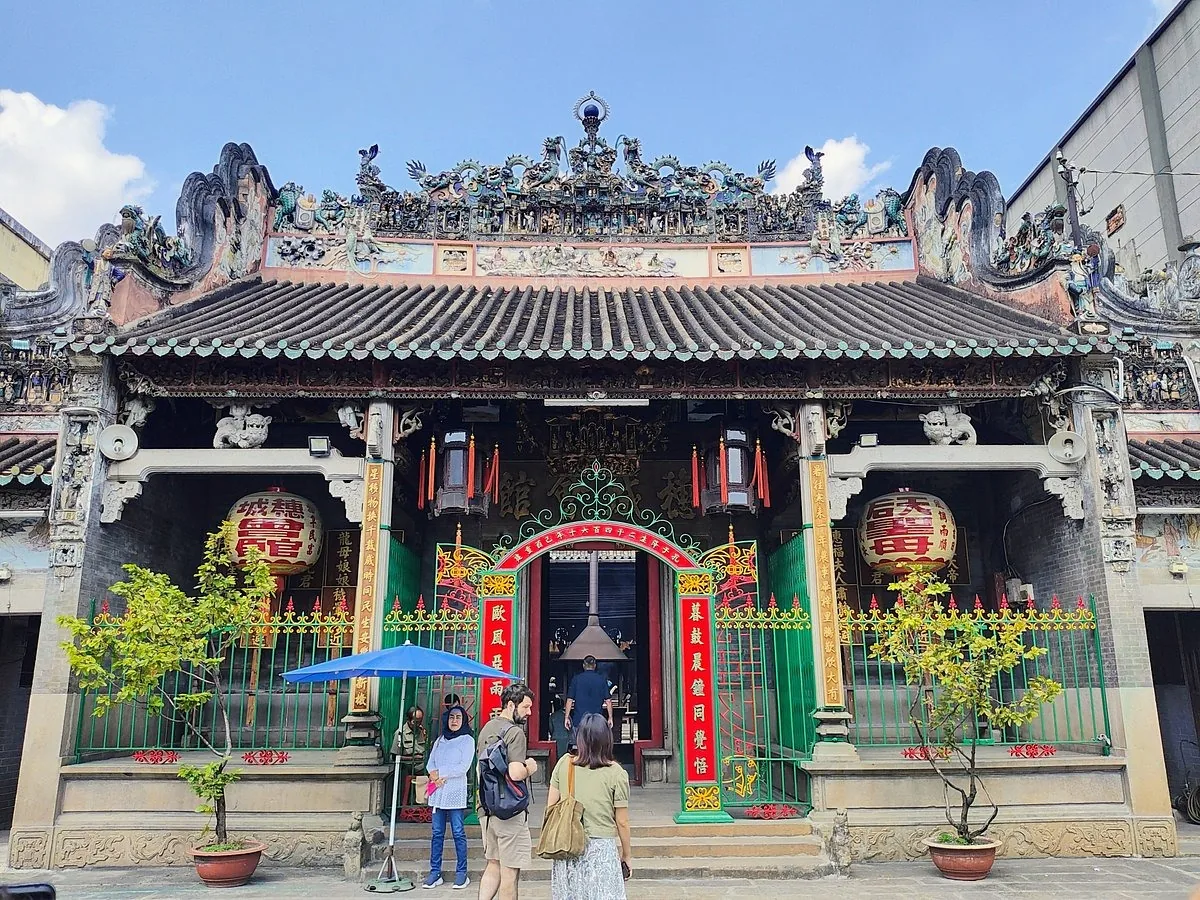
Most pagodas in Vietnam are Mahayana Buddhist, often mixed with ancestor worship and local spirits, and they are working buildings rather than monuments. People come in on the way to work, light incense, bow three times and leave. You are welcome to walk in; you are a guest in someone else’s prayer.
- Take your shoes off where you see others doing it, usually at the step into the main hall. Courtyards are almost always fine in shoes.
- Do not point your feet at an altar or a Buddha image when you sit, and do not climb on statues or railings for a photograph.
- Walk around people who are praying rather than between them and the altar, and keep your voice at conversation level.
- Lighting incense is fine if you are invited to; nobody expects a donation, although the box by the door is there if you want to use it.
- In Cambodia and Laos, where the Buddhism is Theravada and monks are more numerous, women should not touch a monk or hand him something directly — place it down, or pass it through a man.
The Cao Dai Holy See at Tay Ninh, which many of our Cu Chi days combine, has its own rules: shoes off inside, no walking through the central nave, and during the noon service visitors watch from the upper gallery. The guide will show you where to stand.
Dress
Dress at the places that check
Across most of Vietnam nobody will comment on what you wear. A handful of places do check, and the rule everywhere is the same: shoulders and knees covered. A light scarf and a pair of trousers or a long skirt in a day bag solve every case on this list.
| Place | What is expected | What actually happens |
|---|---|---|
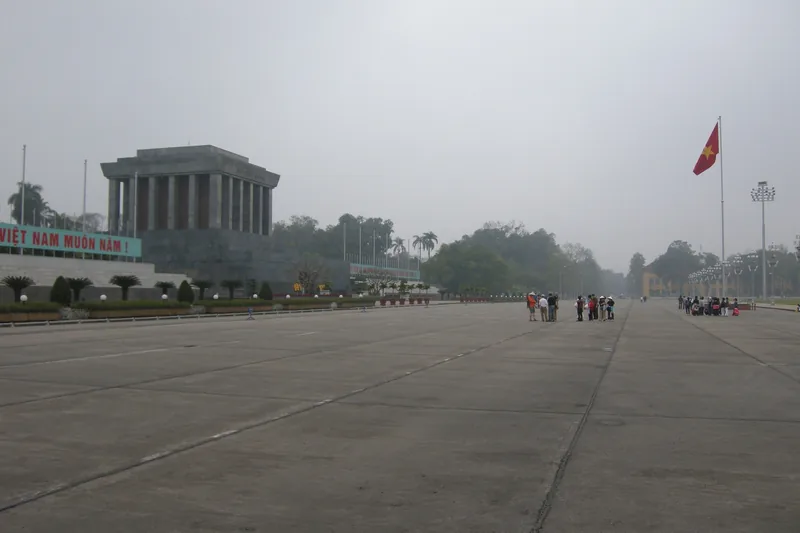
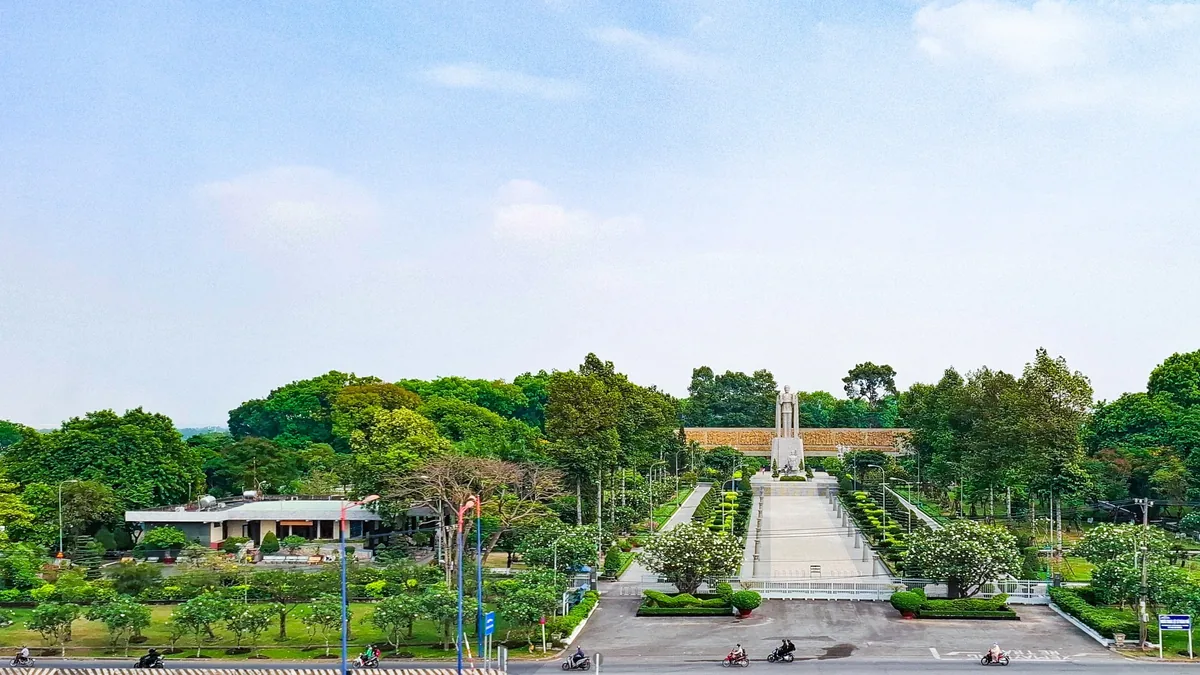
| Ho Chi Minh Mausoleum, Hanoi | Shoulders and knees covered, no hats, hands out of pockets, silence, no cameras inside | Guards turn people away at the entrance and stop anyone talking in the queue |
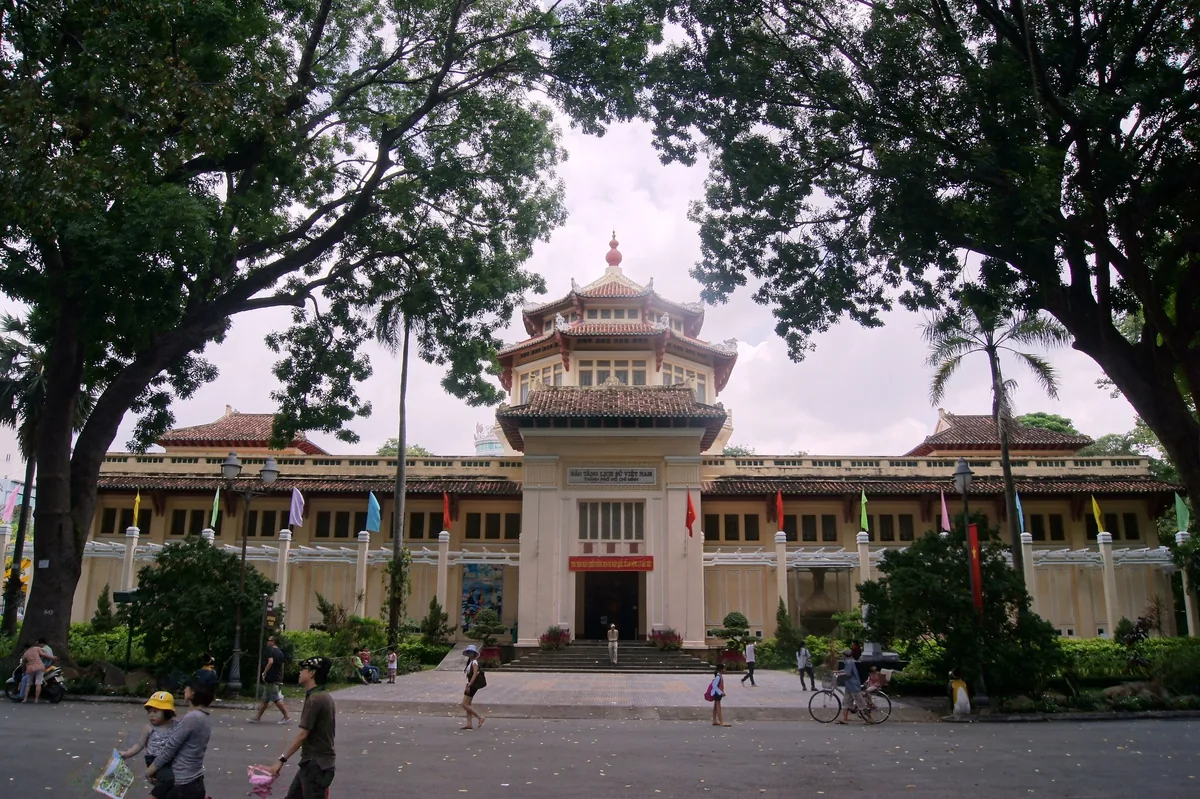
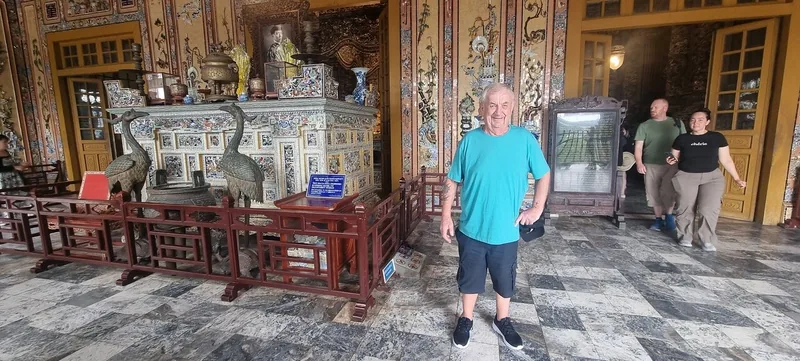
| Imperial citadel, Hue | Modest dress, especially in the temples and halls | Very short shorts and vest tops can be refused at some buildings |
| Major pagodas everywhere | Shoulders and knees covered | Rarely enforced, but noticed |
| Angkor, Cambodia (upper levels) | Shoulders and knees covered | Strictly enforced at the top of Angkor Wat |
| Royal Palace, Luang Prabang | Shoulders and knees covered | Enforced at the door; wraps are sometimes available |
The mausoleum usually opens only in the morning, is closed on some weekdays and shuts for maintenance for a period most years. Bags and cameras are checked in before the queue. We confirm the opening days for your date when we build a Hanoi day around it.
Homes
In someone’s home
If you are invited into a home — a delta homestay family, a guide’s relatives at Tet, a cooking class in a private kitchen — a few habits make the visit easier for everyone.
- Shoes off at the door, always. Look for the pile of sandals.
- Bring something small: fruit, biscuits or tea. Give and receive with both hands.
- Wait for the eldest person at the table to start eating, and let your host put food into your bowl; it is hospitality, not a hint.
- Do not leave chopsticks standing upright in rice. It looks like the incense on a funeral altar.
- If there is drinking, the toast comes round many times. You can hold up a glass of water or tea and nobody will mind.
- The family altar is the most important object in the house. Do not put things on it, lean against it or photograph it without asking.
Body language
Heads, feet, hands and affection
What really matters
The two things that cause genuine offence
The first is public anger. Raising your voice at a driver, a waiter or a receptionist makes them lose face in front of their colleagues, and it almost never gets the problem solved; it usually makes the person you are shouting at less able to help. Ask quietly, then ask the guide or call our line. Problems get fixed faster that way, every time.
The second is disrespect towards the dead. Altars, graves in rice fields, war cemeteries and memorials are treated seriously across the whole country. Sitting on a tomb for a photograph, joking at a memorial or treating an ancestral altar as a prop will offend people who would forgive you anything else.
Conversation
Politics, the war and conversation
Vietnam is a one-party state, and public criticism of the government or of Ho Chi Minh is unwise for visitors and difficult for the Vietnamese people around them. Guides will talk about history openly, including the war, and many will tell you about their own families. They will usually steer away from current politics in public, and it is kind to let them.
The war is called the American War here, and people discuss it without much heat; most of the population was born long after it ended. Questions that feel personal elsewhere — your age, whether you are married, how many children you have, what you earn — are ordinary small talk. Answer what you like and laugh off the rest.
Common questions
Questions travellers ask most
Do I need to cover up everywhere in Vietnam?
No. Shorts and T-shirts are normal in the cities and on the coast. Carry something that covers shoulders and knees on days that include the mausoleum, the Hue citadel, big pagodas or Angkor.
Should I tip as a way of being polite?
Tipping is appreciated rather than expected, and it is covered in our money guide. It is not an etiquette issue; not tipping offends nobody.
Is it rude to refuse food or drink in a home?
Not if you do it with a smile. Take a little of everything if you can, leave a little in the bowl when you are full, and nobody will press you.
Can I talk about the war with my guide?
Yes. Guides expect the questions and most answer them well. Keep the conversation about history rather than present-day politics, especially in public places.
Related
Read next
Travel guide
Photography
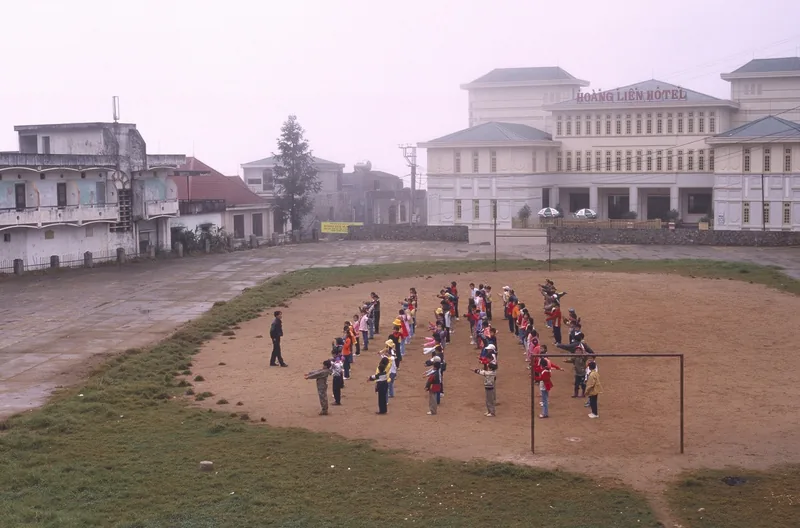
Light, seasons, consent, temples and drone rules.
View this journey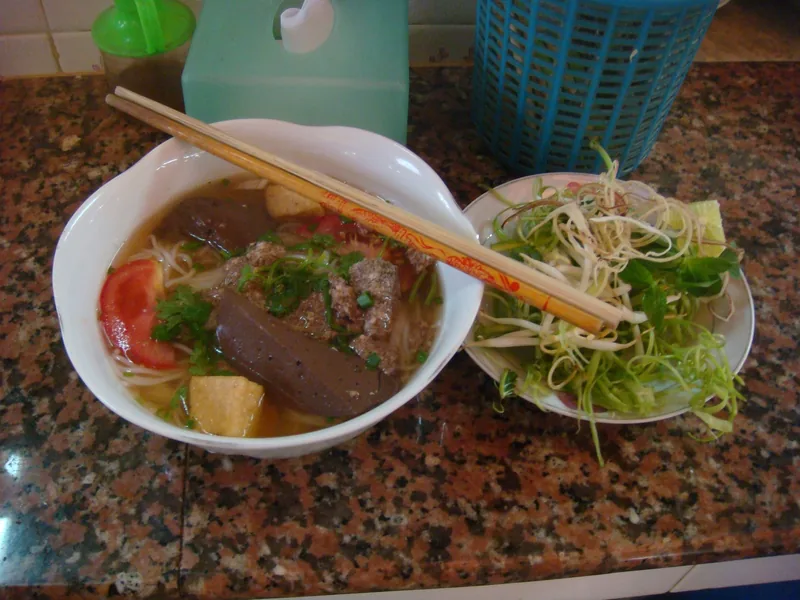
Travel guide
Food and eating
Regional dishes, street food sense, allergies and water.
View this journey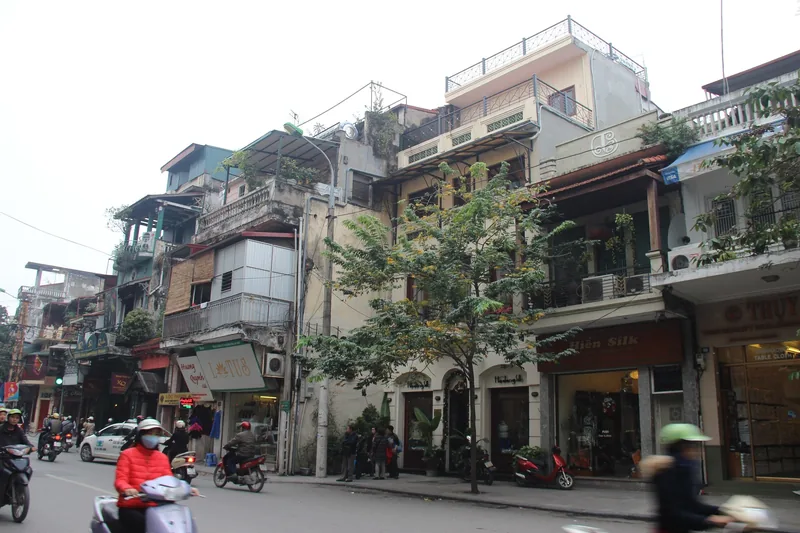
Northern Vietnam
Hanoi
The capital: Old Quarter, food, and the northern base.
View this journey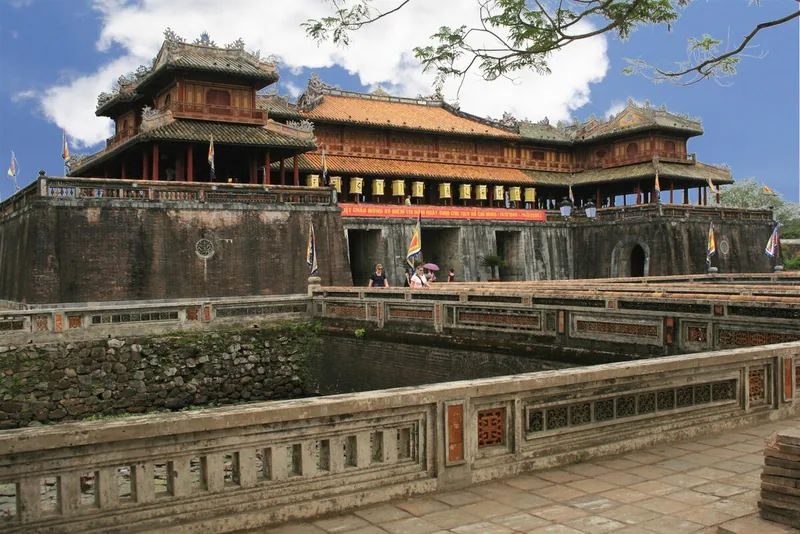
Central Vietnam
Hue
Citadel, royal tombs, and Vietnam’s most particular cuisine.
View this journey
Travel guide
Travel guide
Practical guides to visas, weather, money and transport.
View this journey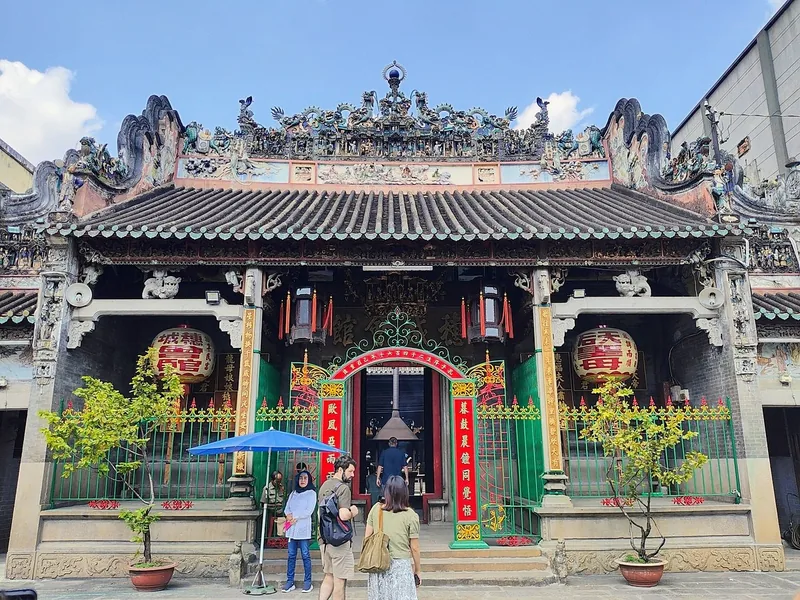
Start planning
Tell us about the trip you have in mind
Dates, party size and the places you care about are enough to start. You get a draft route and an indicative price, not a brochure.
Or talk to us:+84 766 045 399