 Tours out of Ho Chi Minh City and across Vietnam
Travel guide
Photographing Vietnam without upsetting anyone
Vietnam is easy to photograph badly at noon and easy to photograph well at six in the morning. The other half of this page is about people: who is happy to be photographed, who is not, and how to tell.
Light
Light first, places second
Reviewed twice a year, and after any change we hear of in the rules on cameras at memorial sites or on drones, which we check with our partners in the north.
Vietnam is close to the equator in the south and the sun climbs fast. In Saigon and the delta the useful light is from about half past five to half past eight in the morning and the last hour before sunset, which falls between roughly half past five and a quarter past six depending on the month. Between those, the light is flat and hard, and the heat makes people less willing to be photographed.
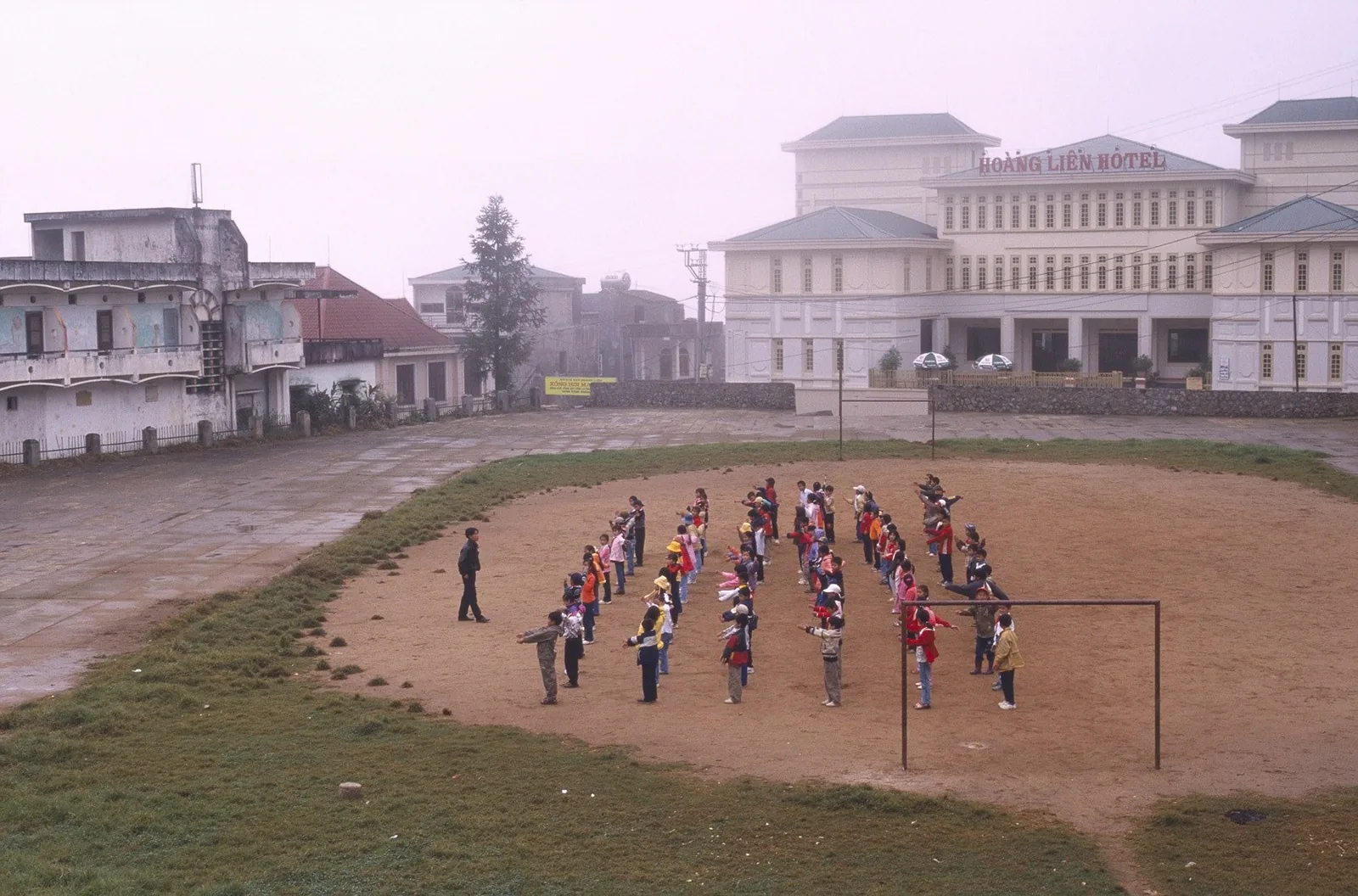
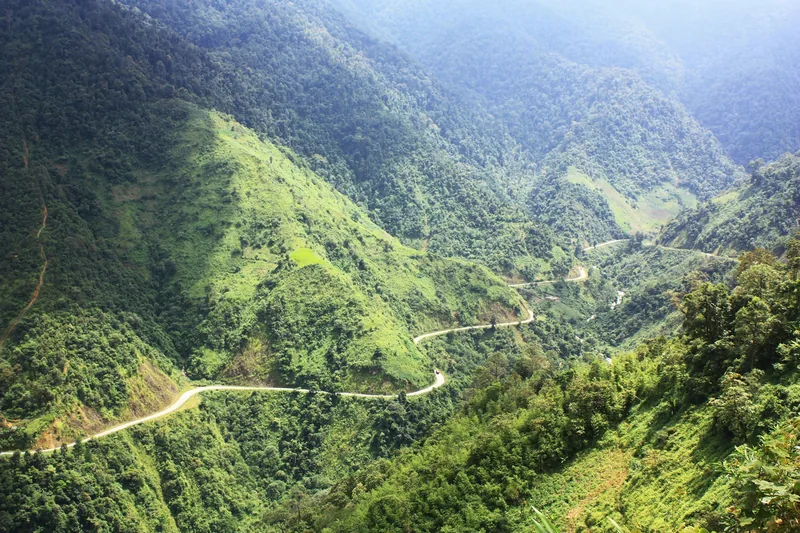
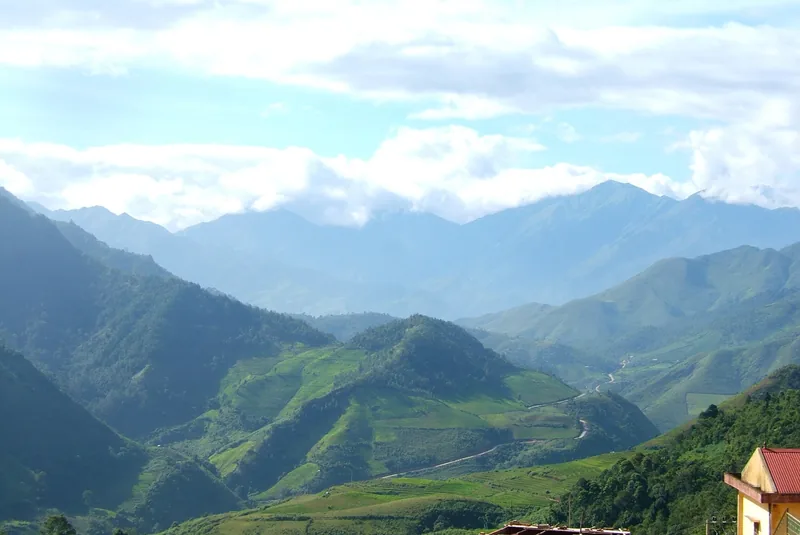
The north is different: winter light is soft and often grey, with mist in the valleys that lifts mid-morning, and the mountains are best in clear autumn weeks. Plan the photographs you care about around the light and put museums and lunch in the middle of the day.
Seasons
The seasons that photographers ask about
| Subject | Best time | Notes |
|---|---|---|
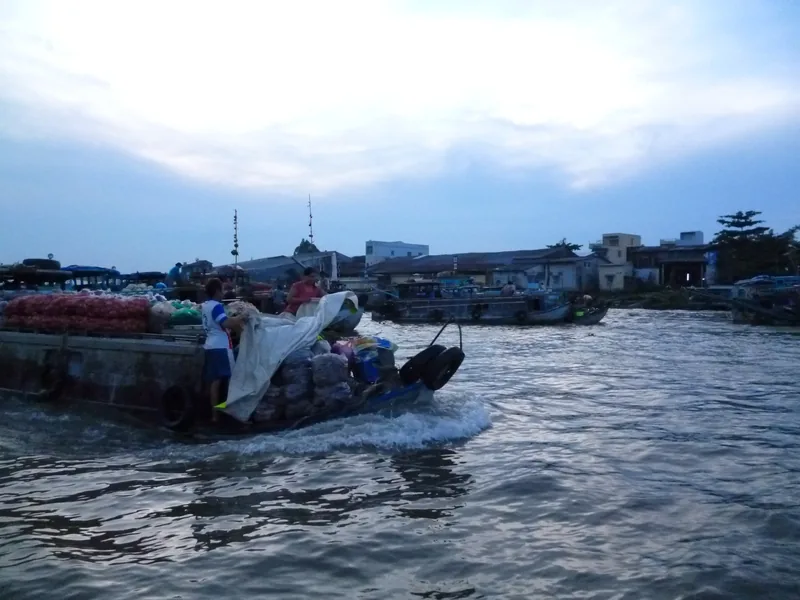
| Floating market, Cai Rang (Can Tho) | Dawn, all year | The wholesale boats trade from about half past five; by eight it is tourist boats |
| Rice terraces, Sapa and Mu Cang Chai | Green in June and July, gold from mid-September to early October | Harvest dates move a week or two each year |
| Ha Giang | October and November | Buckwheat flowers and clear air; roads busy at weekends |
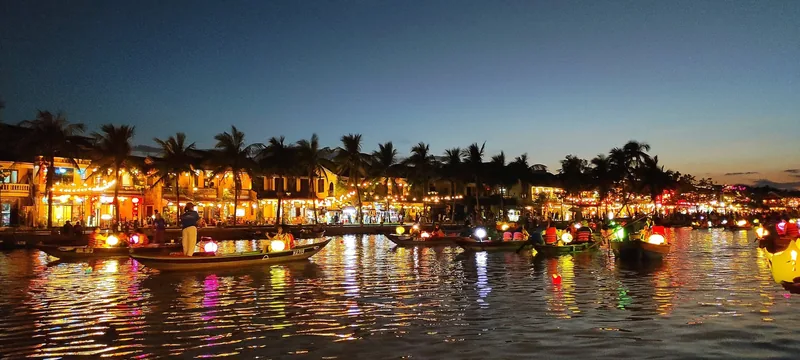
| Hoi An lanterns | Dusk, any month | The river is most photogenic in the half-hour after sunset |
| Ha Long and Lan Ha bays | October to December, and April to May | Winter can be misty for days at a time |
People
Photographing people
Most Vietnamese people are relaxed about cameras, and a smile, a raised camera and a nod are enough to ask. If someone shakes their head, turns away or covers their face, that is the answer. Street vendors are working; if you photograph them at length, buy something.
Close-ups of people praying, of mourners at a funeral procession, and of children without a parent nearby are where we ask travellers to put the camera down. Long lenses from across the street avoid the conversation but not the discomfort; walking over and asking is almost always better and often leads somewhere.
The north
Minority villages in the north
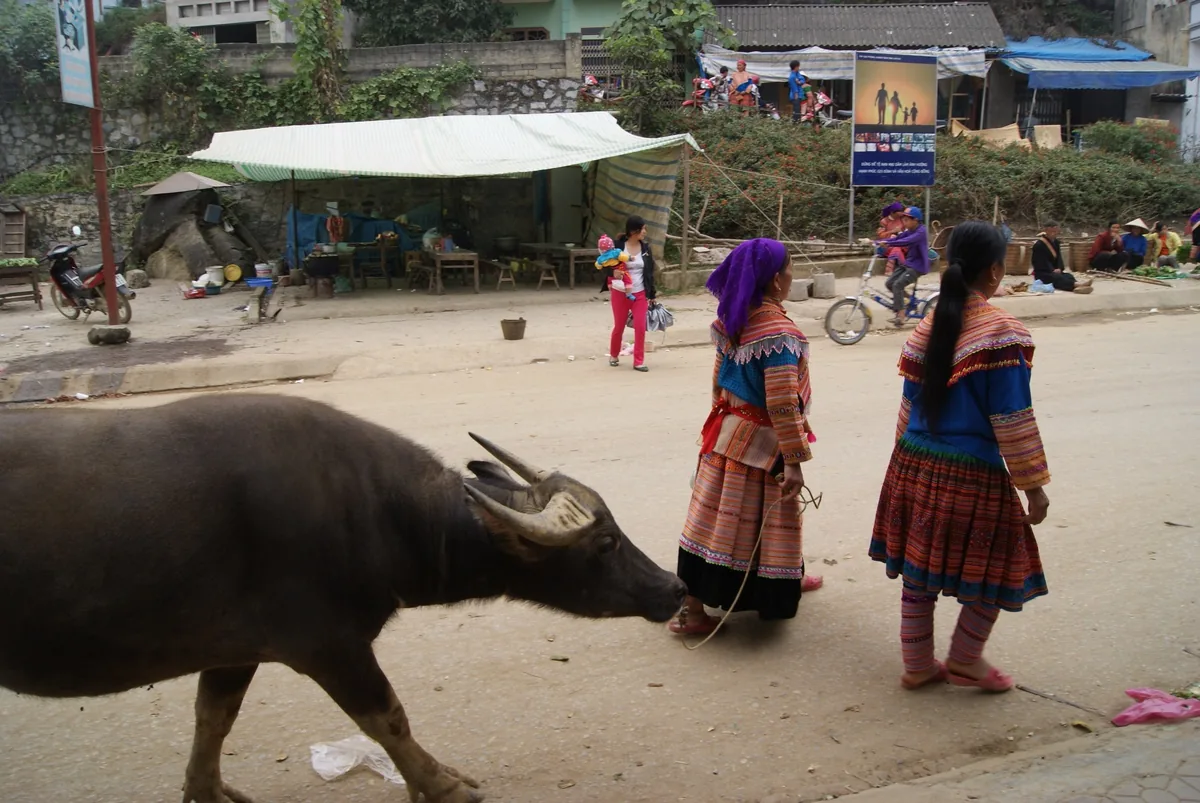
In Sapa, Ha Giang and the markets of the far north, the Hmong, Dao, Tay and other communities have been photographed by visitors for decades, and feelings about it are mixed. Some women selling textiles will pose and expect a purchase in return; others will refuse, and that should end it. Do not pay children to pose. It keeps them out of school and on the tourist trail.
The better photographs come from spending time: a walk with a local guide who knows the family, a meal in a homestay, a market morning where you buy the scarf first. Our guides in the north will tell you when to ask and when not to.
Restrictions
Where cameras are not allowed
- Inside the Ho Chi Minh Mausoleum in Hanoi: no cameras at all; they are checked in before the queue.
- Inside some pagoda halls and shrines, marked with a sign. Where there is no sign, avoid flash and ask.
- Military installations, border posts and airports airside: do not photograph them, including from a car.
- Some museum rooms, marked at the door, and some private homes. Ask before photographing a family altar.
Drones
Drones
Flying a drone in Vietnam legally requires a permit from the military authorities, applied for in advance with details of the aircraft, the pilot, the place and the time. Flying without one can mean confiscation and a fine, and it is not a grey area near airports, borders, military sites or cities. Some drones have also been held at customs on arrival.
We do not arrange drone permits and we cannot ask our guides to help fly one without a permit. If aerial photography matters to your trip, apply well in advance through a licensed local service and tell us the dates, so the itinerary can be built around the permit rather than the other way round.
Kit
Kit that survives the climate
Humidity is the main enemy. Lenses fog when you step from an air-conditioned car into the heat; give them ten minutes in a closed bag. Carry silica gel, a microfibre cloth and a rain cover for the wet season, and a dry bag on any boat.
Common questions
Questions travellers ask most
Is it rude to photograph people in Vietnam?
Not if you ask first, with a gesture if you do not share a language, and accept a refusal. It is rude to photograph people who are praying or grieving, or to keep going after someone has said no.
Can I bring a drone to Vietnam?
You can try, but flying it legally needs a military permit applied for in advance, and drones are sometimes held at customs. We do not arrange permits.
What time should I be at the floating market for photographs?
On the water by half past five. The wholesale trading thins out quickly after seven.
Do you run photography trips?
Yes. Our photography collection builds routes around the light, with early starts written into the plan.
Related
Read next
Themes
Photography
Built around light, with the early starts spelled out.
View this journey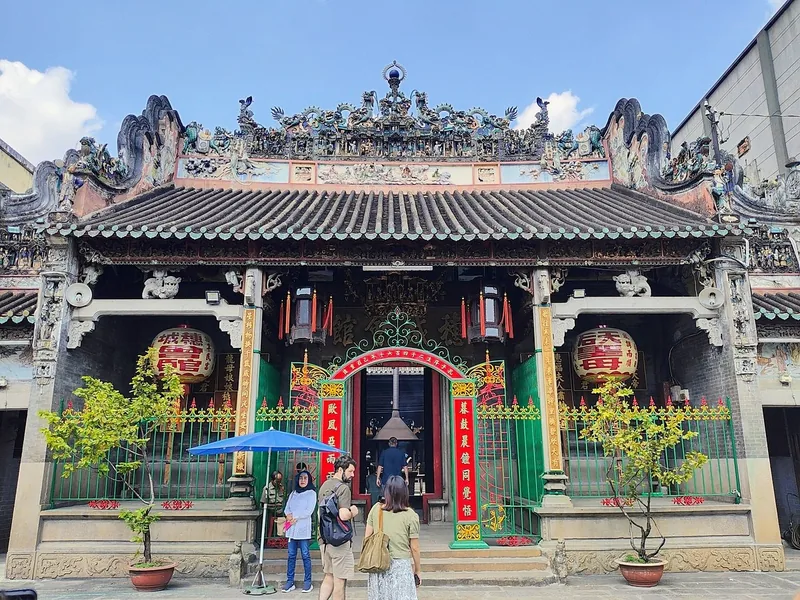
Travel guide
Etiquette
Temples, homes, dress codes and the two real offences.
View this journey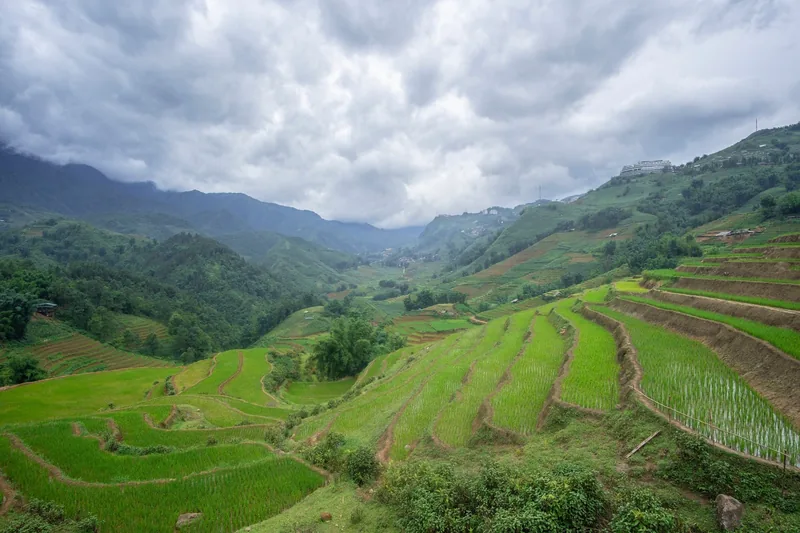
Northern Vietnam
Sapa
Terraced valleys, homestays and honest advice about the town.
View this journey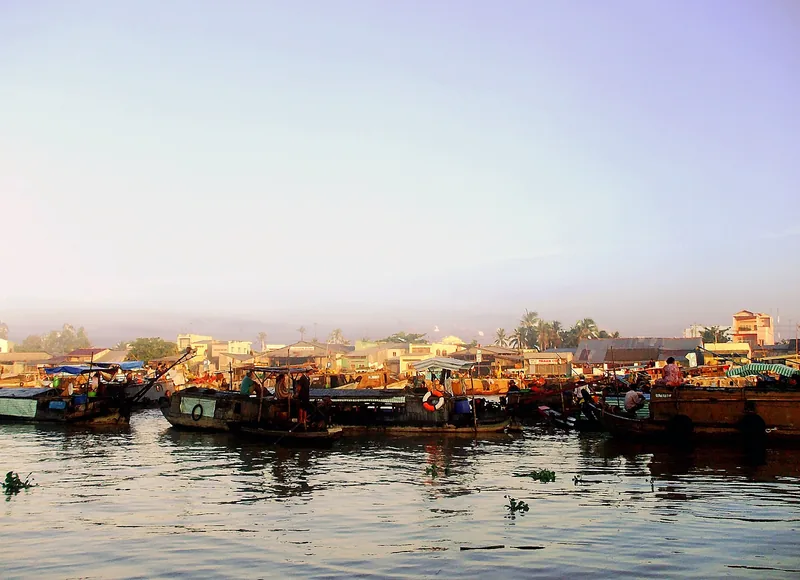
Mekong Delta
Can Tho
The delta base: Cai Rang, canals and a real night market.
View this journey
Travel guide
Travel guide
Practical guides to visas, weather, money and transport.
View this journey
Start planning
Tell us about the trip you have in mind
Dates, party size and the places you care about are enough to start. You get a draft route and an indicative price, not a brochure.
Or talk to us:+84 766 045 399