 Tours out of Ho Chi Minh City and across Vietnam
Themes
Planned for the light, not the ticket office
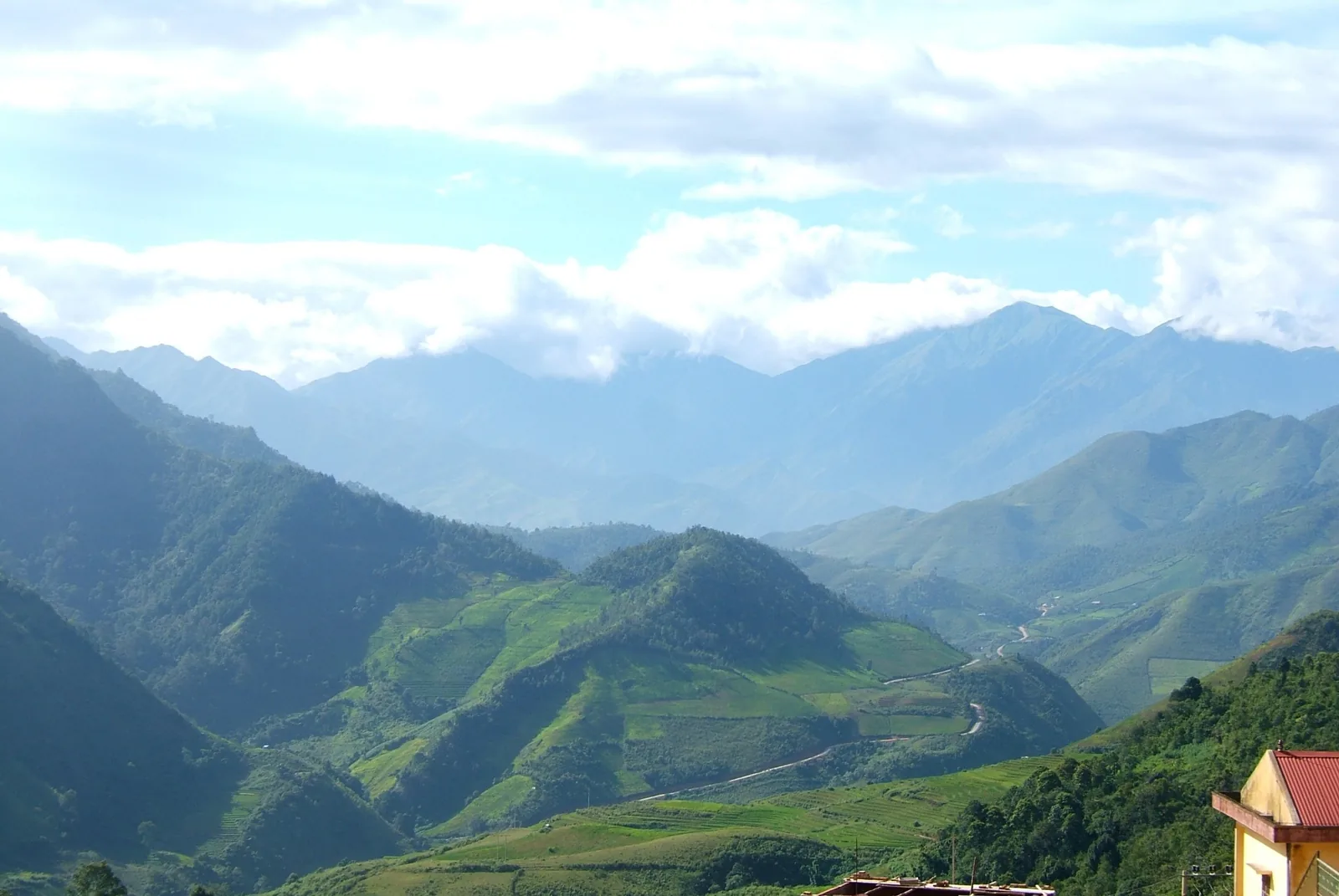
A photography trip moves the day to the edges: the hour after sunrise and the hour before dark. We build routes around that, with the right months for each landscape and guides who understand why you have stopped.
Overview
What changes when light comes first
The ordinary tourist day runs from nine to five, which is exactly when the light in the tropics is flattest and harshest. A photography trip inverts it. We plan the first outing for half an hour before sunrise, a long break from eleven to three, and a second outing that runs into dusk. On a typical day that means leaving at 05:15 in the south, a little later in the northern winter, and eating dinner after dark.
It also means staying close to the subject. A hotel in the right village beats a better hotel an hour away, because an hour away turns a dawn shoot into a 04:00 alarm. In Ninh Binh we stay among the karsts rather than in the town; in Sapa we sleep in the valley, not the resort town; on the bays we stay aboard so the evening and the morning both happen on the water.
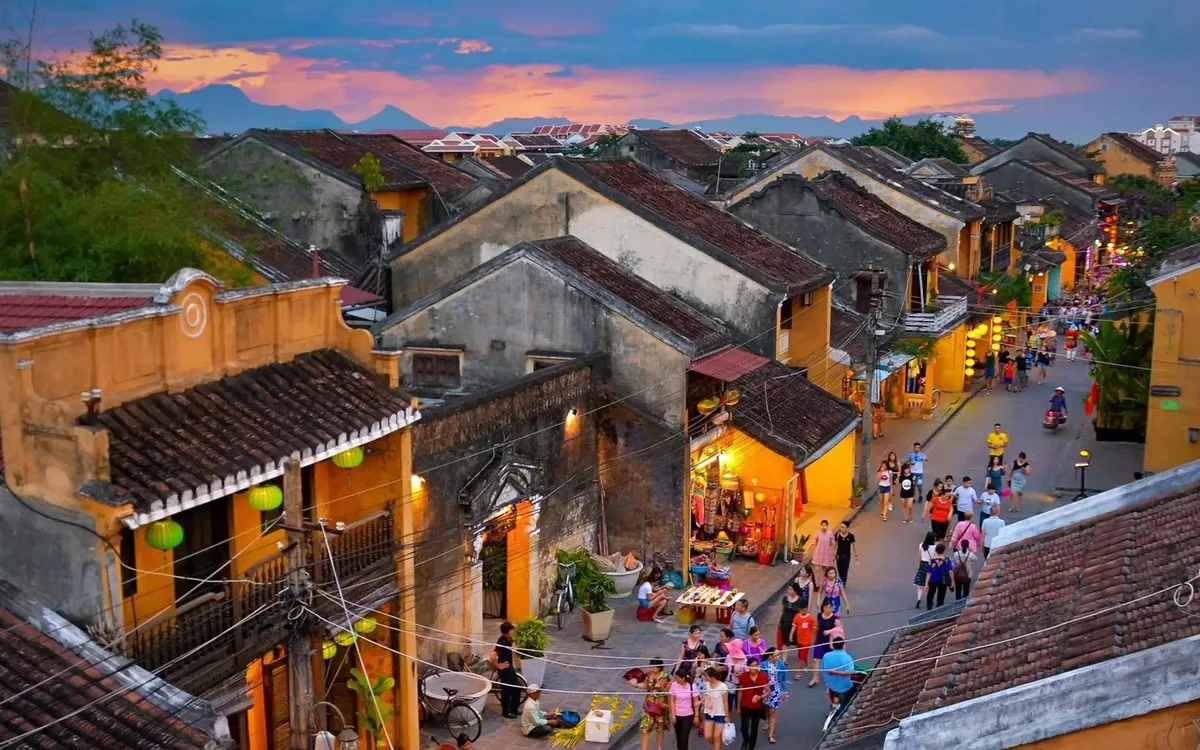 Hoi An in the blue hour, before the crowds arrive for dinner.
The trips
Trips built for the camera
These trips have dawn and dusk written into their timetables. Most can be pushed further towards the light if you tell us that is what you are here for.
Day tour · from USD 69
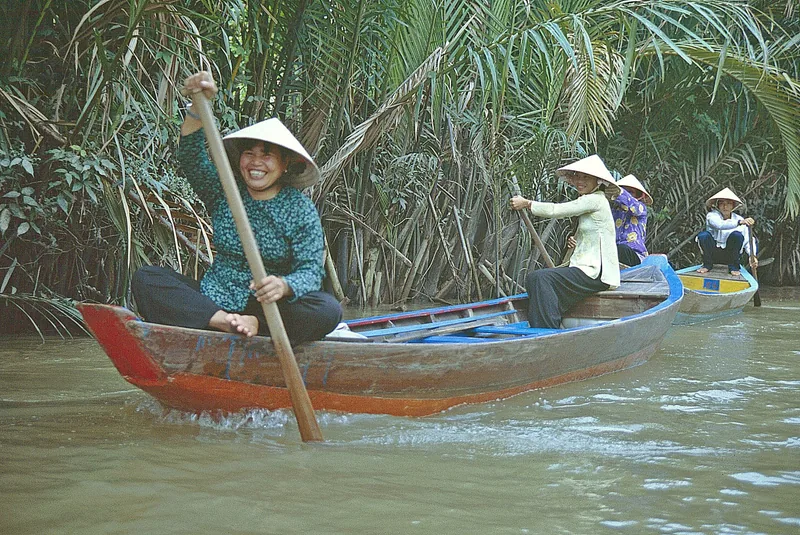
Cai Be and Vinh Long by sampan
Two hours further than most delta days, and the canals get narrower for it.
Day tour · from USD 79
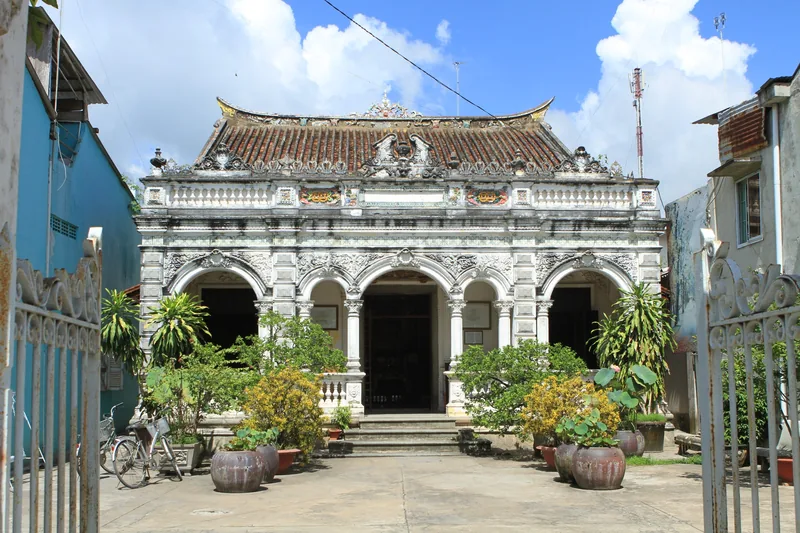
Sa Dec and the Dong Thap lotus ponds
Flower villages, a colonial merchant house and lotus fields: a long day, worth it.
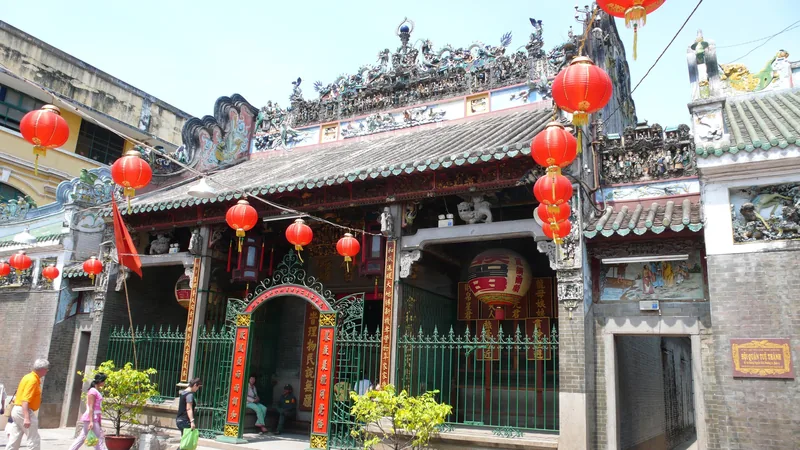
Day tour · from USD 35
Cho Lon, the Chinese city
Binh Tay market, the assembly halls and a herbalist street, before the heat.
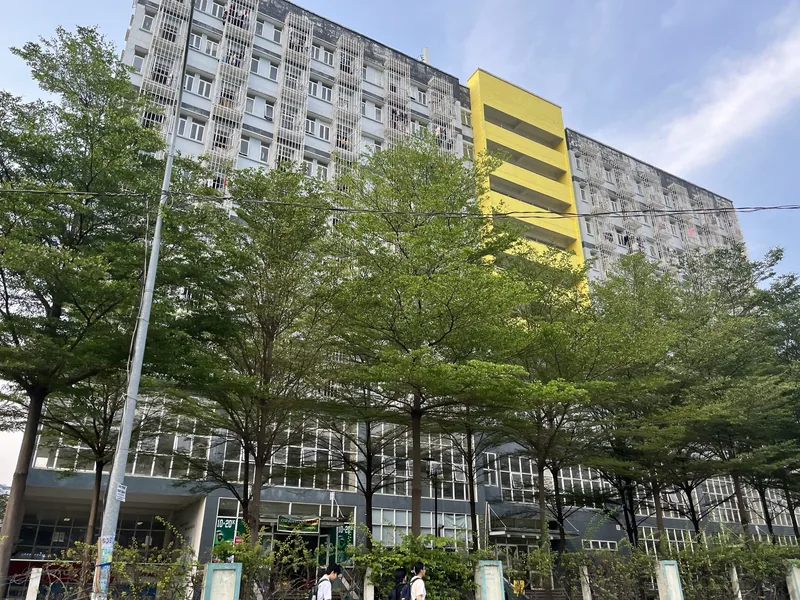
Day tour · from USD 35
Saigon buildings, colonial to modernist
A walk through a century of façades, from French villas to 1960s apartment blocks.
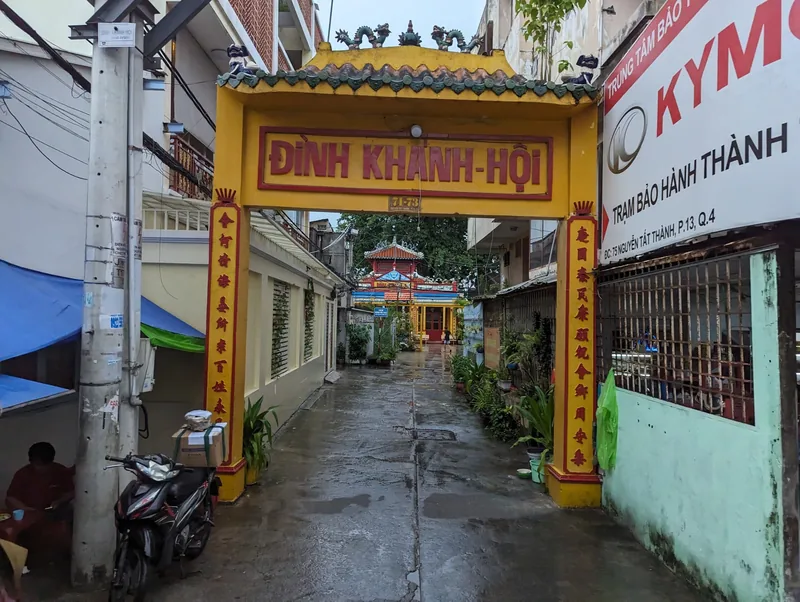
Day tour · from USD 45
Backstreets by motorbike
District 4, the canal side and the alleys — the city you do not see from a car.
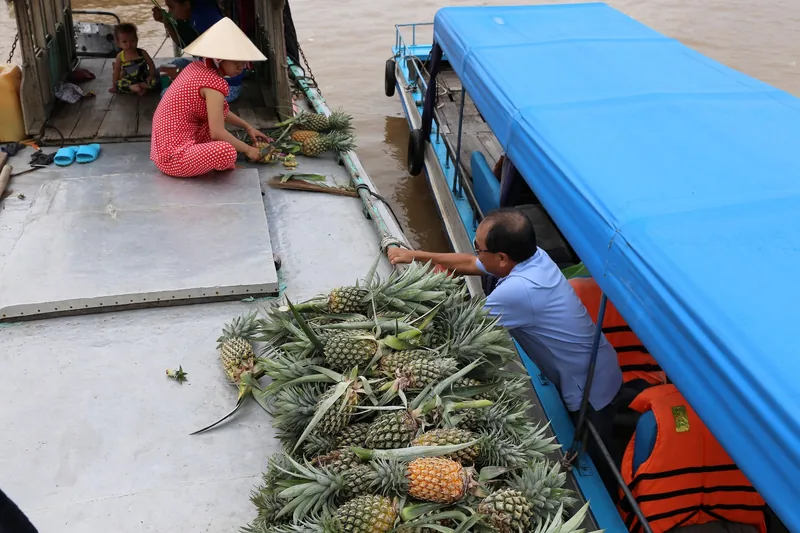
2 days · from USD 195
Can Tho and Cai Rang, two days
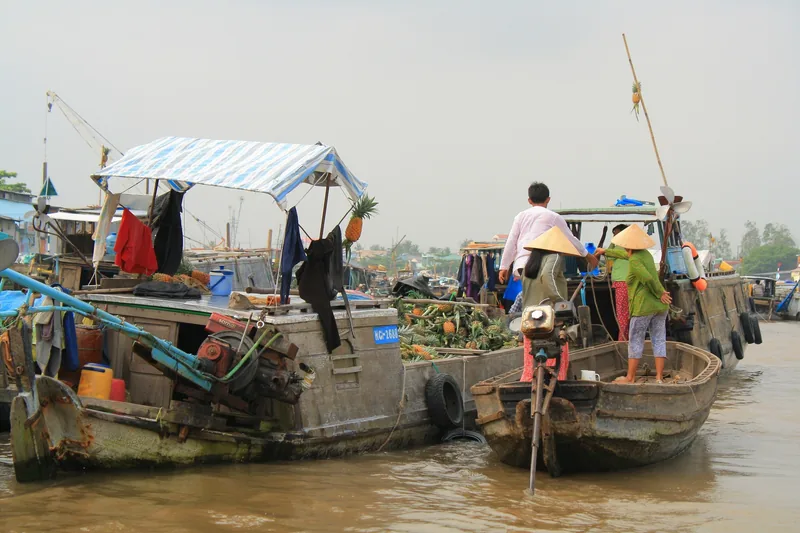
A night on the river so the floating market happens at dawn, not at ten.
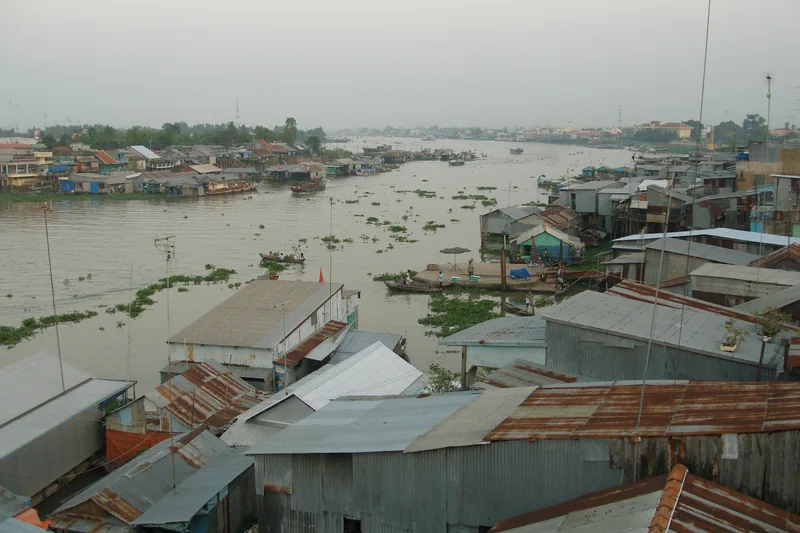
3 days · from USD 345
Deep delta to Chau Doc, three days
Can Tho, then west to the Cham villages, Sam mountain and Tra Su forest.
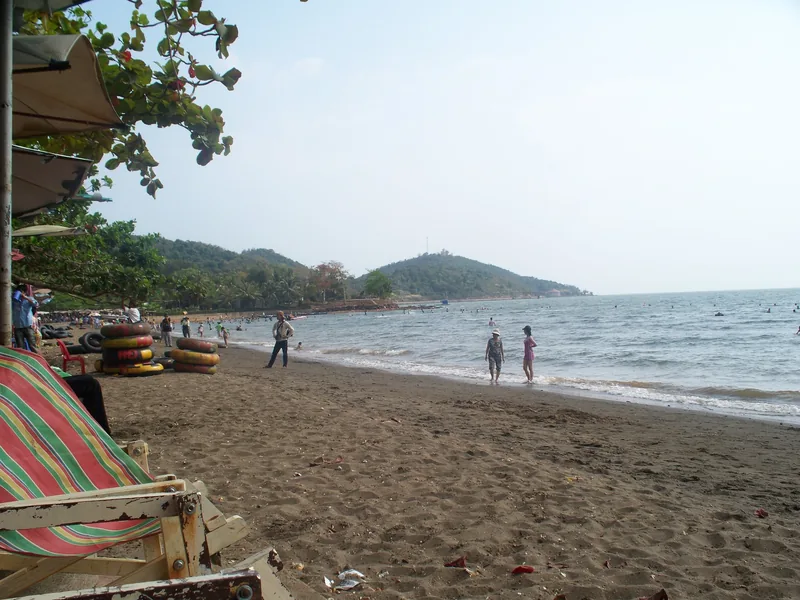
4 days · from USD 565
Chau Doc to Ha Tien, four days
The delta’s western edge: a border town, karst by the sea, the quiet coast road.
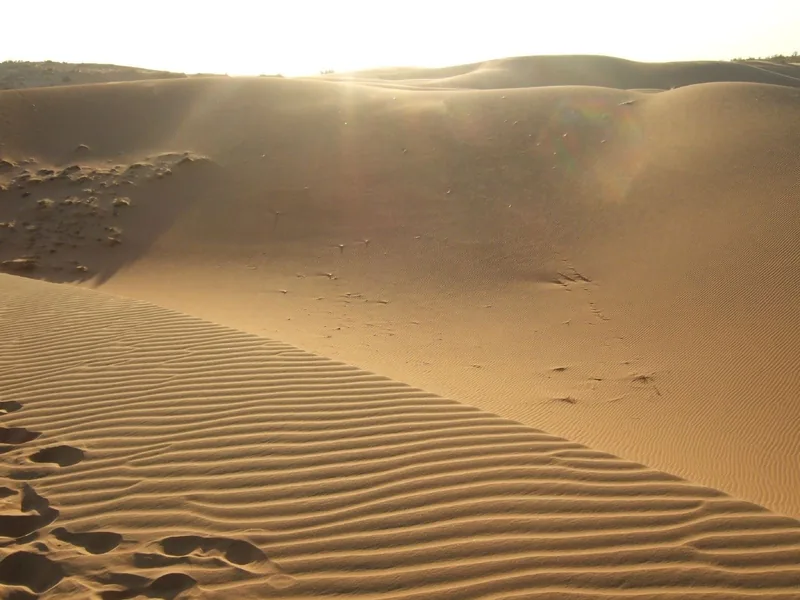
2 days · from USD 225
Mui Ne dunes and the coast
Four hours east for red dunes at dawn, fishing boats and a night by the sea.
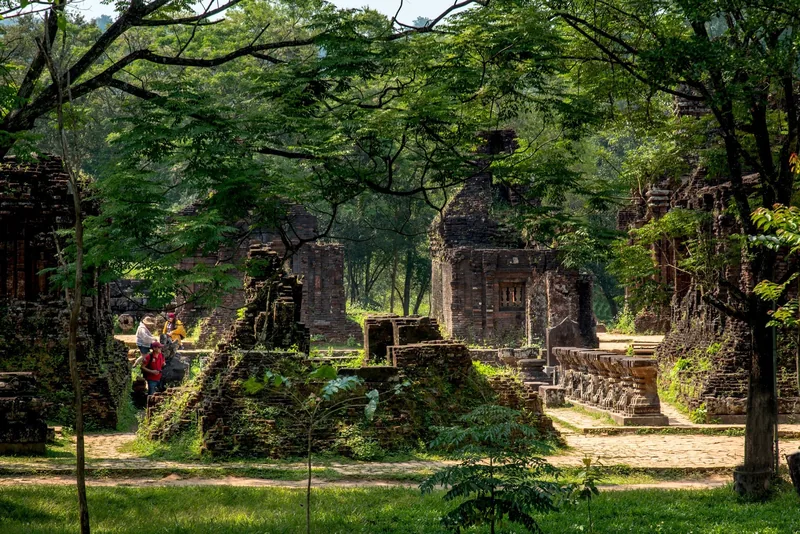
4 days · from USD 525
My Son and Hoi An
The Cham sanctuary at opening time, then three slow days in the old port.
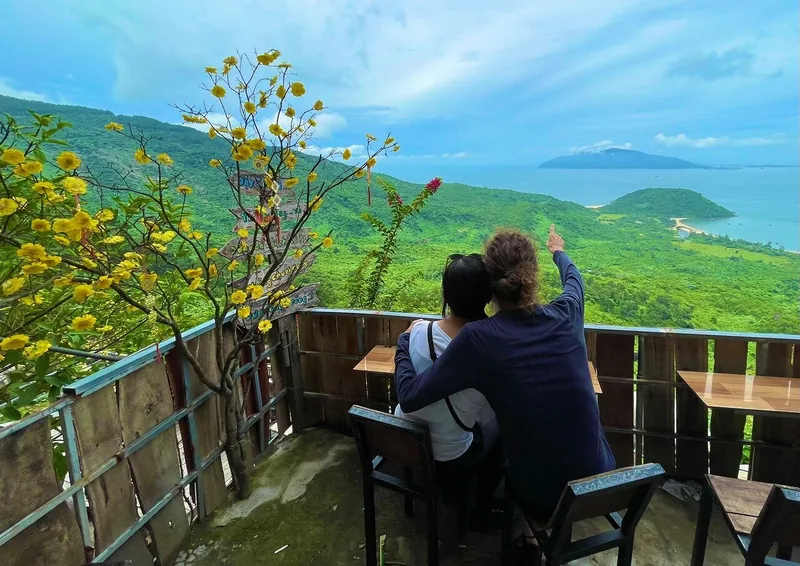
6 days · from USD 885
The central coast by train
Dong Hoi to Quy Nhon on the coastal line, four stops, no long drives.
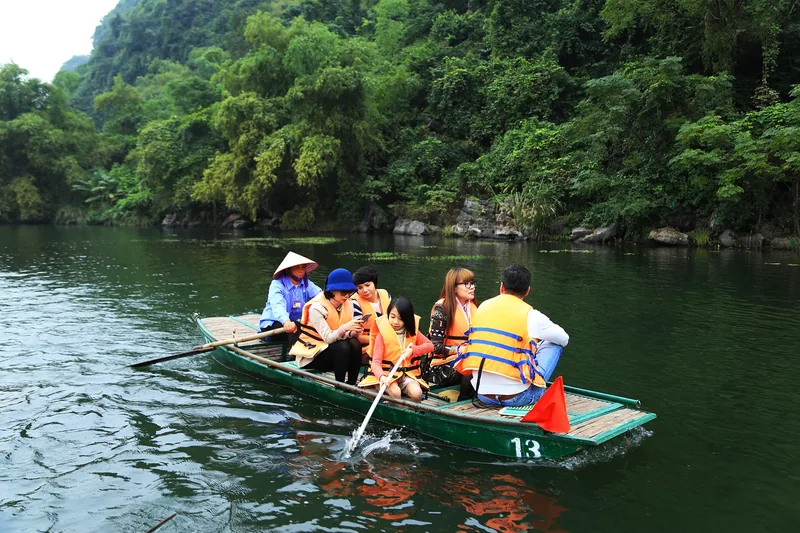
2 days · from USD 245
Ninh Binh, a night in the karsts
Rowing boats through caves at Trang An and a night among the limestone.
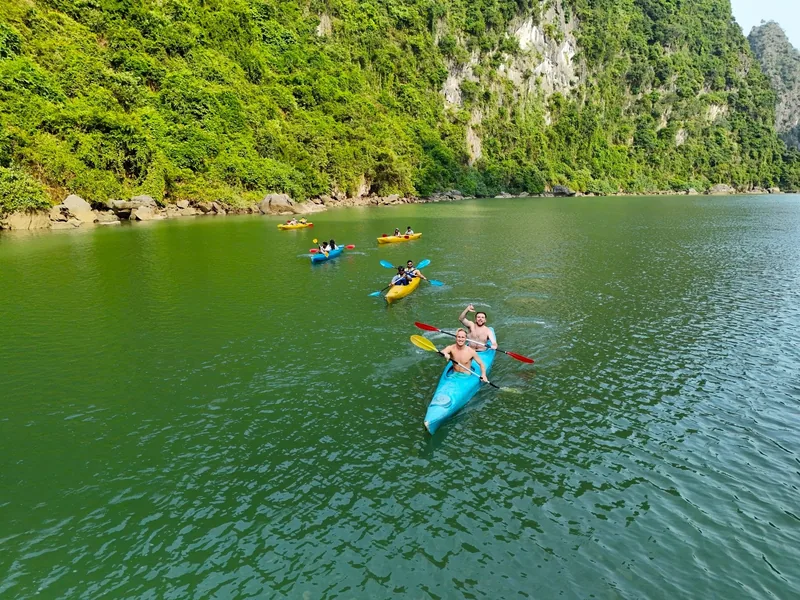
2 days · from USD 325
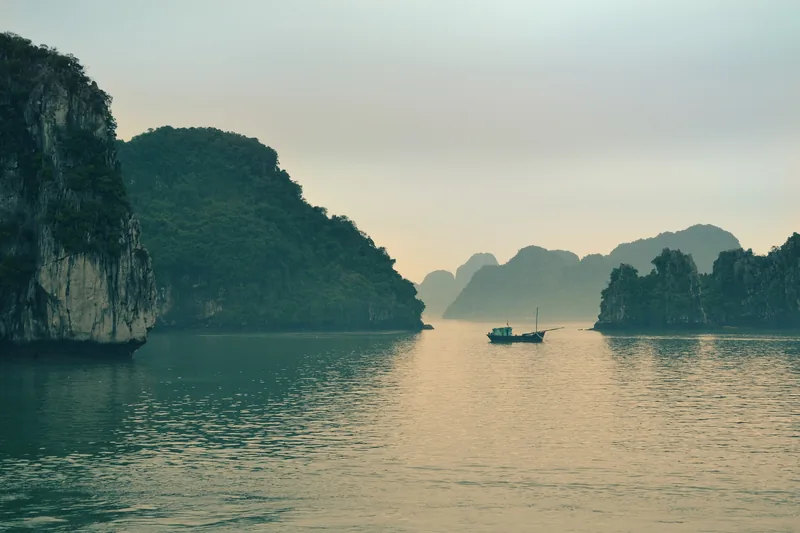
Lan Ha Bay overnight
The quieter bay south of Ha Long, with kayaking from the boat.
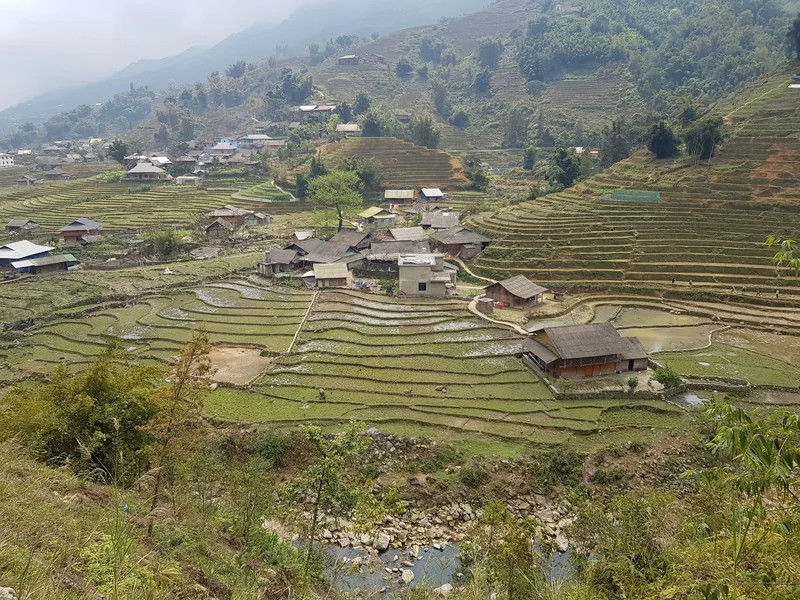
3 days · from USD 395
Sapa, walking the valleys
Two days on foot between Hmong and Dao villages, a homestay night.
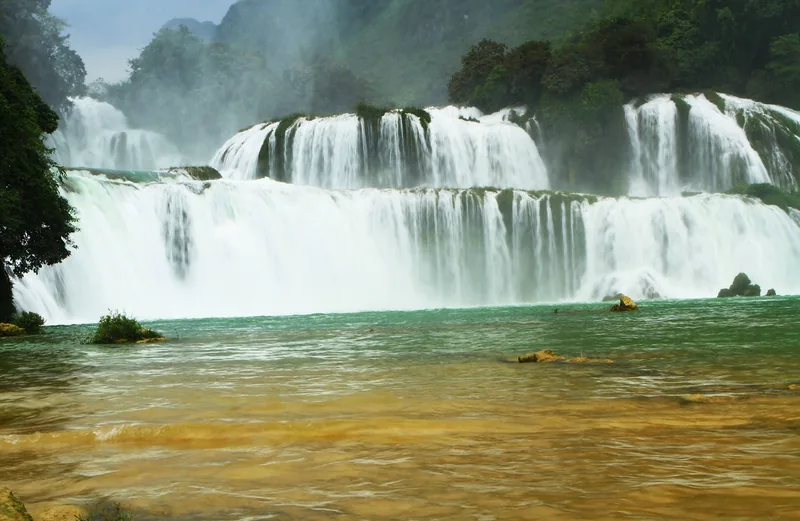
3 days · from USD 435
Cao Bang and Ban Gioc falls
The border waterfall, Nguom Ngao cave and the Tay villages around them.
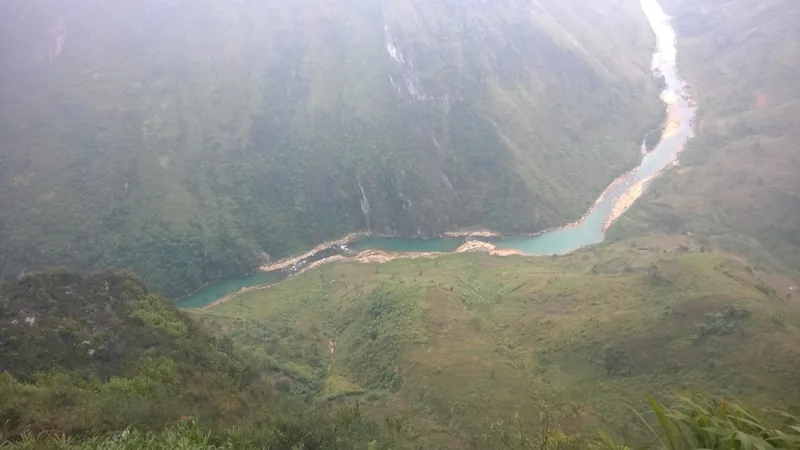
4 days · from USD 525
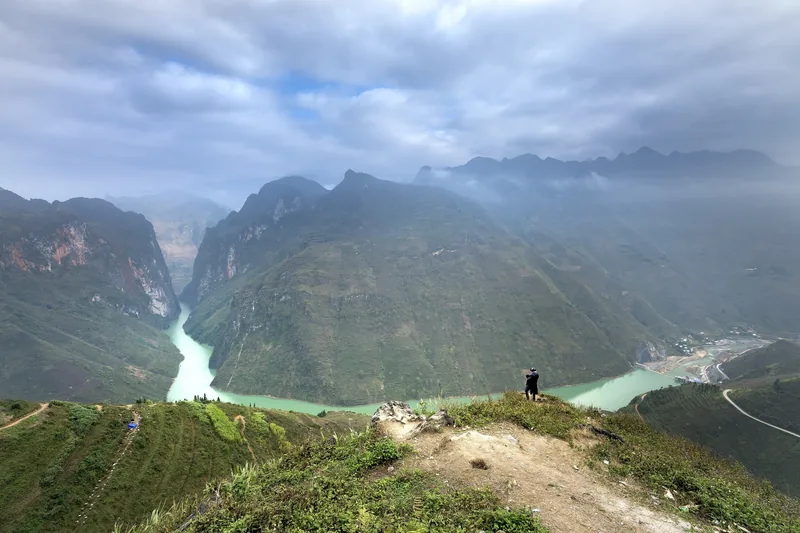
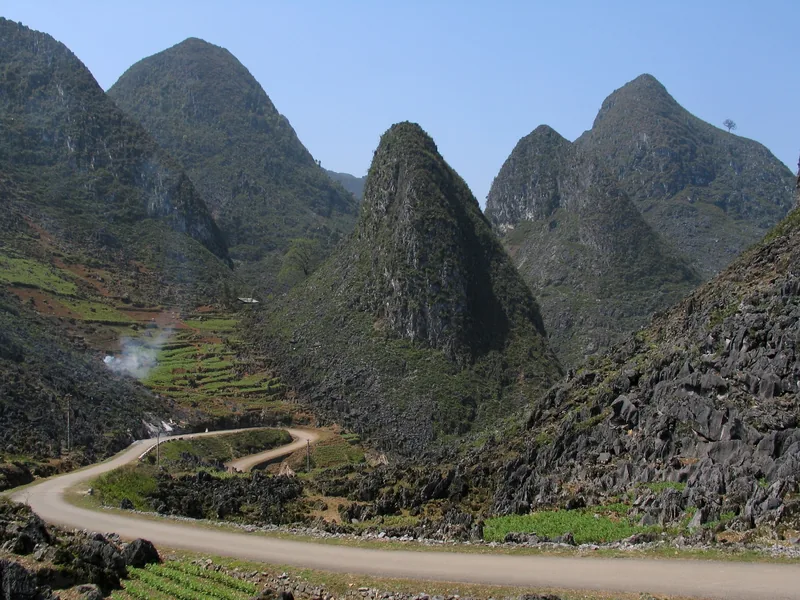
The Ha Giang loop
The whole loop with an easy rider or a car, four days, not three rushed ones.
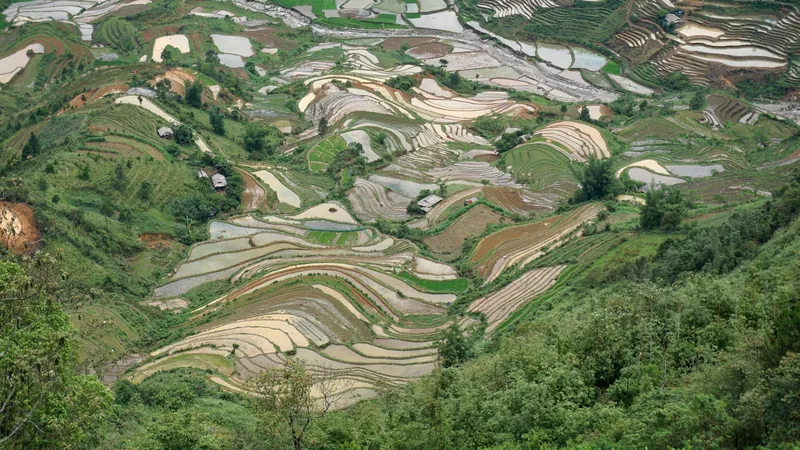
4 days · from USD 565
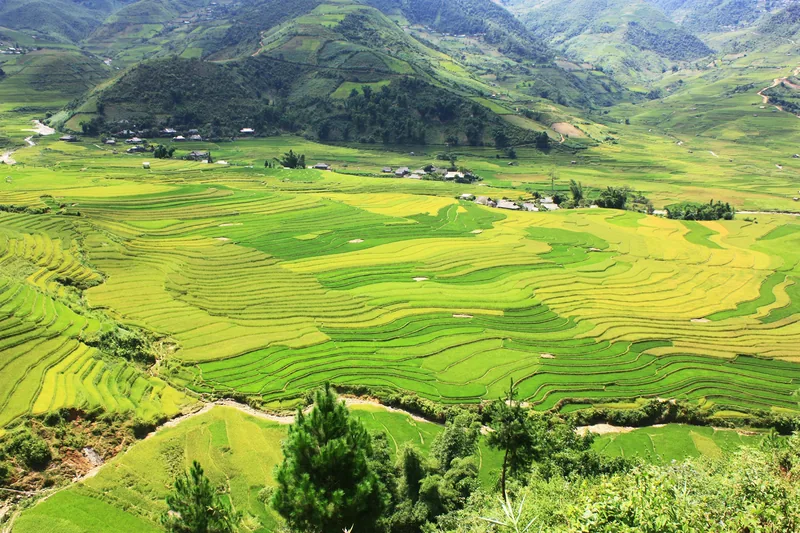
Mu Cang Chai terraces
The terraces at harvest or at flooding time, and the Khau Pha pass.
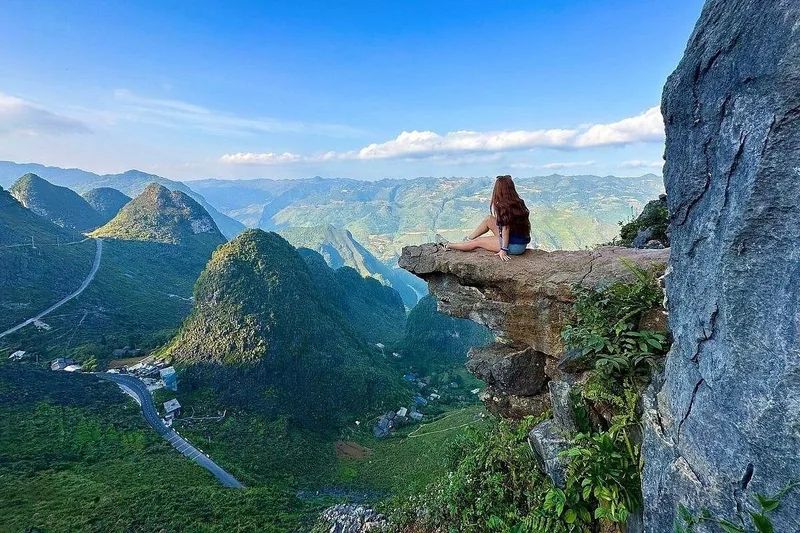
7 days · from USD 995
Ha Giang and Cao Bang
The far north end to end: the loop, then east along the border to Ban Gioc.
9 days · from USD 1295
The northwest loop
Mai Chau, Mu Cang Chai and Sapa in one circuit, nine days, no backtracking.
14 days · from USD 1695
Vietnam in 14 days
All three regions, four bases, two flights: the honest minimum.
15 days · from USD 1795
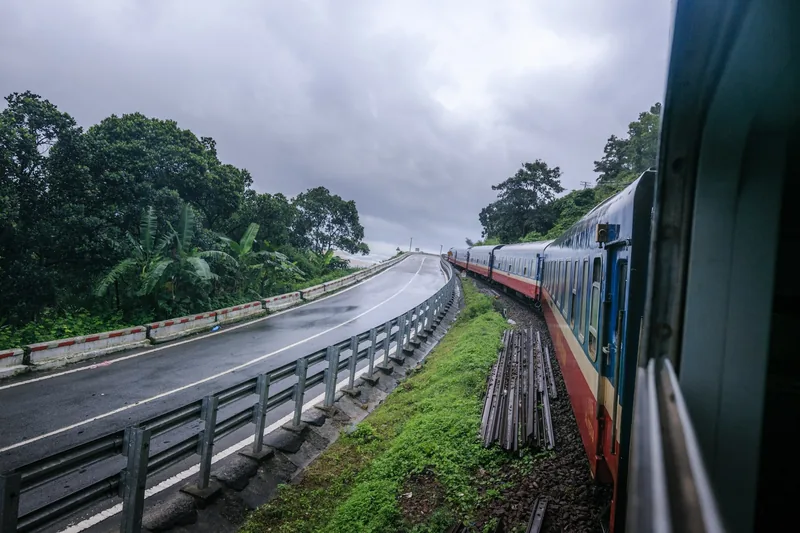
Vietnam by train, 15 days
Saigon to Hanoi on the Reunification line: four daylight legs and one night train.
21 days · from USD 2595
Vietnam in depth, 21 days
Three weeks, including Phong Nha and the far north, without cutting the south.
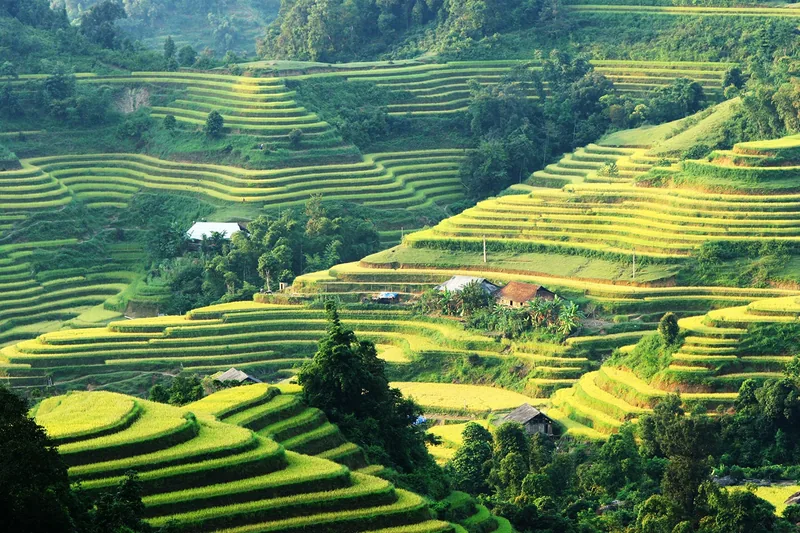
22 days · from USD 2895
From the delta to the mountains
Twenty-two days from Chau Doc to Ha Giang, with the coast in between.
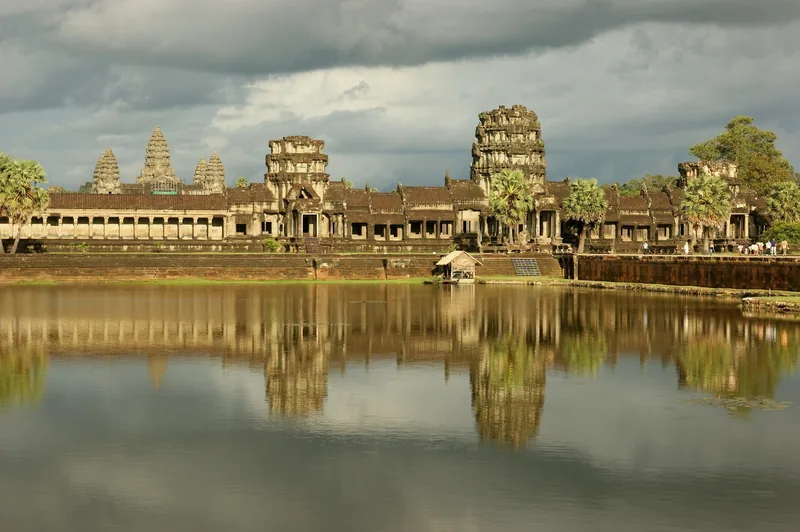
7 days · from USD 995
Saigon and Angkor in a week
Three nights in the south, then a one-hour flight to three days at the temples.
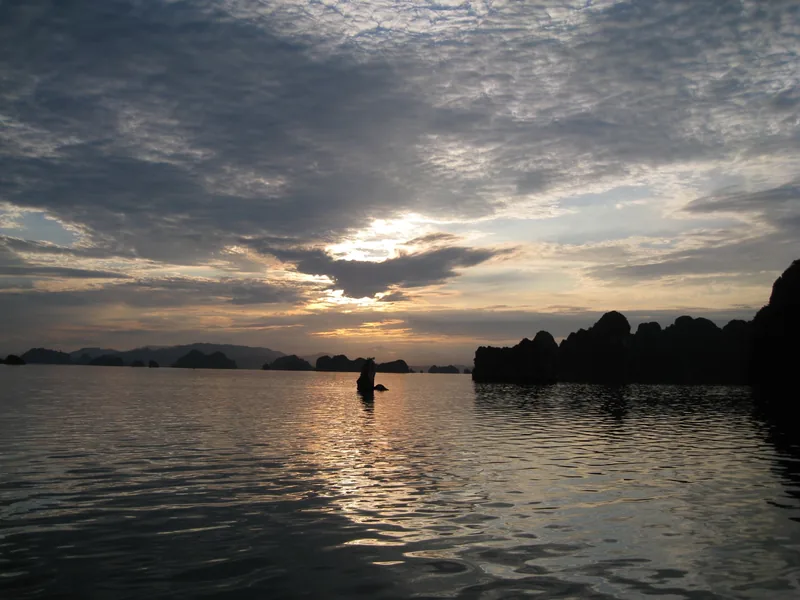
2 days · from USD 355
Bai Tu Long Bay, one night
The northern half of the bay, fewer boats, a fishing village by kayak.
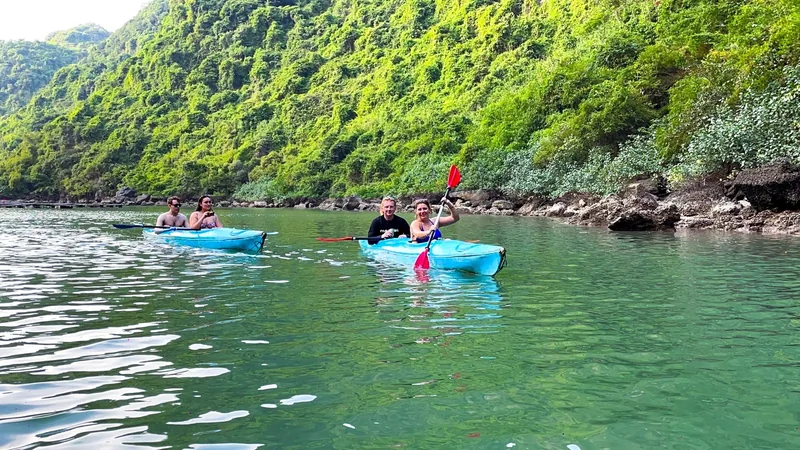
3 days · from USD 525
Lan Ha Bay, two nights aboard
Two nights in the southern bay, with Cat Ba island and the lagoons by kayak.
Seasons
Seasons that decide the picture
| Subject | Best months | Notes |
|---|---|---|
| Northern rice terraces (Mu Cang Chai, Sapa) | Mid-September to early October; May to June | Golden harvest; then water-filled terraces at planting |
| Ha Giang flowers and karst | October to November | Buckwheat flowers, clear air, cold nights |
| Dong Thap lotus | Roughly May to August | Early morning only, before the flowers close in the heat |
| Delta floating markets | All year | The first hour after dawn; by nine it is over |
| Hoi An lanterns | All year; full-moon nights are busiest | Blue hour, 30 minutes after sunset |
| Northern bays | October to December; March to May | Mist in winter can be beautiful or total |
A harvest is not a date on a calendar. Terraces ripen at different weeks in different valleys and from year to year, so we check with our partners in the north a few weeks ahead and adjust the order of the route if we need to. The same goes for the lotus fields, which depend on the water and the farmers’ planting.
Etiquette
Photographing people, and the rules
The best pictures in Vietnam often have people in them, and this is where a photography trip needs the most care. Ask before you photograph anyone at close range; a gesture at the camera and a nod is usually enough, and a refusal is a refusal. Do not pay people to pose — it changes villages, and not for the better. In the northern mountains, be particularly thoughtful with children and with women selling handicrafts; our guides will translate and explain when a family would rather not. Inside temples and pagodas, watch for signs and do not photograph people at prayer.
Some things may not be photographed at all: military installations, border posts and some government buildings. Drones need official permission in Vietnam, and that permission is slow, specific and often refused near cities, heritage sites and borders. We do not arrange drone flights, and we recommend leaving the drone at home rather than risking it at customs or with the police.
Trade-offs
Guides, costs, and who should not choose this
- Guides: in Hoi An, Hue, Hanoi and Ha Giang we can book a working photographer as your guide. Elsewhere, a normal guide who has been briefed to find the light and keep quiet.
- Costs: a second vehicle when half the party wants to sleep in, extra nights close to the subject, and occasional private boats at dawn.
- What we drop: midday sightseeing, and some famous sites whose opening hours fall entirely in bad light.
This is not a good choice for anyone who needs a full night’s sleep every night, or for a mixed party where most people are not photographers — the non-photographers will be bored at sunrise and tired by dinner. We can split the day for such a party, with two vehicles, but it is better to know that before we plan.
Checklist
Checklist for photographers
- Spare batteries and a charger that works on 220 volts; power cuts in the mountains are not rare.
- A rain cover for the camera from May to October in the south and centre.
- A small head torch for dawn walks.
- Leave the drone at home unless you already hold a permit.
- Insurance that covers the value of your equipment.
Common questions
Questions travellers ask most
How early are the starts, really?
Between 04:45 and 05:30 on shoot days, depending on the season and how far we are from the subject. We say so in the day-by-day, and we put the next day’s start later when we can.
Can I bring a tripod everywhere?
Almost everywhere outdoors. Some temples, museums and the citadel in Hue restrict tripods, and boats are not steady enough for long exposures.
Can you arrange a drone permit?
No. Permits are issued by the authorities for specific flights, take a long time and are often refused. We do not arrange drone flights.
Related
Read next
Travel guide
Photography
Light, seasons, consent, temples and drone rules.
View this journey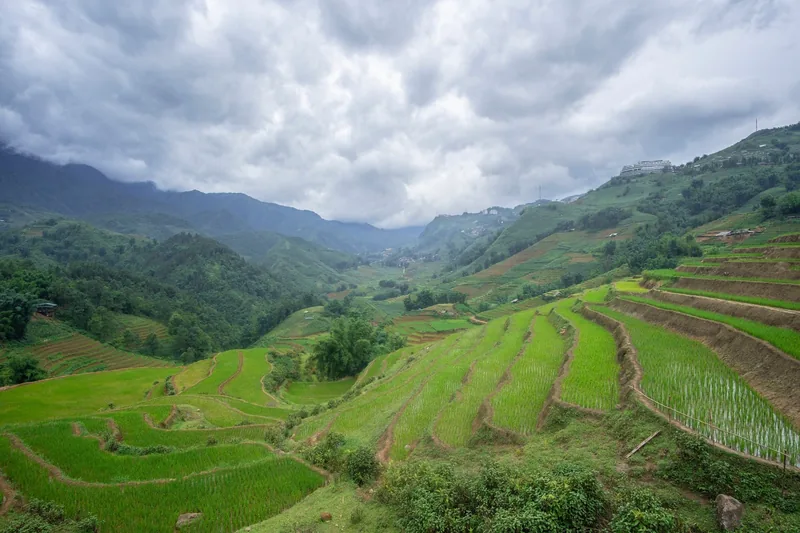
Northern Vietnam
Sapa
Terraced valleys, homestays and honest advice about the town.
View this journey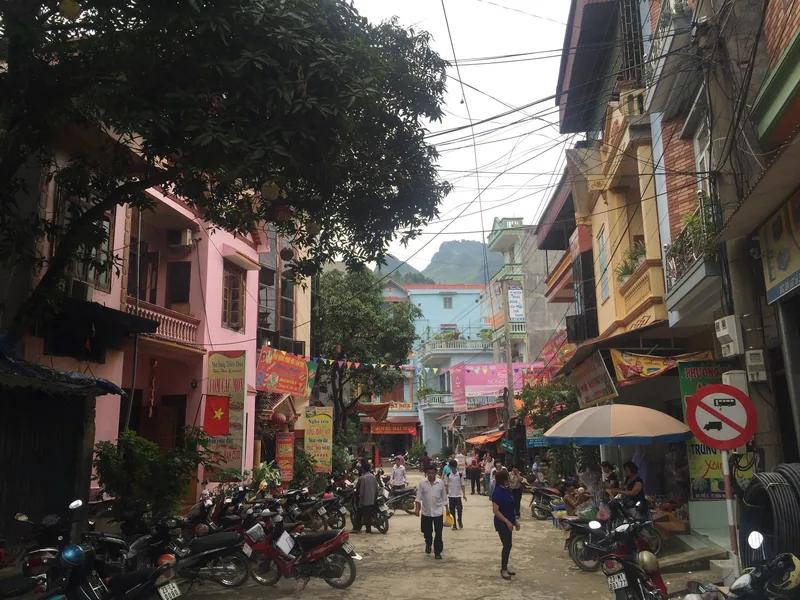
Northern Vietnam
Ha Giang
The loop: routes, timing, and car versus motorbike.
View this journey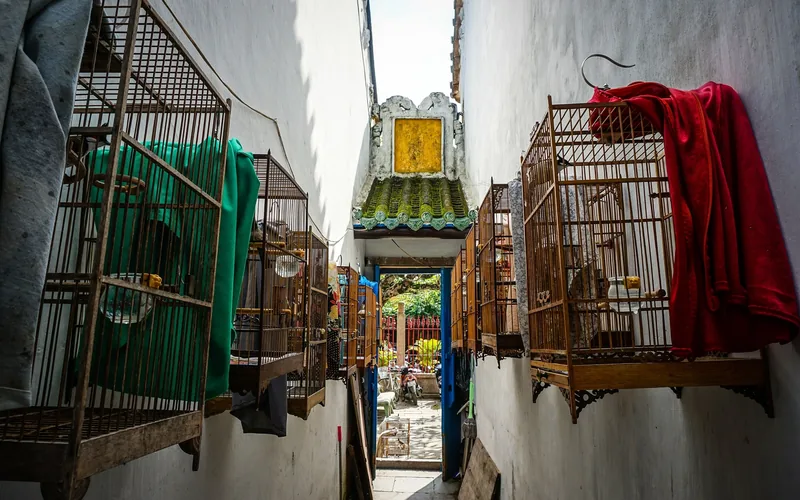
Central Vietnam
Hoi An
Old town, beach, tailors and the honest timing.
View this journey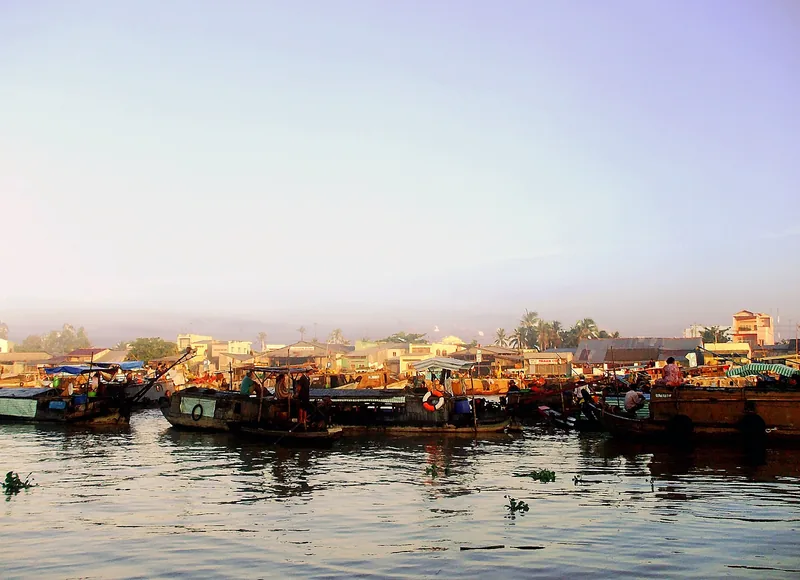
Mekong Delta
Can Tho
The delta base: Cai Rang, canals and a real night market.
View this journey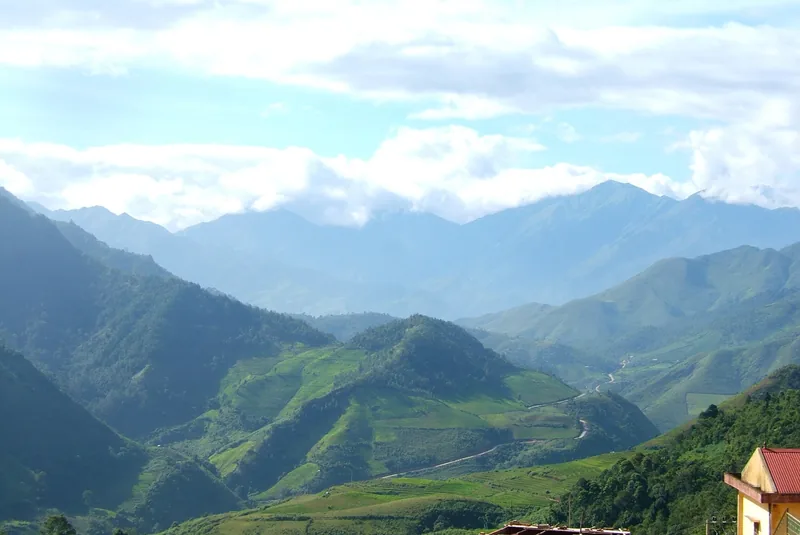
Start planning
Tell us about the trip you have in mind
Dates, party size and the places you care about are enough to start. You get a draft route and an indicative price, not a brochure.
Or talk to us:+84 766 045 399