 Tours out of Ho Chi Minh City and across Vietnam
Northern Vietnam
Sapa on foot: sleep in the valley, not the town
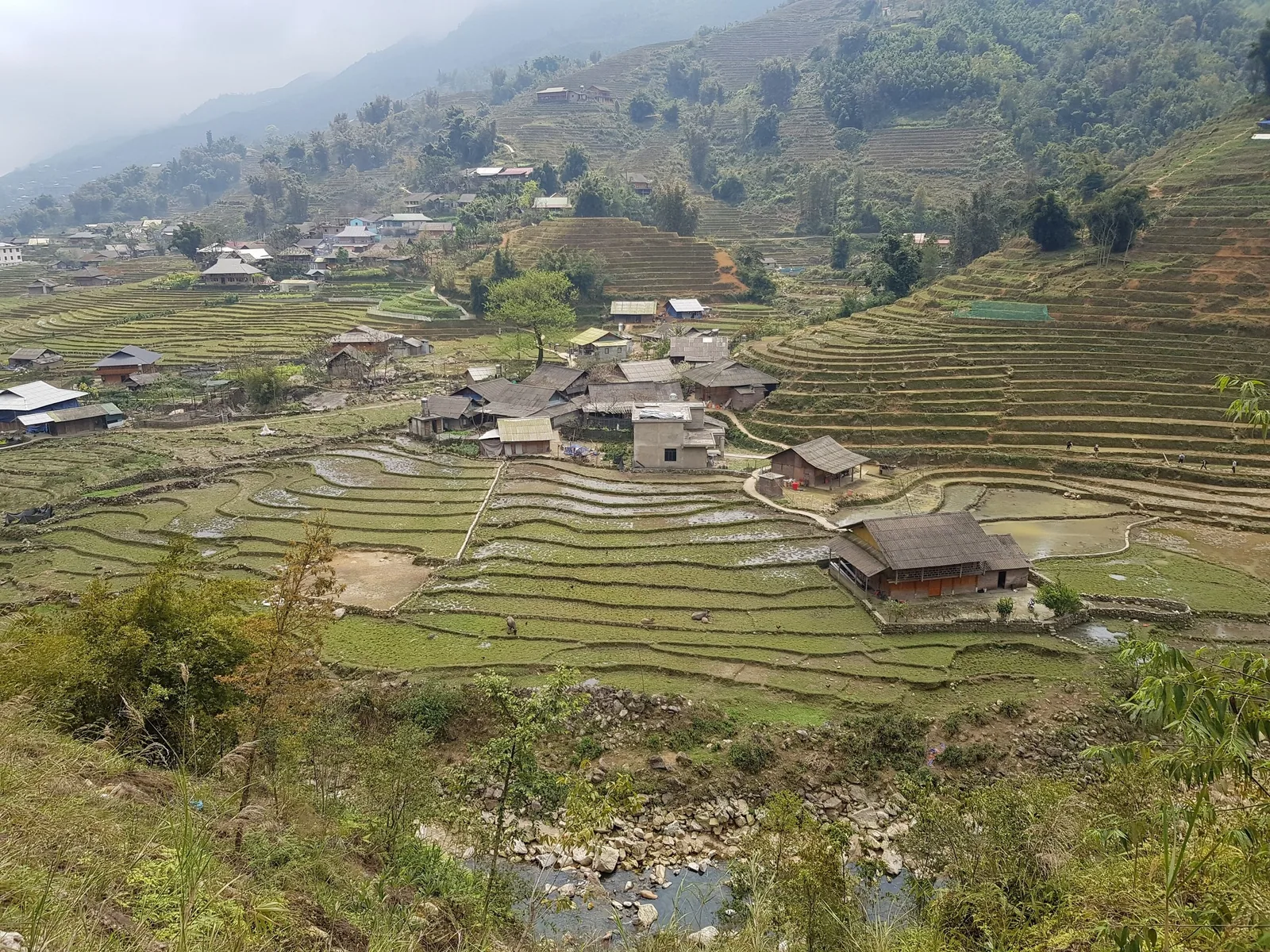
Sapa town has been built over; the valleys below it have not. This trip spends its nights and both walking days down among the terraces, and treats the town as somewhere you drive through.
Overview
The walk, not the town
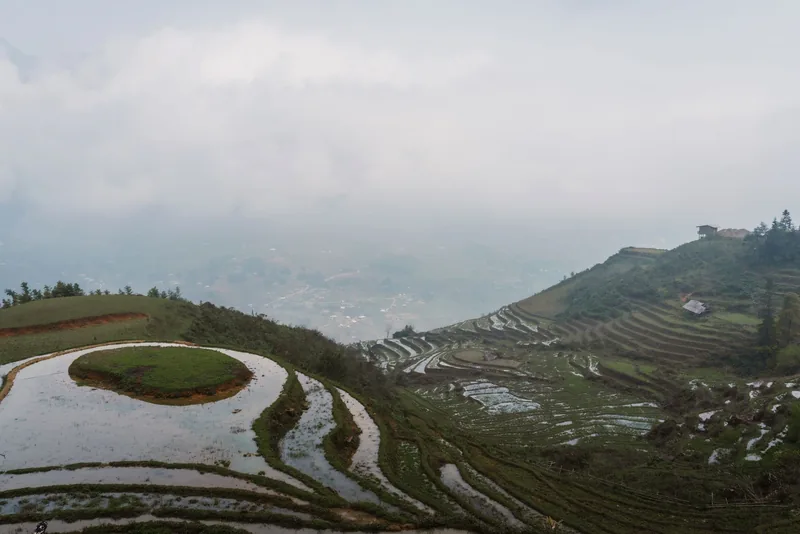
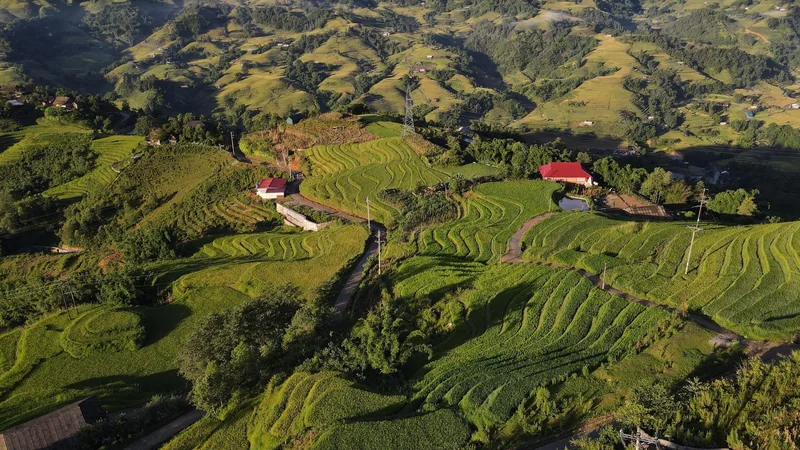
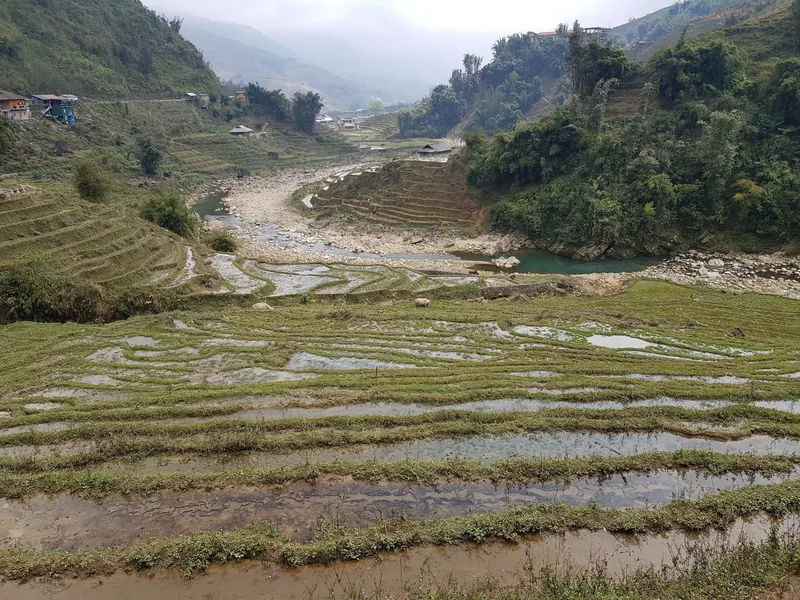
The reason to come to Sapa is the Muong Hoa valley: a long trough of terraced rice below the town, farmed by Black Hmong, Red Dao and Giay families whose villages are linked by footpaths older than any road. The town itself is now a cluster of concrete hotels and a cable-car station, and we plan around it rather than through it.
You walk on two of the three days with a guide from one of the valley villages, which keeps the money where the paths are. The car from Hanoi and the organisation are handled by the Hanoi operator we have partnered with for years. Both nights are in the valley: one in a family homestay, one in a small lodge with a hot shower you will be glad of.
- Length
- 3 days, 2 nights
- From Hanoi
- 5.5 hours by road, or night train
- Walking
- 3, 6 and 3 hours
- Terrain
- Earth paths, steep, muddy after rain
- Best months
- March to May, September to November
- Run by
- Our Hanoi partner operator
Nights
Where you sleep
Day by day
Day by day
Day 1
Hanoi to the valley, and the first walk down
The car collects you at 07:00 and the expressway gets you to Sapa in about five and a half hours, with a lunch stop near Lao Cai. At the edge of town you meet your walking guide and the car goes on with your main luggage.
The afternoon walk leaves the road and drops through the terraces to Lao Chai, then along the river to Ta Van — about three hours, mostly downhill, which is harder on the knees than it sounds. You reach the homestay by 17:30. Dinner is with the family.
Day 2
The long valley day
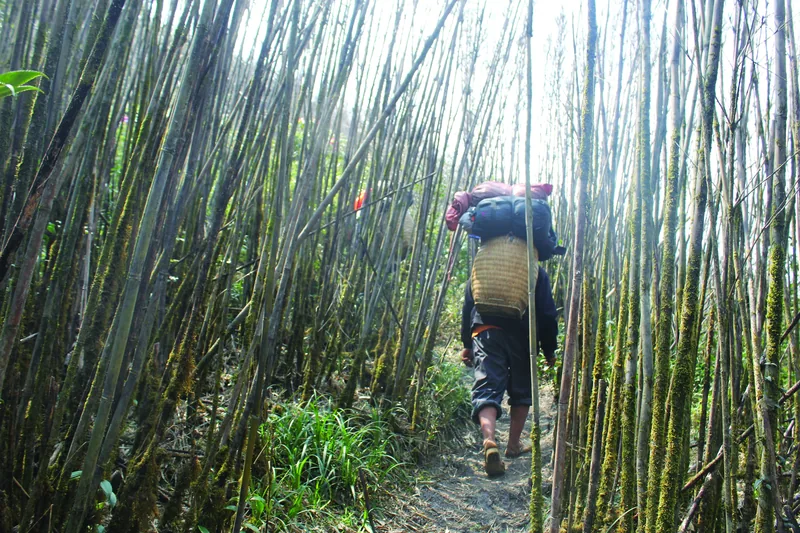
The full walk of the trip: about six hours, heading down the Muong Hoa valley through bamboo forest, across suspension bridges and past Dao villages where the women wear red headscarves. There is real climbing in the second half and the paths turn to slick clay after rain.
Lunch is in a village house along the way. The car meets you at the end of the path in mid-afternoon and takes you the short distance to the lodge, where the hot shower is the main event of the evening.
Day 3
A short morning walk and the drive back
A final walk of about three hours through the Red Dao village of Ta Phin, above the other side of town, with its terraces and a cave nearby. After lunch the car heads back to Hanoi; with a stop on the way you are at your hotel by about 19:30.
If you would rather avoid the long drive, the overnight train back from Lao Cai is an option instead: you board in the evening and arrive in Hanoi very early the next morning.
Price
Price
| Travellers | Tier 1 — simple | Tier 2 — comfortable | Tier 3 — the good ones |
|---|---|---|---|
| 2 travelling | from 395 | from 495 | from 750 |
| 4 travelling | from 325 | from 405 | from 615 |
| 6 travelling | from 290 | from 365 | from 555 |
The table above is by road in both directions. Taking the overnight train one or both ways changes the figure a little either way, depending on the carriage. The higher tiers replace the valley lodge with a better one; the homestay night stays a homestay, because that is the point of it.
Included
What is included
What the price includes
- Private car and driver between Hanoi and Sapa, both ways
- Local English-speaking walking guide from the valley
- One homestay night and one lodge night, breakfast included
- All meals from lunch on day one to lunch on day three
- Village and trail entrance fees
- Luggage moved by car between the nights
What it does not include
- The overnight train unless you choose it (quoted separately)
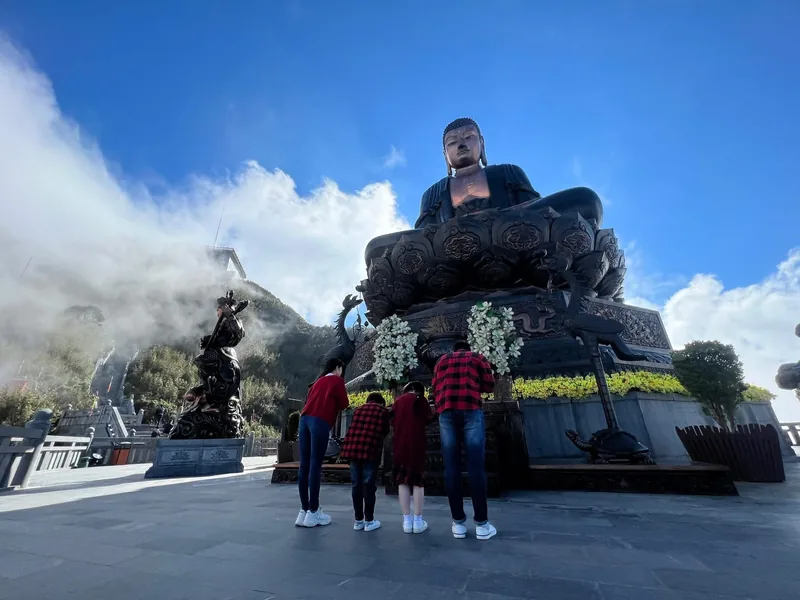
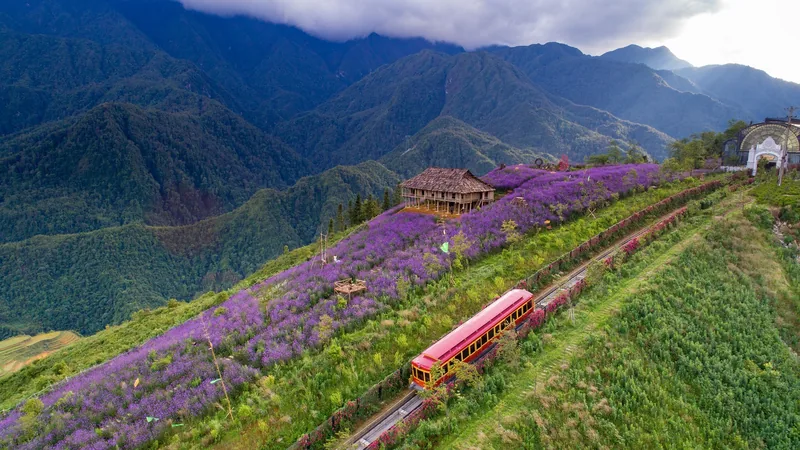
- The Fansipan cable car
- Textiles bought from village sellers
- Travel insurance, visas, drinks and tips
Practical
What to bring and what the paths are like
- Boots or trail shoes with real grip. This matters more than fitness; the clay after rain is slippery even for the guides.
- A warm layer at any time of year. From December to February Sapa can drop close to freezing at night, and the homestay has no heating beyond a fire.
- A rain jacket from May to September. July and August are the wettest months, when mist can hide the terraces for days.
- A small day pack. Your main bag goes by car.
Women from the villages often walk alongside and sell embroidery at the end. It is how many families earn. Buy something early and say so clearly, or say no clearly — both are fine.
Not for everyone
Who this does not suit
The walking is not technical, but six hours on steep, muddy paths is a real day, and people with knee or balance problems find the descents harder than the climbs. If that is you, we can shorten both walks and use the car more. The homestay is a family home with thin walls and a shared bathroom; anyone who needs privacy should take two lodge nights. And if your dates fall in July or August and the view is the point, consider Pu Luong instead, which is lower and less often in cloud.
Common questions
Questions travellers ask most
How fit do I need to be?
Able to walk for six hours with breaks, uphill and down, on uneven ground. You do not need to be a hiker, but the second day is long.
Train or road to Sapa?
The road is quicker door to door, about five and a half hours. The overnight train to Lao Cai plus an hour up the hill saves daylight and suits people who sleep well on trains.
When are the terraces at their best?
Flooded and reflecting the sky in May and June, gold from mid-September to early October. December to February is cold and often misty.
Related
Read next
Northern Vietnam
Sapa
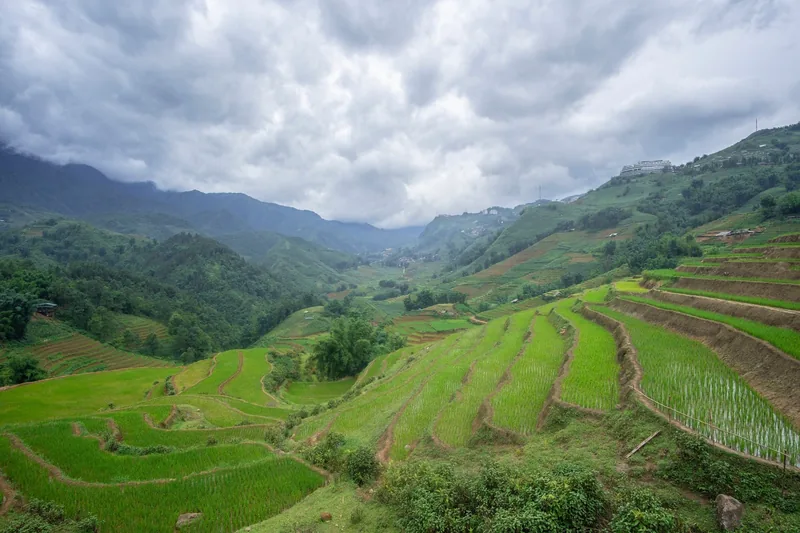
Terraced valleys, homestays and honest advice about the town.
View this journey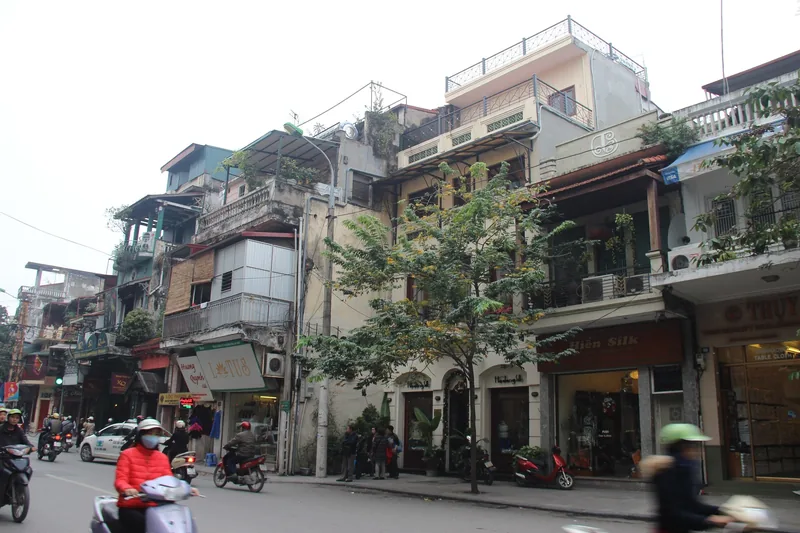
Northern Vietnam
Hanoi
The capital: Old Quarter, food, and the northern base.
View this journey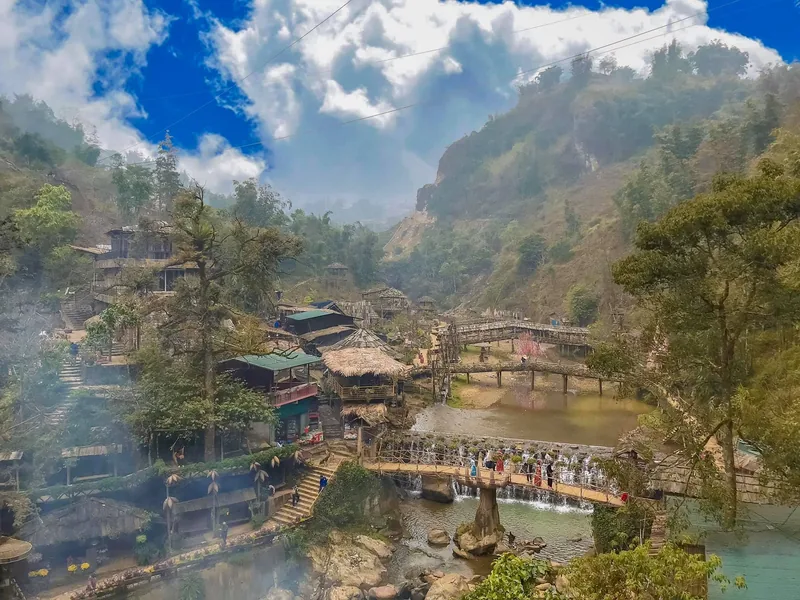
Example journey
Hanoi, Ninh Binh and Sapa
City, karst and mountains, with the night train as an option.
View this journey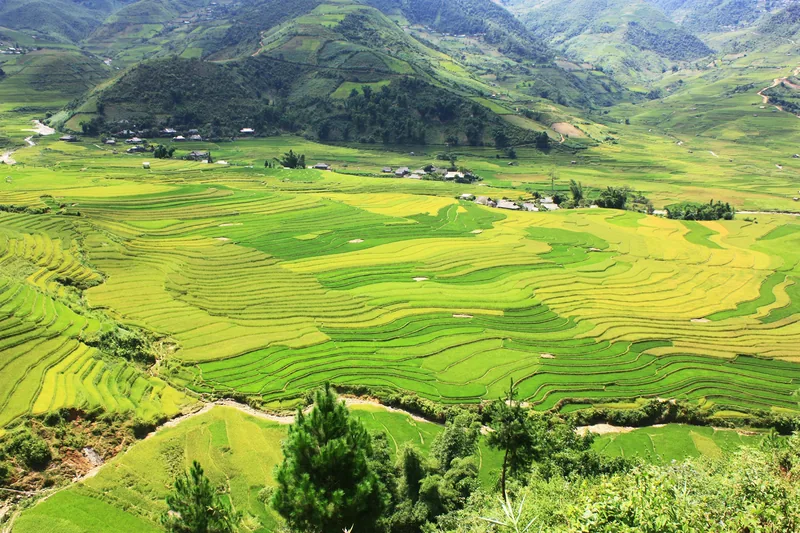
Example journey
The northwest loop
Mai Chau, Mu Cang Chai and Sapa, nine days, no backtracking.
View this journey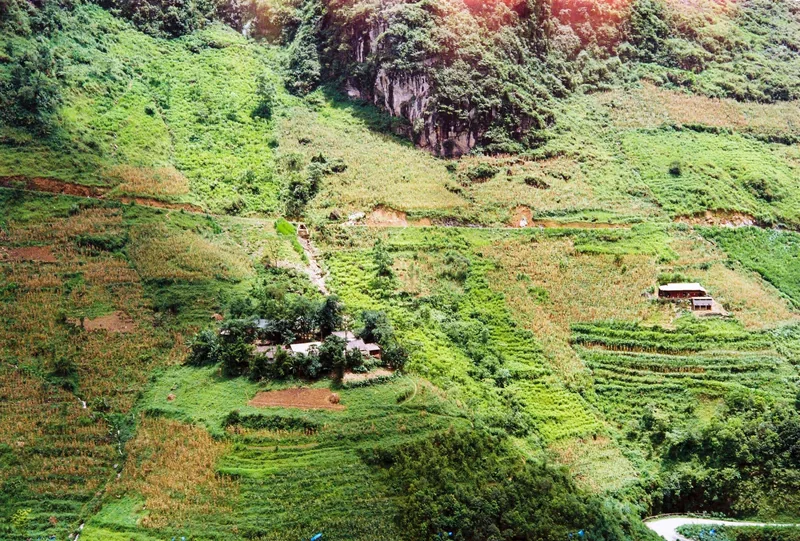
Tours
Tours
Day trips, regional routes and full-length itineraries.
View this journey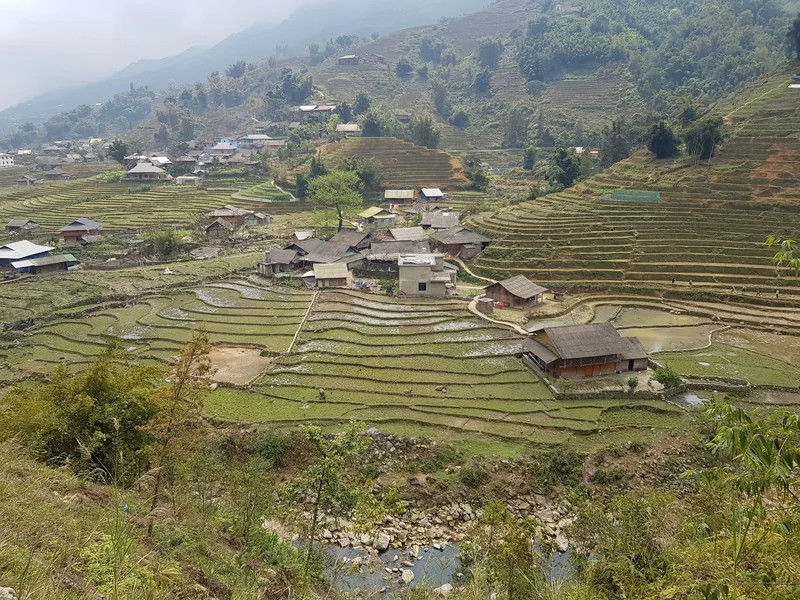
Start planning
Tell us about the trip you have in mind
Dates, party size and the places you care about are enough to start. You get a draft route and an indicative price, not a brochure.
Or talk to us:+84 766 045 399