 Tours out of Ho Chi Minh City and across Vietnam
Northern Vietnam
Valleys, terraces and high passes in one circuit
A circuit of the mountains west of Hanoi, from White Thai valleys to Hmong terraces and over the highest road pass in the country to Sapa, without driving the same road twice.
Overview
A circuit, not an out-and-back
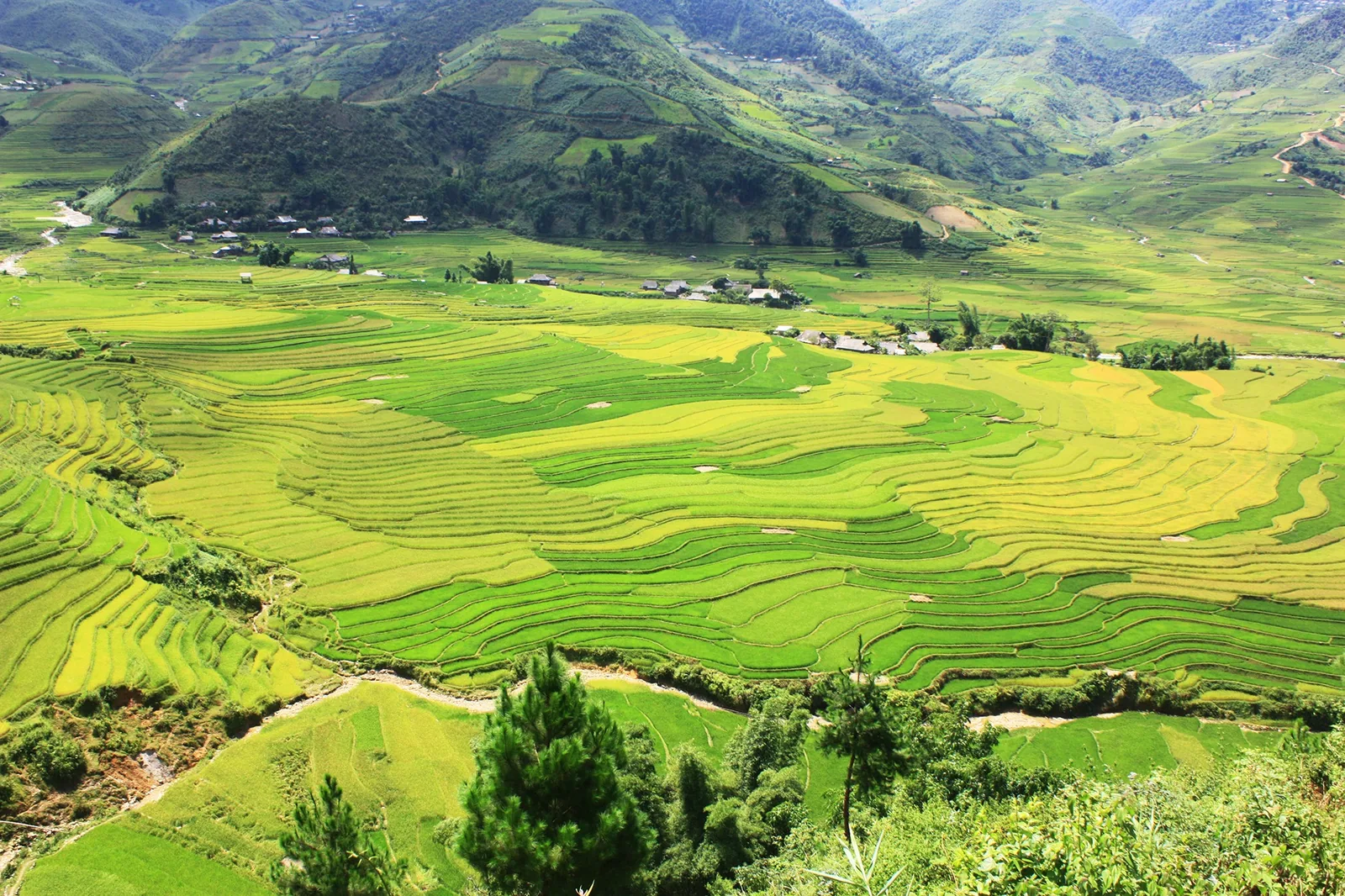
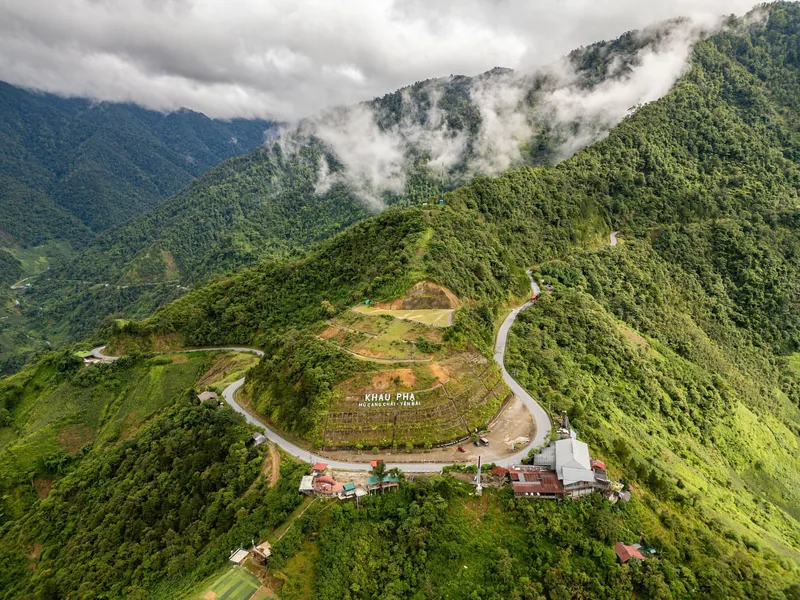
Most northern trips go out from Hanoi to one place and come back the same way. This one goes round. It leaves west to the White Thai valley of Mai Chau, crosses the Moc Chau plateau and the Da river to Tu Le, climbs the Khau Pha pass to the terraces of Mu Cang Chai, then continues over the O Quy Ho pass, the highest road pass in Vietnam, to the valleys below Sapa. The final day is the expressway back to Hanoi.
Nine days lets every place have two nights except the one that exists to break a drive. The car, driver and guide stay with you throughout and come from the Hanoi operator we have worked with for years. The timing matters: this is best in the two terrace seasons, when Mu Cang Chai and Sapa are at their finest.

- Length
- 9 days, 8 nights
- Longest drive
- About 6 to 7 hours
- Passes
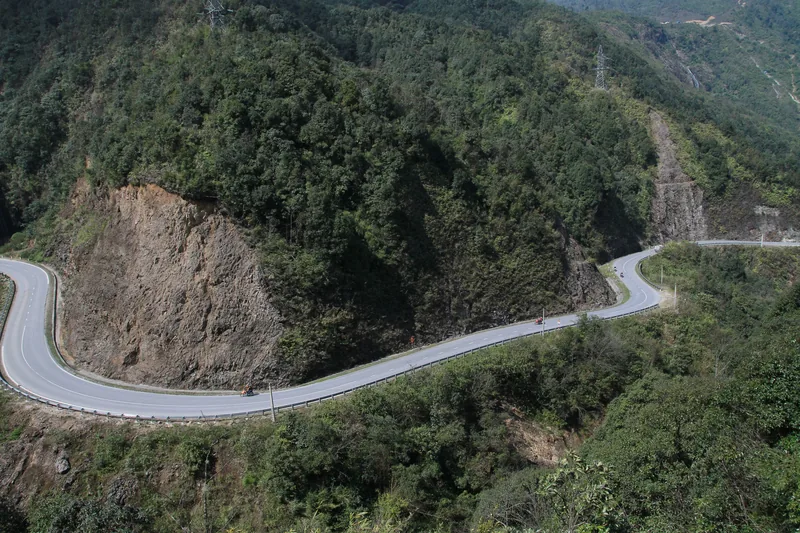
- Thung Khe, Khau Pha, O Quy Ho
- Best months
- Mid-September to October, May to June
- Walking
- 2 to 5 hours on most days
- Run by
- Our Hanoi partner operator
Nights
The route and the nights
Day by day
Day by day
Day 1
Hanoi to Mai Chau
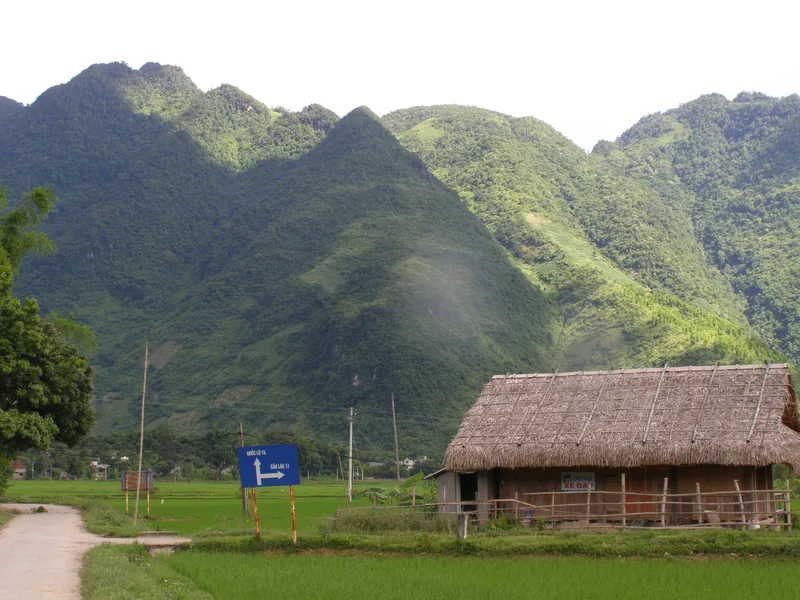
Leave Hanoi at 08:00 and cross the Thung Khe pass into the Mai Chau valley, about three and a half hours. An afternoon cycle along the dykes between the rice and a family dinner in the stilt house.
Day 2
A day in the valley
A morning walk up to a hill village, lunch back in the valley and a free afternoon. Mai Chau is at its best when you are not trying to see anything.
Day 3
Moc Chau and across the Da river to Tu Le
The longest drive of the loop: over the Moc Chau plateau with its tea hills, down to the Da river and on through Nghia Lo to Tu Le. About six to seven hours with stops, arriving late afternoon. Tu Le’s sticky rice is the supper.
Day 4
The Khau Pha pass to Mu Cang Chai
A short drive over the Khau Pha pass, stopping at the top for the view back down into the Tu Le valley. An afternoon walk through the terraces around La Pan Tan.
Day 5
On foot in the terraces
A full day of walks chosen by the state of the fields, from the classic viewpoints down into Hmong villages. Three to five hours of walking.
Day 6
Over O Quy Ho to Sapa
North-west through Than Uyen and Lai Chau, then over the O Quy Ho pass and down into Sapa, about five hours. You bypass the town and settle into a lodge in the valley.
Day 7
Walking the Muong Hoa valley
A valley walk of four to five hours with a local guide, through terraces and Hmong, Dao and Giay villages, with lunch in a village house.
Day 8
Sapa to Hanoi
A last short walk if you want it, then five and a half hours on the expressway back to Hanoi. Dinner in the Old Quarter.
Day 9
Departure
Transfer to Noi Bai, about 45 minutes, for your flight.
Price
Price
| Travellers | Tier 1 — simple | Tier 2 — comfortable | Tier 3 — the good ones |
|---|---|---|---|
| 2 travelling | from 1295 | from 1620 | from 2460 |
| 4 travelling | from 1060 | from 1325 | from 2020 |
| 6 travelling | from 960 | from 1200 | from 1820 |
The table above covers nine days of car, driver and guide, which is most of the cost; that is why it falls sharply for four or six travellers. The tiers mostly change the Hanoi hotel and the Sapa lodge, since the stilt house and the Mu Cang Chai homestay are simple whichever tier you choose. The late-September harvest weeks cost more and book early.
Included
What is included
What the price includes
- Private car and driver for nine days
- English-speaking guide throughout, with a local walking guide in Sapa
- Eight nights of accommodation, breakfast daily
- Meals as listed in the day by day
- Bicycles in Mai Chau, entrance fees and village fees
- Our 24/7 line
What it does not include
- International and domestic flights
- Visas and travel insurance
- Drinks and tips
- The Fansipan cable car
Practical
When to go
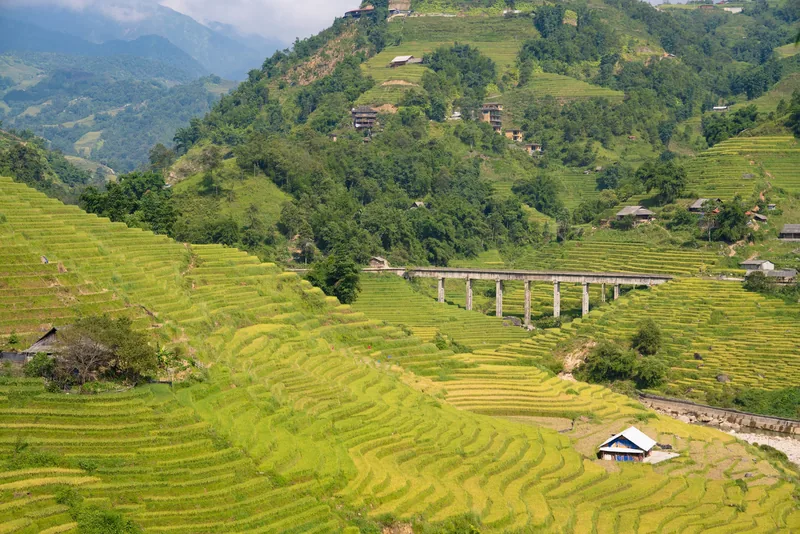
The loop is built around the terraces. From about mid-September to early October the rice at Mu Cang Chai and Sapa is gold; in May and June it is flooded for planting. October is clear and dry. From December to February the north is cold — Sapa can be near freezing at night, and O Quy Ho can have ice — and June to August is the wettest period, with landslides on the mountain roads and cloud in the valleys.

Not for everyone
Who this does not suit
Nine days in the northwest is a lot of mountain road for anyone who suffers from motion sickness. Travellers who need hotel comfort every night should know that five of the eight nights are in stilt houses, homestays or small lodges. And if your dates fall in July or August, or in the depth of winter, the terraces that justify the loop will not look like the photographs; we will tell you so and suggest a different route.
Common questions
Questions travellers ask most
Why not just go to Sapa?
Sapa alone is three days. The loop adds Mai Chau, Tu Le and Mu Cang Chai and never drives the same road twice.
How much walking is there?
Two to five hours on most days, always optional. The car is never far away.
When are the terraces at their best?
Gold from about mid-September to early October, flooded in May and June.
Related
Read next
Northern Vietnam
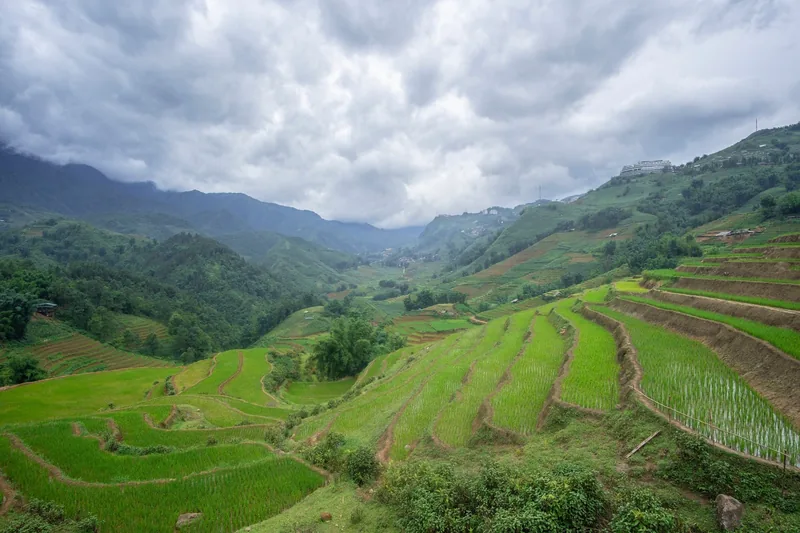
Sapa
Terraced valleys, homestays and honest advice about the town.
View this journey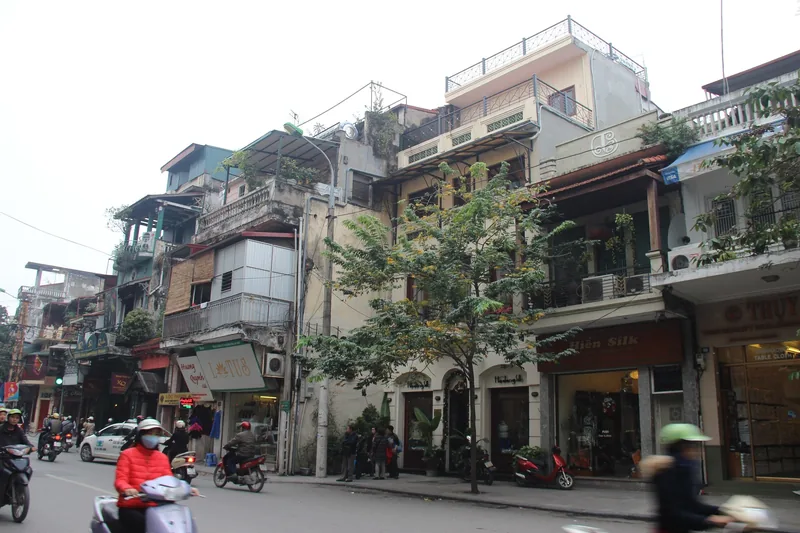
Northern Vietnam
Hanoi
The capital: Old Quarter, food, and the northern base.
View this journey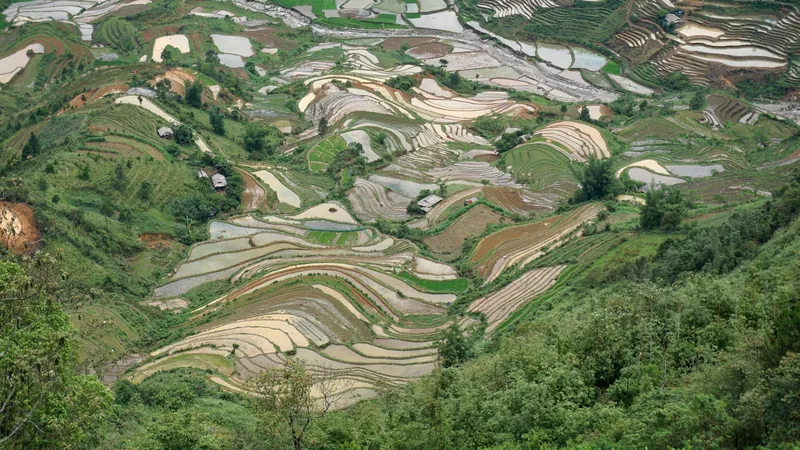
Example journey
Mu Cang Chai terraces
Terraces at flooding or harvest time, and the Khau Pha pass.
View this journey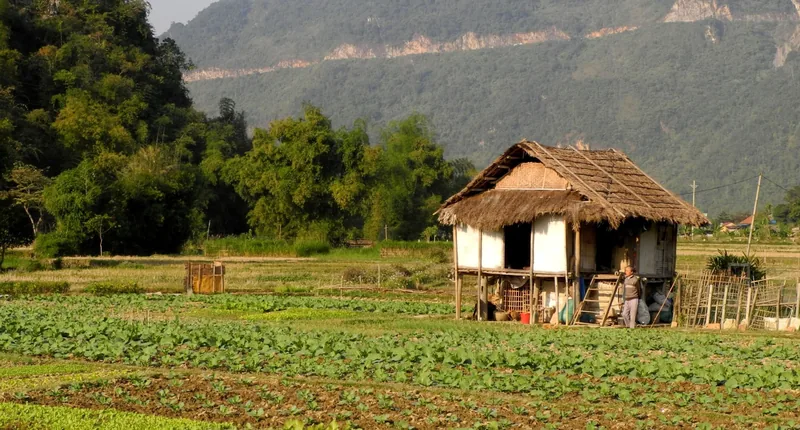
Example journey
Mai Chau valley
A White Thai valley, a stilt-house night and easy cycling.
View this journey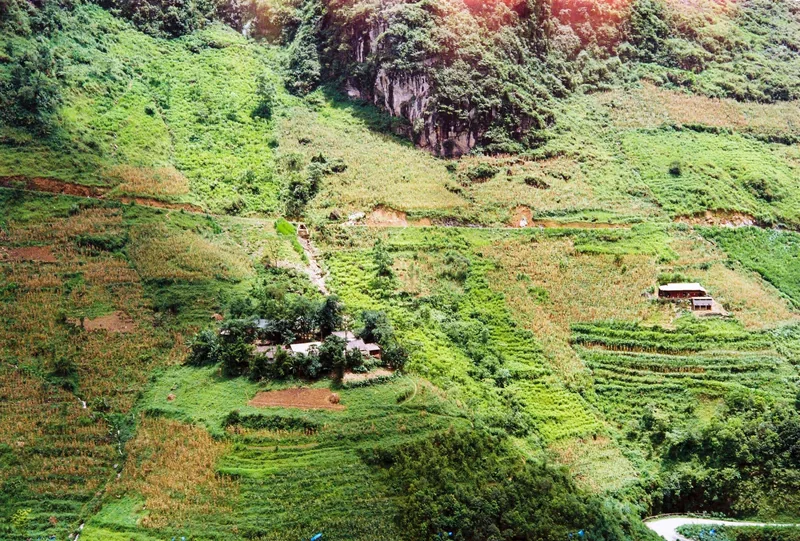
Tours
Tours
Day trips, regional routes and full-length itineraries.
View this journey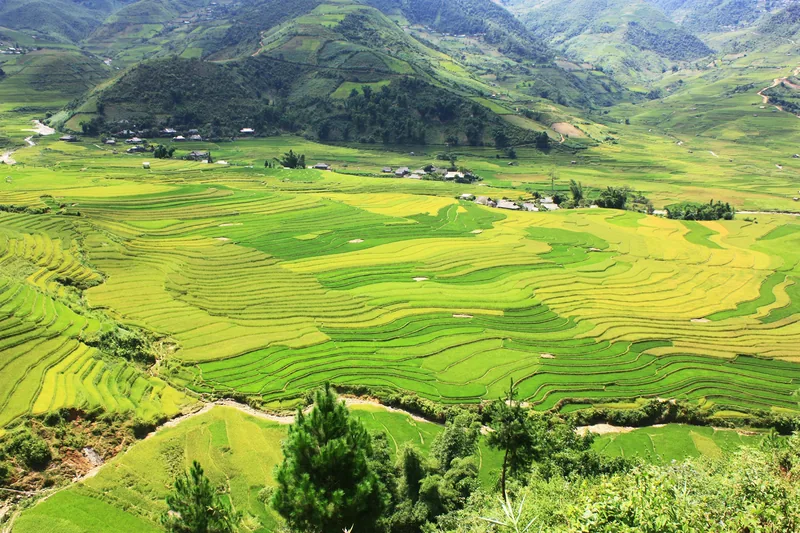
Start planning
Tell us about the trip you have in mind
Dates, party size and the places you care about are enough to start. You get a draft route and an indicative price, not a brochure.
Or talk to us:+84 766 045 399