 Tours out of Ho Chi Minh City and across Vietnam
Northern Vietnam
The terraces of Mu Cang Chai, timed to the fields
Some of the most extraordinary rice terraces in Asia, a long drive west of Hanoi. The trip is only worth doing in two windows a year, and we build it around them.
Overview
A trip that depends on the calendar
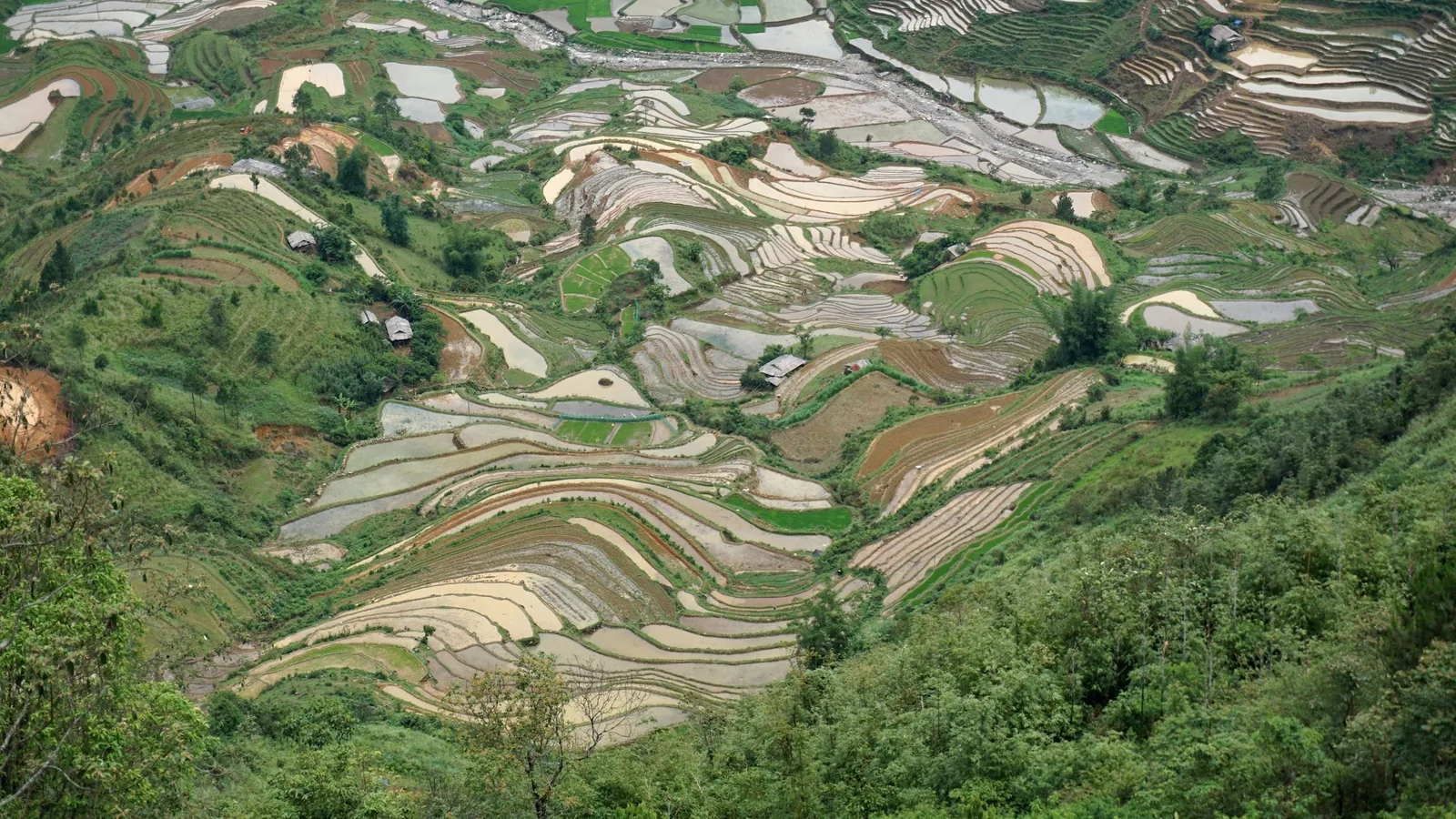
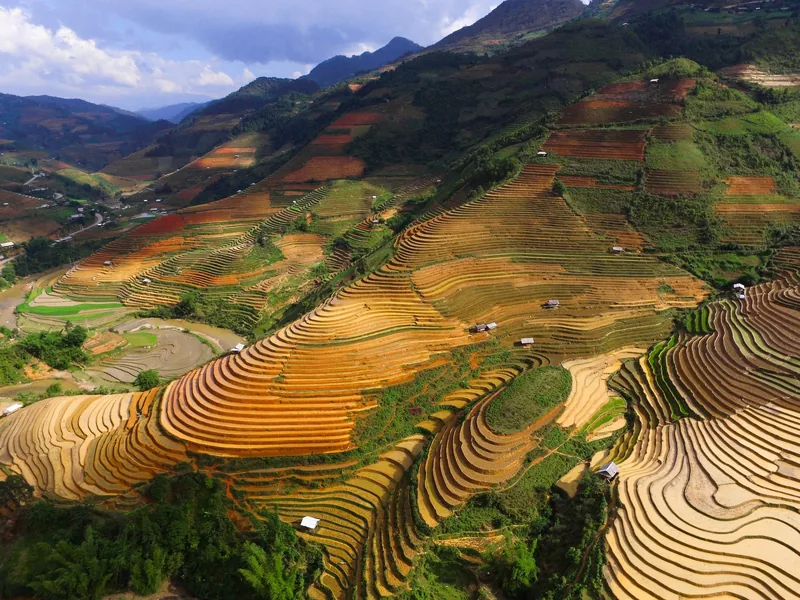
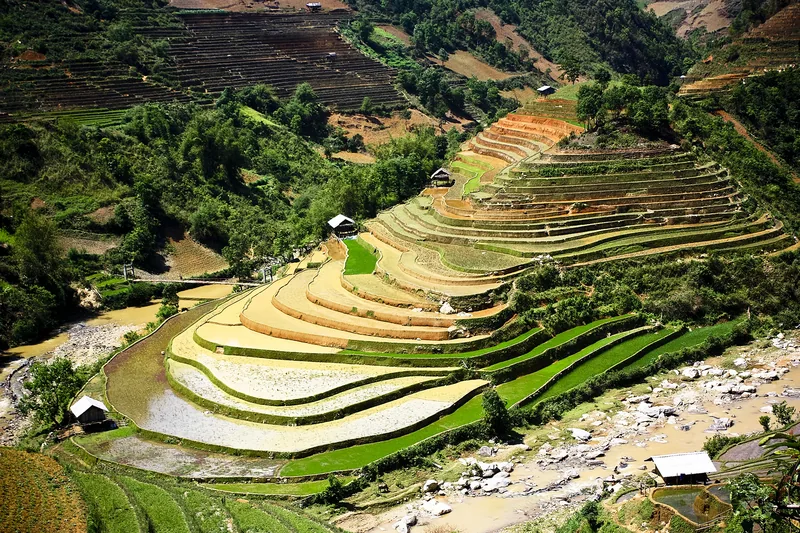
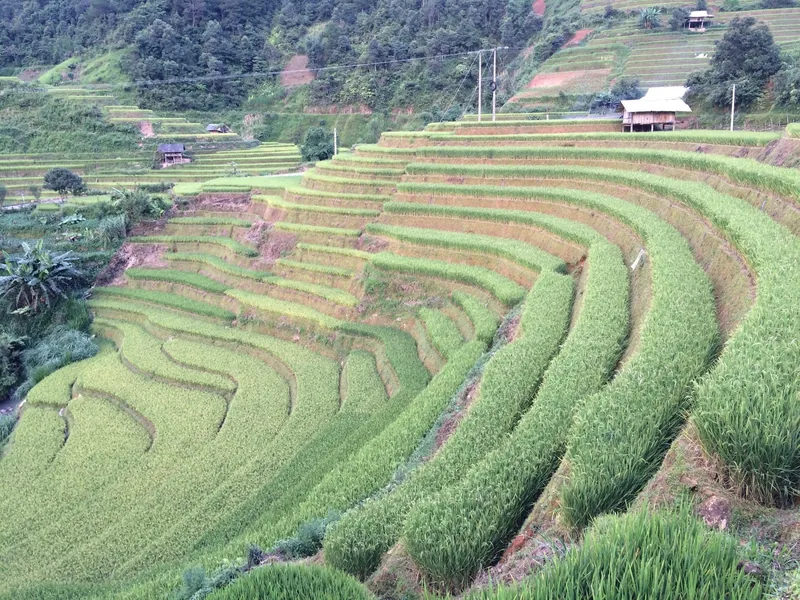
Mu Cang Chai is a district in the mountains of Yen Bai, farmed almost entirely by Hmong families who have cut terraces into hillsides so steep that whole slopes look contoured. There are two times to see them at their best. From about May into June the fields are flooded for planting and the terraces become mirrors. From about mid-September to early October the rice turns gold before harvest. Outside those windows, it is a very long drive for green hillsides.
So we plan this trip around your dates. The first day stops at Tu Le, a valley known for its sticky rice, which splits the journey. The car, driver and guide come from our Hanoi partner operator of many years; the homestays near the terraces are small, family-run places.
- Length
- 4 days, 3 nights
- From Hanoi
- 7 to 8 hours, via Nghia Lo
- Golden harvest
- About mid-September to early October
- Flooded terraces
- About May to June
- Walking
- 2 to 4 hours a day
- Run by
- Our Hanoi partner operator
Nights
Where you sleep
Day by day
Day by day
Day 1
Hanoi to the Tu Le valley
A 06:30 start from Hanoi. The road runs west and north-west to Nghia Lo, a market town in a broad rice valley, then climbs to Tu Le. With lunch and stops it takes about six hours, and you arrive in mid-afternoon. A short walk into the fields around the village before dinner; the sticky rice here is the reason people stop.
Day 2
Over the Khau Pha pass to the terraces
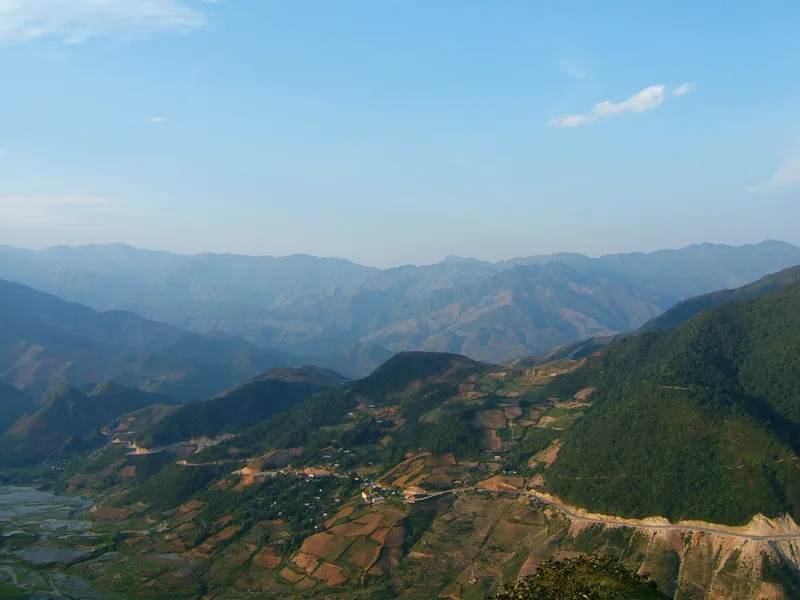
The Khau Pha pass climbs out of Tu Le in long loops to about 1,200 metres and then drops towards Mu Cang Chai; the view back over the valley is one of the best road views in the north. It is only an hour or two of driving, which leaves the afternoon for a first walk through the terraces around La Pan Tan.
Day 3
A full day on the terraces
The walking day. Your guide picks the route by what the fields are doing that week: the classic viewpoints at La Pan Tan and Che Cu Nha, and paths down through the terraces to Hmong villages where families will be planting or harvesting. Walks are three to four hours, with the car moving you between them.
Sunset from a terrace viewpoint, then dinner at the homestay.
Day 4
The long road back to Hanoi
An early viewpoint if the morning is clear, then the drive back to Hanoi by the same route, seven to eight hours with stops, arriving at around 17:00 to 18:00.
Price
Price
| Travellers | Tier 1 — simple | Tier 2 — comfortable | Tier 3 — the good ones |
|---|---|---|---|
| 2 travelling | from 565 | from 705 | from 1075 |
| 4 travelling | from 465 | from 580 | from 880 |
| 6 travelling | from 420 | from 525 | from 795 |
The table above is for travel outside the harvest peak. The harvest weekends in late September are the busiest days of the year here, when the handful of good homestays fill quickly and cost more; the earlier you book, the more choice you have. Travelling midweek helps.
Included
What is included
What the price includes
- Private car and driver for four days
- English-speaking guide throughout
- Three nights: guesthouse and homestay, breakfast included
- All meals from lunch on day one to lunch on day four
- Viewpoint and village entrance fees
- Our 24/7 line
What it does not include
- Paragliding or other activities at the pass
- Drinks
- Travel insurance, visas, flights and tips
Practical
Choosing your dates
The harvest date moves each year and differs between valleys by a week or more. We ask our partner’s guides what the fields are doing a few weeks before you travel and will suggest shifting the dates if it looks early. In a wet year the gold can come in a rush and be cut within a fortnight. For flooded terraces, late May and early June are safest. July and August are wet and green, with landslides; from December to February it is cold and the fields are bare.


Not for everyone
Who this does not suit
Nobody whose dates fall outside the two windows should book this for the terraces; we will tell you so and suggest Pu Luong or Sapa. The drive is long on both ends, around fourteen hours in the car across four days, and anyone who dislikes mountain roads should weigh that honestly. Homestays are simple and shared bathrooms are common. Photographers who want the terraces at sunrise every day should add a night; three nights is the minimum, not the ideal.
Common questions
Questions travellers ask most
When are the Mu Cang Chai terraces golden?
Roughly mid-September to early October, varying by year and valley. Flooded terraces are around May to June.
How far is it from Hanoi?
Seven to eight hours by road via Nghia Lo. We split the outward drive with a night at Tu Le.
Can we combine it with Sapa?
Yes. Our nine-day northwest loop continues from Mu Cang Chai to Sapa over the O Quy Ho pass rather than driving back.
Related
Read next
Northern Vietnam
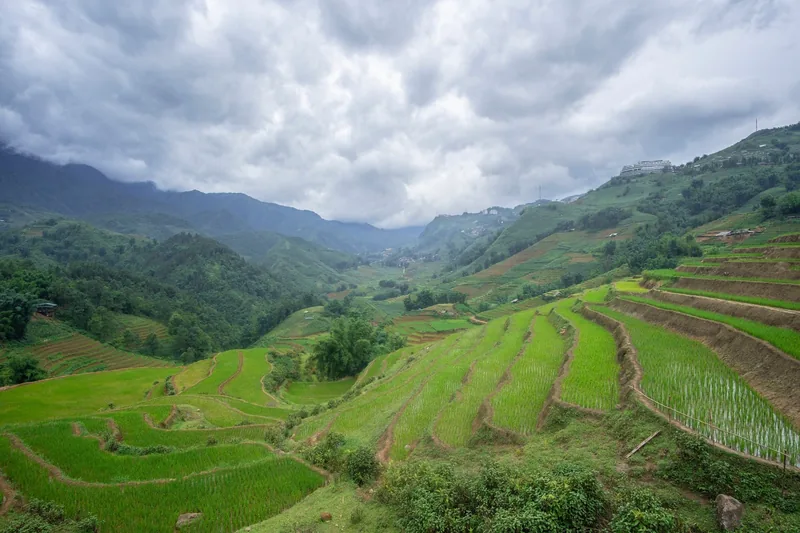
Sapa
Terraced valleys, homestays and honest advice about the town.
View this journey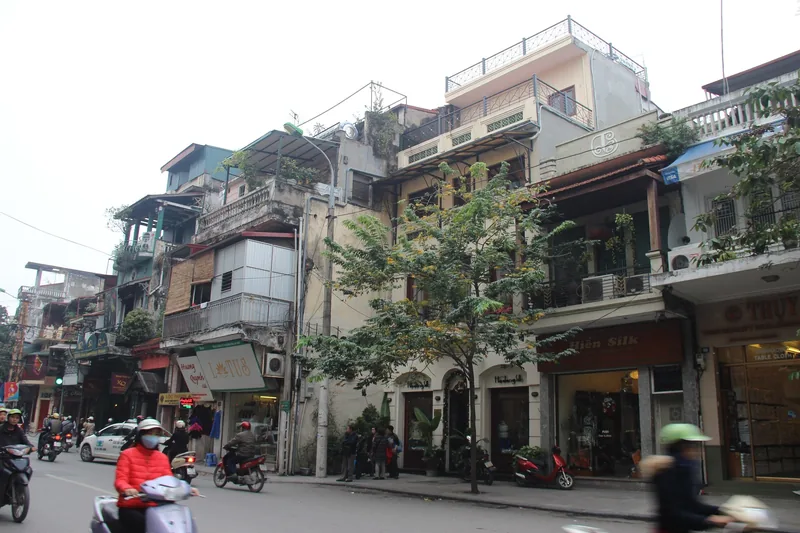
Northern Vietnam
Hanoi
The capital: Old Quarter, food, and the northern base.
View this journey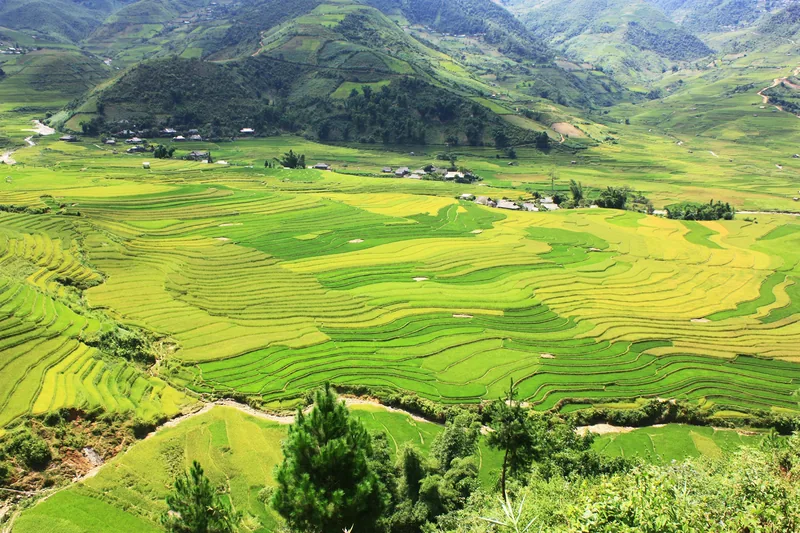
Example journey
The northwest loop
Mai Chau, Mu Cang Chai and Sapa, nine days, no backtracking.
View this journey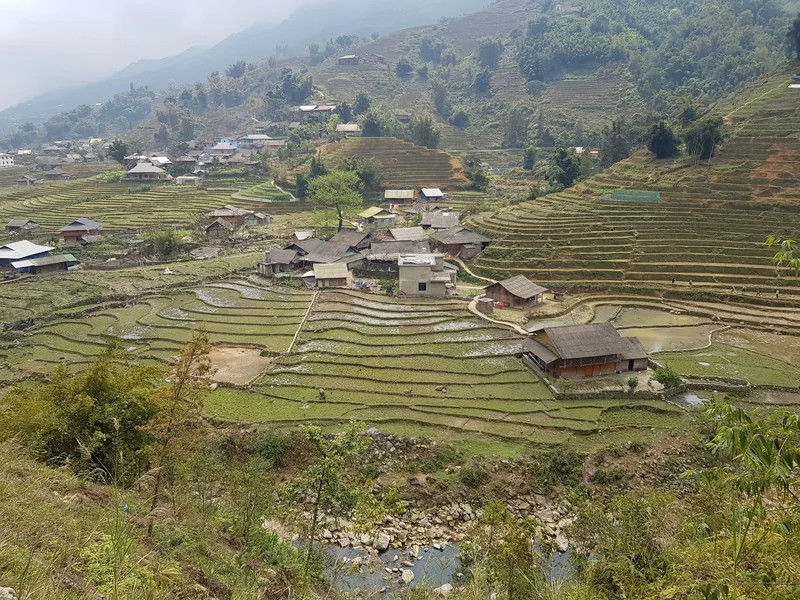
Example journey
Sapa valley trek
Two walking days between valley villages, with a homestay night.
View this journey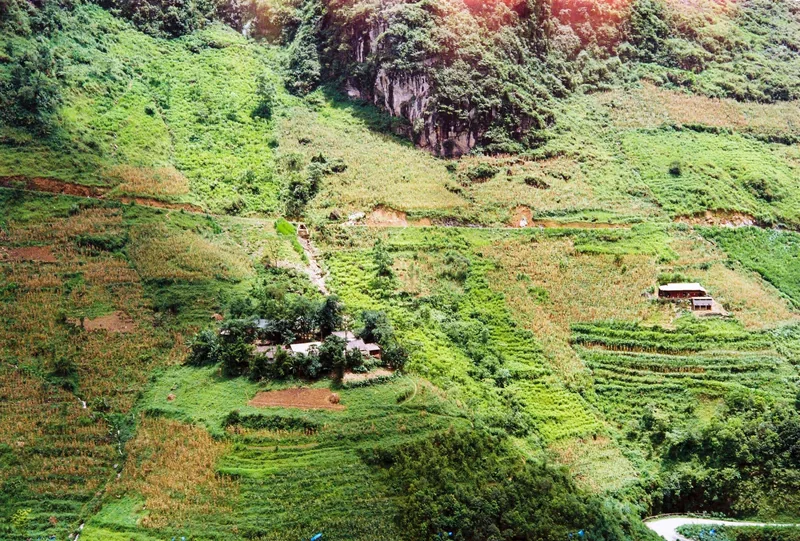
Tours
Tours
Day trips, regional routes and full-length itineraries.
View this journey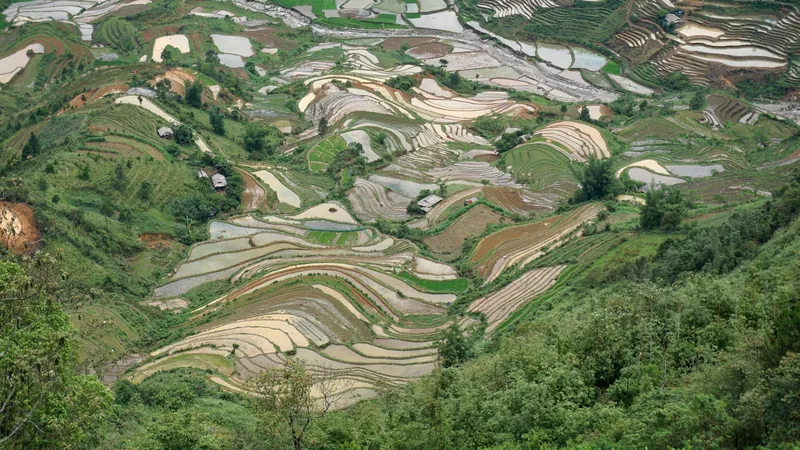
Start planning
Tell us about the trip you have in mind
Dates, party size and the places you care about are enough to start. You get a draft route and an indicative price, not a brochure.
Or talk to us:+84 766 045 399