 Tours out of Ho Chi Minh City and across Vietnam
Day trip from Saigon
A century of Saigon, one façade at a time
Saigon has lost a lot of its old buildings, but what survives covers a remarkable century: French civic grandeur, Chinese shophouses, and a tropical modernism few visitors notice.
Overview
What survives, and why it matters
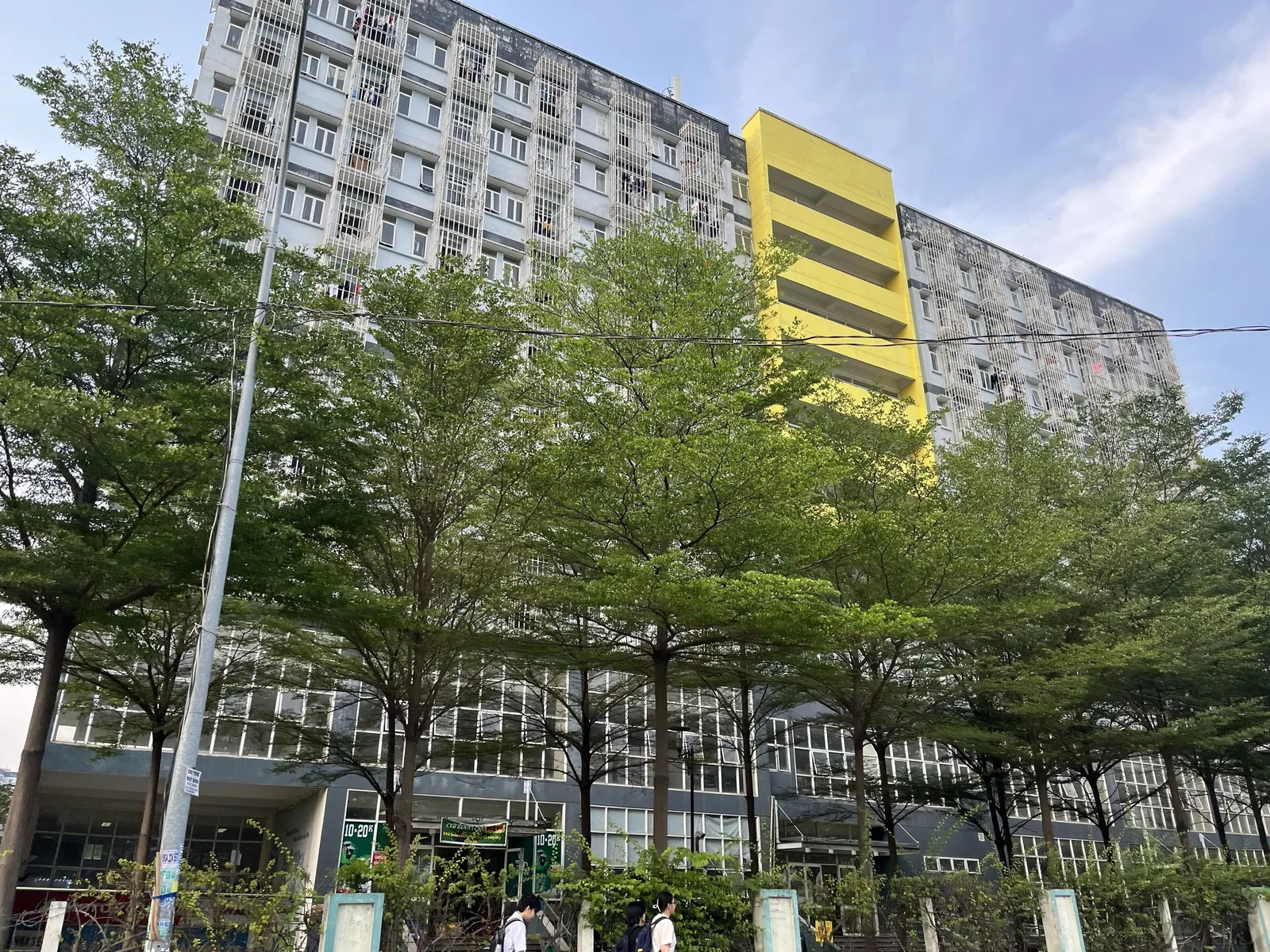
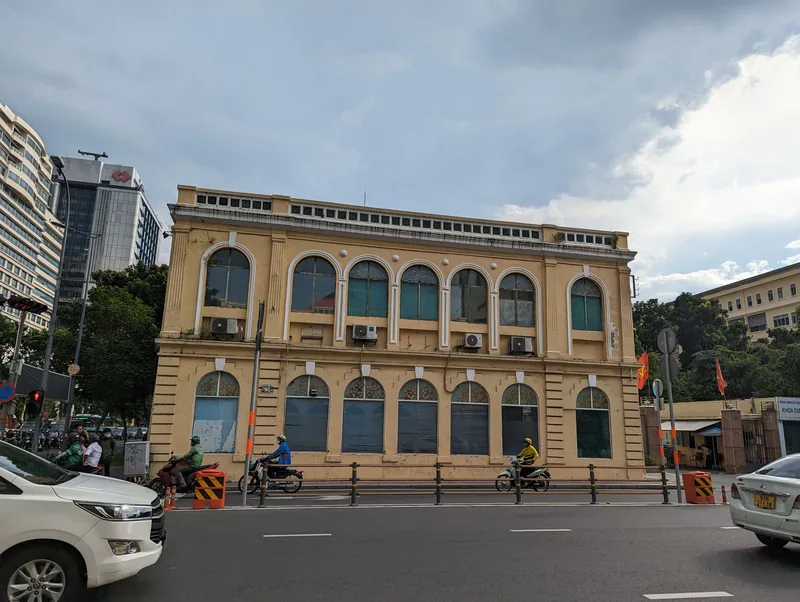
Saigon is not a preserved city. It has been rebuilt many times and is being rebuilt now, which makes the buildings that remain more interesting, not less. The French left civic buildings designed to impress: the opera house, the city hall, the post office. Chinese merchants built shophouses with living quarters above. Then in the 1960s, Vietnamese architects trained in Paris and at home built a tropical modernism of concrete screens, deep balconies and shaded stairwells, designed for heat and rain.
This walk covers all three in a morning, with a guide who specialises in the city’s buildings and can explain what the buildings were designed to do and what has happened to them since. It is a walk in the early hours, when the light is low and the pavements are passable.
- Length
- About 4 hours
- Start
- 07:00
- Finish
- Around 11:00
- On foot
- About 4 km
- Style
- Colonial, shophouse, modernist
- Group
- 12 at most
Day by day
How the morning runs
Day 1
A century of façades
The palace façade in the late morning light
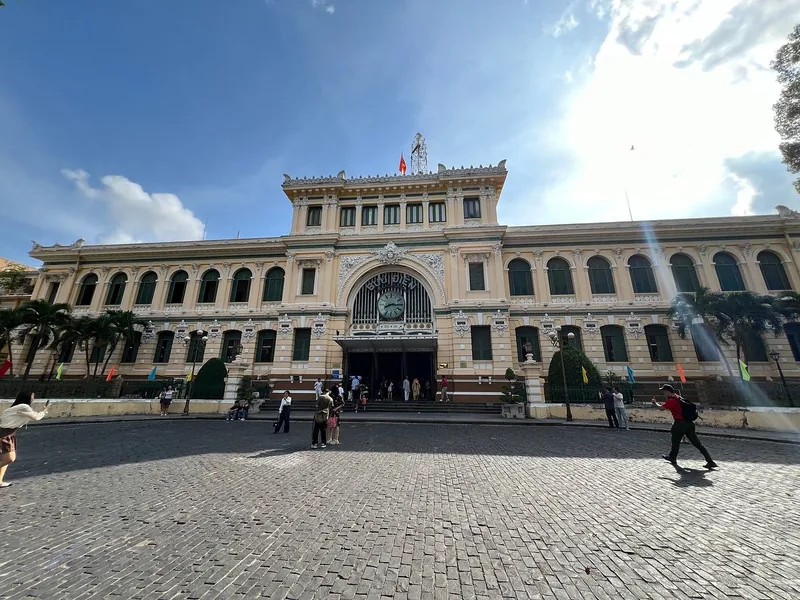
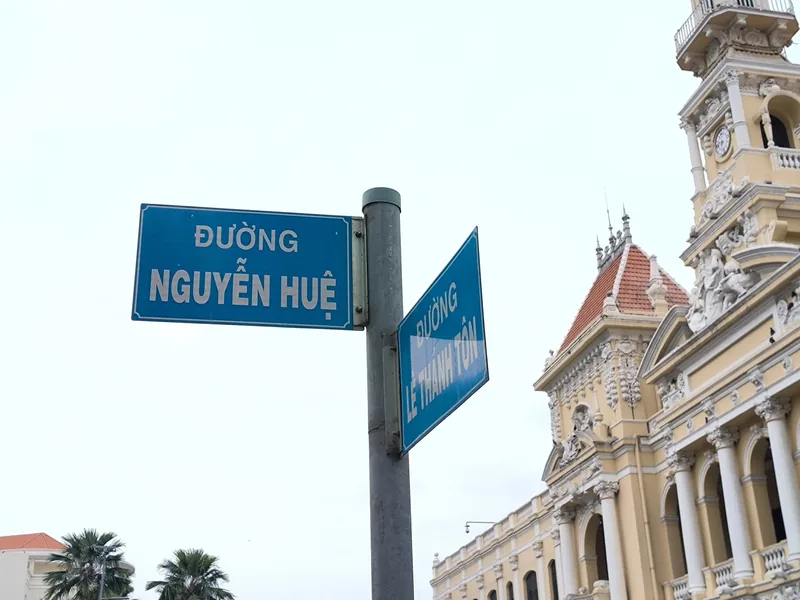
07:00 — meeting at your hotel, or at the opera house for guests who prefer to walk. 07:15 — Lam Son square: the opera house and, a few steps away, the city hall with its clock tower, both from the first decade of the twentieth century. The building styles borrowed from Paris, but the verandas, shutters and high ceilings are adaptations to the climate.
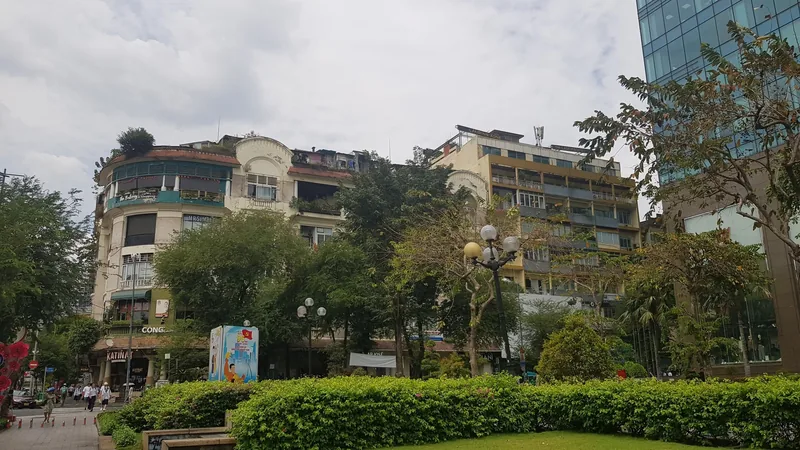
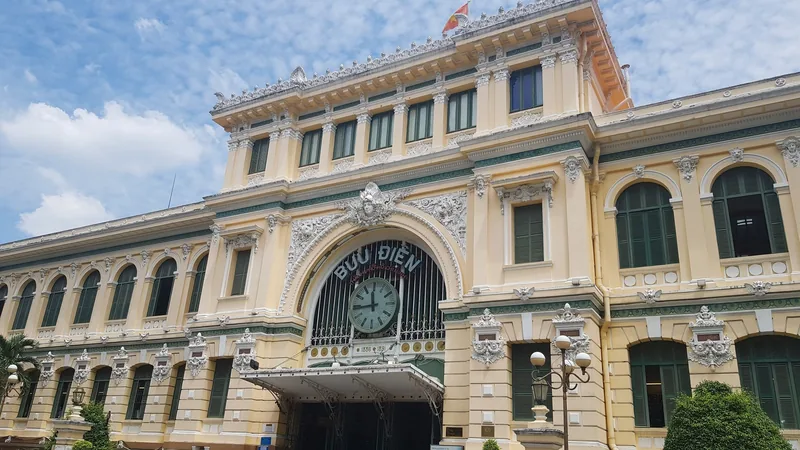
08:15 — the post office and the cathedral square, then the apartment blocks along Nguyen Hue and the side streets, where 1960s residential buildings now host small cafés and shops. A coffee on one of the balconies.
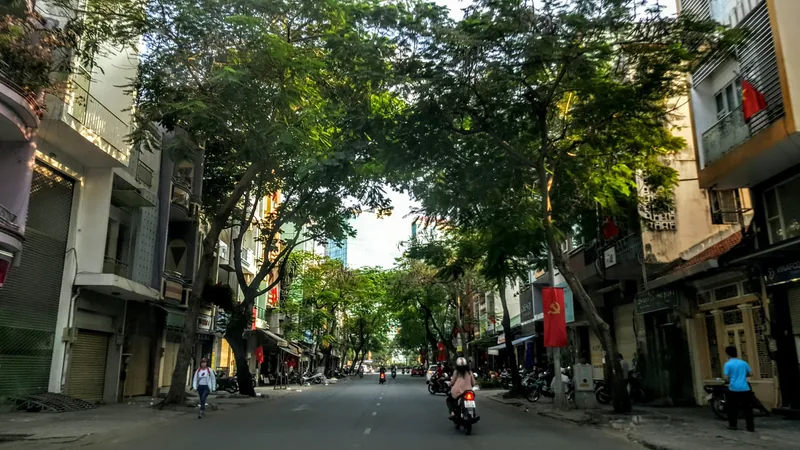
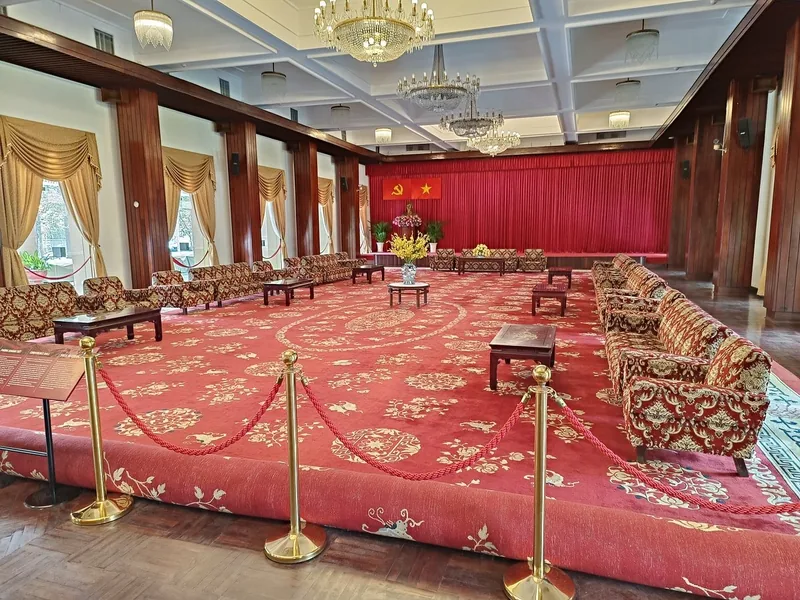
09:30 — into District 3: colonial villas on tree-lined streets, some restored, many divided, a few abandoned. 10:15 — Independence Palace from outside, the finest modernist building in the country, with its screen of concrete bamboo-like stems.
11:00 — the walk ends near the palace. Your guide can take you back to your hotel or recommend lunch nearby.
Price
Price
| Option | Per person (USD) |
|---|---|
| Shared, maximum 12 | from 35 |
| Private, 2 people | from 65 |
| Private, 4 people | from 45 |
The shared walk includes a coffee. A private walk can go further — to the modernist churches and schools of District 3 and Phu Nhuan — or include the palace interior.
Included
What is included
What the price includes
- Guide who specialises in the city’s buildings
- Coffee stop
- Water
- Meeting at hotels in District 1, 3 or Binh Thanh
What it does not include
- Entrance to the palace interior (optional)
- Lunch
- Tips
- Travel insurance
Practical
Photographing buildings in Saigon
Early light is the best light for façades, and the streets are quieter before eight. A wide lens helps on narrow pavements. Many of the apartment blocks are private homes; your guide will say where you can enter and where you should photograph only from the street. Restoration and demolition change the route from year to year, and we adjust it rather than send you to a building site.
Several buildings on earlier versions of this walk have gone. We tell you which, and why. It is part of the story.
Not for everyone
Who this does not suit
If buildings leave you cold, this morning will too; the Cho Lon morning is a livelier look at the old city. It is a walk of about four kilometres, which some will find tiring in the heat. And it is not a history tour of the war: the palace is here for its architecture, and the story of 1975 is better told on the city essentials day.
Common questions
Questions travellers ask most
Do I need to know about architecture?
No. The guide explains what to look for and why, and it is as much about the city as the buildings.
Can we go inside the buildings?
The post office and the palace are open to visitors; the apartment blocks are partly accessible through their cafés. The opera house is open only for performances.
Is it suitable for photographers?
Very. The early start is for the light as much as the heat.
Related
Read next
Southern Vietnam
Ho Chi Minh City
The city we work in: districts, food, timing and honest advice.
View this journey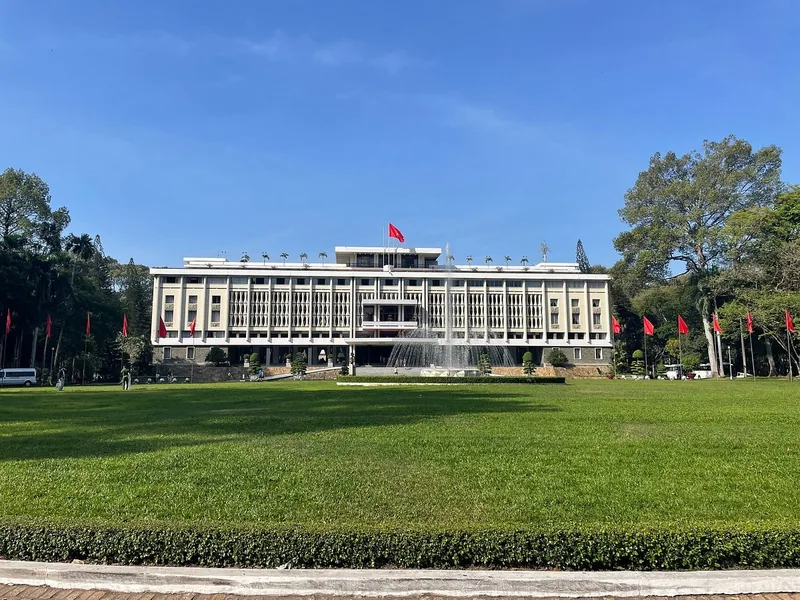
Example journey
Saigon in a day, on foot
The palace, the museum, the post office and a market, on foot.
View this journey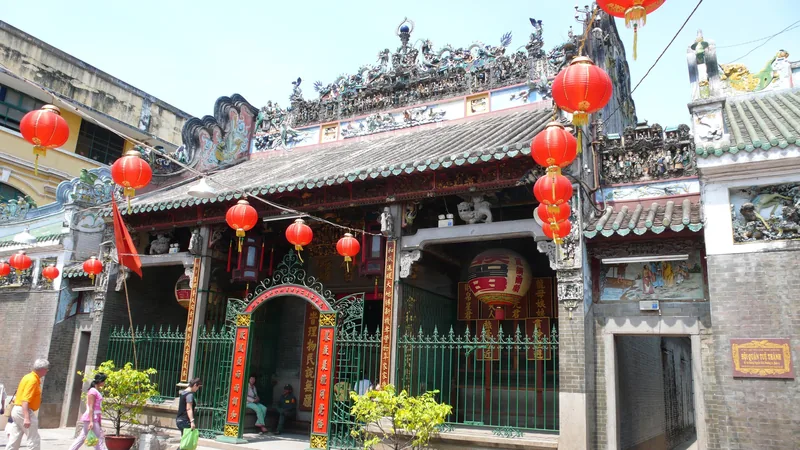
Example journey
Cho Lon, the Chinese city
Binh Tay market, the assembly halls and a herbalist street.
View this journey
Tours
Tours
Day trips, regional routes and full-length itineraries.
View this journey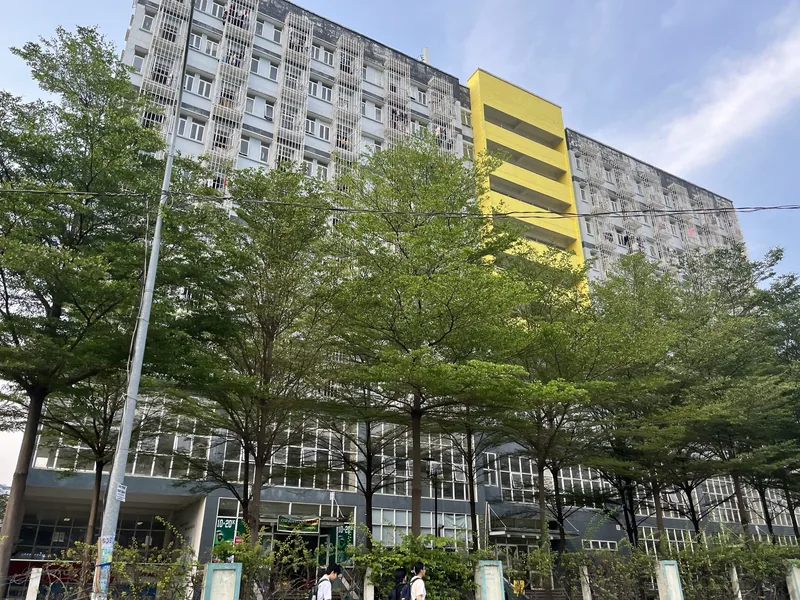
Start planning
Tell us about the trip you have in mind
Dates, party size and the places you care about are enough to start. You get a draft route and an indicative price, not a brochure.
Or talk to us:+84 766 045 399