 Tours out of Ho Chi Minh City and across Vietnam
Northern Vietnam
The Ha Giang loop without the rush
The most dramatic road in Vietnam, along the Chinese border on a grey limestone plateau. Three nights, two ways of travelling it, and no day that is only a transfer.
Overview
What the four days buy you
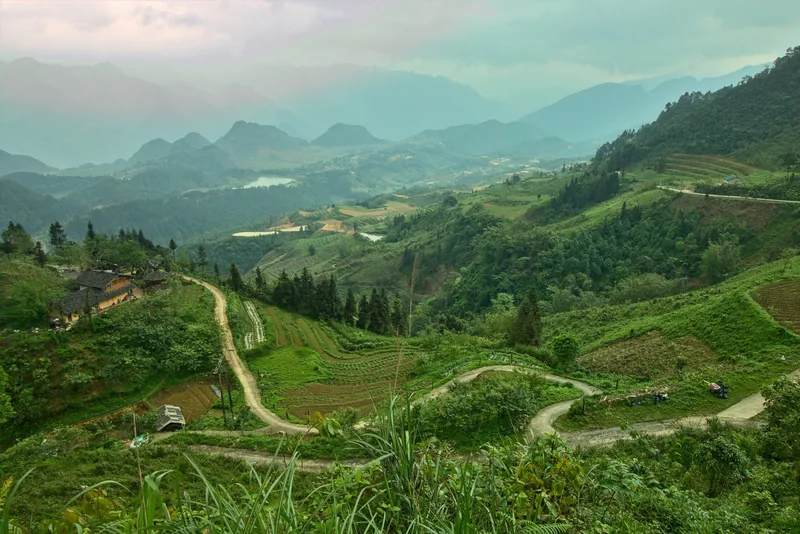
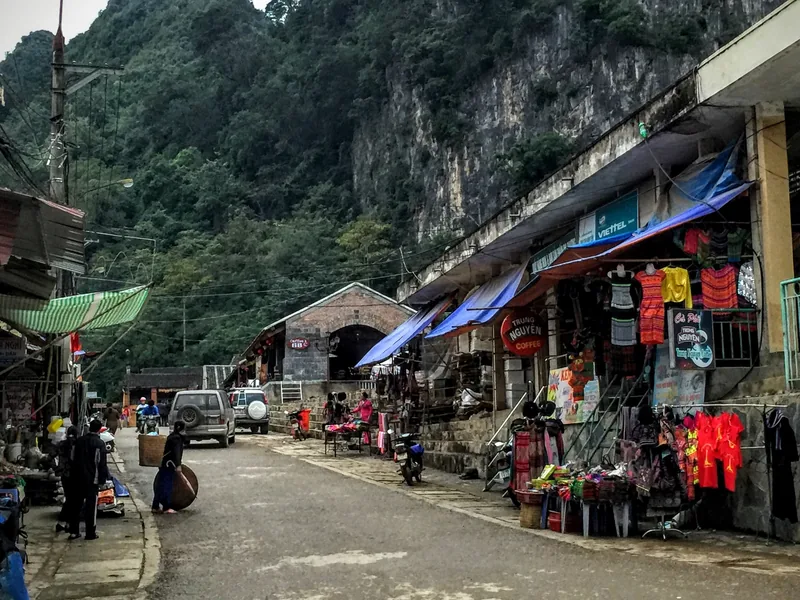
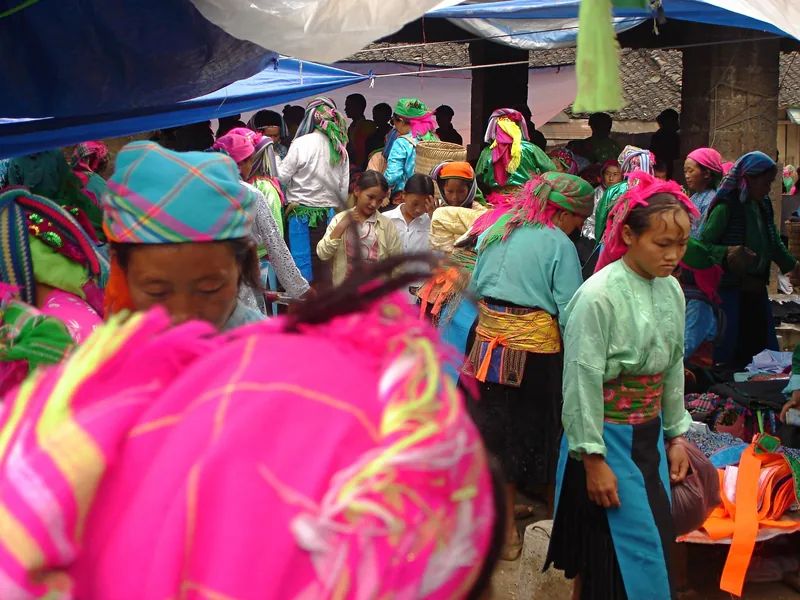
North of Ha Giang city the country turns to a karst plateau of grey stone, pockets of maize and terraced soil, and Hmong villages built of rammed earth. The loop runs up through Quan Ba and Yen Minh to Dong Van near the border, crosses the Ma Pi Leng pass above the Nho Que river, and drops to Meo Vac. It is the finest stretch of road in the country, and it deserves more than the three rushed days that hostel tours squeeze it into.
On the ground we use a Ha Giang operator we have worked with for years. Their drivers and riders are local, their guides speak Hmong, and they handle the border-area permit that you need for the loop. We plan the days so that the famous views come in good light rather than at whatever hour the schedule reaches them.
- Length
- 4 days, 3 nights
- From Hanoi
- About 6 hours to Ha Giang city
- On the loop
- Roughly 350 km of mountain road
- Transport
- Car, or pillion with a pro rider
- Best months
- March to May, September to November
- Run by
- Our Ha Giang partner operator
Nights
Where you sleep
Day by day
Day by day
Day 1
Hanoi to Ha Giang, and up to Quan Ba
We leave Hanoi at 06:30. The drive north to Ha Giang city is about six hours with a lunch stop, most of it on a good road. Here you meet your guide and, if you have chosen the easy-rider option, your riders, and the permit is checked.
The afternoon climbs about an hour and a half to Quan Ba, stopping on the pass for the view over the valley and its two rounded hills. The night is in a homestay on the valley floor.
Day 2
Yen Minh, the Hmong king’s house and Dong Van
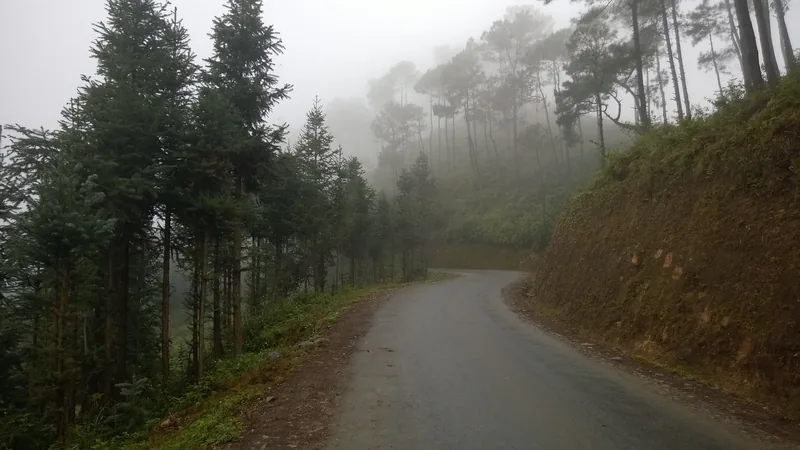
A slow day north through the pine forest at Yen Minh and on to the plateau proper, with the grey stone closing in on both sides. After lunch you visit the Vuong family mansion at Sa Phin, built for the Hmong ruler of the area in the early twentieth century, and optionally the flagpole at Lung Cu near the northernmost point of the country.
You arrive in Dong Van late afternoon. Its short old street of tiled shophouses is at its best at dusk. If you are there on a Sunday morning, the market is the reason to get up early.
Day 3
The Ma Pi Leng pass, the Nho Que river and back south
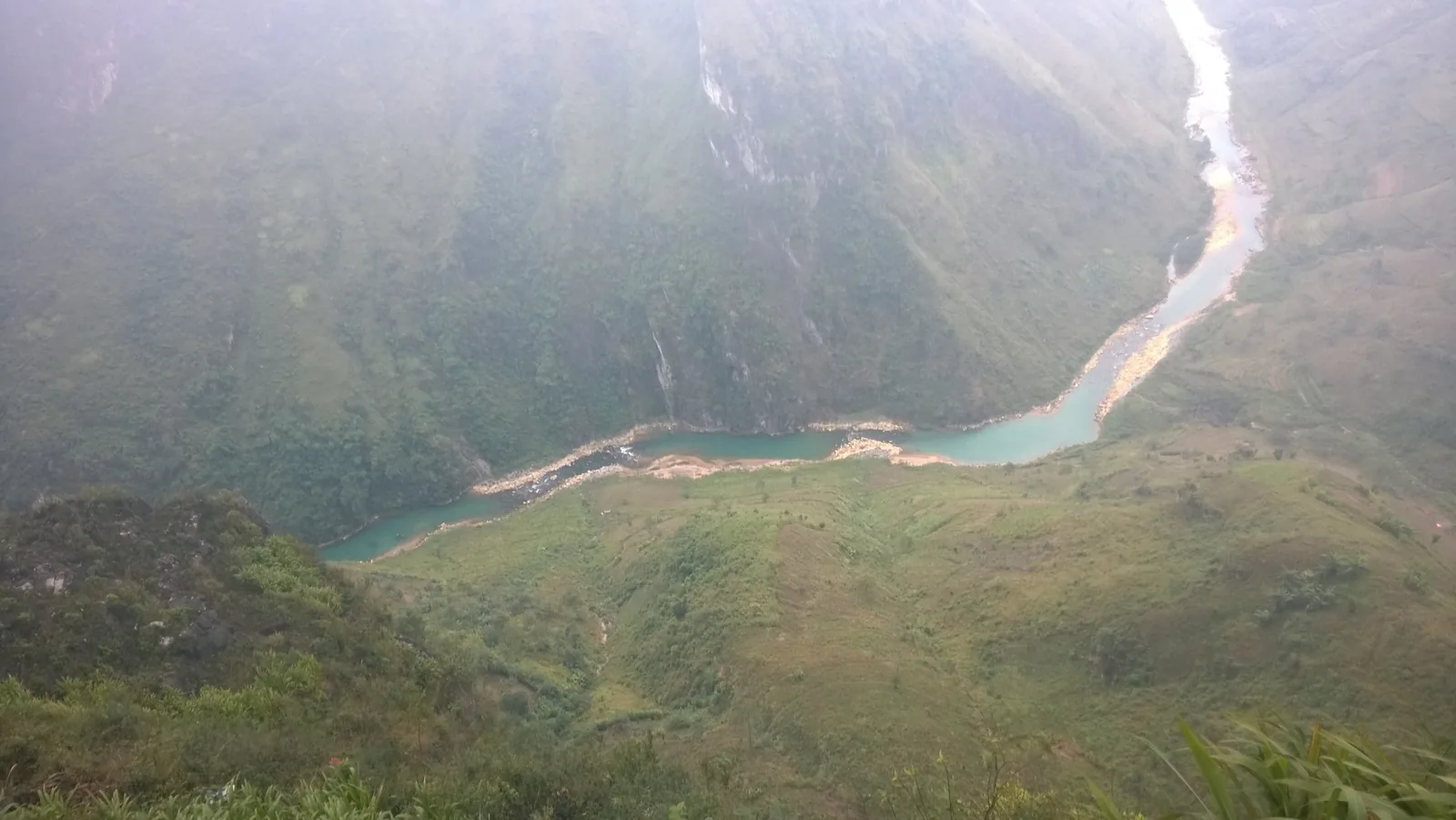
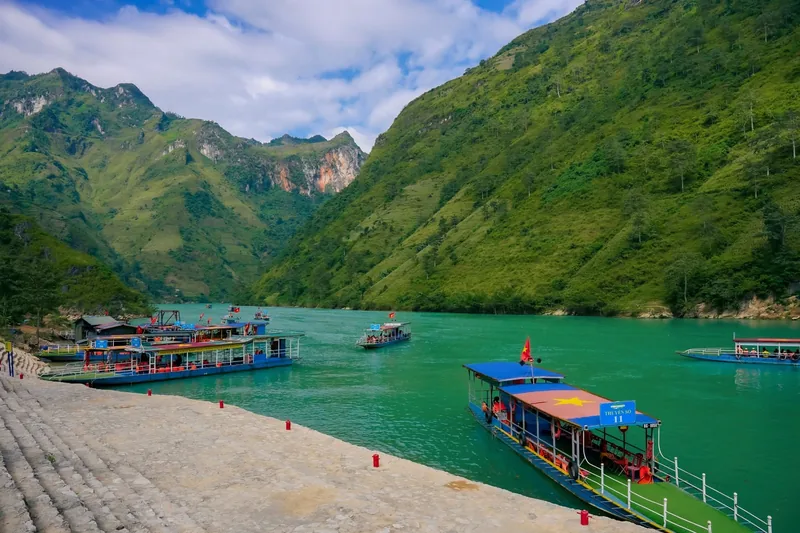
The best morning of the trip. The pass between Dong Van and Meo Vac is about twenty kilometres of road carved into the cliff, with the Nho Que river as a green thread far below. You stop often, then drop down to the river for a boat ride through the gorge, about an hour on the water.
After lunch in Meo Vac the route turns south through Mau Due and the quieter back roads to Ha Giang city, about four to five hours, arriving in the early evening.
Day 4
Ha Giang to Hanoi
Breakfast and an 08:00 start for the six-hour drive back to Hanoi, arriving at your hotel at around 15:00. Some travellers take a late flight out of Noi Bai the same evening; we would allow a margin in the rainy months.
Price
Price
| Travellers | Tier 1 — simple | Tier 2 — comfortable | Tier 3 — the good ones |
|---|---|---|---|
| 2 travelling | from 525 | from 655 | from 1000 |
| 4 travelling | from 430 | from 540 | from 820 |
| 6 travelling | from 390 | from 485 | from 740 |
The table above is for a private car and driver on the loop with a local guide. The easy-rider version, with one professional rider per traveller plus a guide, costs about the same for one or two travellers and more for larger groups. A fourth night at Du Gia, on the quieter eastern road, is the extension we most often add.
Included
What is included
What the price includes
- Private car and driver from Hanoi, or car to Ha Giang then easy riders on the loop
- Local English-speaking guide on the loop
- Three nights: homestay, guesthouse and small hotel, breakfast included
- Meals as listed in the day by day
- Border-area permit, entrance fees and the Nho Que boat
- Helmets and rain gear for the easy-rider option
What it does not include
- Self-drive motorbike rental
- Travel insurance, which we require — see the note on riding
- Visas, drinks and tips
- The extra Du Gia night unless added
Practical
Car or bike, and the insurance question
The loop has become famous on the back of a motorbike, and it is a wonderful way to see it. If that is what you want, the safe way is on the pillion, behind a professional local rider who drives these passes every week. You see the same road, you can still stop wherever you like, and the person handling the bends, the gravel and the trucks is not you.
We do not arrange self-ride trips for anyone without a motorbike licence valid in Vietnam. Riding without one almost always voids your travel insurance, and medical evacuation from the plateau is hours away. If you hold the right licence and ride well, tell us and we will talk it through.
Weather matters too. March to May and September to November are the clear windows, with the rice gold in the terrace pockets around late September and October. From December to February the plateau is cold, often in single digits, and mist can sit on the passes. July and August bring heavy rain and landslides that close stretches of road.
Not for everyone
Who this does not suit
This is three days of switchbacks, and anyone who suffers badly from car or motion sickness will have a hard time on either wheels or four. The best beds on the loop are good homestays and simple guesthouses, never resorts, and bathrooms can be basic. If you have only ten days in Vietnam, spending four of them here means dropping another region entirely — worth it for some people, not for most first-time visitors.
Common questions
Questions travellers ask most
Easy rider or car?
Both see the same road. The easy rider is more exposed and more memorable; the car is warmer, drier and better for anyone nervous on a bike. Either way you stop wherever you like.
Can I ride the motorbike myself?
Only with a motorbike licence valid in Vietnam. Without one, your insurance is almost certainly void. Riding pillion with a professional is the option we recommend.
Do I need a permit?
Yes, for the border area. Our Ha Giang partner arranges it in Ha Giang city; bring your passport for the checkpoints.
Why four days rather than three?
Three days usually means the Ma Pi Leng pass in the midday glare and a night in the car. Four gives each stretch its own day.
Related
Read next
Northern Vietnam
Ha Giang
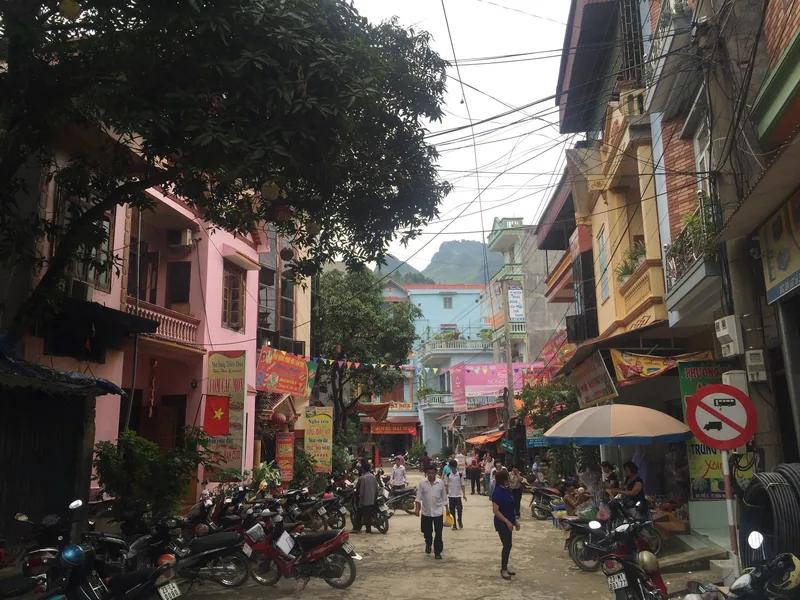
The loop: routes, timing, and car versus motorbike.
View this journey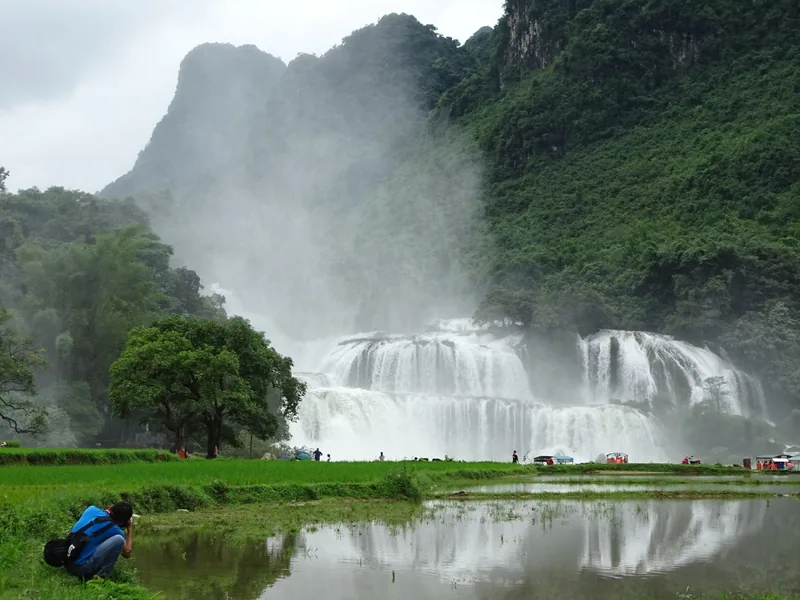
Northern Vietnam
Cao Bang
Ban Gioc, Nguom Ngao and the empty north-east.
View this journey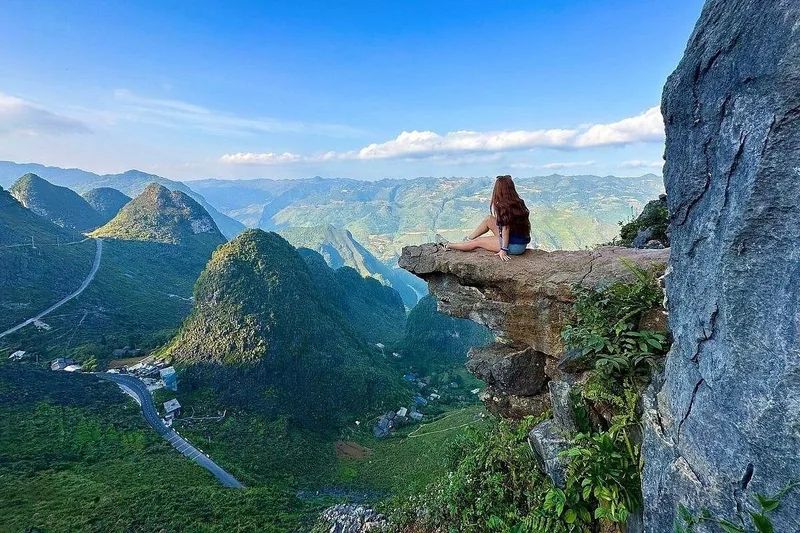
Example journey
Ha Giang and Cao Bang
The loop, the border road east and Ban Gioc falls.
View this journey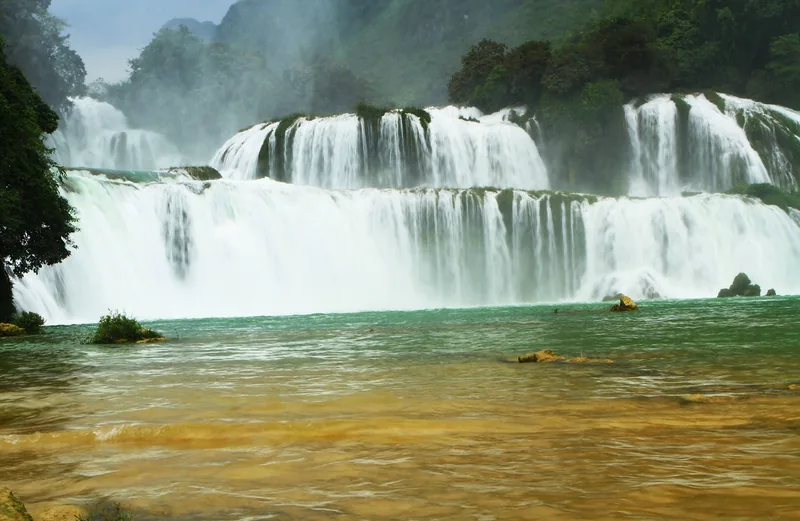
Example journey
Cao Bang and Ban Gioc
The border waterfall, a kilometre of cave and a homestay near the falls.
View this journey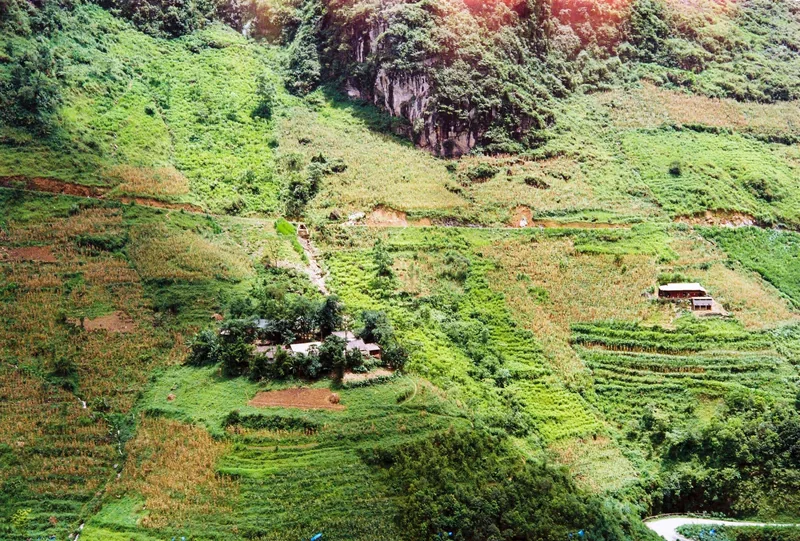
Tours
Tours
Day trips, regional routes and full-length itineraries.
View this journey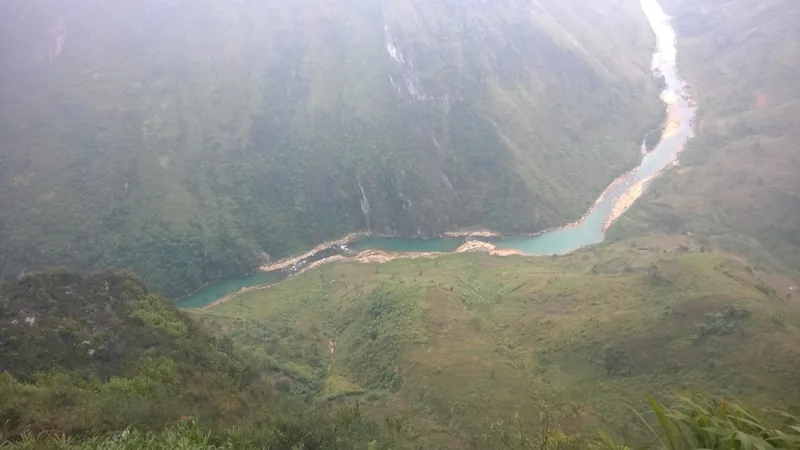
Start planning
Tell us about the trip you have in mind
Dates, party size and the places you care about are enough to start. You get a draft route and an indicative price, not a brochure.
Or talk to us:+84 766 045 399