 Tours out of Ho Chi Minh City and across Vietnam
Travel guide
Trains and buses in Vietnam, with the real hours
The train is the slow, comfortable way to see the length of Vietnam, and the bus is the cheap way. Both are worth knowing about, and neither is as quick as the timetable suggests.
The railway
The line that runs the length of the country
Checked every month against the national railway’s published timetable and against the actual arrival times our travellers report, which is the number this page cares about.
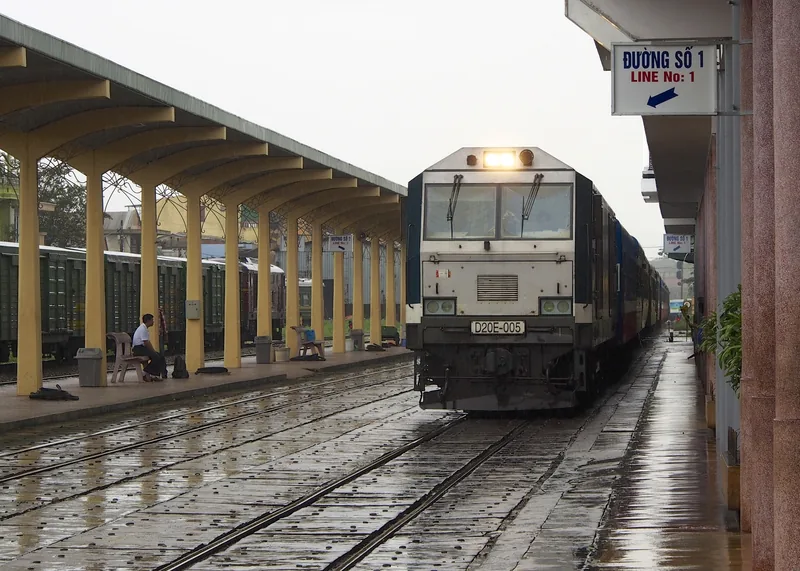
The Reunification line runs from Hanoi to Saigon along the coast, through Vinh, Hue, Da Nang, Quang Ngai, Nha Trang and past the long dry coast of the south. It is single track for most of its length, which is why trains wait at passing loops and why the fastest service takes around 30 to 33 hours end to end.
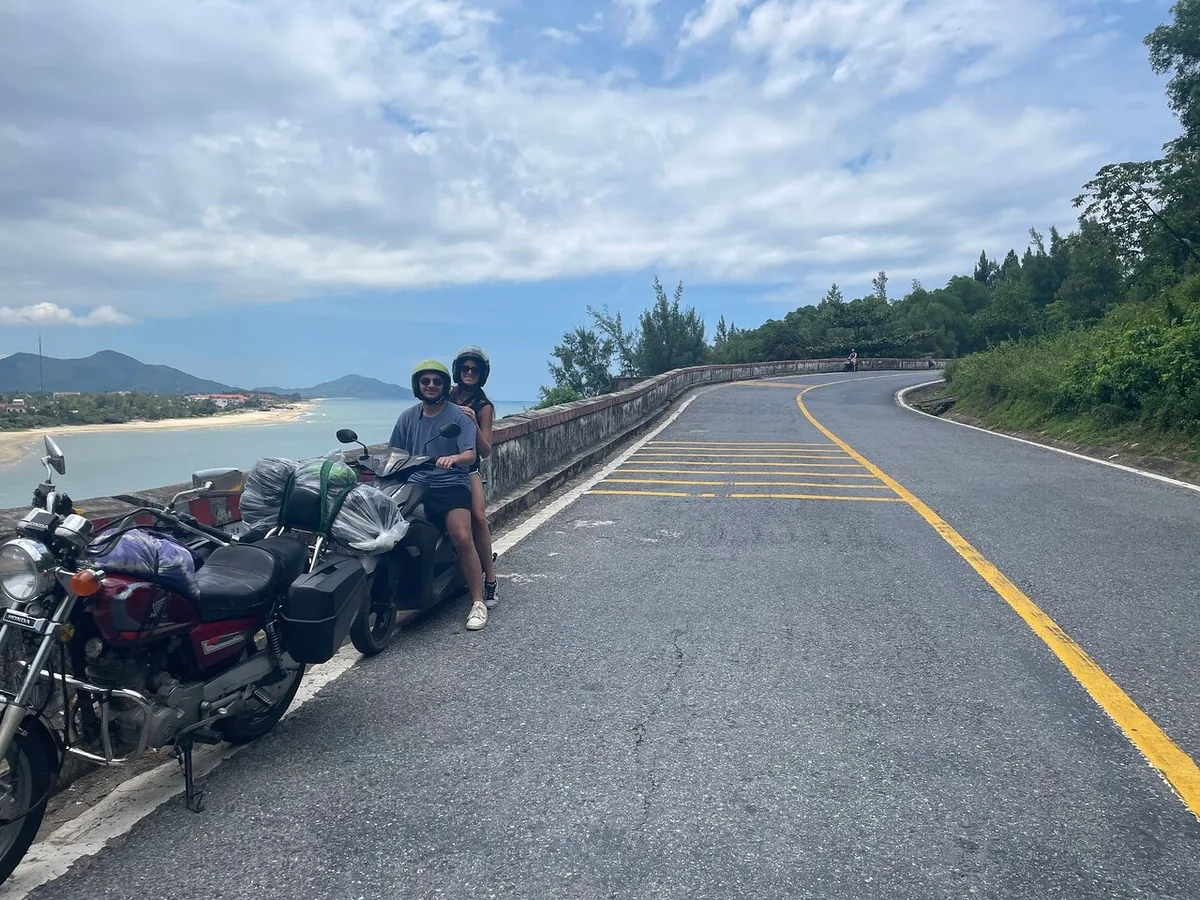
Almost nobody should ride the whole line in one go. Taken in sections, though, it is one of the better ways to travel in Vietnam: a comfortable overnight leg saves a hotel night and an early flight, and the daytime stretch between Hue and Da Nang along the sea is one of the finest rides in Asia.
- Hanoi to Saigon
- About 1,726 km
- Fastest train
- Around 30 to 33 hours
- Best cabin
- Soft sleeper, four berths
- Book through
- The national railway, or an agent
Real times
Journey times we use for planning
| Leg | Timetable (roughly) | What we plan around |
|---|---|---|
| Hanoi to Hue | 12 to 14 hours, overnight | Arrive mid-morning; add an hour for delays |
| Hue to Da Nang | 2.5 to 3 hours | The coastal stretch; take it in daylight |
| Da Nang to Nha Trang | 9 to 10 hours | A long day; flying is usually better |
| Nha Trang to Saigon | 7 to 8 hours | Overnight or daytime both work |
| Saigon to Phan Thiet | About 4 hours | For Mui Ne; a car is faster door to door |
| Hanoi to Lao Cai (for Sapa) | About 8 hours, overnight | Then an hour by road up to Sapa |
The timetable is a promise the line keeps on good days. On long runs, arrivals one to three hours late are not unusual, and more during storms on the central coast from September to November, when sections occasionally close. We never plan a connecting flight or a tight tour start around a train arrival.
Classes
Which class to book
Booking
How to book, and what to expect on board
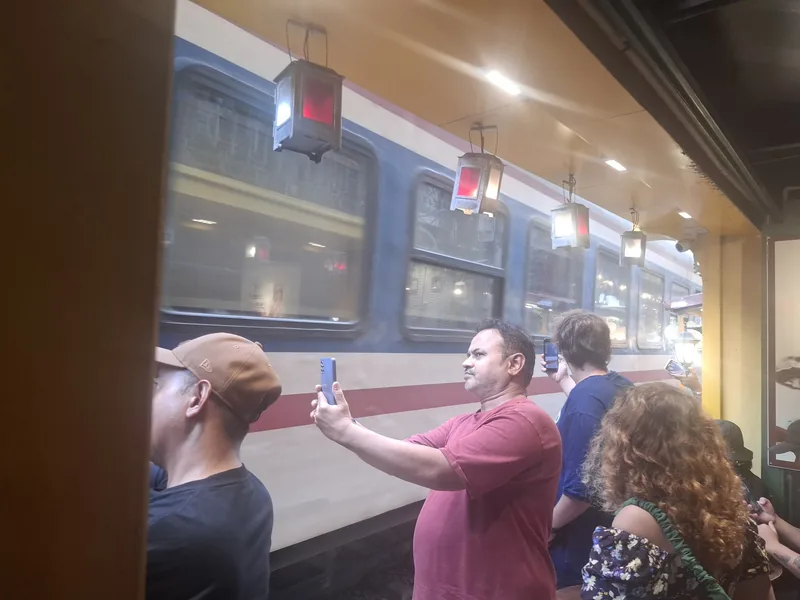
Tickets are sold through the national railway’s official website and station counters, and through agents. Book with your passport details; the names are checked. Popular overnight trains and the days around Tet and other holidays sell out early, so we book them as soon as a trip is confirmed. Be wary of websites that resemble the official one and charge for the same ticket.
- Food trolleys run the length of the train with rice, noodles, drinks and snacks. Bring fruit, water and something you actually like.
- Toilets are basic and get worse as the night goes on; bring tissue and hand gel.
- Keep valuables in the berth with you, not in the luggage rack by the door.
- Earplugs and a light layer: the air-conditioning is often set cold.
Buses
Sleeper buses
Sleeper buses run between most towns in Vietnam, overnight and by day, with two tiers of reclining berths down three aisles. They are cheap and they save a night’s hotel. Newer “limousine” vans with fewer, wider seats are better for daytime legs of four to six hours.
We are cautious about them for two reasons. The first is comfort: berths are short for anyone much above average height, and shoes come off at the door. The second is safety. Night driving on Vietnamese roads carries more risk than day driving, seatbelts are often missing or not used, and overnight buses usually arrive in the small hours at a bus station outside town. We will book one if you ask; we will not put one into an itinerary without saying why we would rather not.
Alternatives
Where the road or a flight wins
For Saigon to Hanoi or Da Nang, fly: two hours instead of a day and a half. For the delta, a private car from Saigon is faster than any bus and there is no railway. For Hanoi to Sapa, the expressway bus or a car takes around five and a half hours and delivers you to the town; the overnight train is the more pleasant journey but ends an hour short. Our getting-around guide has the full table.
Common questions
Questions travellers ask most
Is the train from Hanoi to Saigon worth doing?
In sections, yes. As one continuous 30-hour-plus journey, only for rail enthusiasts. The overnight Hanoi to Hue leg and the daytime Hue to Da Nang leg are the two we book most.
How far ahead should I book trains?
A few weeks is usually enough outside holidays. Around Tet, book as soon as sales open; tickets for the days before the new year go in hours.
Are sleeper buses safe?
Most journeys are uneventful, but night driving and the absence of seatbelts make them riskier than trains or flights. We prefer day journeys by car or train.
Can we book a whole four-berth cabin?
Yes. Buying all four berths gives a family or a couple a private cabin, and it is often the best value on the line.
Related
Read next

Travel guide
Getting around
Flights, trains, buses, apps and real road times.
View this journey
Travel guide
Tet and holidays
Tet dates, what closes, and the other holidays to plan around.
View this journey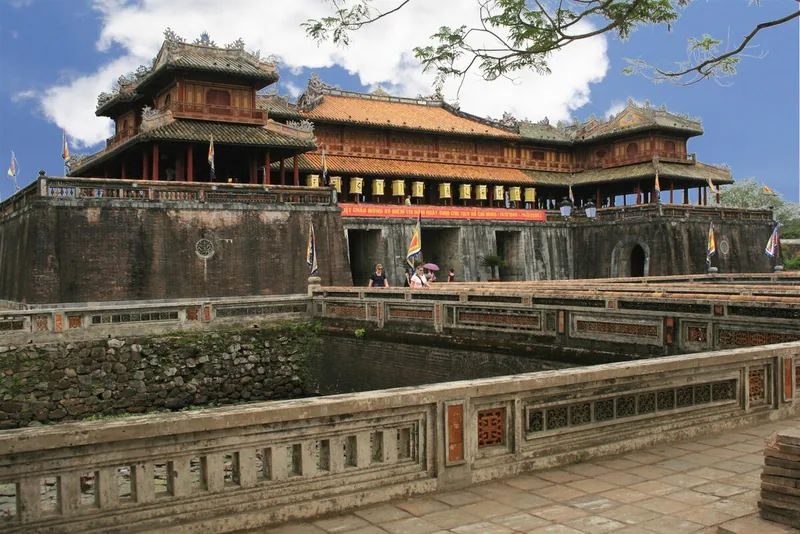
Central Vietnam
Hue
Citadel, royal tombs, and Vietnam’s most particular cuisine.
View this journey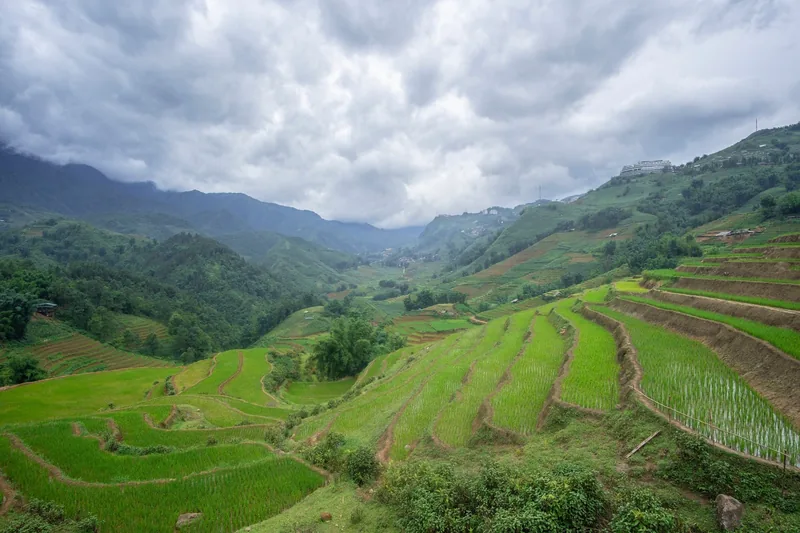
Northern Vietnam
Sapa
Terraced valleys, homestays and honest advice about the town.
View this journey
Travel guide
Travel guide
Practical guides to visas, weather, money and transport.
View this journey
Start planning
Tell us about the trip you have in mind
Dates, party size and the places you care about are enough to start. You get a draft route and an indicative price, not a brochure.
Or talk to us:+84 766 045 399