 Tours out of Ho Chi Minh City and across Vietnam
Cambodia
A river capital with a hard recent past
Phnom Penh sits where the Mekong meets the Tonle Sap, and it carries both a gilded royal quarter and the heaviest history in the region. Two nights lets you give each its due.
Orientation
What the city is
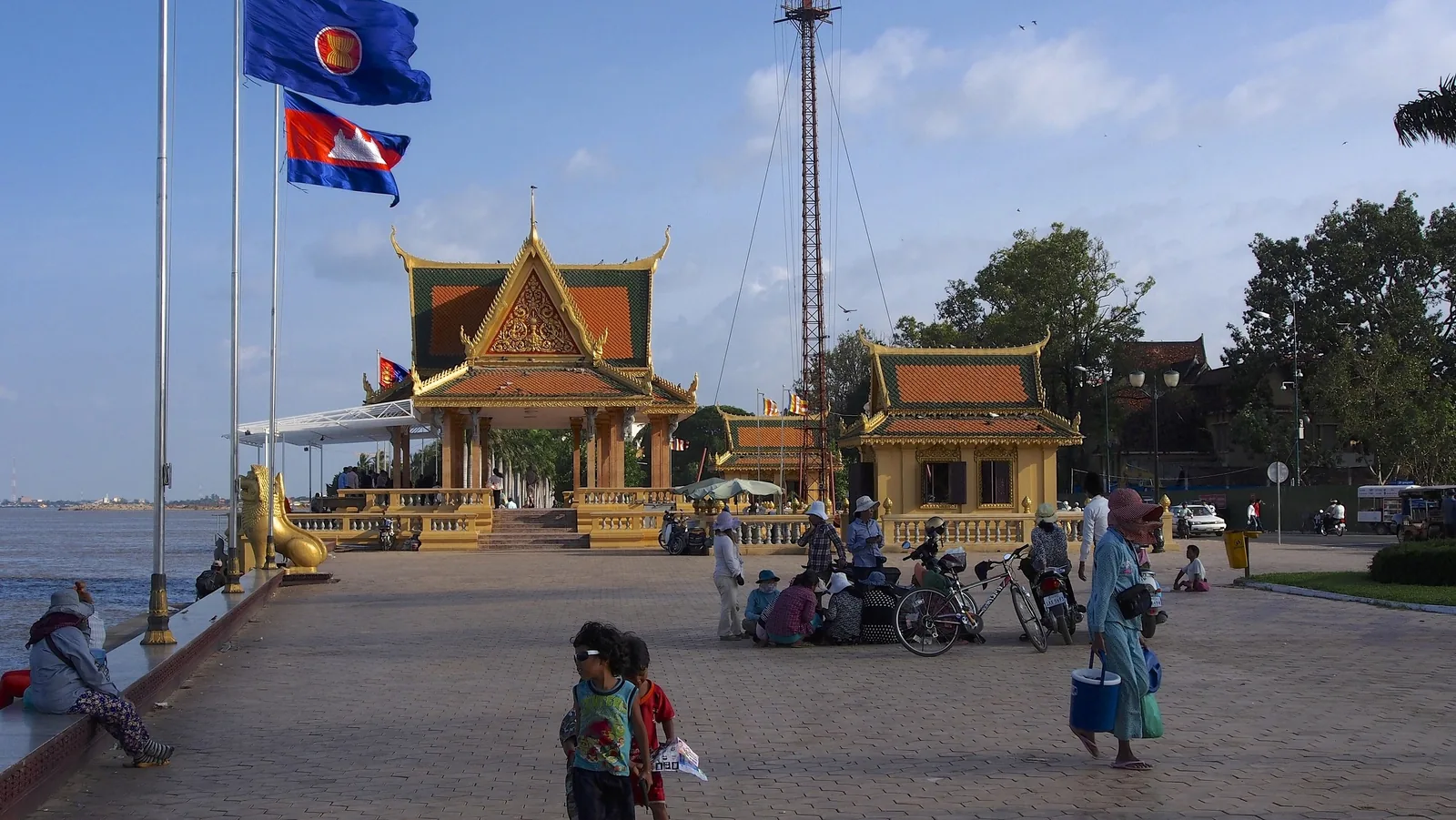
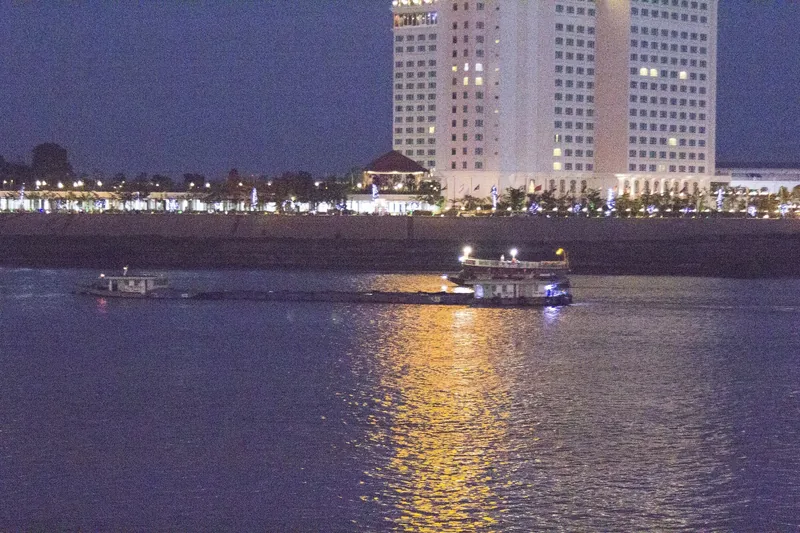
Phnom Penh is a low-rise city that has grown quickly around a very old centre. The riverside, where the Tonle Sap joins the Mekong, is the part visitors know: a promenade, the golden roofs of the palace, pagodas, and French-era buildings in varying states of repair. A few streets back it turns into a busy, practical Asian capital with good food and a growing café scene.
It is also the place where the story of the Khmer Rouge years is told most directly. That is not an optional extra you can decline politely. Most visitors come away saying the morning at Tuol Sleng and Choeung Ek was the most important thing they did in Cambodia, and also the hardest. We plan the rest of the stay around it.
- Nights
- 2 — one if you are only passing through
- From Chau Doc
- 5-7 hours by river
- To Siem Reap
- 5-6h road, or a short flight
- Best months
- November to February
- Where to stay
- Riverside or the streets behind the palace
What to do
What is worth your time
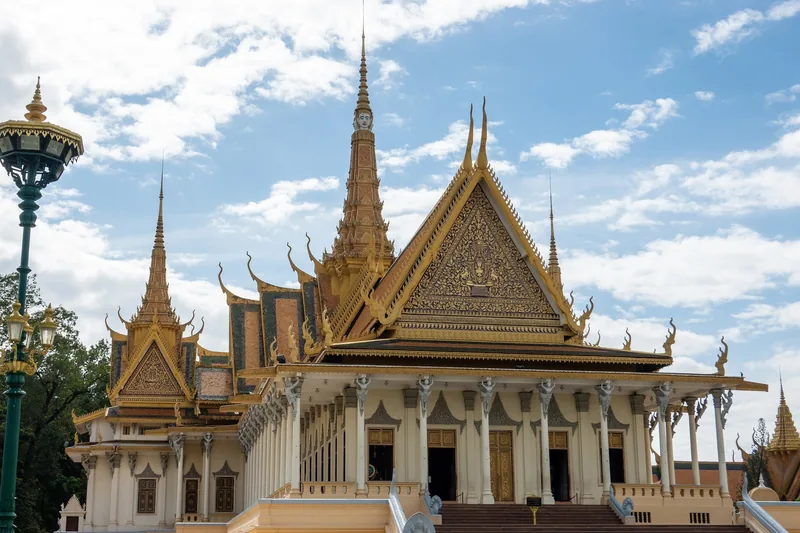
- The Royal Palace and the Silver Pagoda — the formal heart of the city. It closes over the middle of the day, so go at opening time; shoulders and knees must be covered.
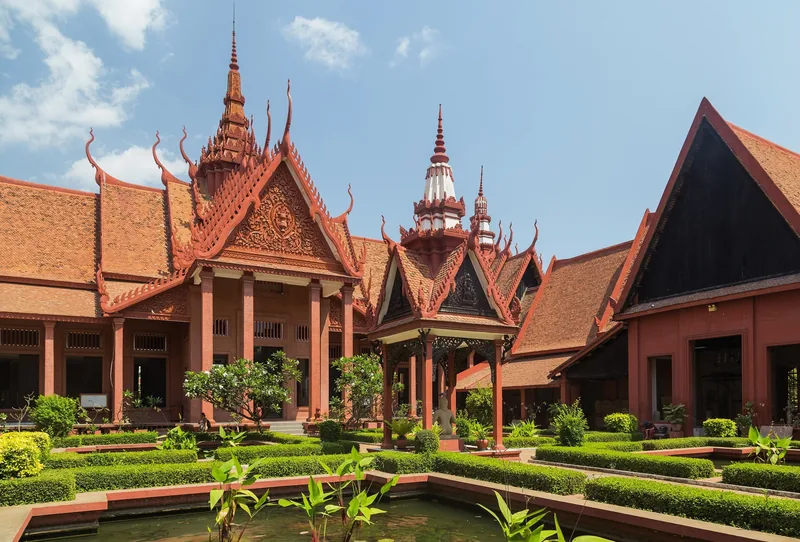
- The National Museum next door — the best collection of Khmer sculpture in the world, in a calm red building around a garden. Seeing it before Angkor makes Angkor easier to read.
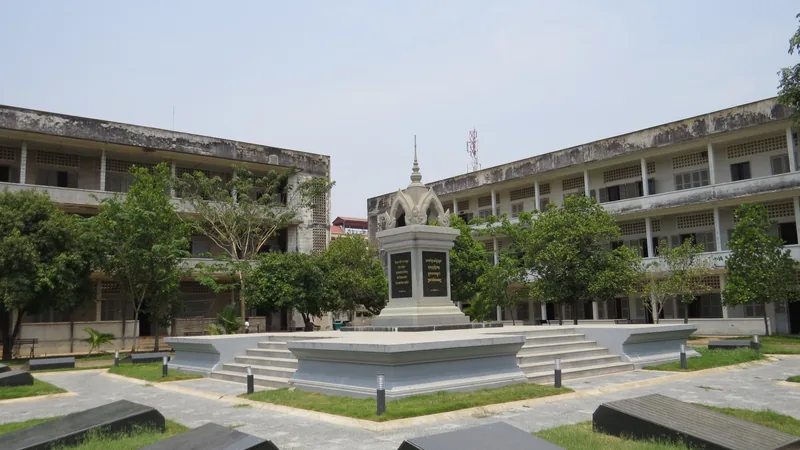
- Tuol Sleng, the former school that became the S-21 prison — small, quiet and very difficult. The audio guide is excellent and worth the full time it asks for.
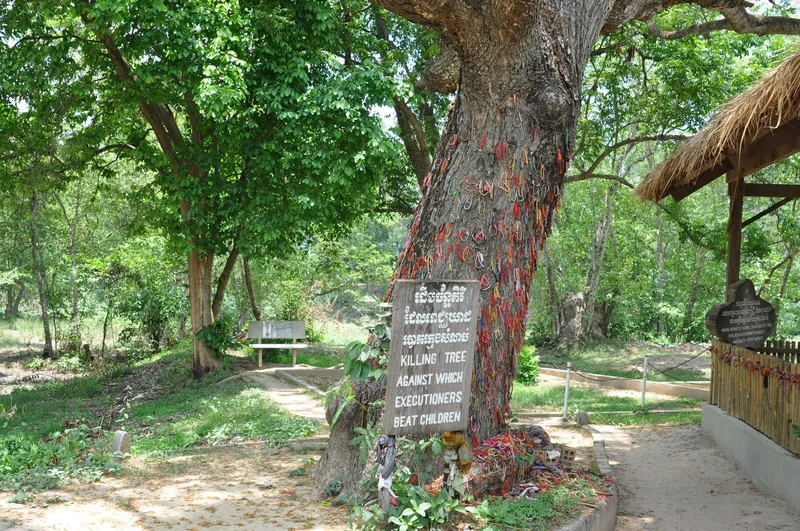
- Choeung Ek, the killing fields about 15 kilometres south of the centre. We do it in the same morning as Tuol Sleng, with a pause between, and no other plans until lunch.
- The riverside and a sunset boat — an hour on the water where the rivers meet is the gentlest way to end a hard day.
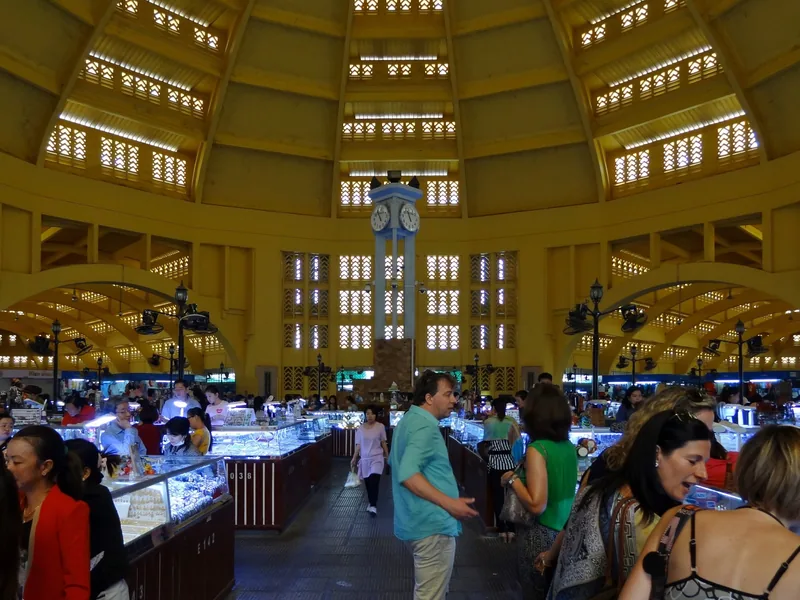
- The markets — the art-deco Central Market for its building, and the Russian Market for the stalls, the food and the chaos.
Tuol Sleng and Choeung Ek
Handling the history
We are asked most often whether it is right to take children, and whether it is voyeuristic to go at all. Our answer is that Cambodians generally want these places visited and understood, and that the sites are presented with restraint. Teenagers who have some background usually find it meaningful; young children should not go. Nobody should be pressured into it, and nobody should do both sites in the heat of the afternoon.
Speak quietly, do not photograph other visitors’ reactions, and do not climb or step over any rope. At Choeung Ek, fragments still surface in the ground after heavy rain; stay on the paths.
Advice
The things visitors get wrong
Practical
Getting here and getting around
From Vietnam there are three sensible ways in. The river from Chau Doc takes five to seven hours and crosses the border on the water, which is one of the best travel days in the region. The road from Saigon via Moc Bai is six to seven hours. Or you fly. Commercial flights moved in 2025 from the old city airport to the new Techo International Airport south of the capital; the transfer to the riverside is roughly an hour and can be longer in the evening. Check that your visa type is valid at your entry point — the e-visa is not accepted at every land gate, and we confirm the gate before we book.
In the city, tuk-tuks and ride-hailing apps cover everything cheaply. Onward, Siem Reap is five to six hours by road or a short flight, and Kampot is about three hours south.
Timing
When to come
November to February is the comfortable season, dry and a little less humid. March to May is hot, and the city is at its most tiring in April. The rains run from about June to October, usually as heavy afternoon storms; it rarely stops you doing anything for long. The water festival, usually in November, fills the riverside with boat races and very large crowds — wonderful if you want it, difficult if you do not.
Not for everyone
Who should skip it
If your trip has no room for a heavy day, or you are travelling with young children, you can reasonably fly straight to Siem Reap and leave Phnom Penh for another visit. We would rather you skip it than rush it. And if you want a capital with grand old architecture and nothing difficult in it, this is not that city.
Common questions
Questions travellers ask most
How many days in Phnom Penh?
Two nights. One morning for Tuol Sleng and Choeung Ek, one for the palace and museum, and time on the river in between.
Should I visit the killing fields?
We think so, and so do most people who go. It is hard, it is presented with care, and it explains a great deal of modern Cambodia. It is not suitable for young children.
Is the boat from Chau Doc worth it?
Yes, if you can spare the day. You cross the border on the river and arrive at the city’s front door. Check that your visa works at that crossing first.
Is Phnom Penh safe?
Yes, with ordinary city care. Snatch theft from motorbikes is the one common problem; keep bags and phones on the side away from the road.
Related
Read next
Cambodia
Cambodia
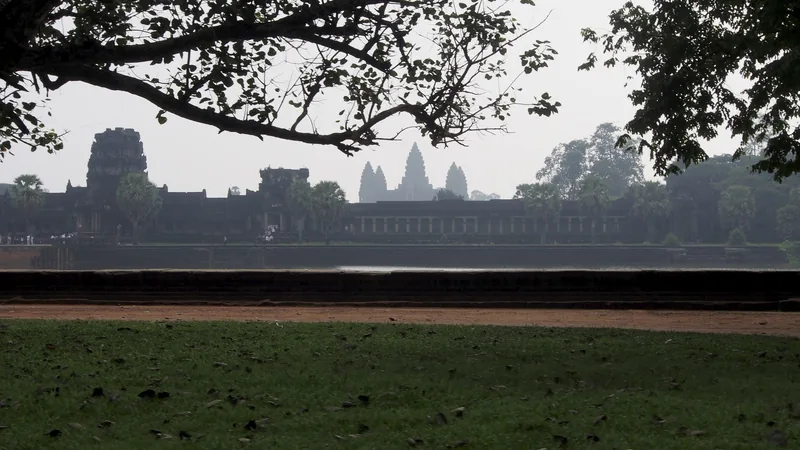
Angkor, Phnom Penh, and how they fit a Vietnam route.
View this journey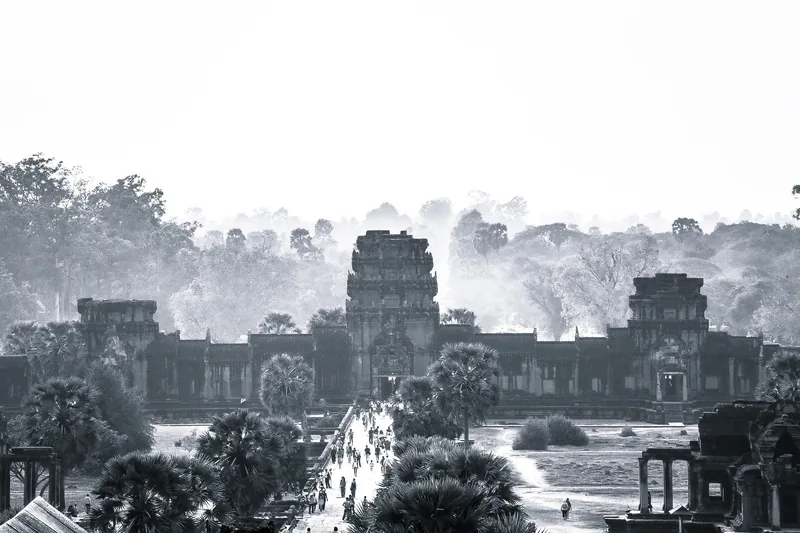
Cambodia
Siem Reap
Angkor on a three-day pass, planned around the crowds.
View this journey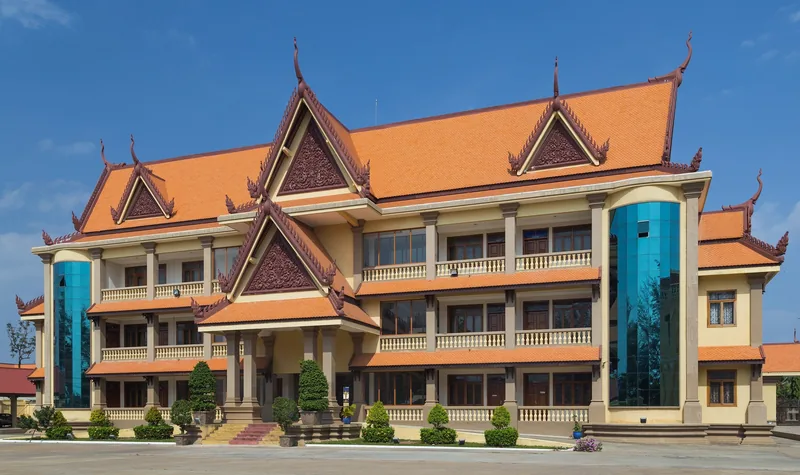
Cambodia
Kampot and Kep
Pepper, the Bokor hill station and crab at Kep.
View this journey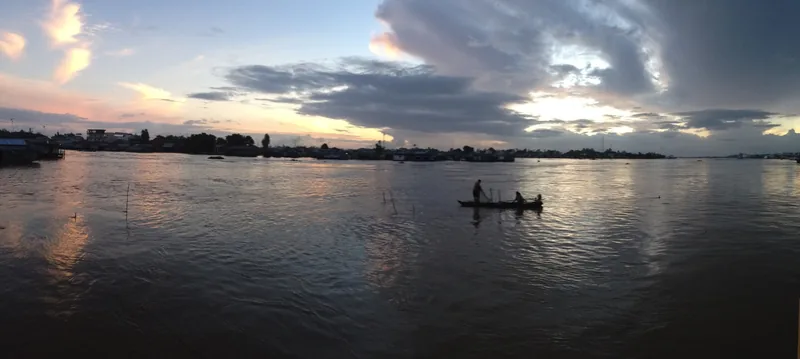
Example journey
Saigon to Phnom Penh by river
Four nights on the Mekong, crossing into Cambodia.
View this journey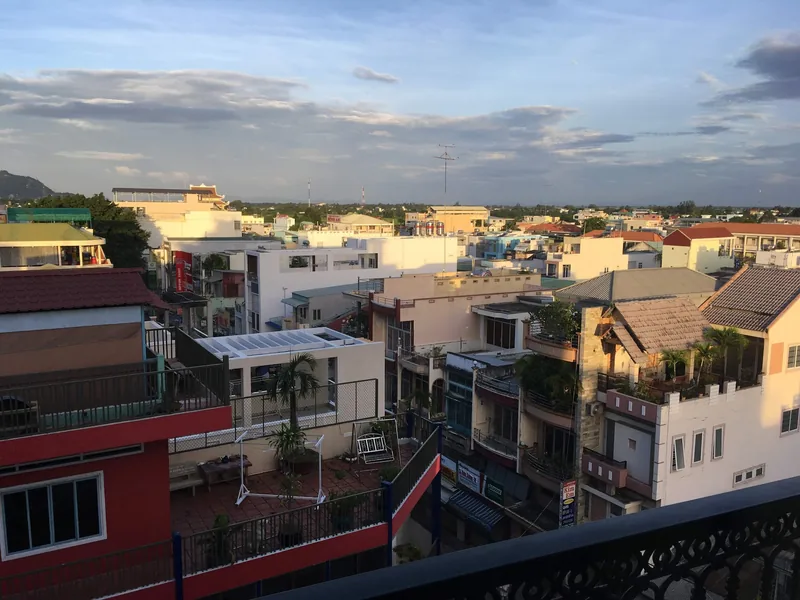
Example journey
The Mekong to Angkor
Saigon, the delta, the river border to Phnom Penh, and Angkor.
View this journey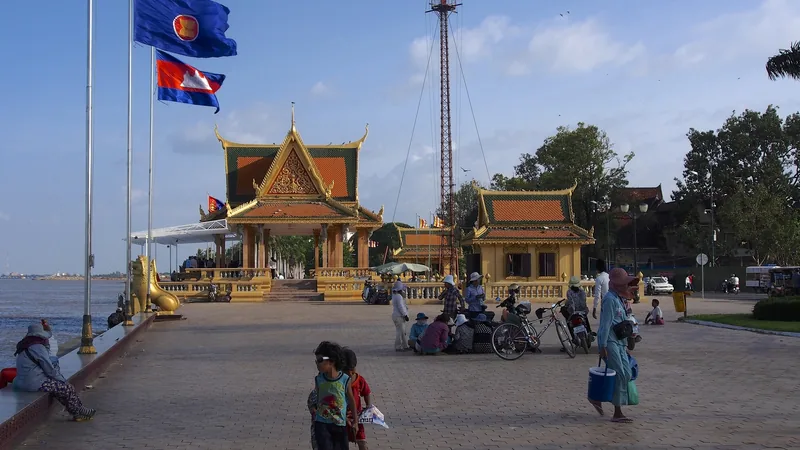
Start planning
Tell us about the trip you have in mind
Dates, party size and the places you care about are enough to start. You get a draft route and an indicative price, not a brochure.
Or talk to us:+84 766 045 399