 Tours out of Ho Chi Minh City and across Vietnam
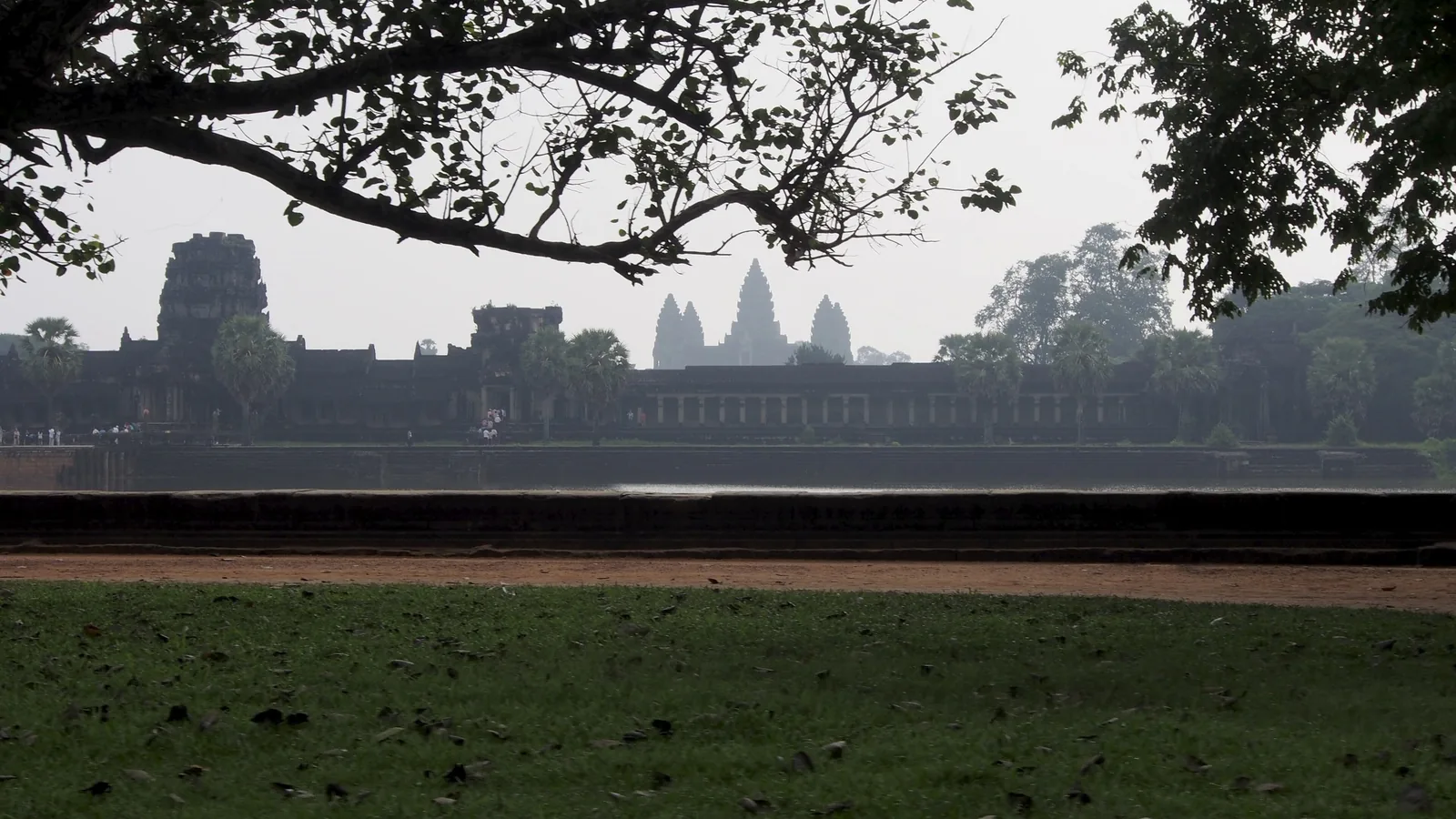
Cambodia
The best thing within reach of this office
Angkor is the single most impressive place within a short flight of Saigon, and the commonest mistake is giving it a day. Here is what Cambodia adds to a Vietnamese trip, and what it needs from you.
Places
What Cambodia adds
Two things Vietnam does not have. The first is Angkor: not one temple but a city of them across 400 square kilometres, with enough variety that three days feels short and one day feels like a queue. The second is the Mekong from the other side — Phnom Penh sits at the confluence, and the river journey up from Chau Doc is one of the better ways to cross a border anywhere in this region.
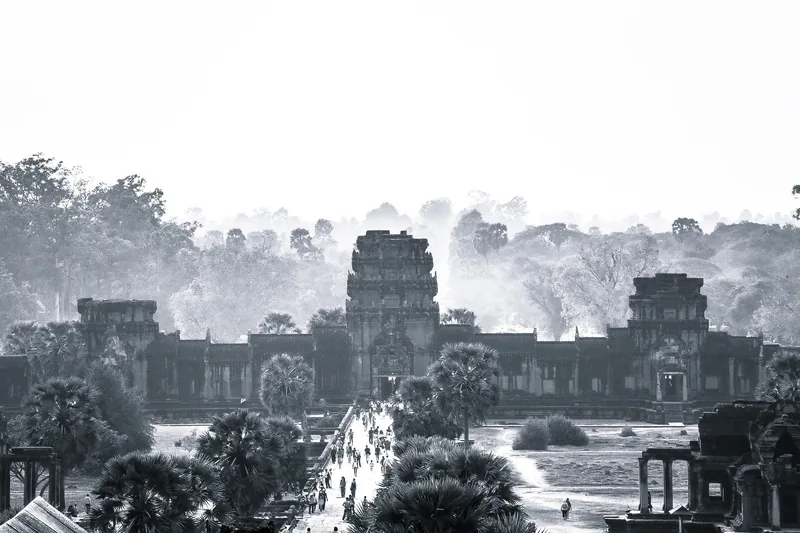
3 nights
Siem Reap
Three nights for Angkor. Two if you must, one is a waste of a flight.
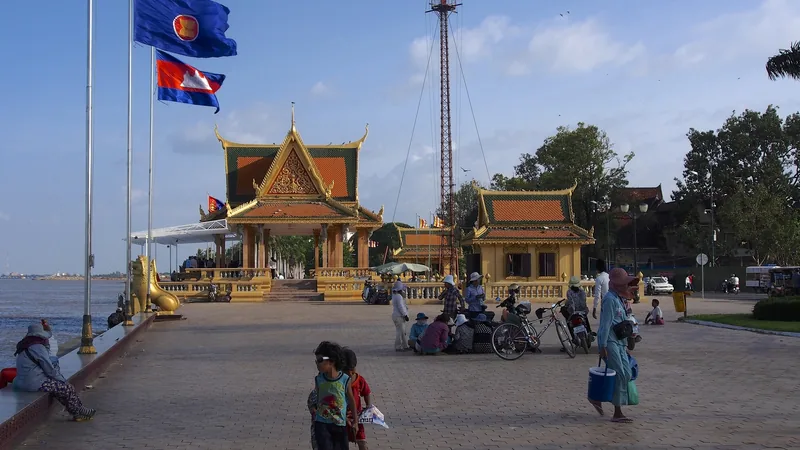
1-2 nights
Phnom Penh
Two nights. The history here is heavy and needs a whole morning.
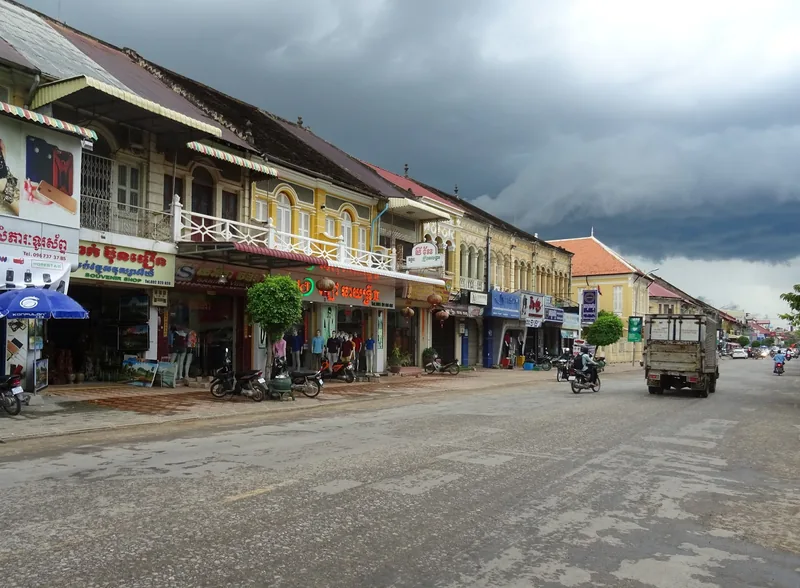
1-2 nights
Battambang
Two nights for people who have already done Angkor.
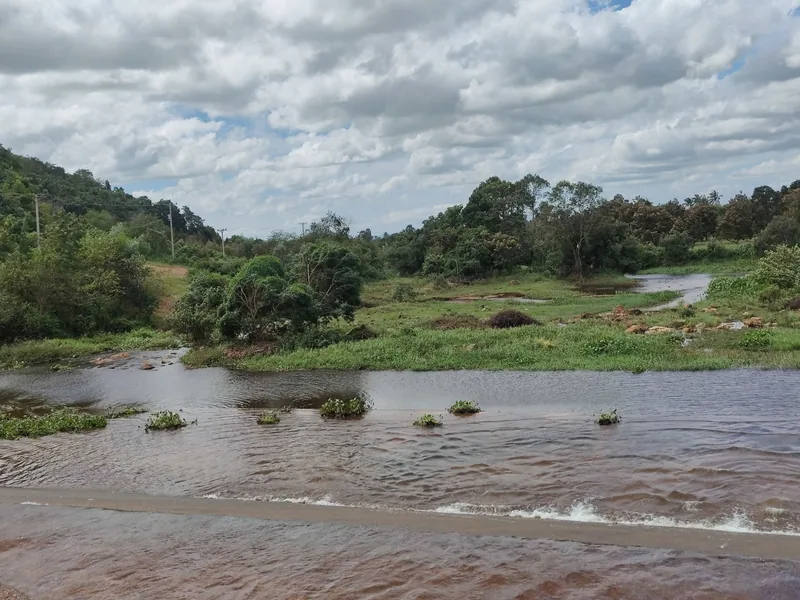
2 nights
Kampot and Kep
Two nights of nothing much, pepper farms and crab.
Crossing
Getting there from Vietnam
| Route | How long | Worth it? |
|---|---|---|
| Saigon to Siem Reap by air | 1h 15m | Yes — the sensible default |
| Chau Doc to Phnom Penh by river | 5-7h | Yes, if you have the day; a genuine journey |
| Saigon to Phnom Penh by road (Moc Bai) | 6-7h | Only if you want the land border |
| Phnom Penh to Siem Reap by road | 5-6h | Fly if the day is precious |
Most nationalities need a visa for Cambodia and the e-visa is straightforward, but it is not valid at every land gate — which matters if you are crossing at Chau Doc or Moc Bai rather than flying in. We check the gate against your passport before we book anything, because the wrong combination is the single most common way a border day goes wrong.
Angkor
Angkor, and how to not hate it
Angkor Wat at sunrise is shared with two or three thousand people, most of them behind one pond. It is still worth doing once, and every other hour of your three days can be almost empty if the route is built backwards from the crowds: the big circuit in the afternoon, Ta Prohm at opening time rather than mid-morning, Banteay Srei as a half-day out, and the outer temples on day three when everyone else has left.
One, three and seven-day passes, bought in your own name with a photograph taken at the counter. A three-day pass is valid across ten days, so you can take a day off in the middle, which is the best thing you can do for your enjoyment of the place.
Timing
Timing and who it does not suit
November to February is dry, pleasant and busy. March to May is very hot — 35 to 40 degrees at the temples, which is a real constraint rather than a grumble. June to October is the green season: afternoon rain, moats full, far fewer people, and the temples at their most photogenic. If you cannot tolerate heat, do not come in April.
Cambodia is also not a light add-on. Phnom Penh’s recent history is confronting and cannot really be done in a hurry or skipped politely. If your trip is meant to be a holiday with no heavy days in it, add Laos instead.
Common questions
Questions travellers ask most
How many days do I need for Angkor?
Three, on a three-day pass spread across four or five days. Two works. One is a long, hot queue and you will not remember much of it.
Is the river crossing from Chau Doc worth it?
If you have the day, yes — it is one of the better border days in Asia. Check your visa works at that gate, which we do for you.
Is Cambodia safe?
Yes, with ordinary city precautions in Phnom Penh, where bag-snatching from motorbikes is the one real nuisance. Never walk off marked paths at remote temples or in rural Battambang province — unexploded ordnance is still a genuine risk in parts of the country.
Can I do Cambodia as a day trip from Vietnam?
No, and anyone selling you that is selling you eleven hours of transport.
Related
Read next
Cambodia
Siem Reap
Angkor on a three-day pass, planned around the crowds.
View this journeyCambodia
Phnom Penh
The capital: palace, museum, the genocide sites and the river.
View this journey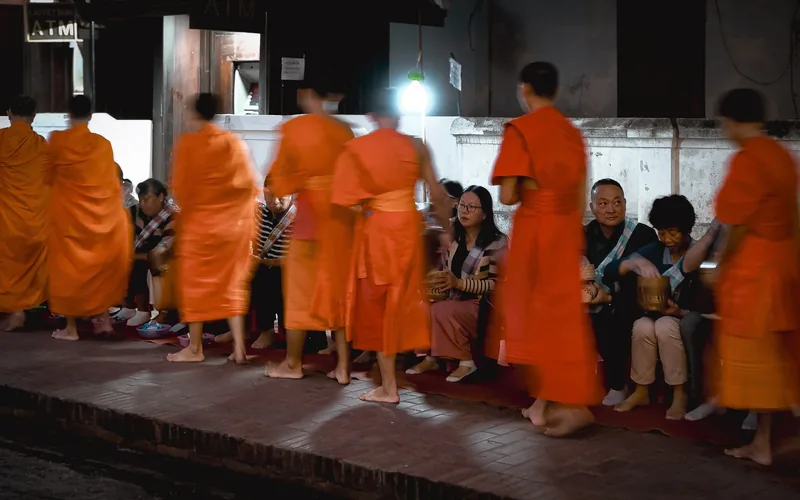
Laos
Laos
Luang Prabang, Vientiane and the southern Mekong.
View this journey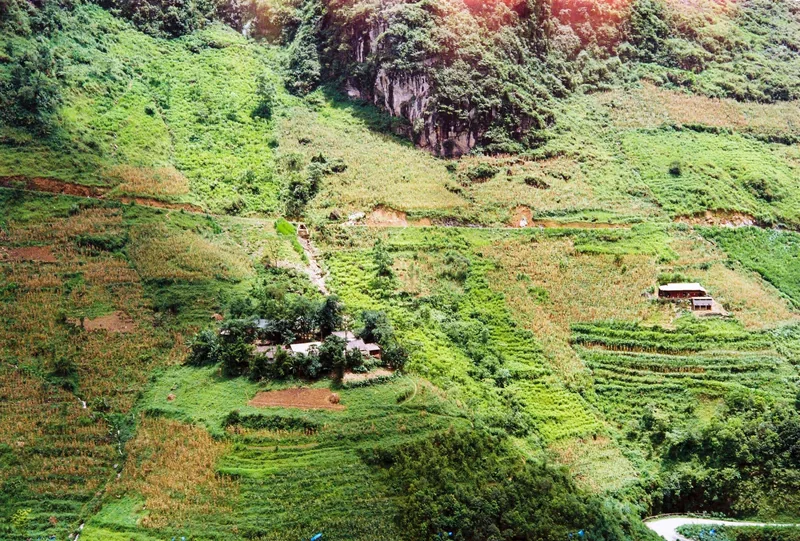
Tours
Tours
Day trips, regional routes and full-length itineraries.
View this journey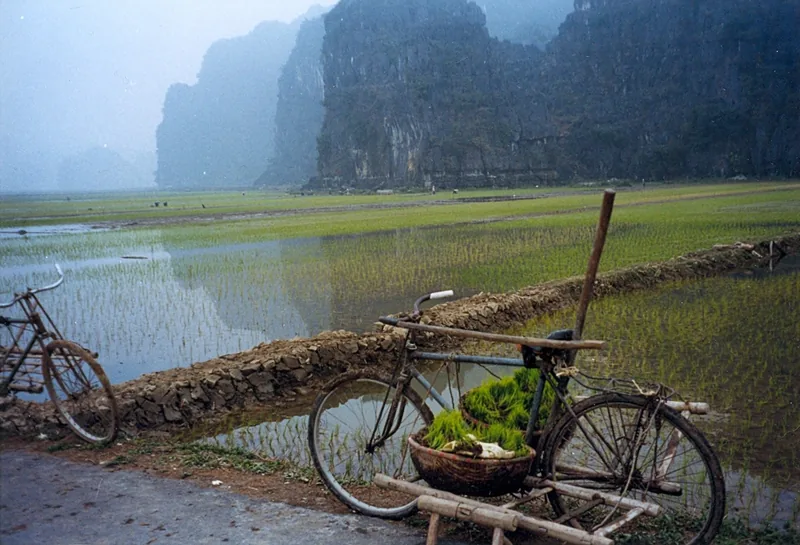
Destinations
Destinations
Where to go in Vietnam and the neighbours, with nights and timing.
View this journey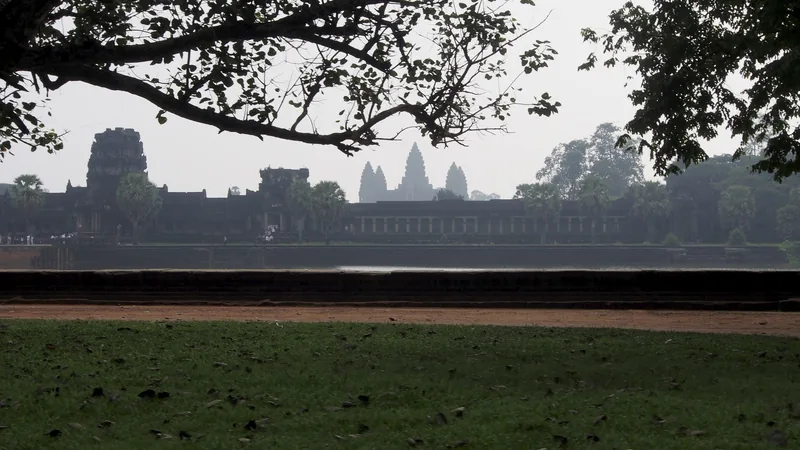
Start planning
Tell us about the trip you have in mind
Dates, party size and the places you care about are enough to start. You get a draft route and an indicative price, not a brochure.
Or talk to us:+84 766 045 399