 Tours out of Ho Chi Minh City and across Vietnam
Cambodia
Angkor, planned backwards from the crowds
Siem Reap is a small town that exists to serve the greatest temple complex in Asia. Give it three nights and a three-day pass, and build the days around where everyone else is not.
Orientation
What you are actually visiting
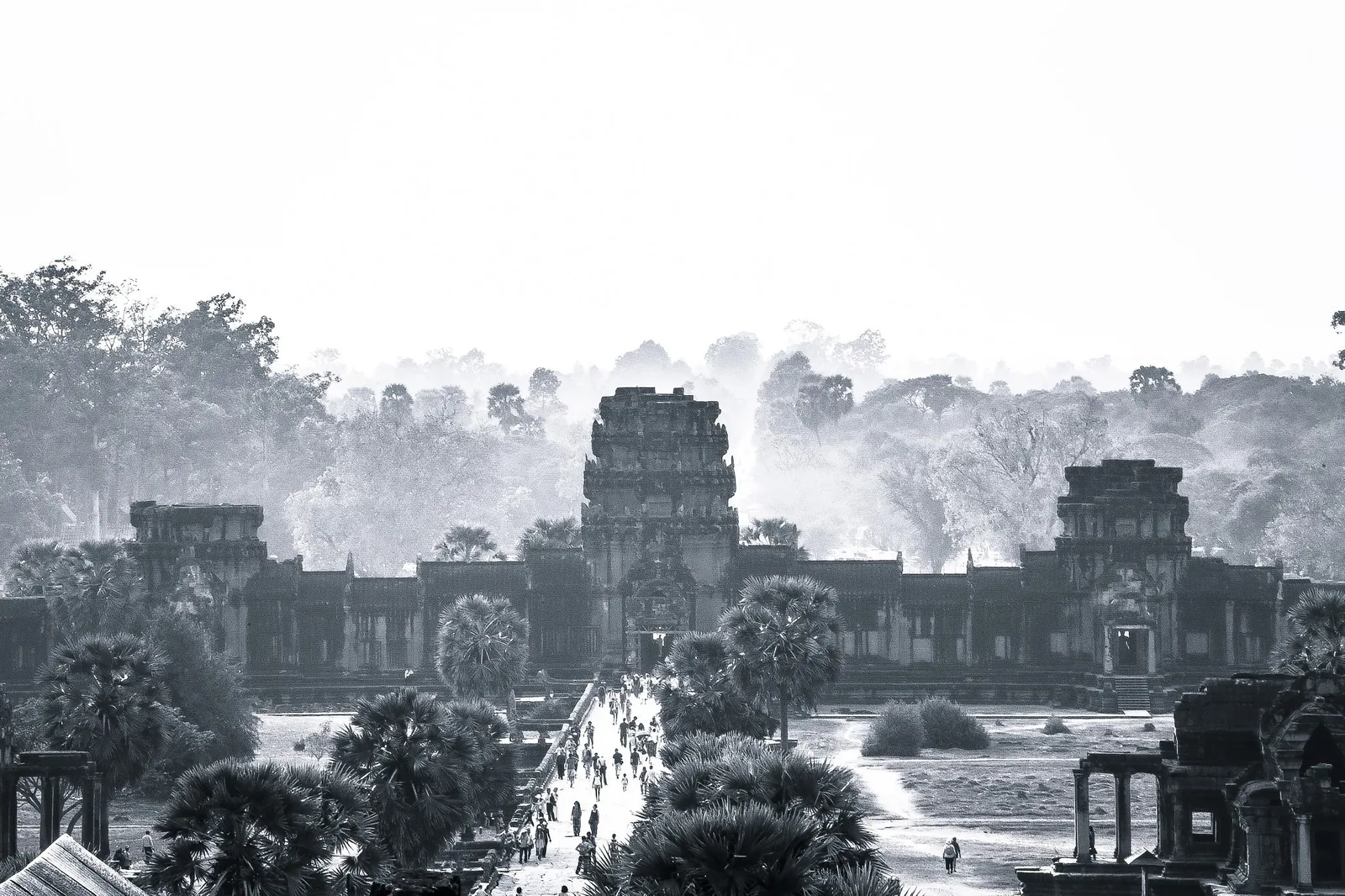
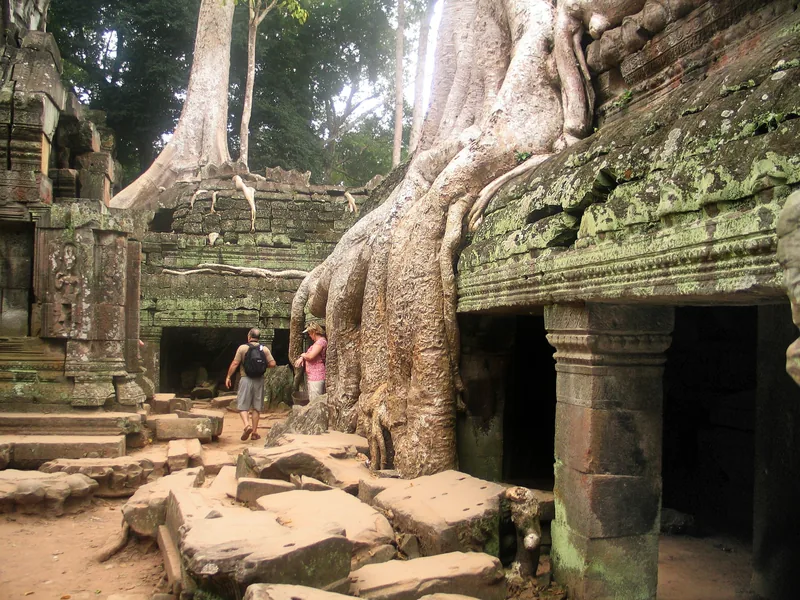
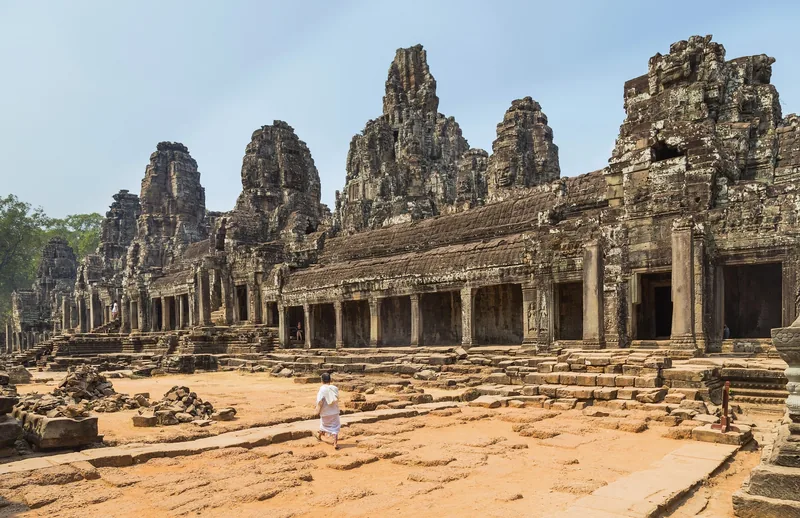
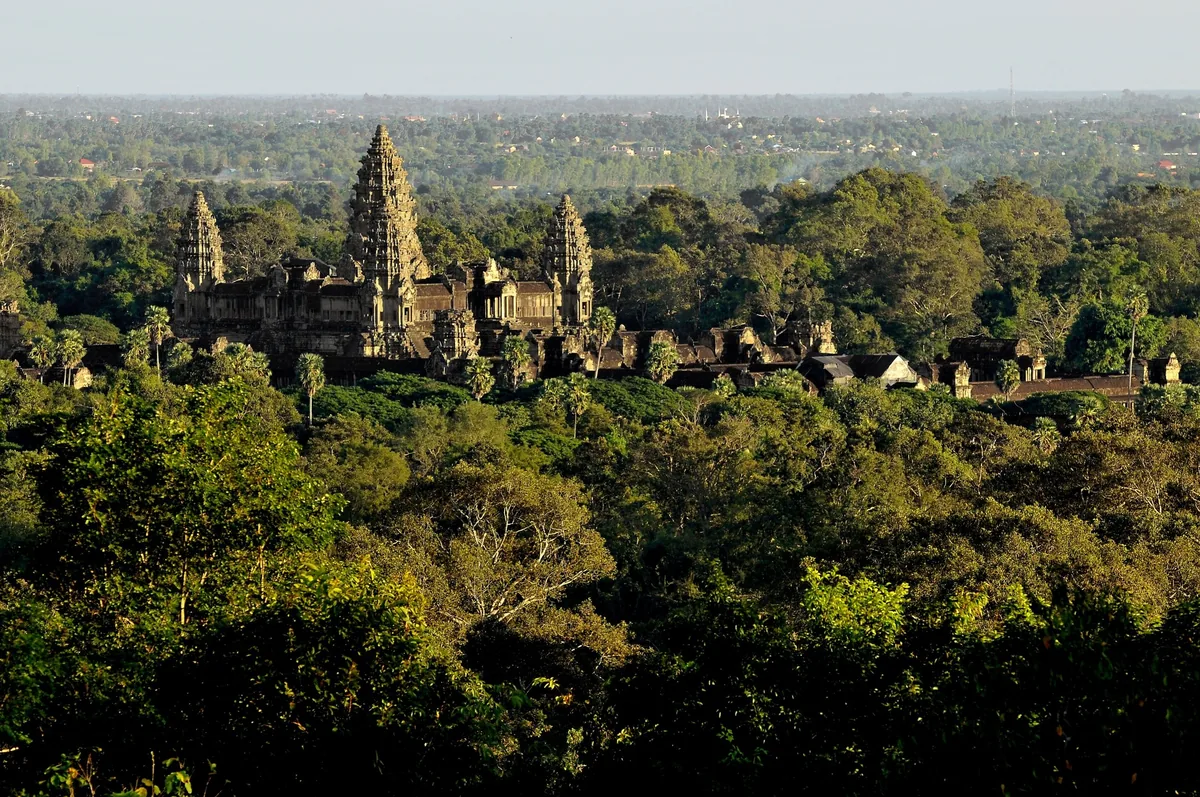
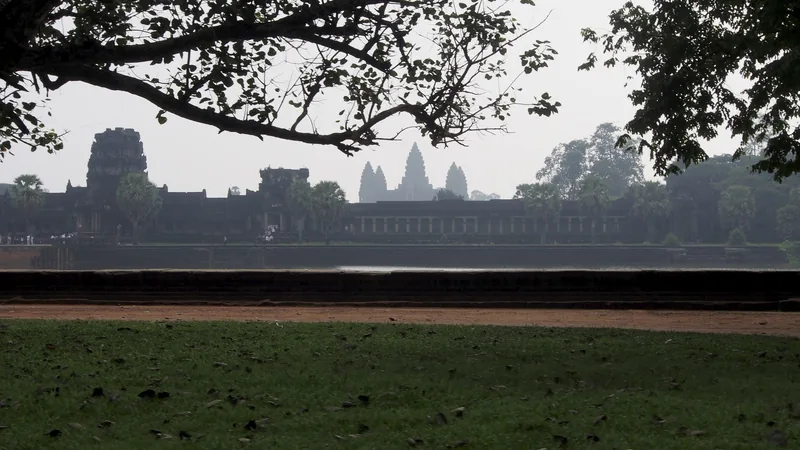
Angkor is not a temple. It is the remains of a capital that was, for several centuries, one of the largest cities on earth, and the stone buildings that survive are the religious ones — hundreds of them, scattered over an area far larger than most visitors expect. Angkor Wat is the famous one. The Bayon, with its two hundred carved faces, and Ta Prohm, with trees growing through its galleries, are the two most people remember best. Then there are dozens more that most groups never reach.
Siem Reap is the town beside it, about seven kilometres south of Angkor Wat. It is pleasant, easy, full of restaurants and small hotels, and it is where you sleep. Nobody comes for the town, but after a morning at the temples its riverside, its markets and a long lunch are exactly what you need.
- Nights
- 3 — two at a push
- Pass
- 3-day, valid over 10 days
- Airport
- SAI, roughly an hour to town
- Best months
- November to February
- Hardest months
- April and May — 35 to 40C at the temples
Tickets
The pass, briefly
Angkor passes come in one-day, three-day and seven-day versions. They are bought in your own name at the official ticket centre or online, and carry your photograph. The three-day pass can be used on any three days within ten, which is the single most useful fact about visiting: you can take a day off in the middle, sleep late, go to the lake, and come back fresh. The seven-day pass suits people who want the remote temples and a slow pace.
The upper levels of Angkor Wat and several other shrines require covered shoulders and knees, and the guards turn people away. A light shirt and trousers or a long skirt solve it; a sarong over shorts sometimes does not.
What to do
What is worth your time
- Angkor Wat — at sunrise once, knowing you will share it with a crowd, and then again in the late afternoon when the western face is lit and the galleries are half empty.
- The Bayon and Angkor Thom — the walled city with the faces. Midday is fine here because the crowds come in waves; wait five minutes and a gallery clears.
- Ta Prohm — at opening time, before the coaches. By ten the famous tree roots have a queue for photographs.
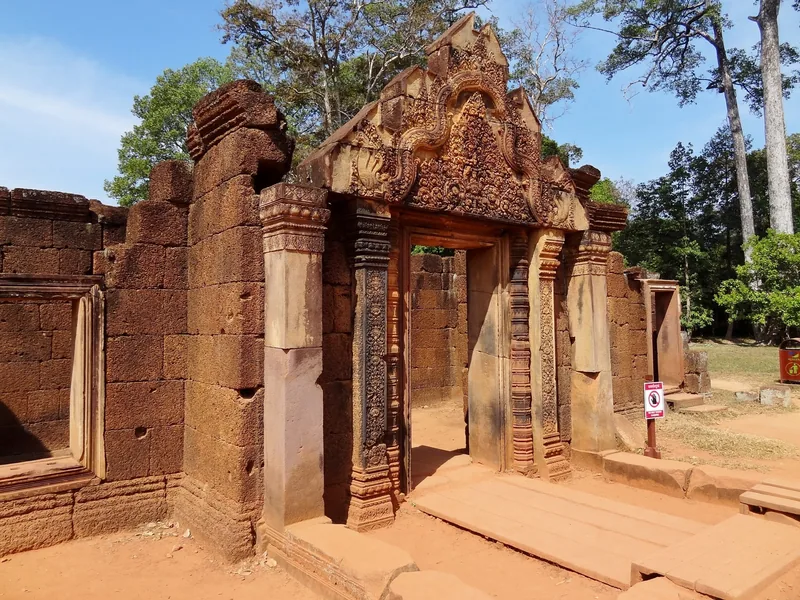
- Banteay Srei — small, pink sandstone, the finest carving at Angkor, about an hour north-east. Combine it with the countryside villages on the way.
- The outer temples on your third day: Preah Khan, Neak Pean, Ta Som, and further out Beng Mealea, a collapsed jungle temple you climb through rather than walk around.
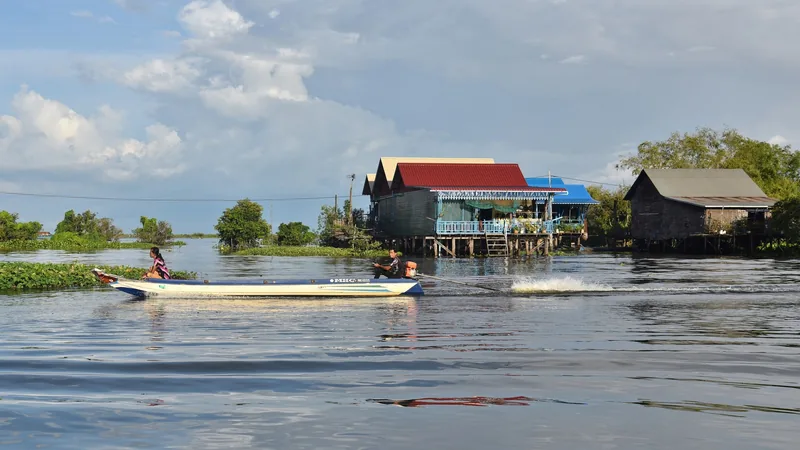
- Tonle Sap lake — the stilt villages are interesting, but the trips vary enormously in quality. We use the smaller villages further from town rather than the one closest to it.
Advice
The things visitors get wrong
Practical
Getting here and getting around
The new Siem Reap–Angkor International Airport opened in 2023 and replaced the old airport on the edge of town. It sits roughly 40 to 50 kilometres east, and the transfer is about an hour depending on traffic and where you are staying — longer than the ten minutes that older guidebooks promise, so plan arrival days accordingly. The flight from Saigon is around an hour and a quarter, and it is the sensible way in from Vietnam.
Overland, Phnom Penh is five to six hours by road, and Battambang about three. At the temples you move by car with a driver or by tuk-tuk; the distances between temples are longer than they look on the map, and bicycles are pleasant for the inner circuit only if the heat allows. Visas: most nationalities need one, and the Cambodian e-visa is simple to get, but it is not accepted at every land border. We confirm your gate before booking, and rules change, so we check again close to travel.
| Route | Time | Note |
|---|---|---|
| Saigon to Siem Reap by air | About 1h 15m | Our default from Vietnam |
| Airport to town | About 1h | New airport, well east of Siem Reap |
| Phnom Penh by road | 5-6h | Fly if the day matters |
| Battambang by road | About 3h | A good onward leg |
Timing
When to come
November to February is dry, with cool mornings, and it is the busiest stretch of the year — Christmas and Chinese New Year especially. March to May is very hot and the sunrise crowd thins. From June to October the rain comes in afternoon bursts, the moats and reservoirs fill, the stone darkens and the jungle is green again; this is the season we like best for photographs and for quiet.
3 ideal · 2 workable · 1 difficult. April and May are the hardest on people; the wet months are quieter than their reputation.
Not for everyone
Who should skip it
If ruins bore you, three days at Angkor will not change your mind and one day will not either — save the flight. If you cannot walk on uneven stone or manage steep steps, a good part of the complex is still accessible, but the upper levels of Angkor Wat and the jungle temples are not, and you should know that before you plan around them. And if your only window is April, come knowing the heat will set the day’s timetable, not you.
Common questions
Questions travellers ask most
How many days do I need at Angkor?
Three days on a three-day pass, ideally spread over four or five. Two days covers the essentials. One is possible but it is mostly heat and queues.
Is sunrise at Angkor Wat worth it?
Once, yes — accept that you will share it with a large crowd. The more rewarding hour is late afternoon, when the western face is lit and the galleries empty.
How far is the new airport from Siem Reap?
Roughly 40 to 50 kilometres east of town. Allow about an hour for the transfer, a little more at busy times.
Can I visit Angkor with children?
Yes, and Ta Prohm and Beng Mealea are the ones children love. Keep the days short, start early, and stop at midday; the heat tires small people fastest.
Related
Read next
Cambodia
Cambodia
Angkor, Phnom Penh, and how they fit a Vietnam route.
View this journey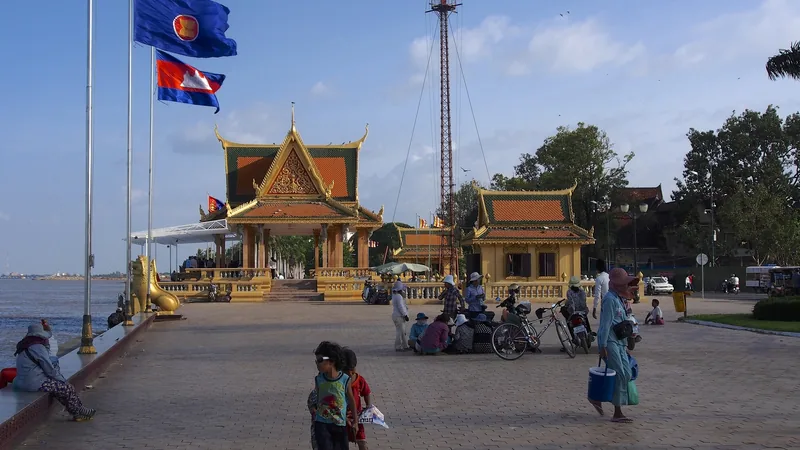
Cambodia
Phnom Penh
The capital: palace, museum, the genocide sites and the river.
View this journey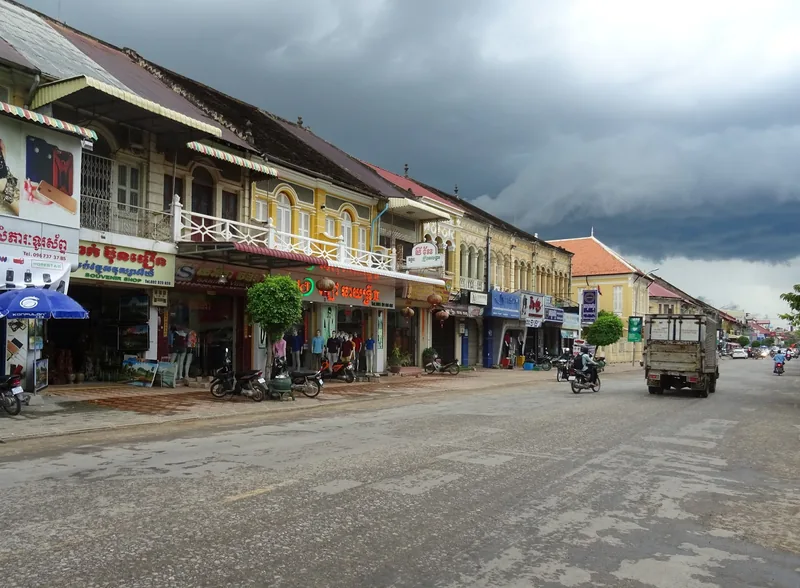
Cambodia
Battambang
Shophouses, countryside and the bamboo train, three hours from Angkor.
View this journey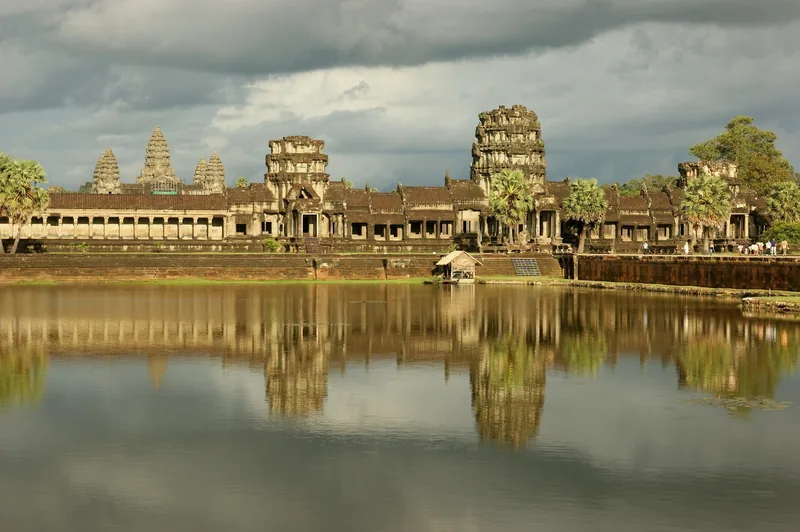
Example journey
Saigon and Angkor
Three nights in Saigon, a one-hour flight, three nights at Angkor.
View this journey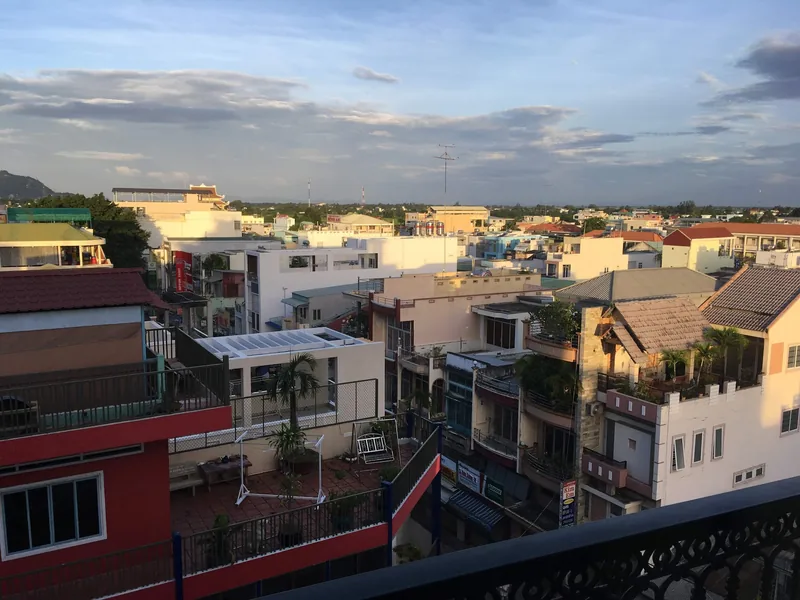
Example journey
The Mekong to Angkor
Saigon, the delta, the river border to Phnom Penh, and Angkor.
View this journey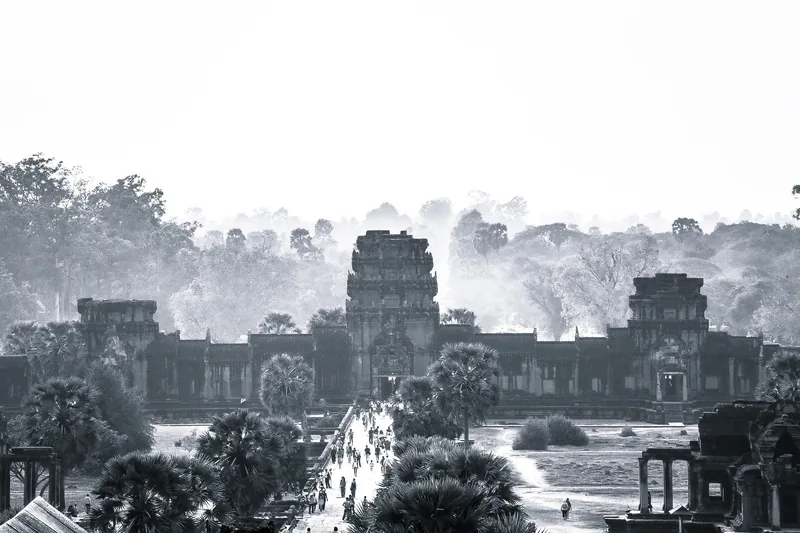
Start planning
Tell us about the trip you have in mind
Dates, party size and the places you care about are enough to start. You get a draft route and an indicative price, not a brochure.
Or talk to us:+84 766 045 399