 Tours out of Ho Chi Minh City and across Vietnam
Cambodia
Cambodia at provincial pace
Cambodia’s second city behaves like a market town: a river, streets of French-era shophouses and a countryside of rice, hills and small temples. It is the quiet half of a Cambodia trip.
Orientation
What Battambang is
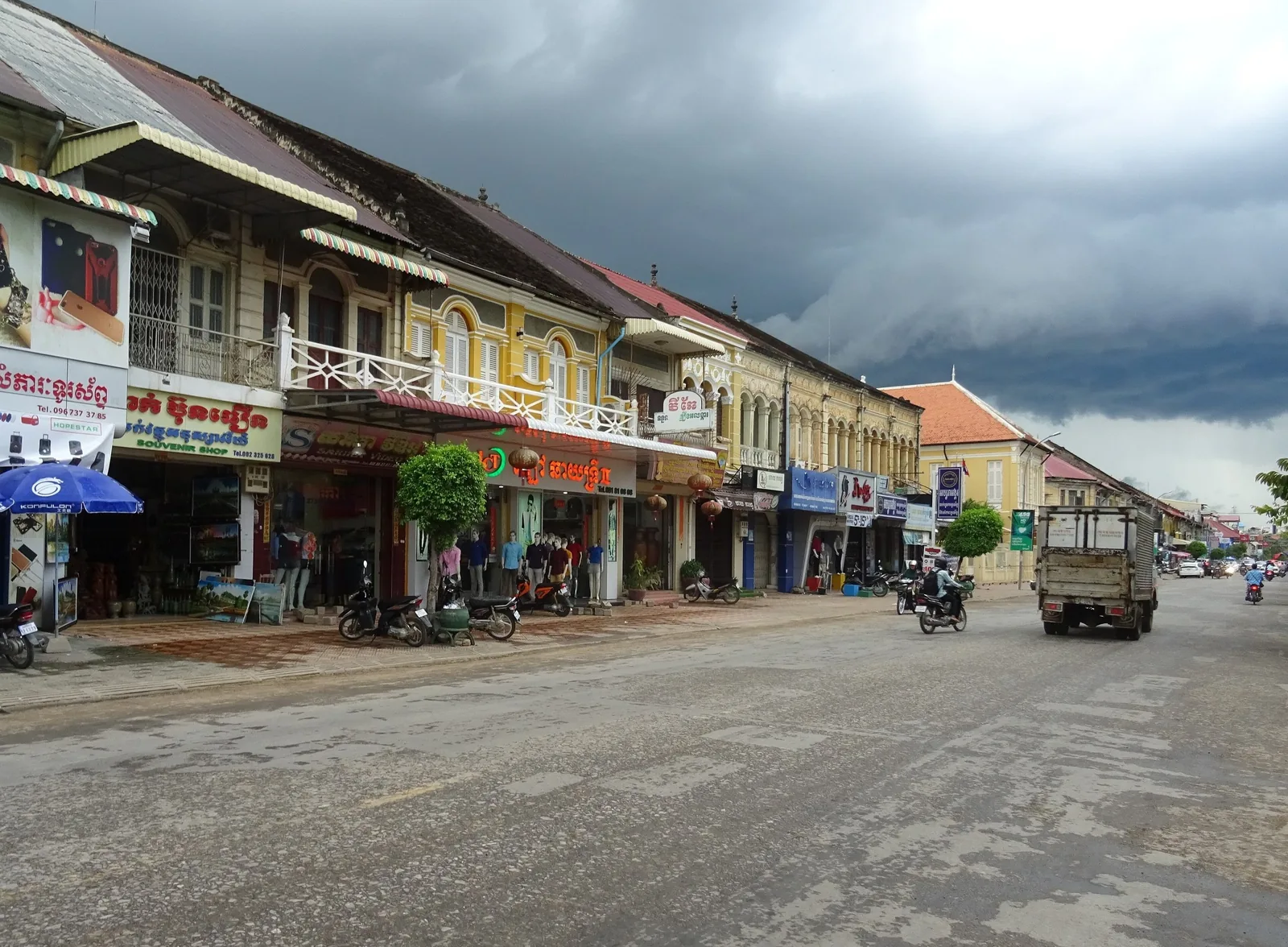
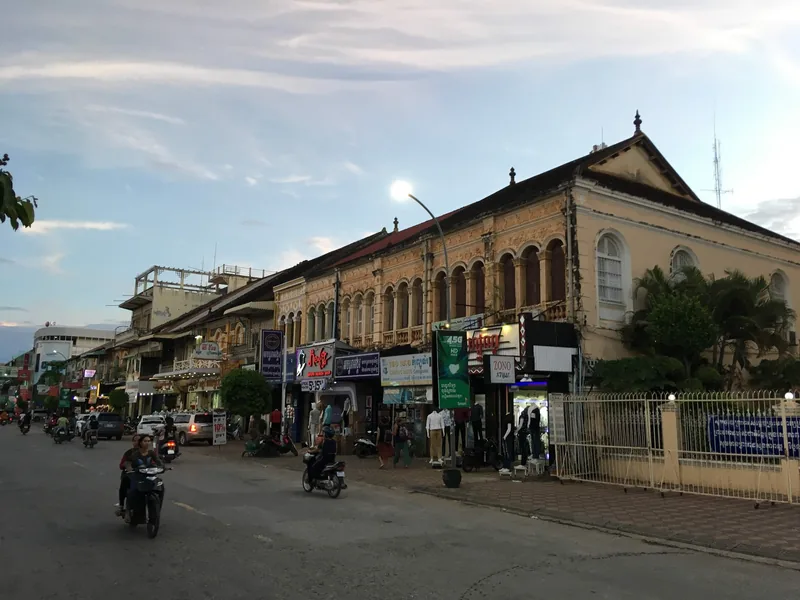
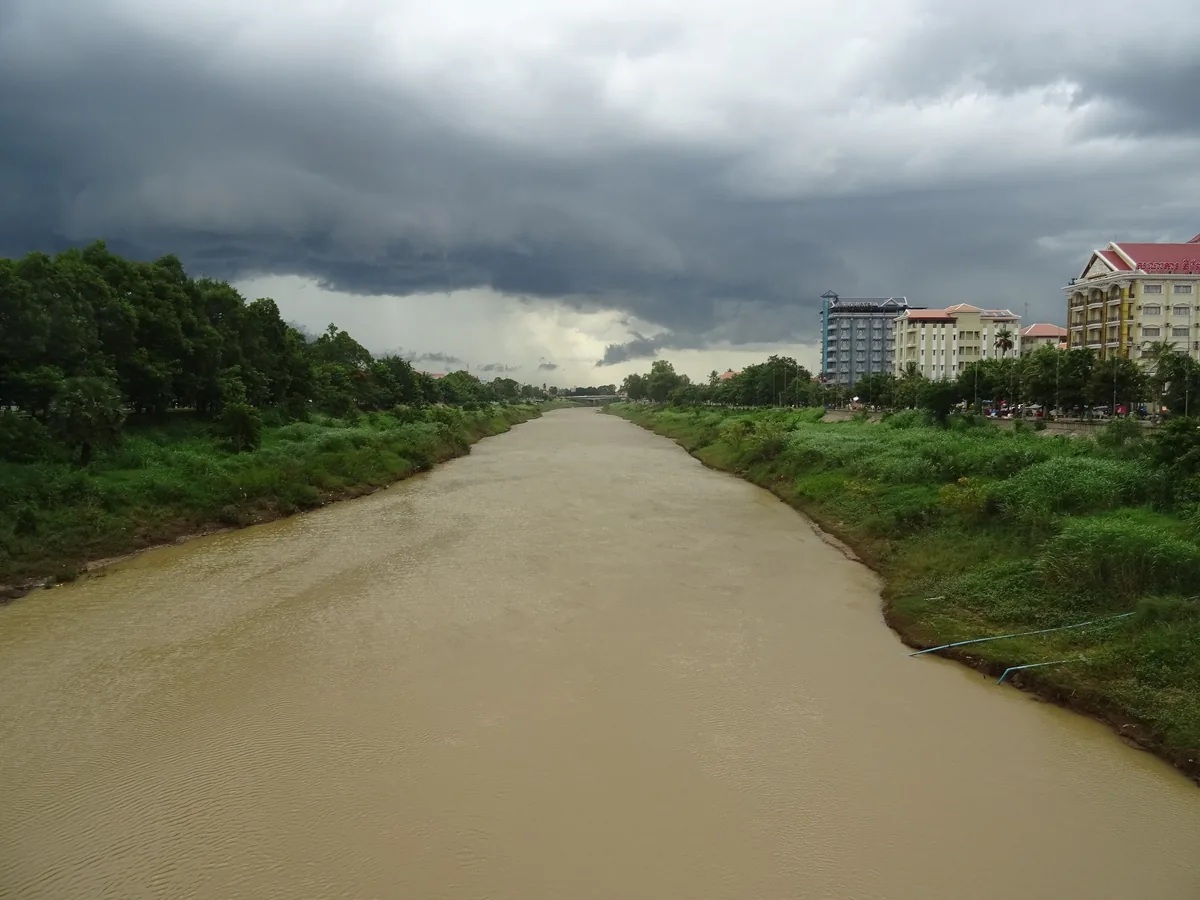
Battambang is officially Cambodia’s second city and feels like a large, friendly provincial town. The centre lines the Sangker river with rows of shophouses from the French period, many painted, some crumbling, a few restored as cafés and galleries. There is no single sight here that matches Angkor, and that is the point — you come after the temples to see the country at a different speed.
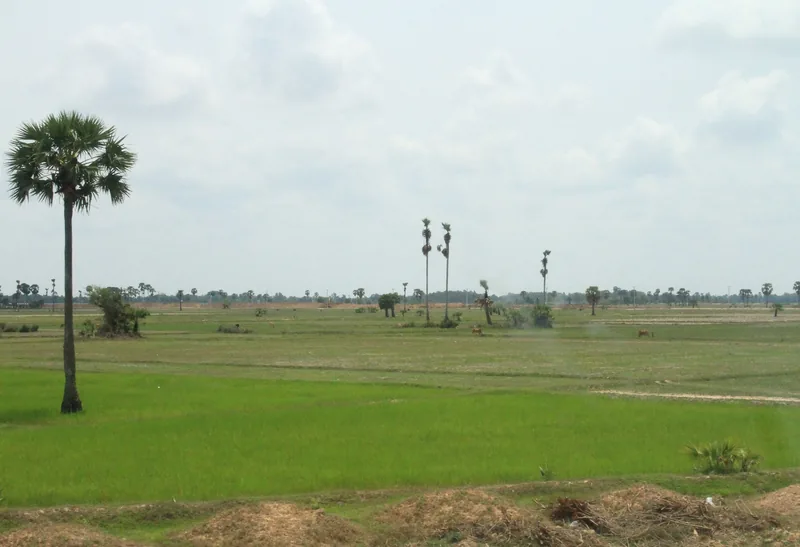
Most of what you do is outside town: a day on rural roads by tuk-tuk, stopping at a hilltop temple, a rice-paper workshop, a fish-paste village, a fruit farm, and ending at a hill at dusk to watch the bats leave. It is gentle travel, and the people who enjoy it most are those on their second or third week in the region.
- Nights
- 1 to 2
- From Siem Reap
- About 3 hours by road
- From Phnom Penh
- About 5 hours
- Best months
- November to February
- Getting around
- Tuk-tuk or bicycle
What to do
What is worth your time
- Walking the old centre early in the morning — the shophouse streets near the river and the market, before the heat, when the town is at work.
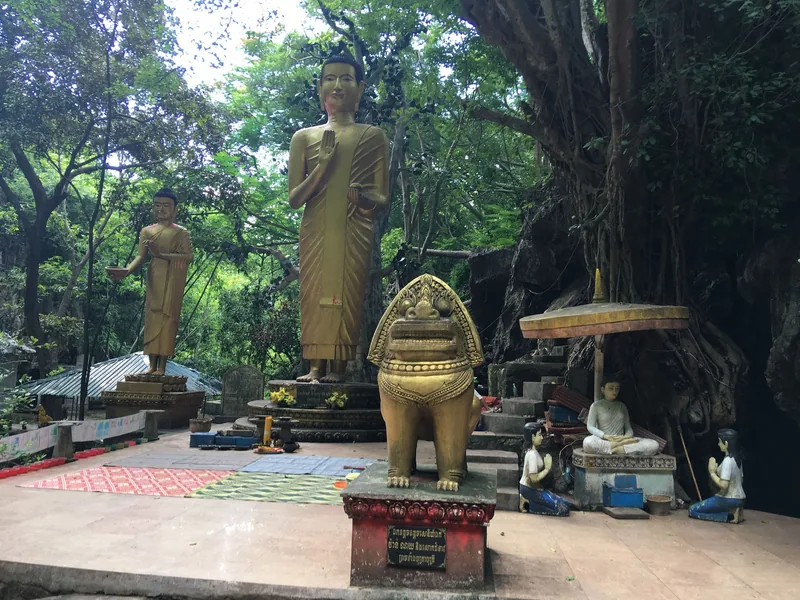
- Phnom Sampeau, about twelve kilometres south-west — a hill of pagodas and caves, including the killing caves from the Khmer Rouge period, and at dusk a stream of bats pouring out of a cave mouth below for twenty minutes or more.
- Wat Banan, an eleventh-century temple on a hilltop south of town, reached by a long stone staircase. Small, weathered and usually quiet.
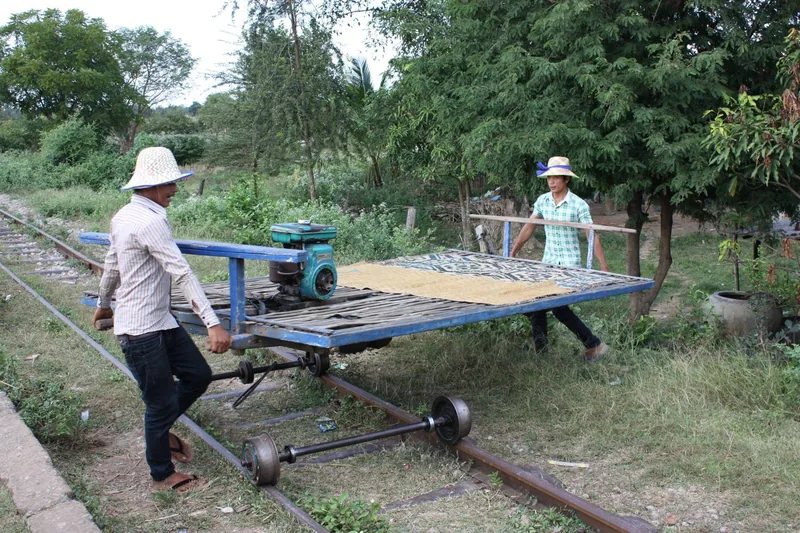
- The bamboo train — the original ran on the old railway until the line was rebuilt. What runs now is a tourist version on a short stretch outside town: a bamboo platform on wheels, a fast rattling ride and a stop at the far end. Fun for an hour; not the historic experience it once was, and we describe it as that.
- The circus and performing-arts school on the edge of town, which trains young Cambodians in circus, music and visual arts. Its students often go on to perform in the big circus show in Siem Reap; shows here are smaller and more informal.
- A cycling morning through the villages along the river, flat and shaded, with a guide who can stop at the houses making rice paper and dried bananas.
Advice
The things visitors get wrong
Practical
Getting here and getting around
Battambang sits between Siem Reap and Phnom Penh, which makes it an easy link on a Cambodia route. The road from Siem Reap takes about three hours; from Phnom Penh it is nearer five. There is also a boat on the Tonle Sap and the Sangker river from Siem Reap, which runs through floating villages and is a genuine journey of most of a day — but in the dry months, roughly February to June, low water can make it slow, uncomfortable or impossible, and we only recommend it in the wet season.
There is no airport with regular commercial flights here; the nearest is Siem Reap–Angkor International. In town, walk; outside it, take a tuk-tuk for the day or a bicycle with a guide. The distances to Phnom Sampeau and Wat Banan are too long in the heat for most people on a bike.
| Route | Time | Note |
|---|---|---|
| Siem Reap by road | About 3h | The usual way in |
| Siem Reap by boat | Most of a day | Wet season only, in practice |
| Phnom Penh by road | About 5h | A long but easy drive |
| Phnom Sampeau | 30 min by tuk-tuk | Late afternoon, for the bats |
Timing
When to come
November to February is the most comfortable time, dry and with cooler mornings. March to May is hot and the countryside goes brown. From June to October the rice is green and the rivers full; it rains in the afternoons and the rural roads can be muddy, but it is the most beautiful time to see the fields.
Not for everyone
Who should skip it
If you have a week in Cambodia and have not seen Angkor properly, spend the extra nights at the temples instead. Battambang rewards people with time and a taste for small things — a meal, a conversation, a quiet pagoda — and it will disappoint anyone looking for a headline sight. It also has fewer of the comfortable hotels than Siem Reap, though what exists is pleasant.
Common questions
Questions travellers ask most
Is Battambang worth visiting?
Yes, if you enjoy provincial towns, countryside and a slower pace after Angkor. It is not worth it on a short trip at the expense of time at the temples.
Is the bamboo train still running?
A tourist version runs on a short stretch of track outside town. The original line was taken up when the railway was rebuilt, so it is a fun ride rather than a piece of working history.
Can I take the boat from Siem Reap?
In the wet season, yes, and it is a memorable day. In the dry months the water drops and the boat can be slow or not run, so we plan the road instead.
How many nights in Battambang?
Two is ideal: one day in the countryside, one in town and at Phnom Sampeau. One night works if you arrive early.
Related
Read next
Cambodia
Cambodia
Angkor, Phnom Penh, and how they fit a Vietnam route.
View this journey
Cambodia
Siem Reap
Angkor on a three-day pass, planned around the crowds.
View this journey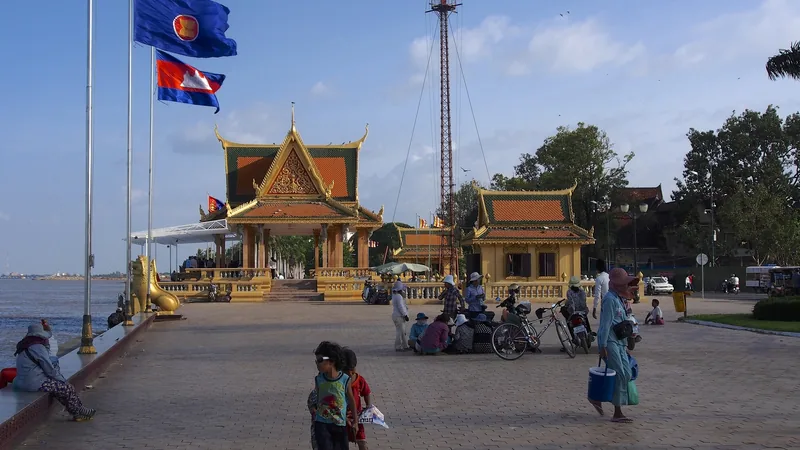
Cambodia
Phnom Penh
The capital: palace, museum, the genocide sites and the river.
View this journey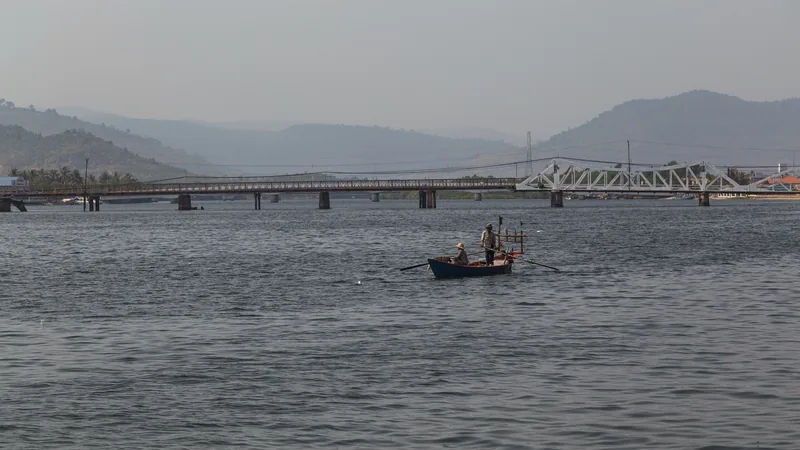
Example journey
Angkor and the Cambodian coast
Angkor, Battambang, the capital and two quiet nights at Kampot.
View this journey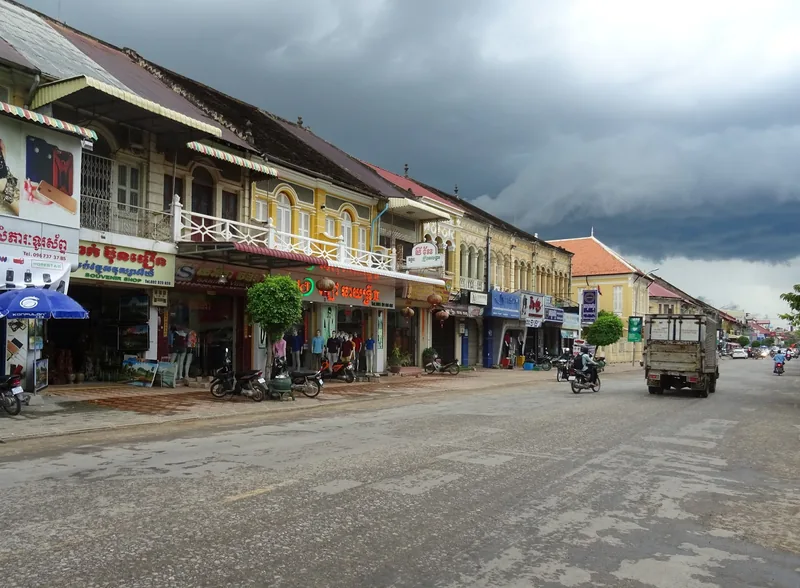
Start planning
Tell us about the trip you have in mind
Dates, party size and the places you care about are enough to start. You get a draft route and an indicative price, not a brochure.
Or talk to us:+84 766 045 399