 Tours out of Ho Chi Minh City and across Vietnam
Travel guide
Crossing overland to Cambodia and Laos
Crossing into Cambodia or Laos by land or river is straightforward on most days and goes wrong for one reason more than any other: a visa that is not accepted at that particular gate. This page is about avoiding that.
Start here
The one thing to get right
Checked every month and after any report from travellers or partners of a change at a gate. The lists of gates accepting each country’s e-visa change without much notice, so we check your specific gate and passport at booking, not from this page.
Vietnam, Cambodia and Laos all issue electronic visas, and each country accepts its e-visa only at a published list of airports and land gates. A visa that is perfectly valid at the airport can be refused at a river crossing. Visas on arrival exist at many gates too, but not all, and not for every nationality.
So the question is never just “do I need a visa?” It is “is this visa accepted at this gate on this date, for this passport?” That is the check we do for every overland crossing we book, and it is the reason we do not print fees or a fixed list here: both change.
Cambodia
Vietnam to Cambodia
| Vietnam side | Cambodia side | Type | Usual use |
|---|---|---|---|
| Moc Bai | Bavet | Road | Saigon to Phnom Penh, 6 to 7 hours door to door |
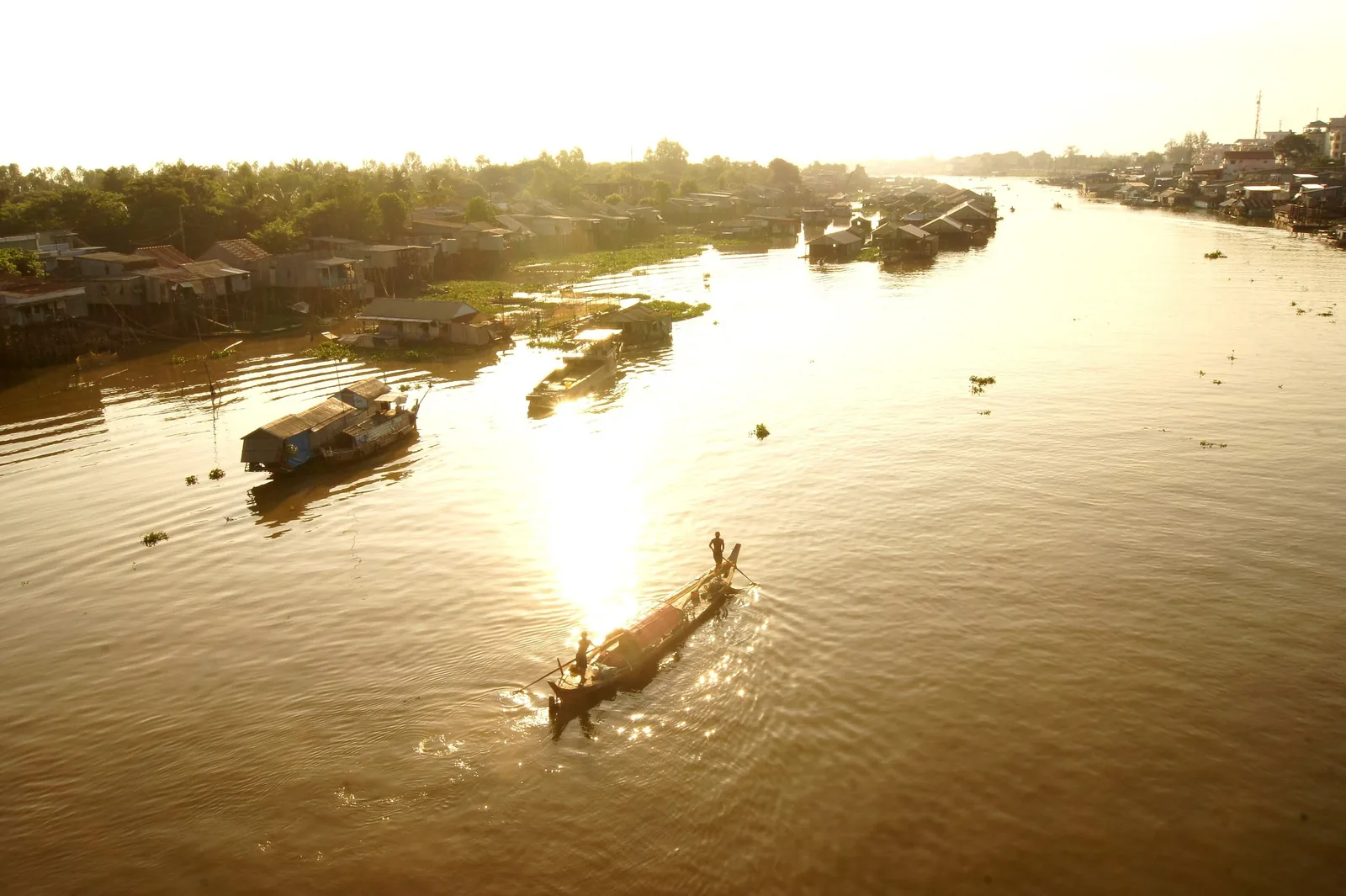
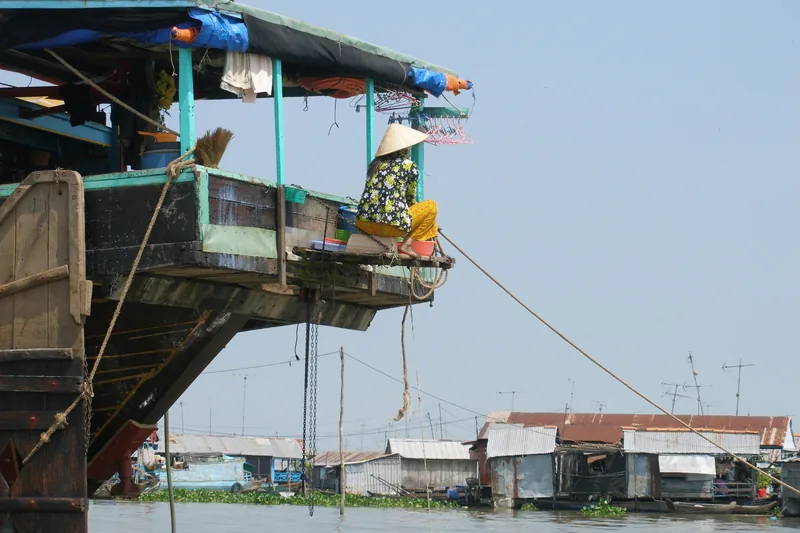
| Vinh Xuong (near Chau Doc) | Kaam Samnor | River | Chau Doc to Phnom Penh by boat on the Mekong, 5 to 7 hours |
| Xa Xia (near Ha Tien) | Prek Chak | Road | Ha Tien or Phu Quoc to Kep and Kampot, a short drive |
Moc Bai is the busy one, used by buses and private cars from Saigon; you walk through both sets of formalities and change vehicles on the Cambodian side. Vinh Xuong is the river crossing, and the boat from Chau Doc stops at both posts while you clear immigration. Xa Xia near Ha Tien links the far south-west of Vietnam with the Cambodian coast.
Laos
Vietnam to Laos
| Vietnam side | Laos side | Usual use |
|---|---|---|
| Lao Bao | Dansavanh | Hue or the DMZ to Savannakhet along Route 9 |
| Nam Can | Nong Haet | Vinh area to Phonsavan and the Plain of Jars |
| Cau Treo | Nam Phao | Ha Tinh towards Thakhek and Vientiane |
| Tay Trang | Sop Hun | Dien Bien Phu to the far north of Laos, towards Muang Khua |
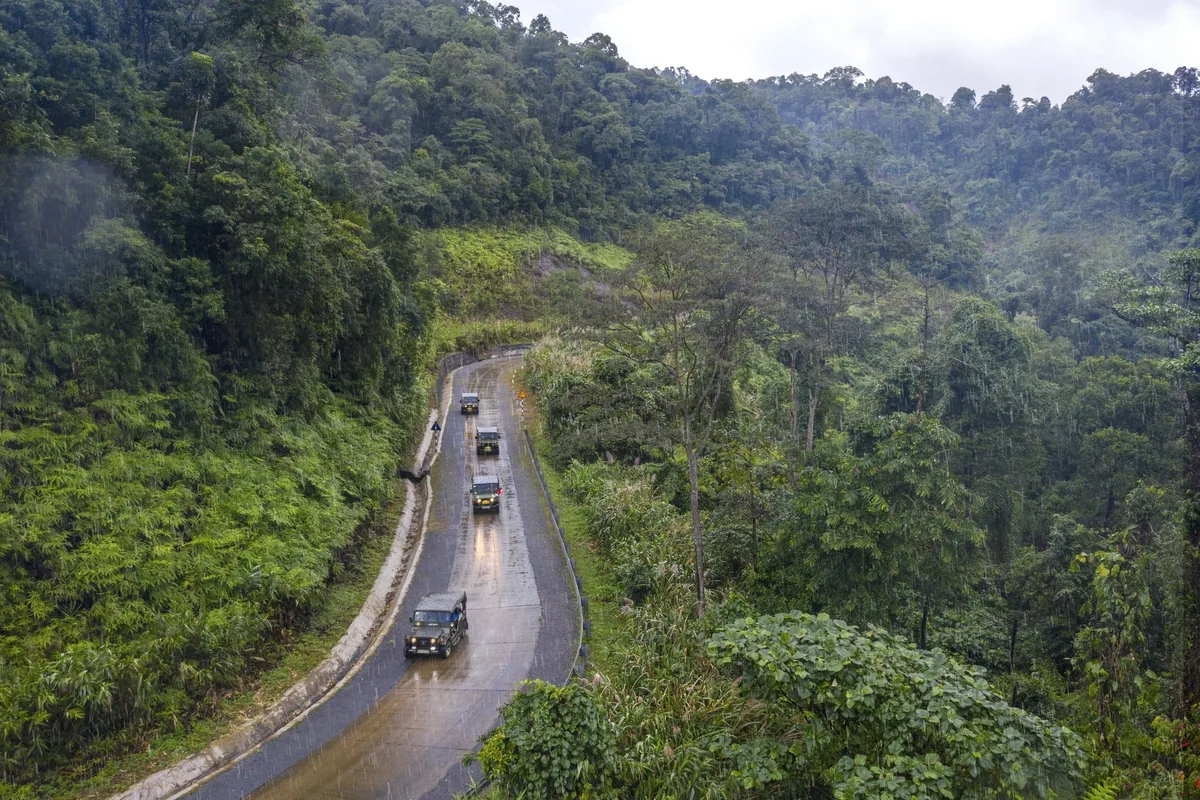
All four are mountain crossings with long drives on either side, and the facilities are simpler than at the Cambodian gates. Transport on the Lao side can be irregular, which is why we arrange a car and driver to meet you rather than leave you to find onward transport. For most travellers, flying to Luang Prabang or Vientiane is quicker; the land routes are for people who want the journey.
Documents
What to carry at any gate
- A passport with at least six months’ validity from the date you enter and several blank pages.
- The visa for the country you are entering, confirmed as valid for that gate — printed if it is an e-visa.
- A way back into Vietnam if you are returning: a multiple-entry visa, a new e-visa, or a visa exemption that applies to your passport.
- Passport photographs and clean US dollar notes if you are using a visa on arrival.
- Your onward booking and hotel address, which officers occasionally ask to see.
Pay only the official fees at the window, and ask for a receipt. Small extra requests are not unknown at some gates; the answer is patience and good humour, and on our crossings the guide or driver will explain what is and is not normal at that gate.
On the day
Timing a border day
Most gates open early in the morning and close in the late afternoon or early evening; the smaller Lao gates keep shorter hours and may close for lunch. Arrive with time to spare, avoid the weekends and holidays around Tet when queues are long, and never plan a flight on the far side the same afternoon. Queues at Moc Bai can take a few minutes or a couple of hours depending on how many buses arrive together.
- 01
Tell us your passport and dates
We check which visa each country accepts at the gate on your route.
- 02
We confirm the gate and the visa route
e-visa or visa on arrival, in writing, with the documents you need.
- 03
Crossing day
Our guide or driver takes you to the Vietnamese post; a partner vehicle meets you on the other side.
Common questions
Questions travellers ask most
Can I use the Cambodian e-visa at Moc Bai or on the river crossing?
The Cambodian e-visa is accepted at some land gates and not others, and the list has changed over the years. We check the current position for your gate before booking.
Does the Laos e-visa work at the land borders with Vietnam?
Historically it has been valid at only a limited list of ports, and a visa on arrival has been the usual route at these gates. Check with us before applying; the list changes.
Do I need a new Vietnamese visa to come back?
If your Vietnamese visa was single entry, yes. If it was multiple entry and still valid, no. We check this when you book a route that leaves and returns.
Is the boat from Chau Doc to Phnom Penh worth it?
If you have the day, yes. It is slower than the road and far more interesting.
Related
Read next
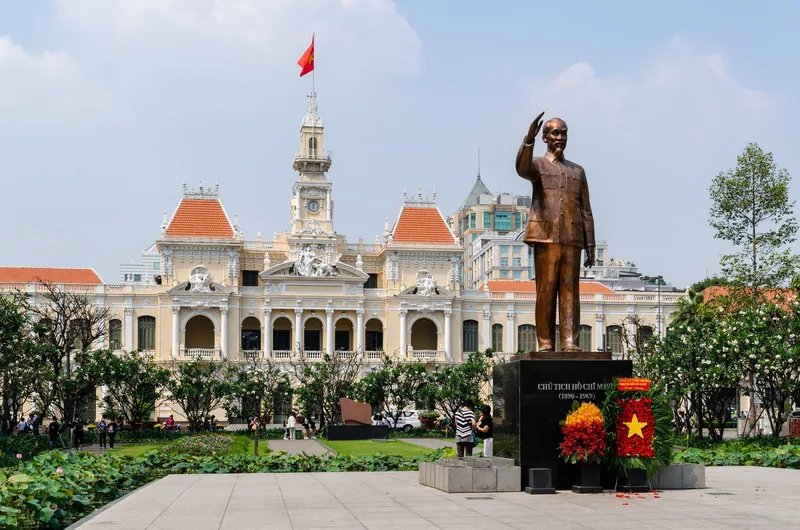
Travel guide
Visas and entry
The e-visa, visa-free entry and the mistakes to avoid.
View this journey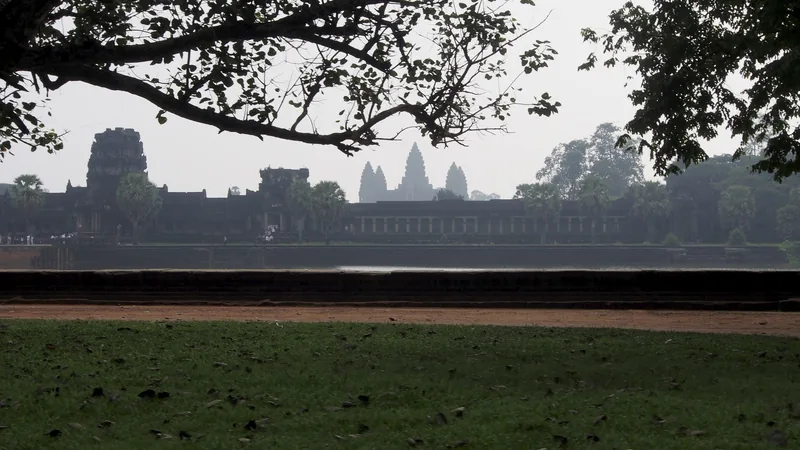
Cambodia
Cambodia
Angkor, Phnom Penh, and how they fit a Vietnam route.
View this journey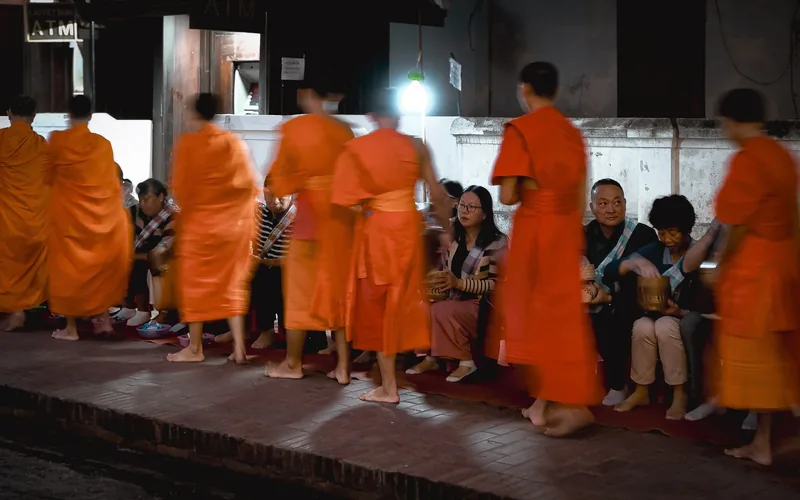
Laos
Laos
Luang Prabang, Vientiane and the southern Mekong.
View this journey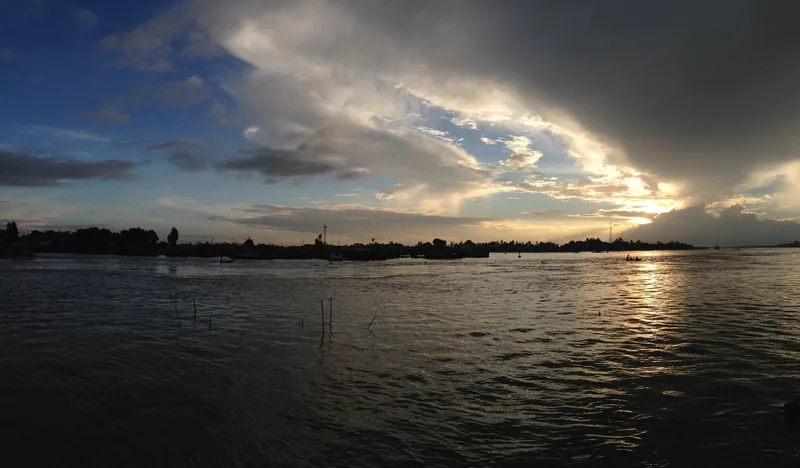
Mekong Delta
Chau Doc
Fish farms, Sam Mountain and the boat to Cambodia.
View this journey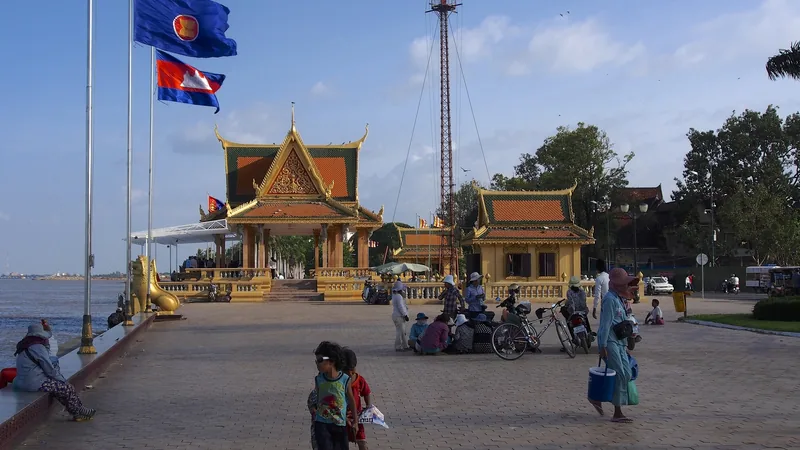
Cambodia
Phnom Penh
The capital: palace, museum, the genocide sites and the river.
View this journey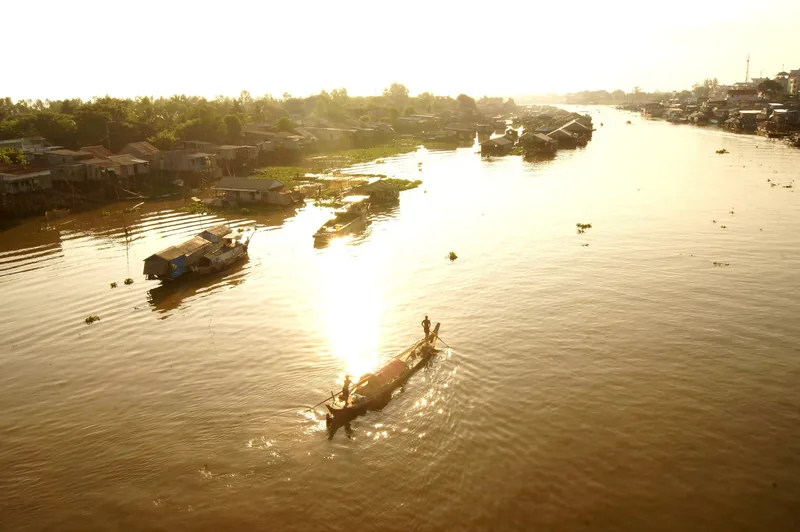
Start planning
Tell us about the trip you have in mind
Dates, party size and the places you care about are enough to start. You get a draft route and an indicative price, not a brochure.
Or talk to us:+84 766 045 399