 Tours out of Ho Chi Minh City and across Vietnam
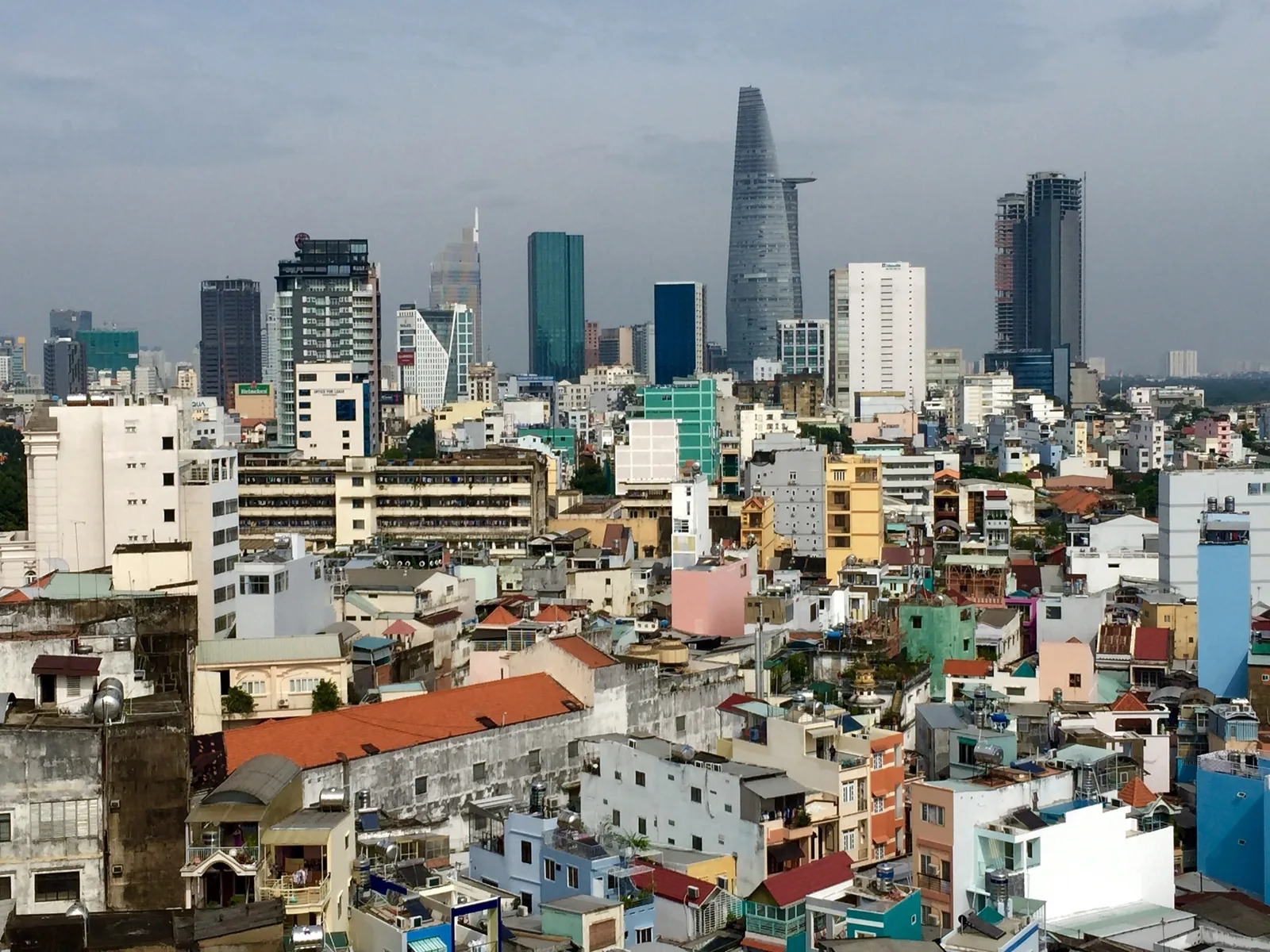
The length of Vietnam
Twelve days, planned around mealtimes
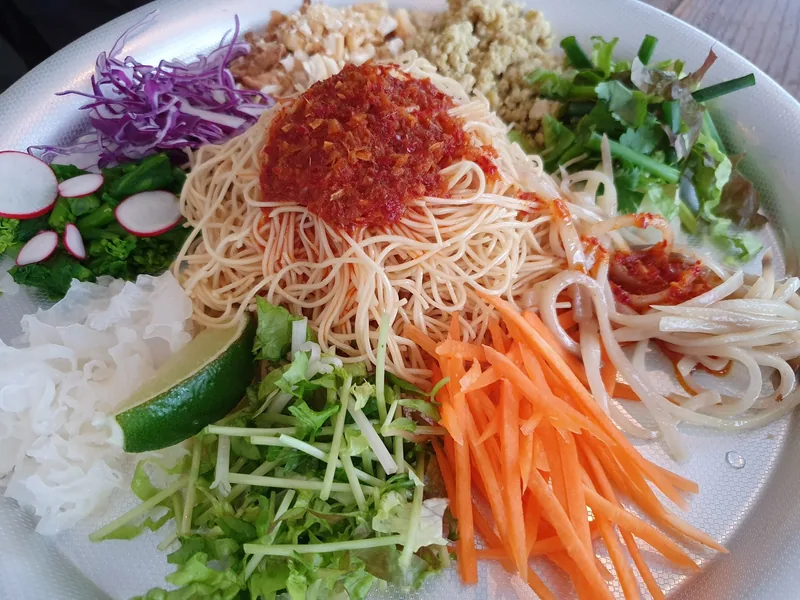
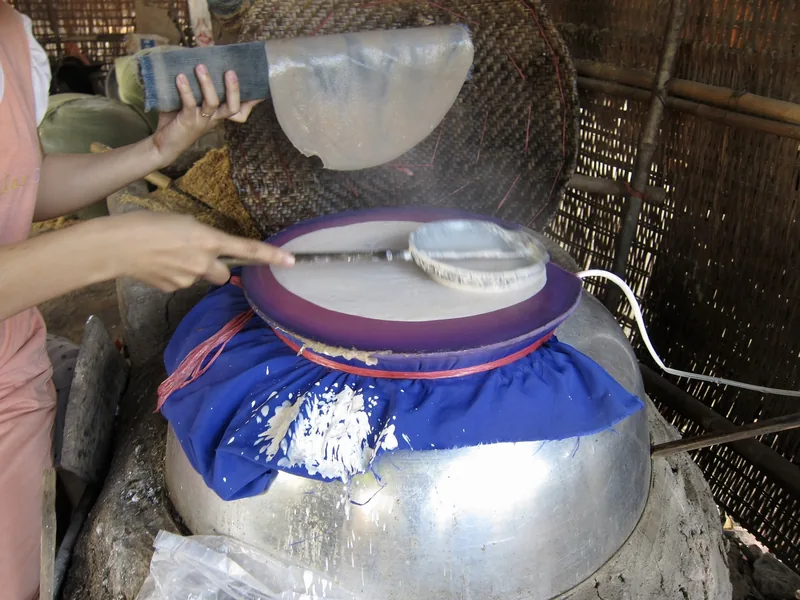
Vietnamese food changes every few hundred kilometres: sweeter and more herb-heavy in the south, hotter and more intricate in Hue, plainer and more exacting in Hanoi. This route follows that change down the country and plans each day around the hours when the food is at its best.
Overview
A trip organised by the clock
Street food in Vietnam runs on timetables. The best broken rice in Saigon is a breakfast dish. Hanoi’s pho is largely gone by ten in the morning. Cai Rang market in the delta is finished by eight. Hoi An’s cao lau and Hue’s bun bo are lunch. The evenings belong to snails in District 4 and to beer on the pavement in Hanoi. A food trip that runs on a sightseeing schedule misses half of this, so we built the days backwards from the meals.
You still see the country: the tunnels, the old towns and the citadel are all within reach and your guide will fit them in if you ask. But the guides on this route are chosen because they eat where they take you, and the days are deliberately light between meals, because by day three most people discover they cannot eat six times a day as well as walk ten kilometres.
- Length
- 12 days, 11 nights
- Bases
- Saigon, Can Tho, Hoi An, Hue, Hanoi
- Cooking lessons
- Three: Saigon, Hoi An, Hue
- Flights
- Saigon–Da Nang, Hue–Hanoi
- Early starts
- Four, all for markets
- Pace
- Slow by day, busy at night
Nights
Where you sleep
Day by day
Day by day
Day 1
Saigon, straight to the street
The snail stall in District 4
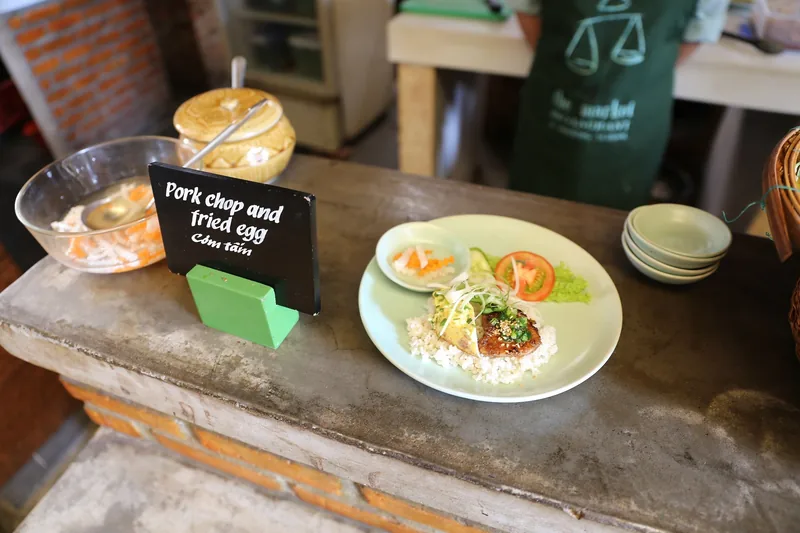
Arrive, rest, and at 18:00 out on the back of a scooter with a rider who eats in these places: four districts and seven stops, ending with snails and grilled seafood in District 4. A car version exists for anyone who would rather not ride.
Day 2
Coffee, a market, and a stove
Rolling your own fresh spring rolls
Pavement coffee at 07:00, then Tan Dinh market with the cook who runs your class. You make four southern dishes and eat them for lunch. The afternoon is for sleeping it off.
Day 3
Cho Lon, the Chinese city
Binh Tay at eight
Binh Tay market and the herbalist streets before the heat, dim sum in a hall that has been doing it for decades, and the assembly halls between meals. Broken rice and bo la lot for dinner.
Day 4
Into the delta by the orchards
Banh xeo the size of a plate
West to Vinh Long for fruit on the islands and a lunch of elephant-ear fish and banh xeo in a family garden, then on to Can Tho.
Day 5
Breakfast on the river, dinner in Hoi An
Noodles eaten on a moving boat
Cai Rang at 05:30 and hu tieu from a boat kitchen. Back to Saigon for an afternoon flight to Da Nang (about 1 hour 20 minutes) and Hoi An by evening, for a first plate of com ga.
Day 6
A market at dawn and the herb village
The smell of the herb beds after watering
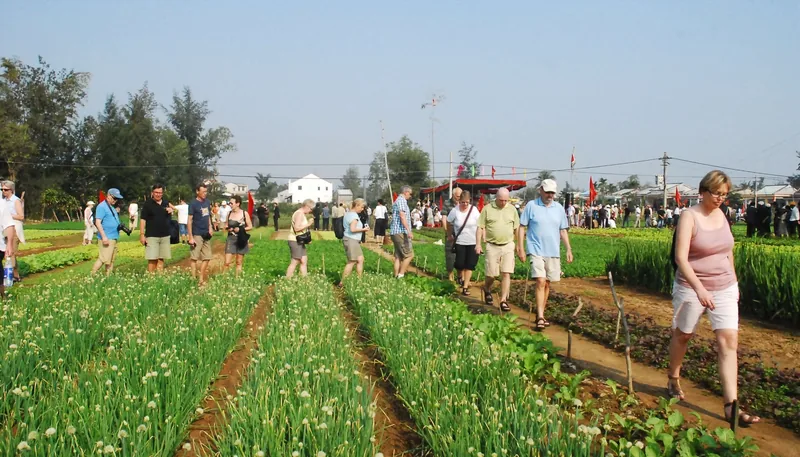
Hoi An’s central market at 06:30, then by bicycle to Tra Que, where the herbs for the whole town are grown, for a lesson with a family who farm there.
Day 7
Noodles you cannot get elsewhere
An honest argument about which cao lau is best
Cao lau and mi quang at the places the guide argues for, banh mi at mid-morning, and a slow afternoon at the coconut-palm village of Cam Thanh.
Day 8
Over the pass to Hue
Clams at the lagoon
Three hours over the Hai Van pass, with a seafood lunch at Lang Co lagoon. In Hue by mid-afternoon, and banh khoai for dinner.
Day 9
Hue: spice, the court and the pagoda kitchen
Com hen, the clam rice nobody outside Hue makes properly
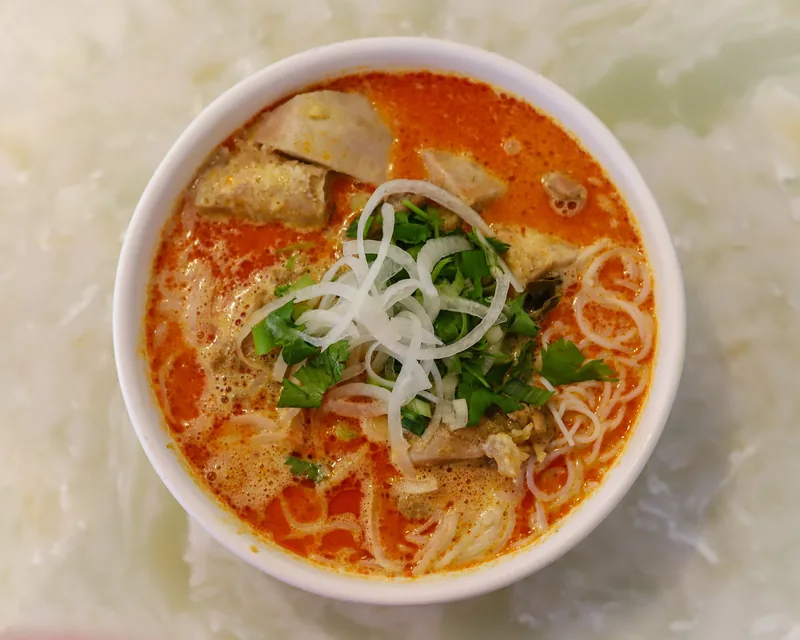
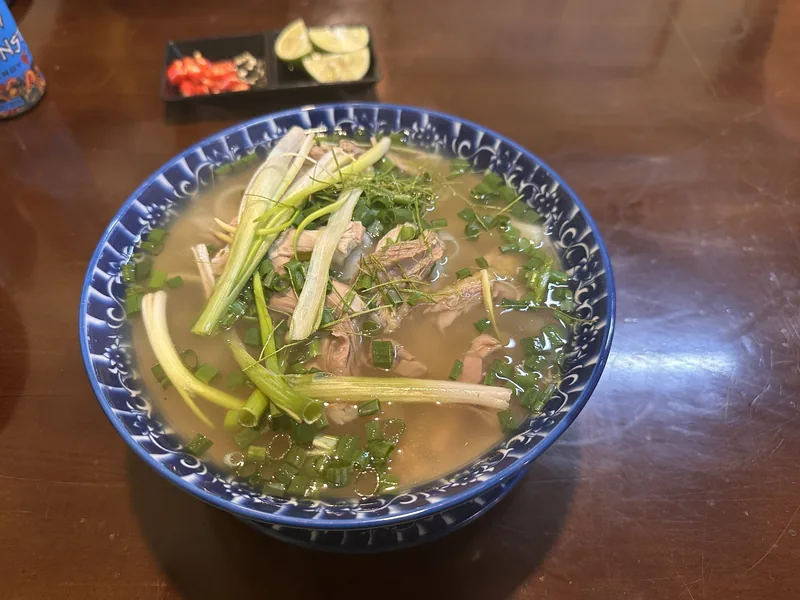
Bun bo Hue for breakfast, Dong Ba market, a vegetarian lunch in the tradition of the pagodas, and an evening cooking lesson in the small, elaborate dishes of the old court. The citadel fits in between.
Day 10
Fly to Hanoi
Cha ca with dill
Hue to Hanoi takes about 1 hour 10 minutes. In the evening, cha ca turned in a pan at the table, and a glass of fresh beer on a corner.
Day 11
Hanoi: pho before nine
Bun cha at noon
Pho at 07:00, banh cuon at a steaming sheet, egg coffee mid-morning, a wet market, then bun cha at lunchtime, which is when Hanoi eats it. The afternoon for the Temple of Literature or a nap.
Day 12
Departure
Whatever you want to eat again
One last breakfast of your choosing and the transfer to Noi Bai.
Price
Price
| Travellers | Tier 1 — simple | Tier 2 — comfortable | Tier 3 — the good ones |
|---|---|---|---|
| 2 travelling | from 1595 | from 1995 | from 3030 |
| 4 travelling | from 1310 | from 1635 | from 2485 |
| 6 travelling | from 1180 | from 1475 | from 2245 |
Most of the food is street food and costs little; the price reflects guides who work longer, later days, three private cooking lessons and the scooter night. Tier 1 hotels suit this trip well, because you will be out for every meal.
Included
What is included
What the price includes
- Private car and driver, plus the evening scooter food tour in Saigon
- Food-minded guides: ours in the south, partner guides in Hoi An, Hue and Hanoi
- Eleven nights in your chosen tier
- Saigon–Da Nang and Hue–Hanoi flights in economy
- Every meal listed, three cooking lessons and all tastings on the market walks
What it does not include
- International flights and visas
- Travel insurance
- Alcohol beyond the beer on the food evenings, and tips
- Meals not listed, which in Vietnam cost very little
Timing
When to eat your way north
● ideal · ◐ workable · ○ poor.
February to April is the best window for this direction: the south is dry, the centre is dry and mild, and Hanoi is warm enough to eat outside. Food is seasonal here too. Spring is good for herbs in Hoi An, and Hanoi’s autumn (September to November) brings green sticky rice and the best weather for pavement eating, though the central coast is stormy then.
Avoid the week of Tet, the lunar new year in late January or February. Many of the small family stalls close for a week or more, and that is exactly what this trip depends on.
Practical
Eating safely, and what to tell us
- Tell us about allergies in writing. Peanuts, shellfish and fish sauce run through the whole cuisine, and our guides will ask each cook, but no one can make a shared street kitchen allergen-free.
- Vegetarians eat well in Hue and reasonably in Hanoi; the delta is harder. Tell us and we will plan around it.
- Ice in cities is made from treated water and is fine. Pace yourself on day one rather than trying everything.
Not for everyone
Who this does not suit
If you have a serious nut or shellfish allergy, or you eat no fish products at all, this is a hard trip to do safely and happily; a sightseeing route with restaurant meals is easier. It is also not for people who want to tick off the famous sights, since there is no bay night and no caves, or for anyone who dislikes plastic stools, loud pavements and eating next to the traffic. That is where most of the good food is.
Common questions
Questions travellers ask most
Is the street food safe?
Busy stalls with a fast turnover are usually safer than quiet restaurants. Our guides choose places they eat at themselves. Most people have one unsettled day at most.
Can we do it without the motorbike evening?
Yes. The same stops work by car or on foot with a taxi between districts. It is a little slower and you lose some of the fun.
Will we be hungry between the planned meals?
Almost never. The usual problem is the opposite, which is why the afternoons are deliberately empty.
Related
Read next
Southern Vietnam
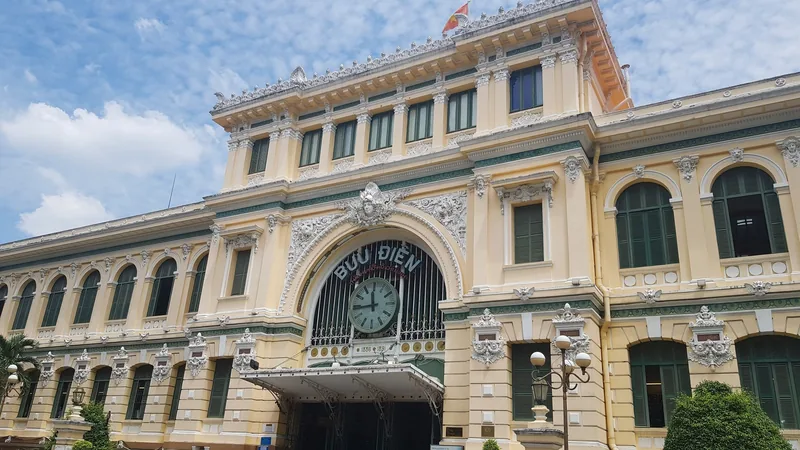
Ho Chi Minh City
The city we work in: districts, food, timing and honest advice.
View this journey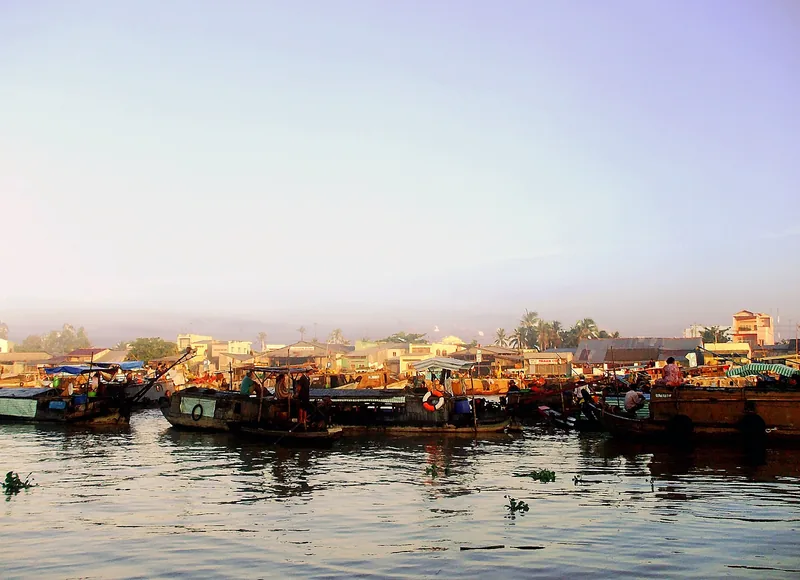
Mekong Delta
Can Tho
The delta base: Cai Rang, canals and a real night market.
View this journey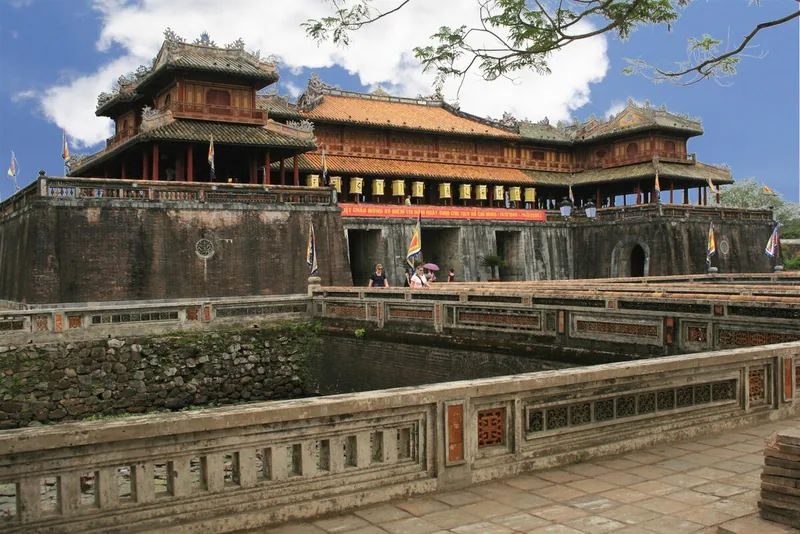
Central Vietnam
Hue
Citadel, royal tombs, and Vietnam’s most particular cuisine.
View this journey
Central Vietnam
Hoi An
Old town, beach, tailors and the honest timing.
View this journey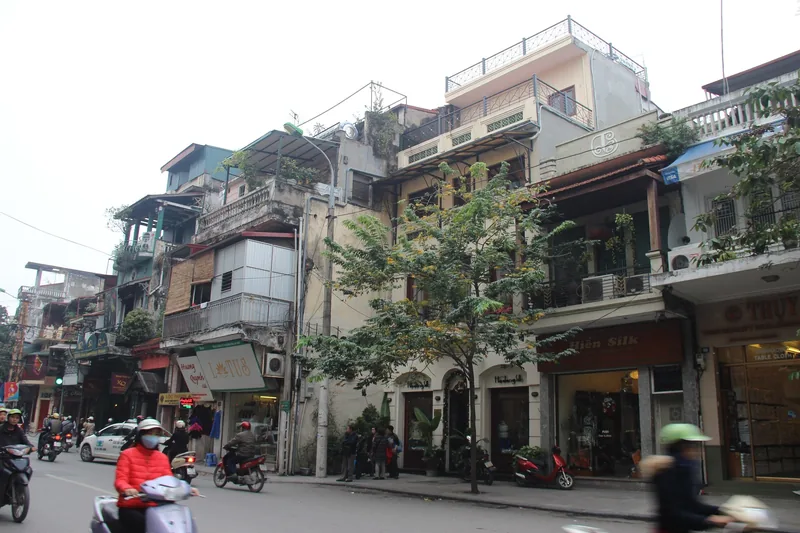
Northern Vietnam
Hanoi
The capital: Old Quarter, food, and the northern base.
View this journey
Example journey
Slow Vietnam
Three or four nights in each of five places, and free days in all of them.
View this journey
Tours
Tours
Day trips, regional routes and full-length itineraries.
View this journey
Start planning
Tell us about the trip you have in mind
Dates, party size and the places you care about are enough to start. You get a draft route and an indicative price, not a brochure.
Or talk to us:+84 766 045 399