 Tours out of Ho Chi Minh City and across Vietnam
Themes
Plan the route around the table
Vietnam has three kitchens, not one, and the differences between them are the point. A food route puts the markets, the home cooks and the right town for each dish first, and fits the sights around lunch.
Overview
Why food changes the whole route
Most itineraries treat food as something that happens between sights. A food route turns that round. It decides which towns you stay in, because the dishes that matter are local and some do not travel: cao lau is a Hoi An noodle and tastes of nowhere else, bun bo Hue is spicier and more lemongrass-led in Hue than anywhere it is copied, and the pho in Hanoi is a different, cleaner soup from the sweeter, herb-heavy southern version. It also decides the hours. Markets are best between six and eight in the morning, the famous noodle stalls often sell out by ten, and the best street cooking in Saigon starts after dark.
So a food trip has earlier mornings, a long gap in the middle of the day and a second outing in the evening. It has fewer museums. It has guides who are chosen because the stallholders know them, which matters more than any script: a guide who is a regular gets the good table, the explanation and occasionally the kitchen.
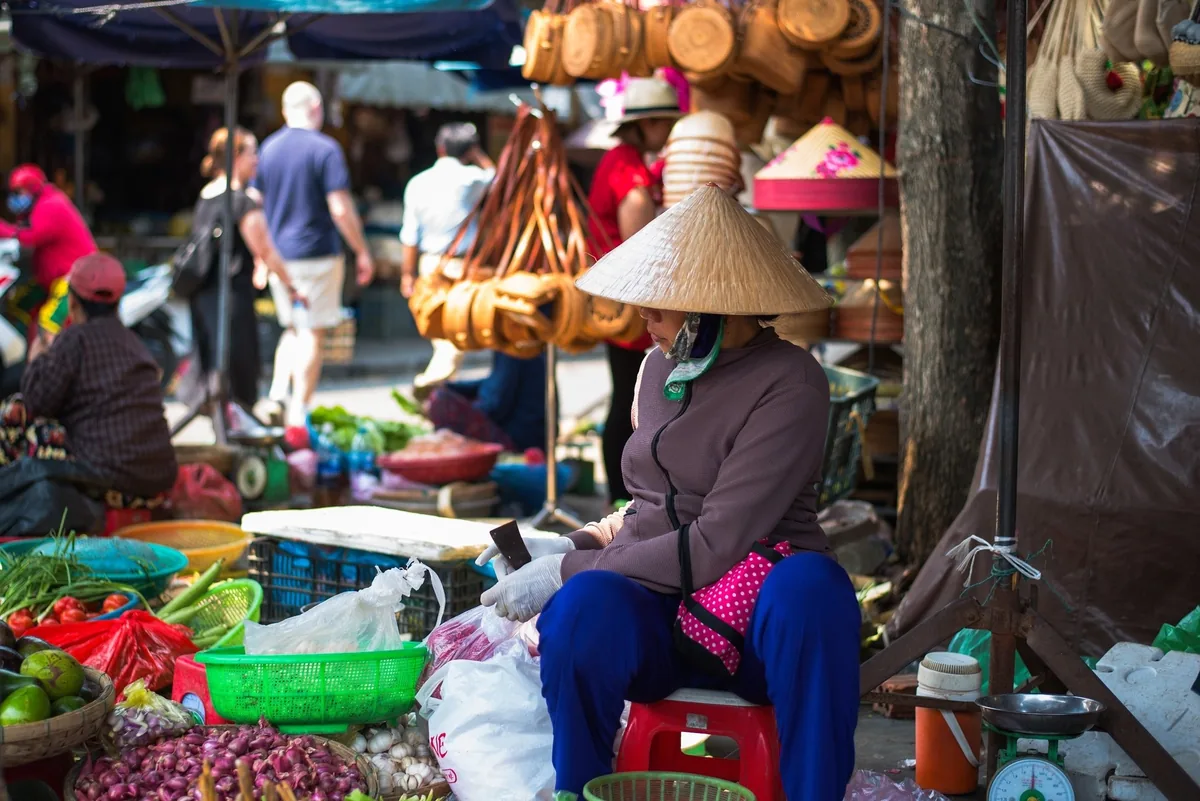 Hoi An market before eight, when the herb sellers from Tra Que are still setting out.
The trips
Trips built around eating
Some of these are an evening or a morning in Saigon; the longest runs twelve days from the delta to Hanoi, eating its way north.
Day tour · from USD 35
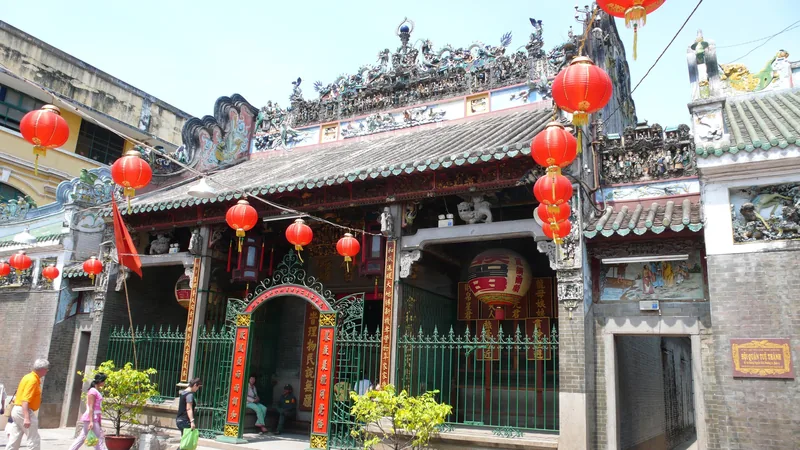
Cho Lon, the Chinese city
Binh Tay market, the assembly halls and a herbalist street, before the heat.
Day tour · from USD 49
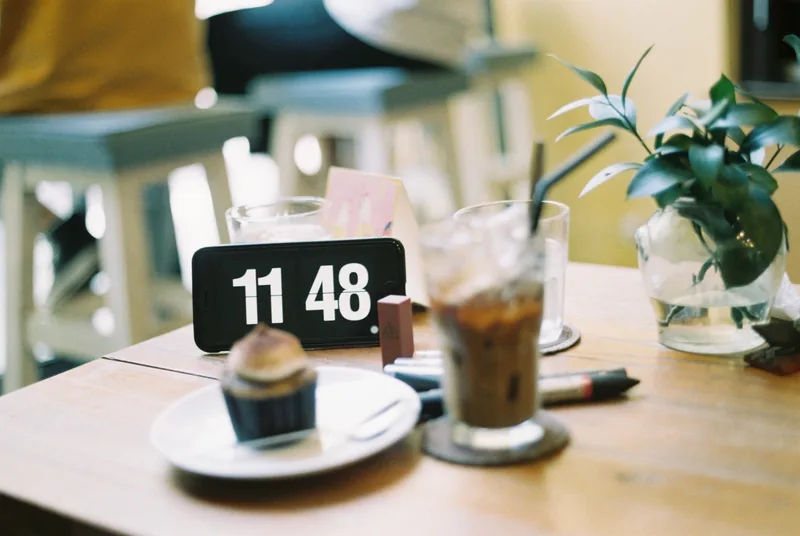
Street food after dark
Four districts, seven stops, on the back of a scooter with a rider who eats there.
Day tour · from USD 35
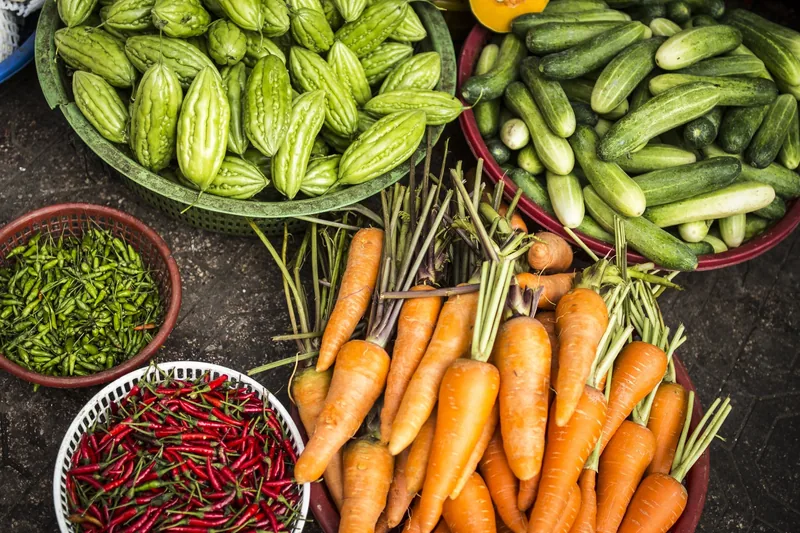
Coffee and markets, a morning
Pavement coffee, a wet market at seven and a roaster who explains the robusta.
Day tour · from USD 49
Market and cooking class
Shop at Tan Dinh, cook four southern dishes, eat them. Half a day.
2 days · from USD 195
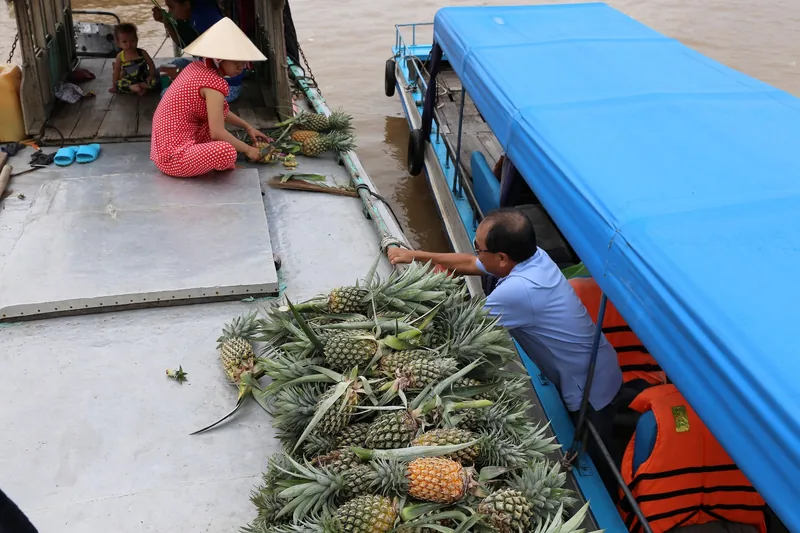
Can Tho and Cai Rang, two days
A night on the river so the floating market happens at dawn, not at ten.
3 days · from USD 295
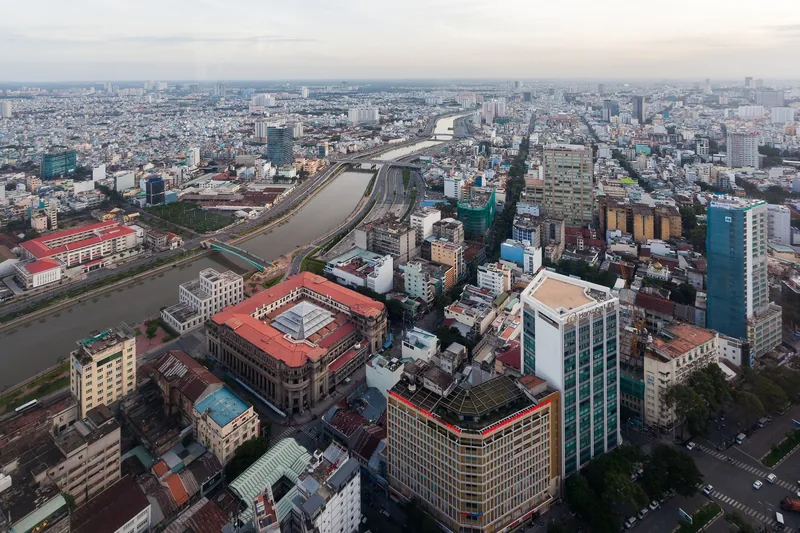
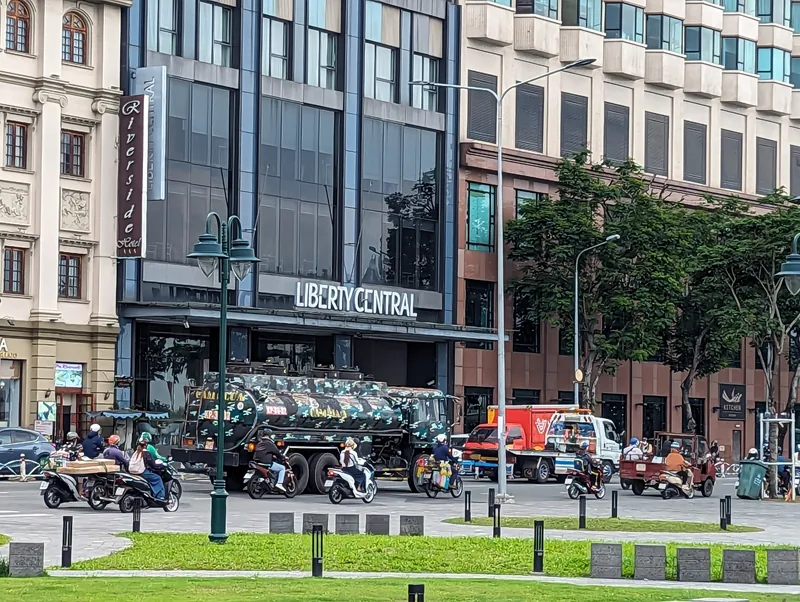
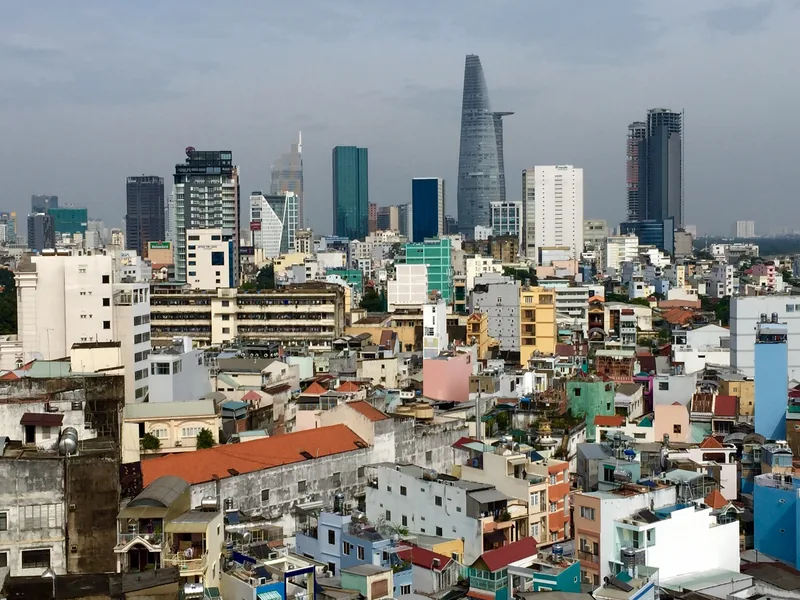
Saigon in depth, three days
The city given three days: food, history, and the districts nobody visits.
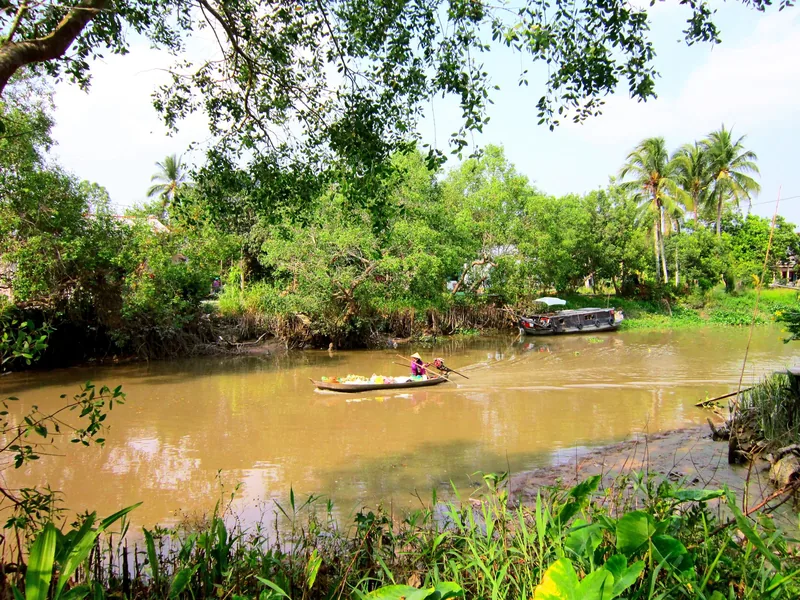
8 days · from USD 1155
The south in eight days
Saigon, two nights in the delta and four on Phu Quoc.
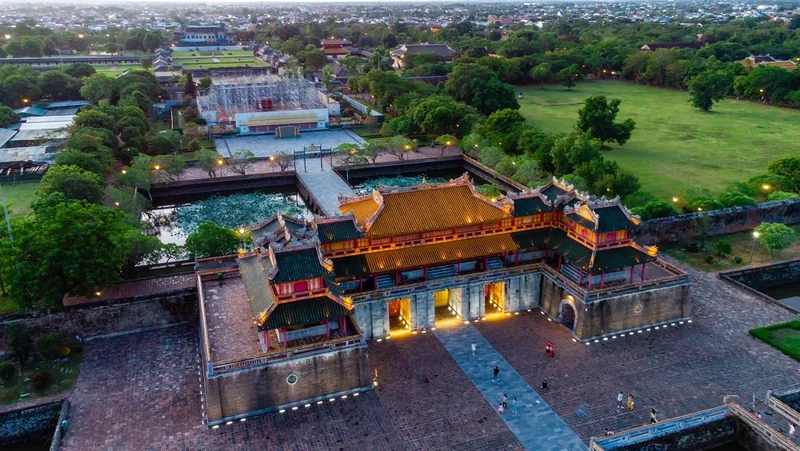
3 days · from USD 325
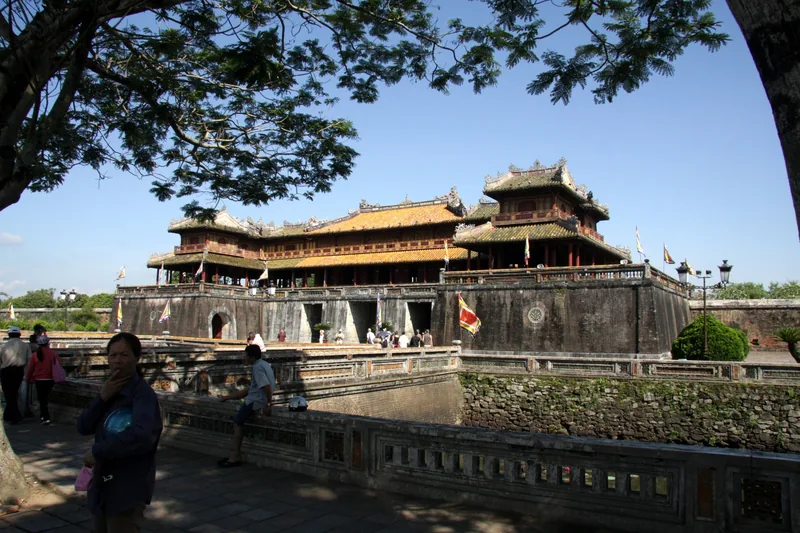
Hue, the imperial city
The citadel, the tombs by boat and bicycle, and the food of the old court.
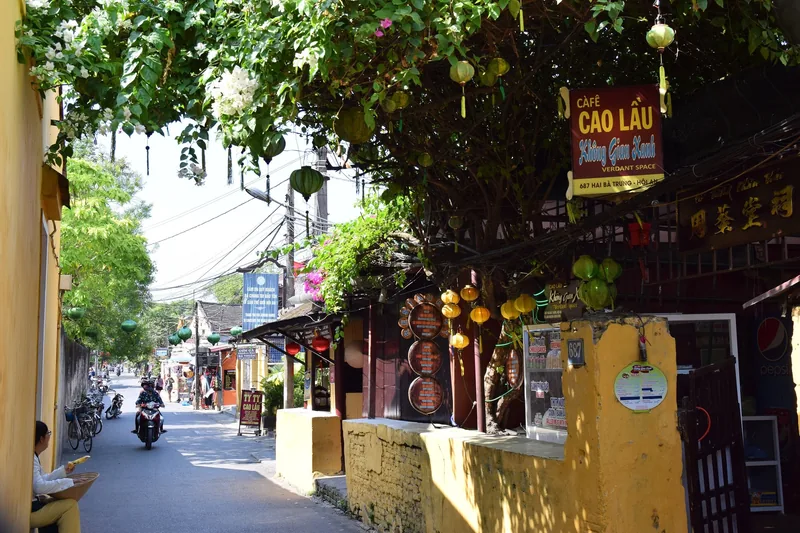
3 days · from USD 395
Hoi An, three days
Enough time for the old town to stop being a sight and start being a place.
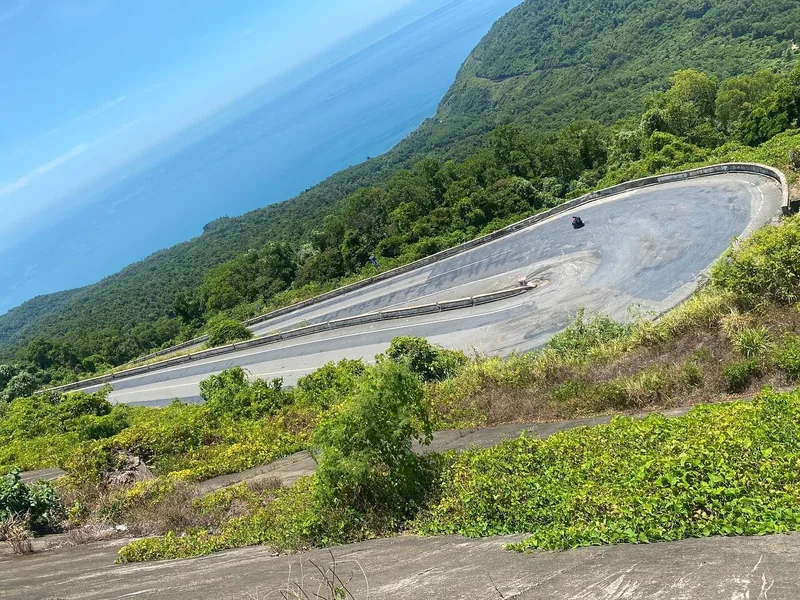
5 days · from USD 695
Hue to Hoi An over the pass
Two nights in each, joined by the Hai Van pass in daylight.
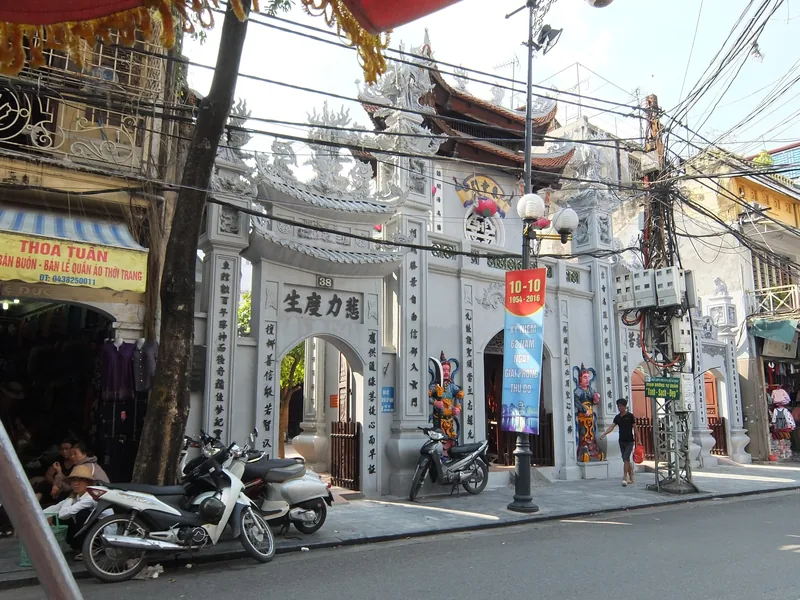
2 days · from USD 235
Hanoi, two days
The Old Quarter, the Temple of Literature and a street-food night, at walking pace.
12 days · from USD 1495
Vietnam in 12 days, north to south
The winter direction: the north first, the warm south to finish.
12 days · from USD 1595
Vietnam through its kitchens
Twelve days eating the length of the country, market by market.
Regions
Three regions, three kitchens
| Region | What defines it | Where we base you |
|---|---|---|
| South | Sweeter, more herbs, coconut, river fish, Chinese and Khmer layers | Saigon (Districts 1, 3, 5), Can Tho |
| Centre | Hotter, saltier, imperial dishes in Hue, noodles in Hoi An | Hue and Hoi An, three nights each |
| North | Cleaner flavours, less sugar, fewer herbs, broth-led | Hanoi Old Quarter or near Hoan Kiem |
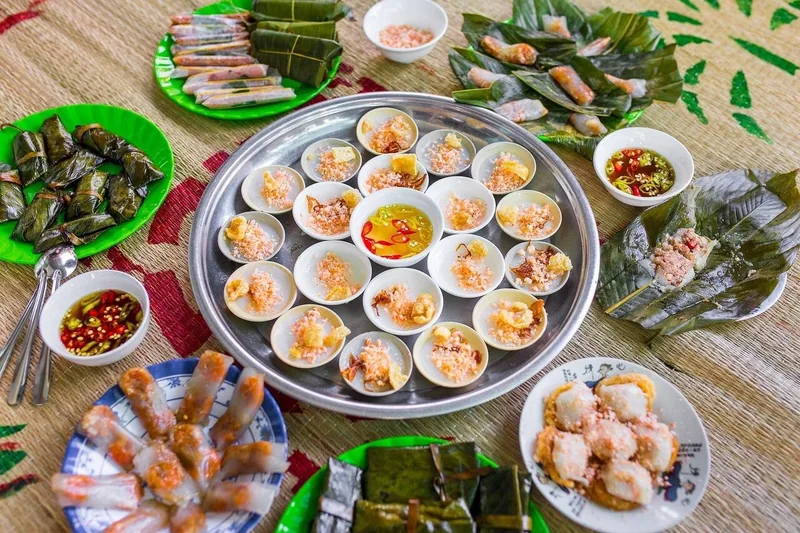
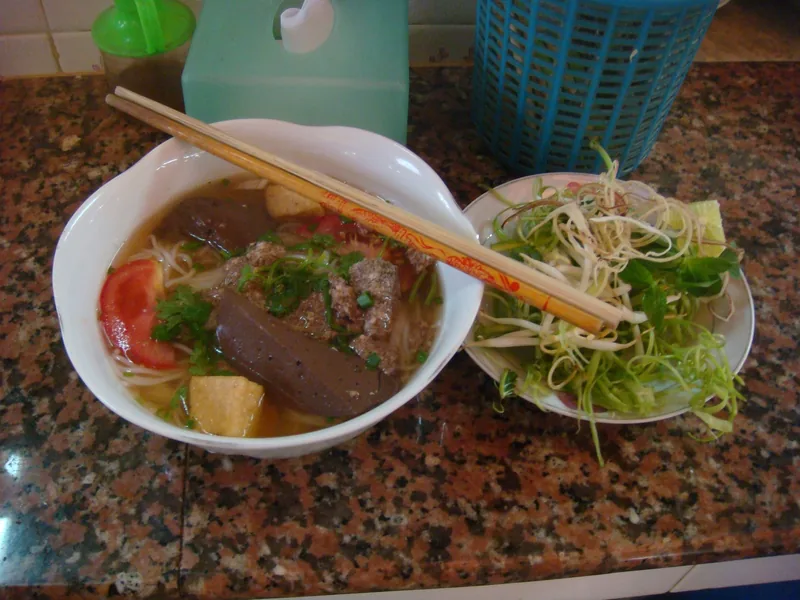
The south is where most of our food days start, because it is our own city. Saigon has the widest range in the country: broken-rice plates at breakfast, hu tieu from Chinese noodle houses in Cho Lon, snails and grilled seafood after dark, banh xeo the size of a plate. In the delta the menu turns to river fish, elephant-ear fish wrapped in rice paper, and fruit eaten at the orchard. In Hue the cooking of the old court survives in small rice cakes steamed in banana leaf, and the city eats more chilli than anywhere else in the country. Hanoi rewards patience: bun cha at lunchtime only, pho at breakfast, and egg coffee in the afternoon.
Safety
Street food and staying well
The question we get more than any other is whether street food is safe. Our answer is that a busy stall is safer than a quiet restaurant, and that a few rules remove most of the risk. Eat where the turnover is fast and locals are queuing. Choose food that is cooked in front of you and served hot. Ice from the uniform cylindrical tubes is made in factories from treated water and is fine; broken block ice is used for chilling and should not go in your glass. Be a little cautious with raw herbs in the first days if your stomach is sensitive, and with cut fruit that has been sitting out.
Our guides choose the stalls on that basis every time, and they will steer you away from places that look fine and are not. Allergies need more care. Peanuts, shellfish and fish sauce are everywhere, and the vocabulary to explain a serious allergy is not widely known. Tell us in writing and we will give your guide a card in Vietnamese to show at every table, and choose places where the cook will read it.
What changes
Cooking classes and markets, done properly
There is a real difference between a demonstration and a class. We look for a kitchen where each person has their own burner and board, where the market visit is a working shop rather than a walk-through, and where you eat what you made at a table rather than standing up. In Saigon that is a half-day starting at Tan Dinh market; in Hoi An it is a morning that starts in the herb gardens at Tra Que. We skip the classes that serve forty people in one sitting.
- What we drop: most museum afternoons, one or two famous sights that clash with market hours, and every tourist restaurant with a set menu.
- What costs more: evening food outings with a second guide and scooter riders, and cooking classes with small numbers.
- What costs less: lunch. The best meals on this trip are rarely the expensive ones.
A food trip does not suit people with a narrow range of what they will eat, or those who need to see every sight on the standard route. It also does not suit anyone who dislikes eating on a plastic stool on a pavement, which is where a good share of the meals happen.
Checklist
Checklist for a food trip
- Write down every allergy and intolerance, with how serious it is.
- Pack stomach remedies and rehydration salts; you will probably not need them.
- Plan light breakfasts at the hotel — the good breakfast is outside.
- Bring small notes in Vietnamese dong; stalls rarely take cards.
- Leave one evening free in each city to go back to the place you liked best.
Common questions
Questions travellers ask most
Can a food trip work for vegetarians?
Yes. Vietnam has a strong Buddhist vegetarian tradition and every city has vegetarian restaurants, often busiest on the first and fifteenth of the lunar month. Fish sauce is the hidden ingredient to ask about, and our guides do.
Are the street-food evenings on scooters safe?
The riders are ours, drive for a living and ride slowly with a passenger. Helmets are provided and worn. If you would rather not ride, we run the same evening by car and on foot, with fewer stops.
Do we eat every meal out?
No. Breakfast is usually at the hotel on travel days, and we leave some meals open so you can go back to somewhere you found yourself.
Related
Read next
Travel guide
Food and eating
Regional dishes, street food sense, allergies and water.
View this journey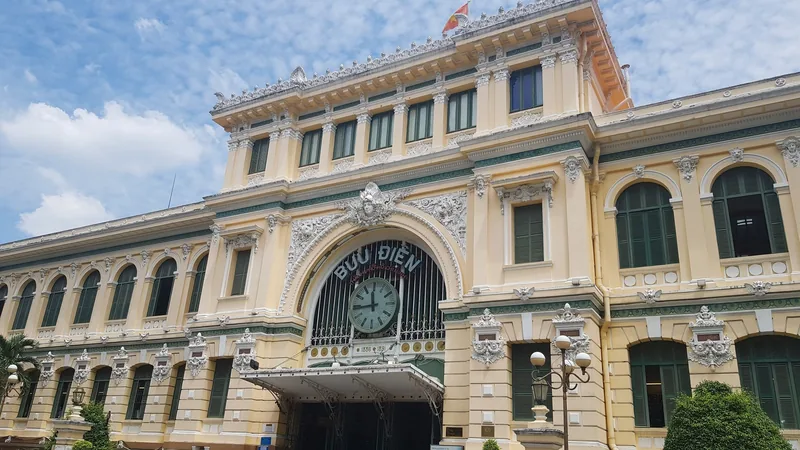
Southern Vietnam
Ho Chi Minh City
The city we work in: districts, food, timing and honest advice.
View this journey
Central Vietnam
Hoi An
Old town, beach, tailors and the honest timing.
View this journey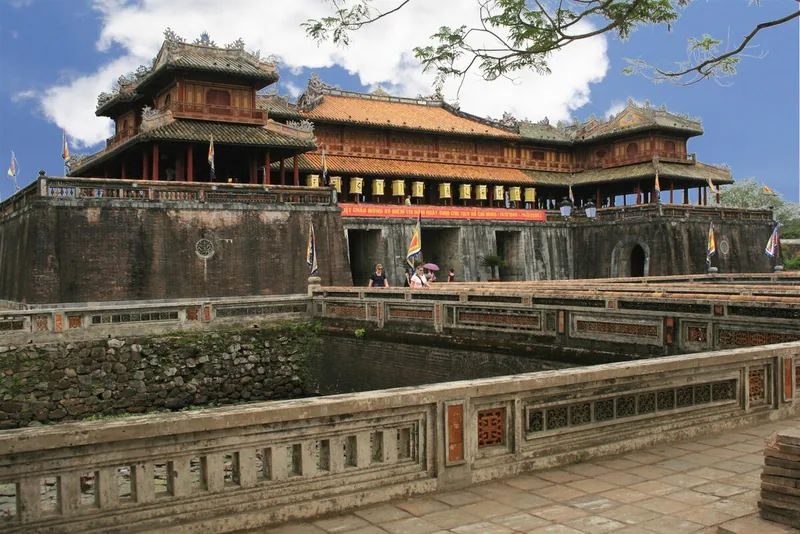
Central Vietnam
Hue
Citadel, royal tombs, and Vietnam’s most particular cuisine.
View this journey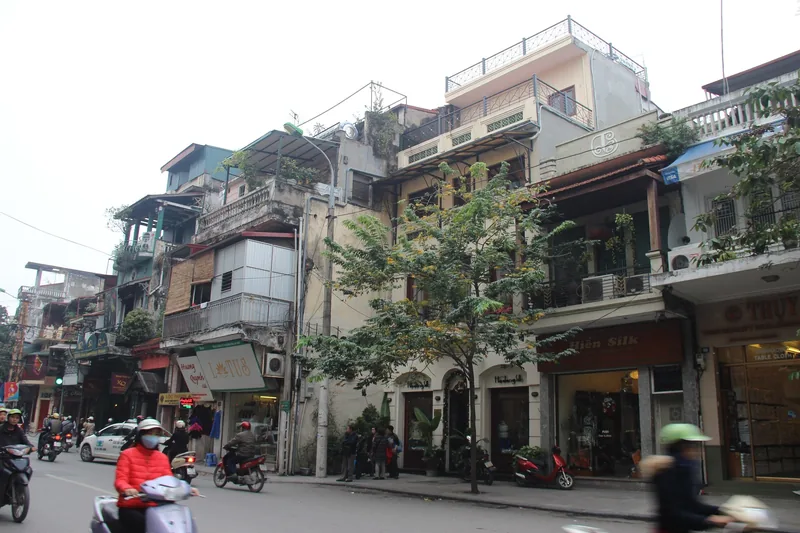
Northern Vietnam
Hanoi
The capital: Old Quarter, food, and the northern base.
View this journey
Start planning
Tell us about the trip you have in mind
Dates, party size and the places you care about are enough to start. You get a draft route and an indicative price, not a brochure.
Or talk to us:+84 766 045 399