 Tours out of Ho Chi Minh City and across Vietnam
Themes
Stay long enough to stop being a visitor
The usual route moves every two nights and spends a day in five on the road. A slow trip moves every four, and uses the time it saves to settle into a place long enough to have a favourite café.
Overview
The case for staying put
Every move on a trip costs roughly half a day: packing, checking out, the drive or the flight, checking in and finding your bearings again. On a fourteen-night route with seven stops that is three and a half days of the holiday spent in transit. Slow travel cuts the stops to four or five, and the difference is not just time. On the third morning in a town you know where to get coffee, the woman at the fruit stall recognises you, and you stop sightseeing and start noticing.
It is the trip many of our travellers book on their second visit, after the first one taught them what they missed. We think it works just as well the first time, provided you accept that you will not see everything. Vietnam is long; nobody sees all of it in three weeks, and the people who try see mostly the inside of vehicles.
 Can Tho on a third morning, when the town has become familiar.
The trips
Trips that take their time
Some of these are long routes with fewer bases than usual; some are short trips to places that reward staying on, like the delta’s far corners or the Laos river towns.
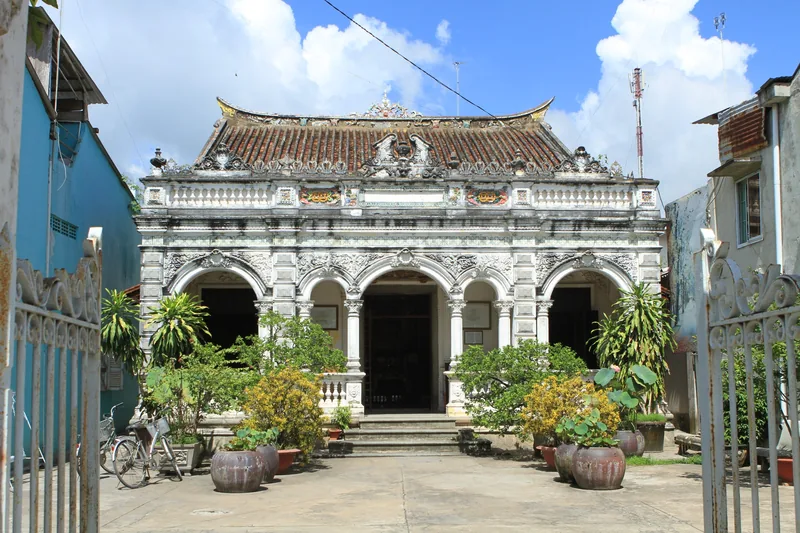
Day tour · from USD 79
Sa Dec and the Dong Thap lotus ponds
Flower villages, a colonial merchant house and lotus fields: a long day, worth it.

2 days · from USD 175
A delta homestay, two days
An Binh island, a family house, a night without traffic noise.
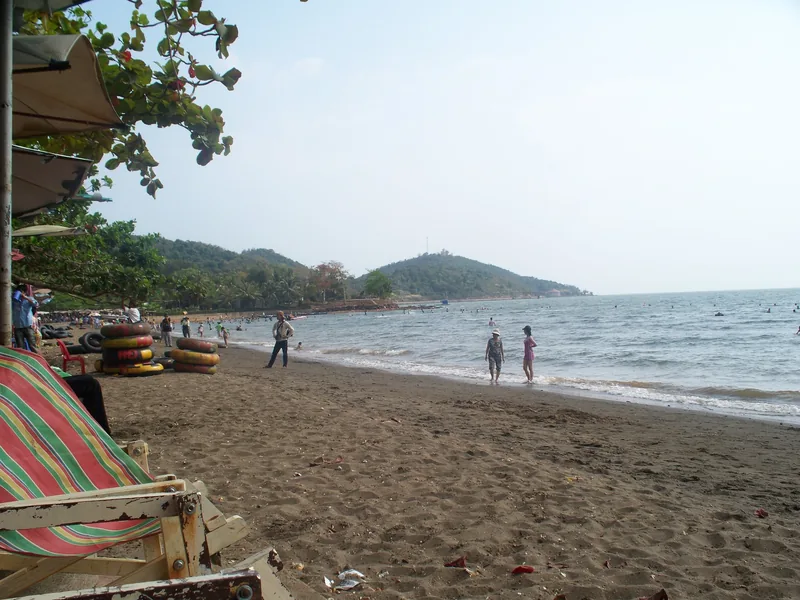
4 days · from USD 565
Chau Doc to Ha Tien, four days
The delta’s western edge: a border town, karst by the sea, the quiet coast road.

5 days · from USD 595
To the southern tip at Ca Mau
Five days down to where the country runs out into mangrove.

3 days · from USD 425
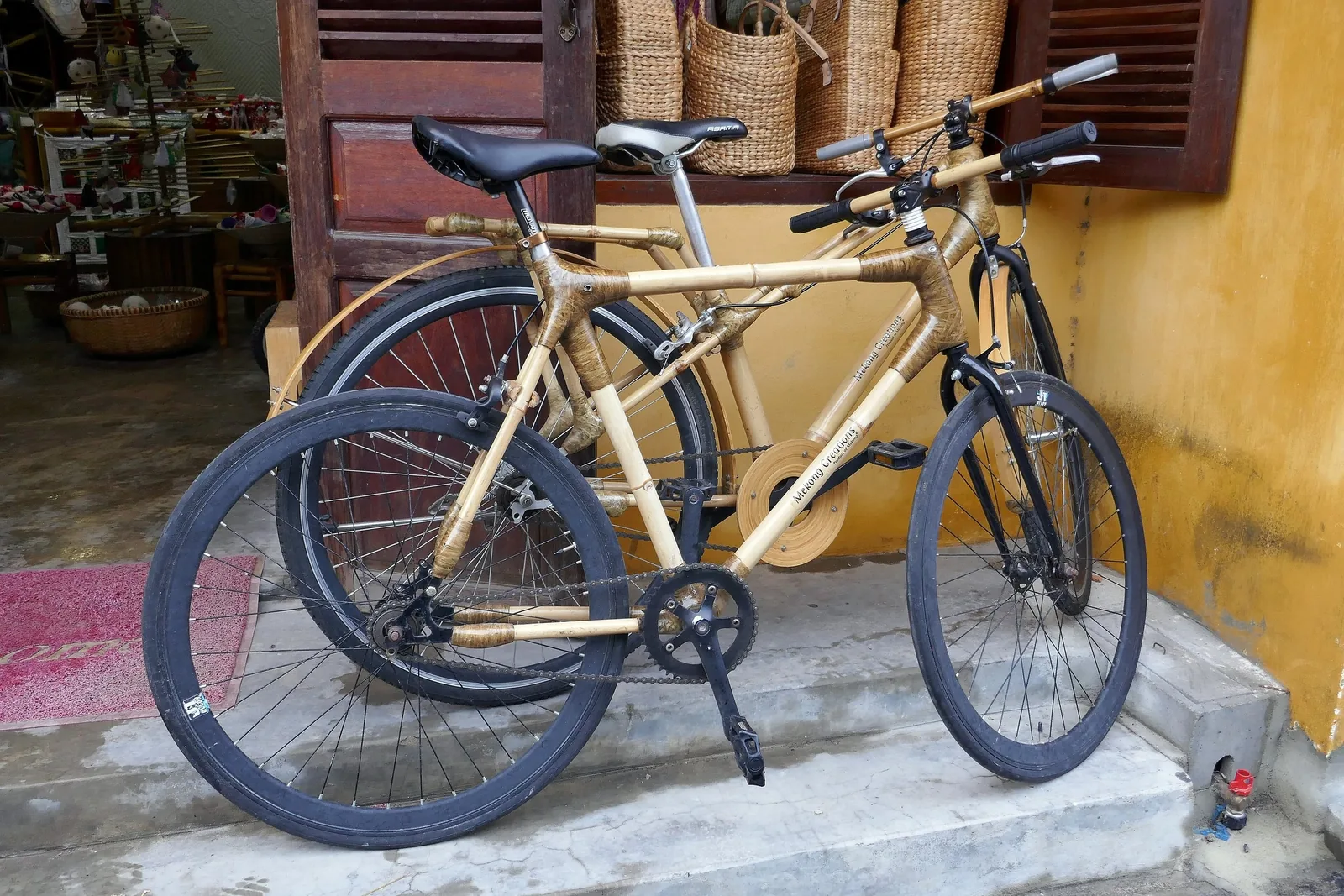
Hoi An by bicycle
Vegetable villages, the river islands and Cua Dai, all flat and all before lunch.

4 days · from USD 545
Quy Nhon and the quiet coast
The central coast before the resorts: fishing villages, Cham towers, empty coves.

6 days · from USD 885
The central coast by train
Dong Hoi to Quy Nhon on the coastal line, four stops, no long drives.
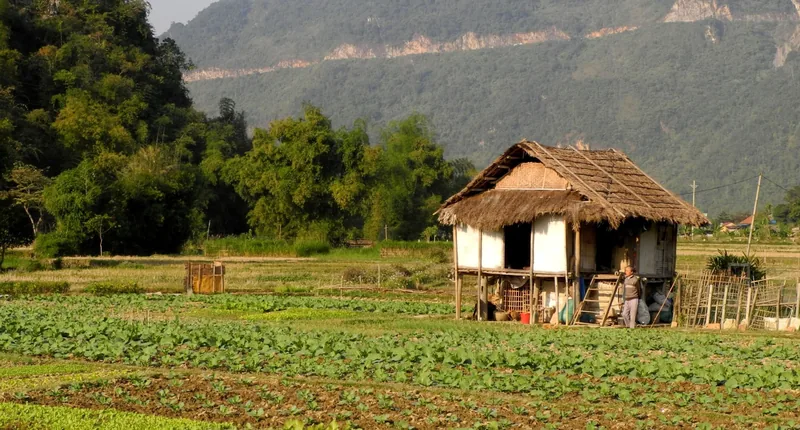
2 days · from USD 255
Mai Chau valley
A White Thai valley three and a half hours from Hanoi, a stilt house and bicycles.

3 days · from USD 385
Pu Luong nature reserve
Terraces, bamboo bridges and a lodge with no road noise at all.

9 days · from USD 1295
The northwest loop
Mai Chau, Mu Cang Chai and Sapa in one circuit, nine days, no backtracking.
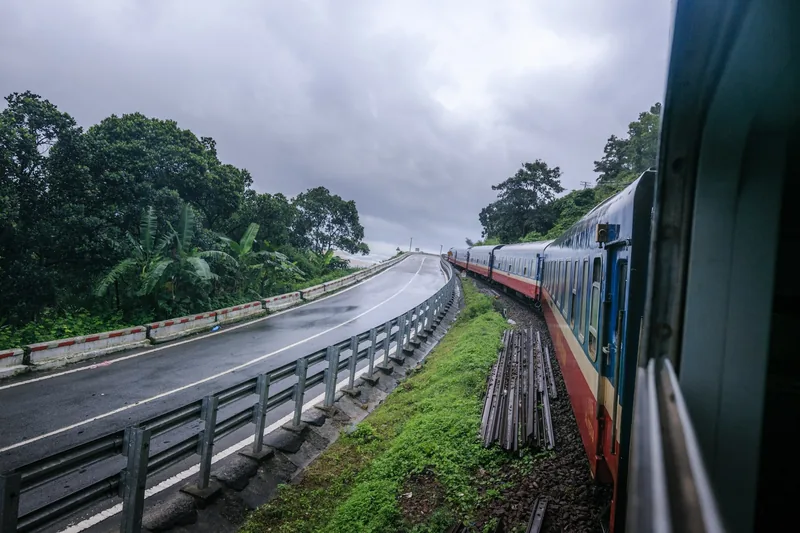
15 days · from USD 1795
Vietnam by train, 15 days
Saigon to Hanoi on the Reunification line: four daylight legs and one night train.
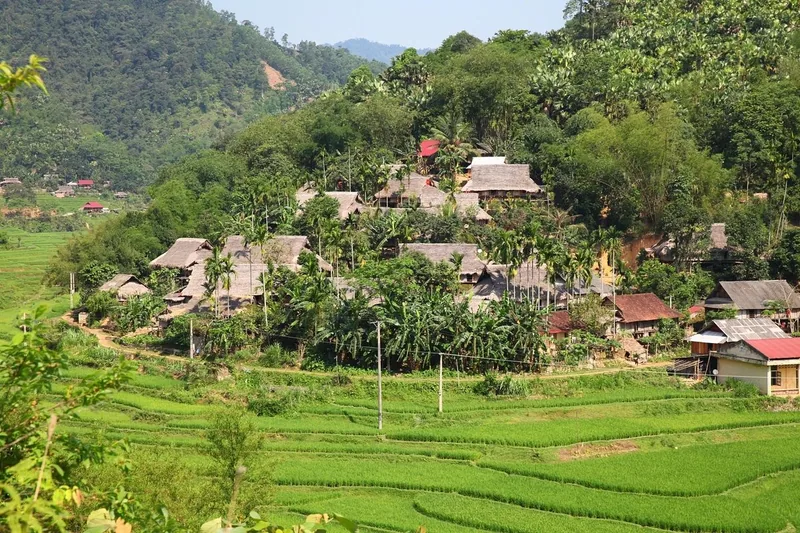
18 days · from USD 2295
Slow Vietnam, 18 days
Five bases in seventeen nights. The trip most people book the second time.

22 days · from USD 2895
From the delta to the mountains
Twenty-two days from Chau Doc to Ha Giang, with the coast in between.
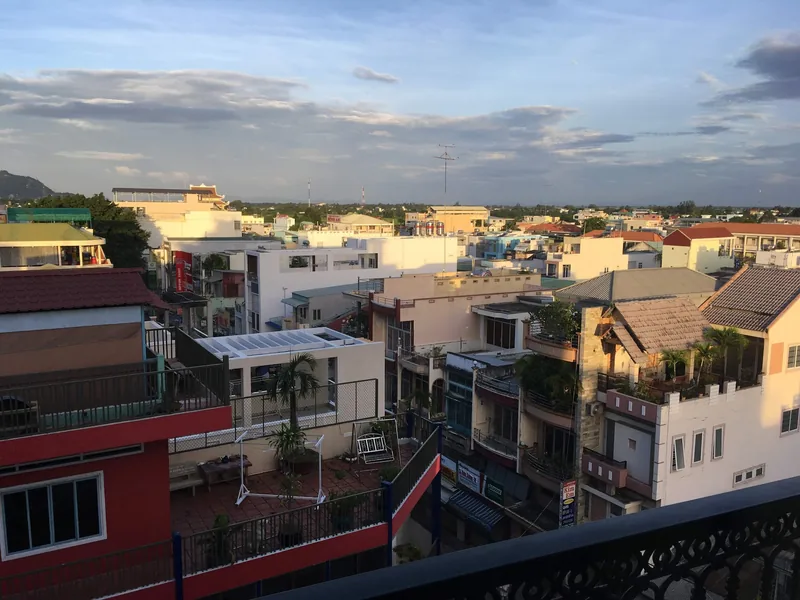
10 days · from USD 1495
The Mekong to Angkor
Saigon, the delta, the river into Phnom Penh and on to Siem Reap.
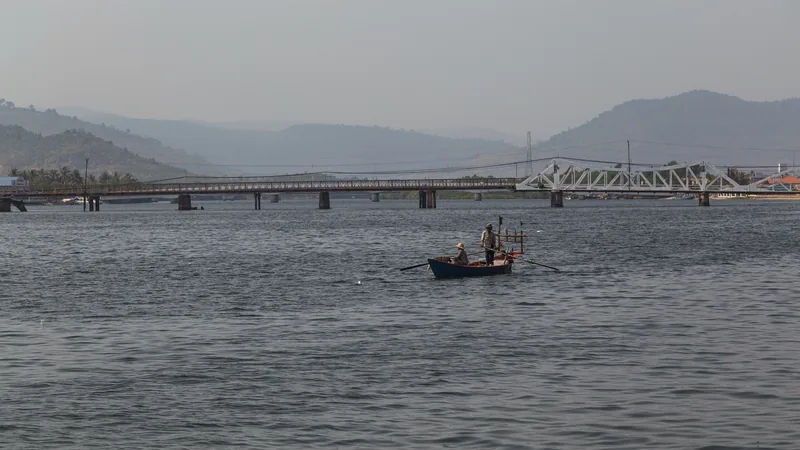
12 days · from USD 1695
Saigon, Angkor and the Cambodian coast
Temples, Battambang, the capital and two nights of nothing at Kampot.
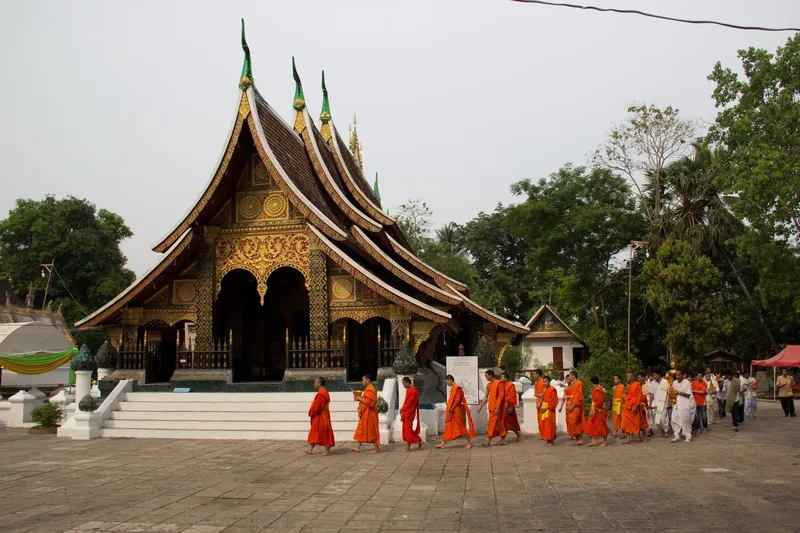
15 days · from USD 2195
Vietnam and Laos, 15 days
The length of Vietnam with four slow nights in Luang Prabang.
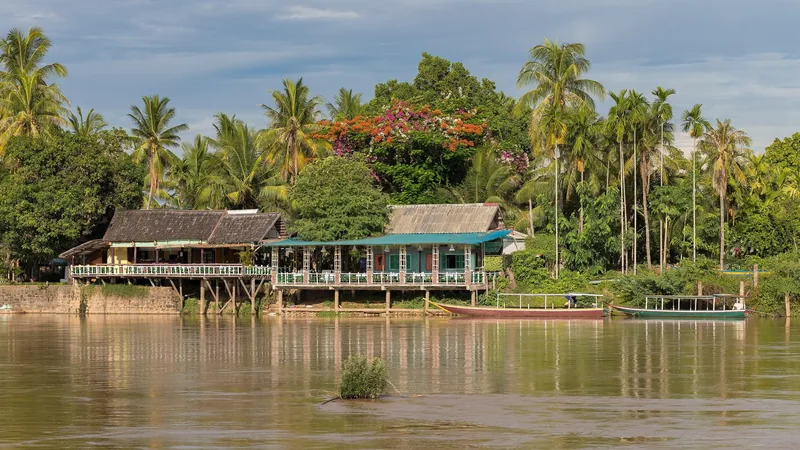
16 days · from USD 2295
Vietnam and southern Laos
The south of Vietnam, then Pakse, the Bolaven plateau and the 4,000 islands.
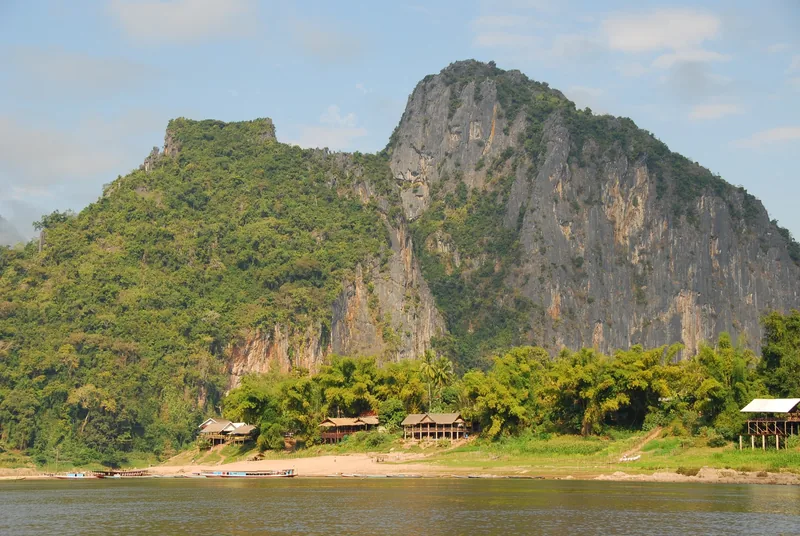
24 days · from USD 3695
The grand Indochina route, 24 days
Luang Prabang and Vientiane, the length of Vietnam, the river to Phnom Penh, Angkor.

5 days · from USD 1295
By river from Saigon to Phnom Penh
Five days up the Mekong on a small riverboat, crossing into Cambodia on the water.
What changes
How the shape of the trip changes
| A standard 18 days | A slow 18 days | |
|---|---|---|
| Bases | 7 or 8 | 4 or 5 |
| Nights per base | 2, sometimes 1 | 3 to 5 |
| Travel days | About 6 | About 3 |
| Guided days | Most days | About half the days |
| Internal flights | 3 or 4 | 1 or 2, with trains and road between |
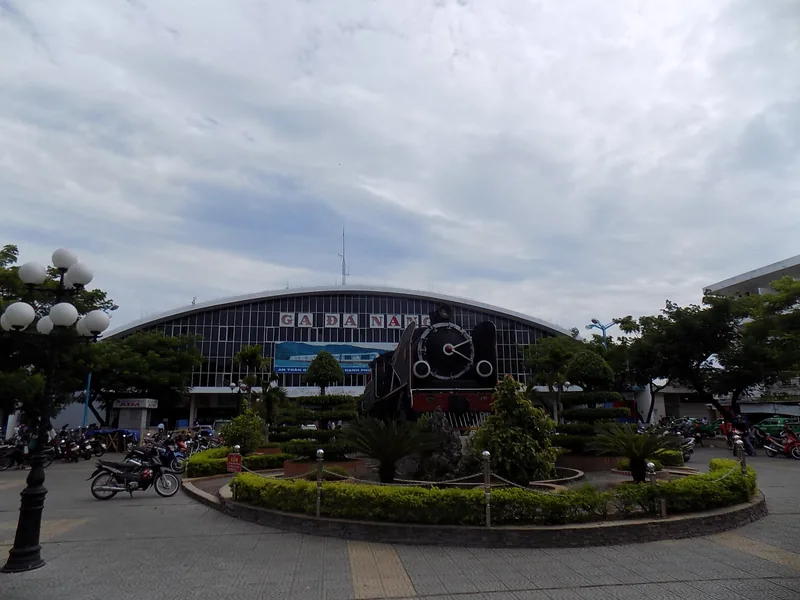
We use trains where they make sense. The coastal railway between Hue and Da Nang is one of the loveliest short journeys in the country; the line between Dong Hoi and Hue, and the stretch south towards Quy Nhon and Nha Trang, turn a transfer into part of the trip. Boats do the same in the delta and on the Mekong into Cambodia and Laos. Flights are kept for the legs where the alternative is a full day on a road.
Guiding changes too. On a slow trip the guide is with you for the first day in each base, to show you how the place works, and then on the days you want company. The other days are yours, with a driver on call and a list of things within reach.
Where
Where slow travel works best
Some places reward a long stay far more than others. Hoi An is the obvious one: after two days the old town stops being a sight, and the villages, beaches and river islands around it come into view. Hue suits four nights, with the tombs by bicycle and a morning on the river. In the delta, Can Tho and Chau Doc repay three nights each, with a homestay in between. In the north, Pu Luong and Mai Chau are made for staying, and Hanoi is a city that improves on the fourth day. Across the borders, Luang Prabang, Kampot and the 4,000 islands in southern Laos are three of the slowest places in the region.
For timing, slow routes suit the shoulder months best: February to April and September to November. Longer stays in the south are comfortable from December to March; the centre is at its most pleasant from February to May.

Trade-offs
Costs, and who it does not suit
- Cheaper: fewer flights, fewer transfers, fewer guided days. On a long trip this more than covers the next point.
- Dearer: better rooms. When you spend four nights somewhere the room matters more, and we usually suggest going up a tier for at least two bases.
- Unchanged: entrance fees and meals, which are a small share of the total.
- Dropped: the famous second-tier stops that exist mainly to break a long drive.
Slow travel does not suit anyone on a first visit with ten days who wants to see Hanoi, Ha Long, Hoi An, Saigon and the delta; that route exists, and it is a good one, but it is not slow. It does not suit travellers who get restless without a plan for every day. And it is not for anyone who wants a guide to fill every hour.
Checklist
A checklist for a slow trip
- Choose four places, not seven; we will tell you which ones reward time.
- Pick rooms with space and a window, since you will be in them.
- Bring a book, and leave room in the bag for the things you will buy in a market on day three.
- Keep one base with a kitchen or a café downstairs, for the days you do nothing.
Common questions
Questions travellers ask most
Will I get bored staying four nights in one place?
Almost nobody does, because each base has enough within an hour to fill the time, and we leave a list with the driver. The more common complaint is leaving too soon.
Is slow travel cheaper?
Per day, usually a little, because transport and guiding are the expensive lines. Most people spend the saving on better rooms.
Can we travel between bases by train?
On the central coast and along the main north–south line, yes. We book seats in the best available class and plan the daylight legs.
Related
Read next
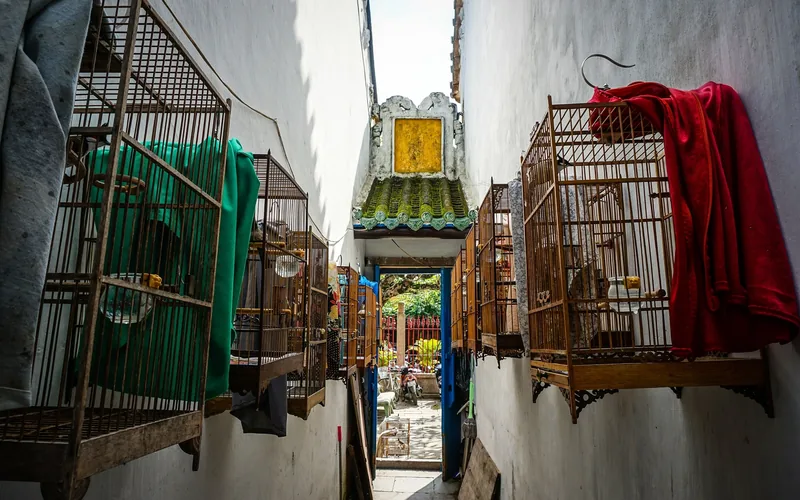
Central Vietnam
Hoi An
Old town, beach, tailors and the honest timing.
View this journey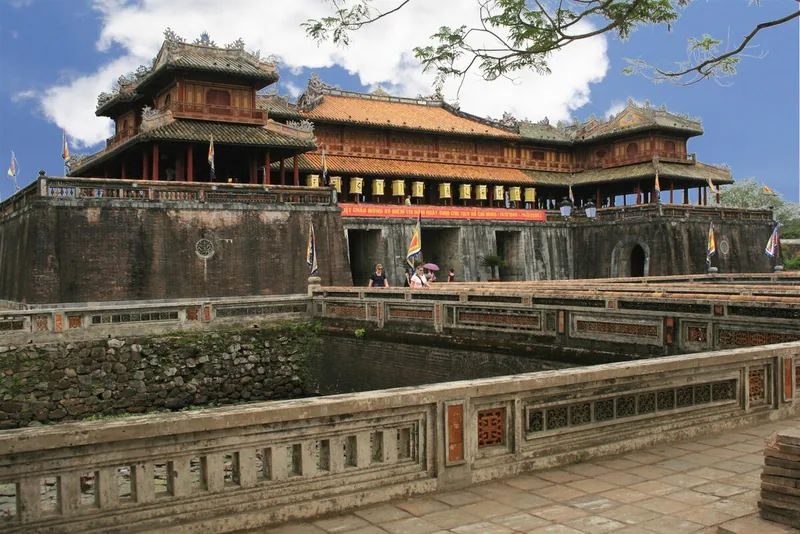
Central Vietnam
Hue
Citadel, royal tombs, and Vietnam’s most particular cuisine.
View this journey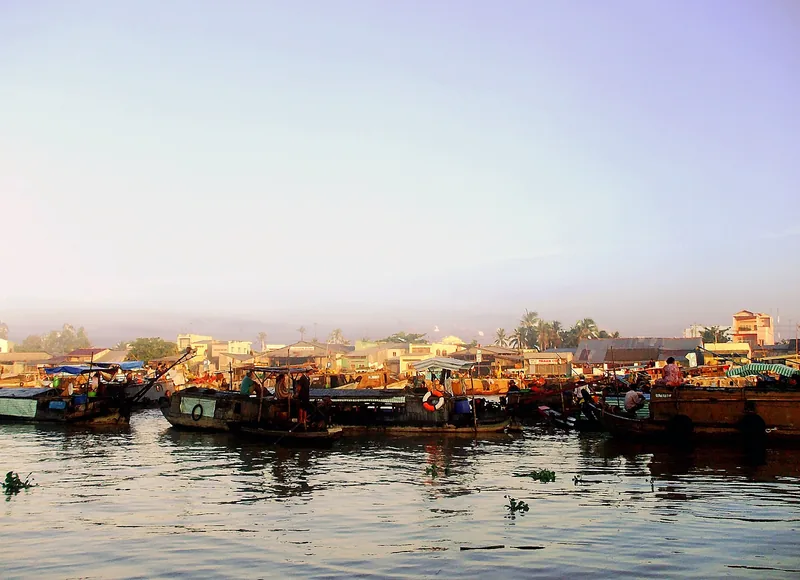
Mekong Delta
Can Tho
The delta base: Cai Rang, canals and a real night market.
View this journey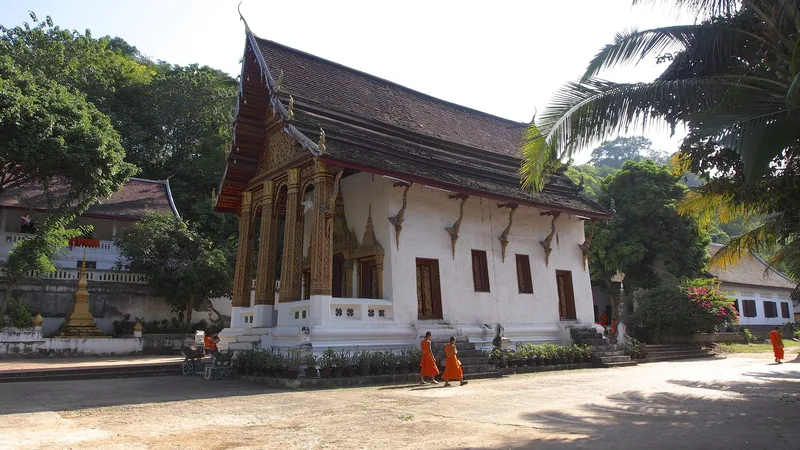
Laos
Luang Prabang
Temples, the river and the slowest town in the region.
View this journey
Tailor-made
Tailor-made
How a private itinerary gets built, step by step.
View this journey
Start planning
Tell us about the trip you have in mind
Dates, party size and the places you care about are enough to start. You get a draft route and an indicative price, not a brochure.
Or talk to us:+84 766 045 399