 Tours out of Ho Chi Minh City and across Vietnam
Themes
Walking the far north, graded honestly
The best walking in Vietnam is in the north, along the valleys and terraces below the Chinese border. We grade it by hours on foot and height climbed, and tell you plainly what a homestay night is like.
Overview
What walking here is like
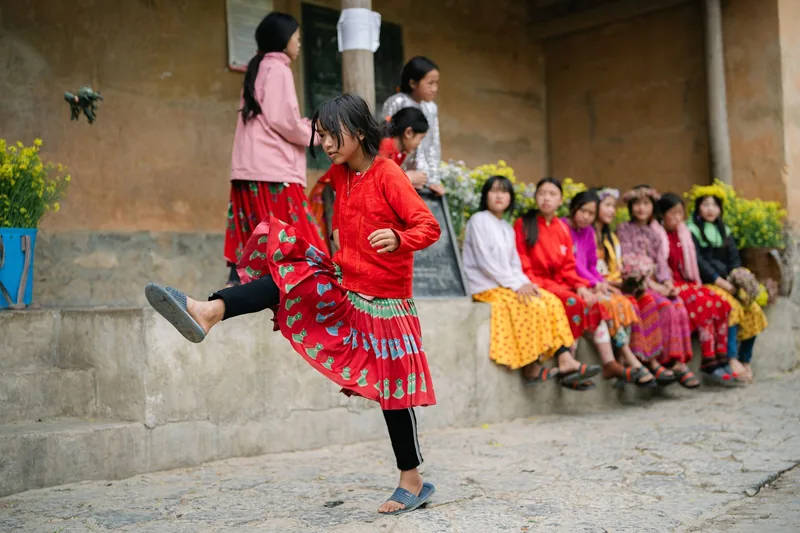
Trekking in Vietnam is village walking more than wilderness. Paths run between hamlets, along the dykes of rice terraces and through bamboo and forest, and you are rarely more than an hour from a house. That is the appeal: you walk through farming country where the Hmong, Dao, Tay and Thai communities live and work, and you sleep in their houses. It is not the Himalaya, and the heights are modest — Fansipan, the highest peak in Indochina, is 3,143 metres, and most treks stay between 800 and 1,800.
The walking can still be hard. Terrace paths are steep, narrow and slippery after rain, the red clay in the Sapa valleys turns to grease, and a day of climbs and descents in humid air is more tiring than the distance suggests. We grade every day by hours on foot and height climbed and put those numbers in the day-by-day.
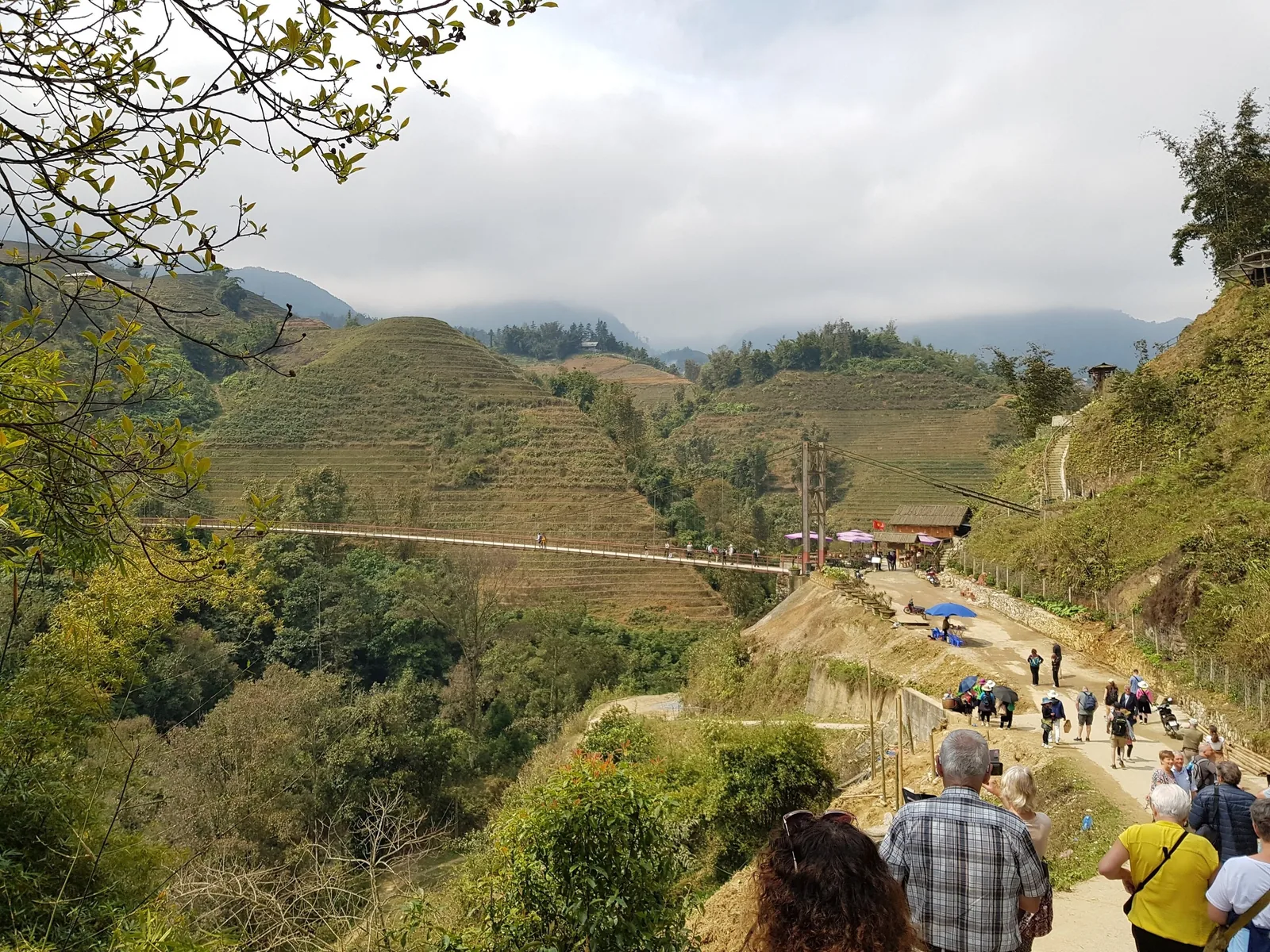
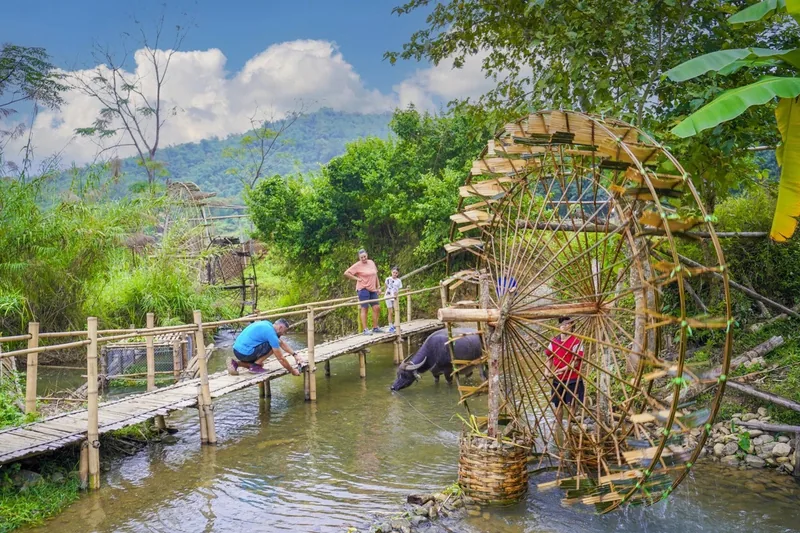
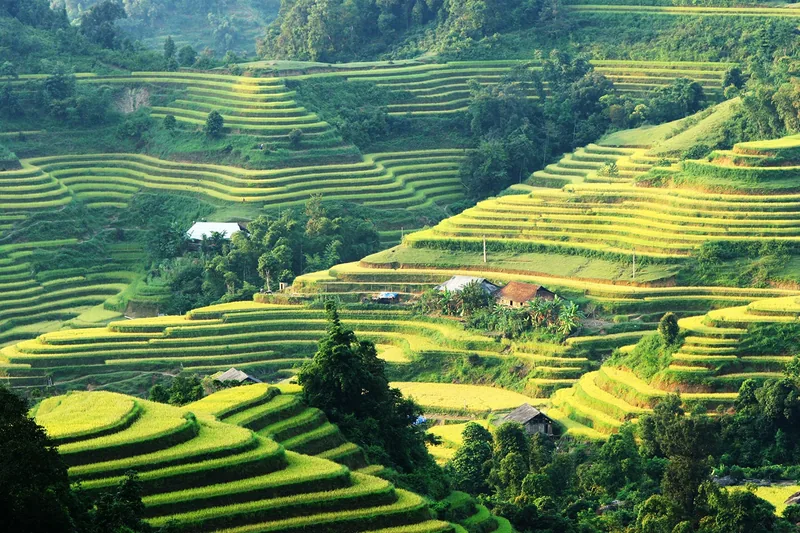
 Pu Luong: terraces, forest and bamboo bridges four hours from Hanoi.
The trips
Trips with walking at the centre
The collection includes short walks in the highlands and caves as well as the homestay routes in the far north. Every tour page lists the hours on foot for each day.
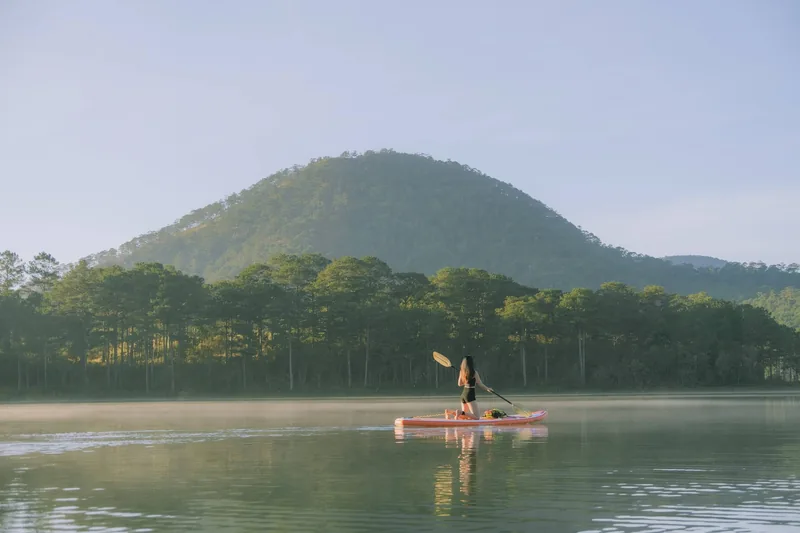
3 days · from USD 345
Da Lat and the highlands
Pine forest, cool nights and coffee farms, a short flight from the heat.
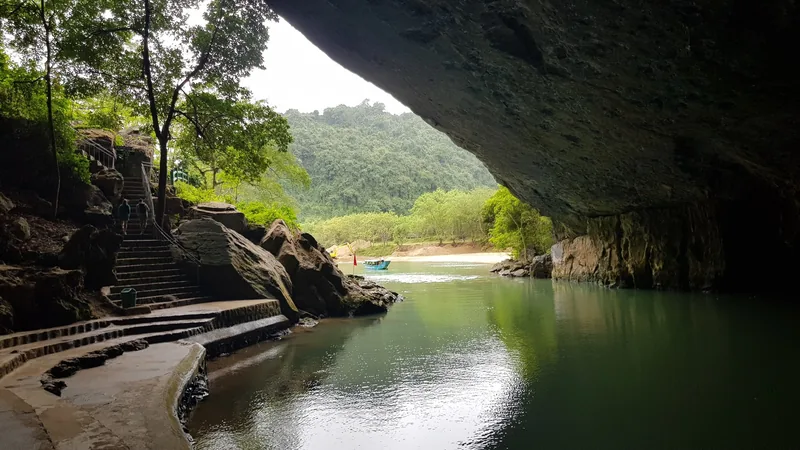
3 days · from USD 465
Phong Nha caves
Two nights in the national park: Paradise cave, the Dark cave, and a jungle day.
3 days · from USD 395
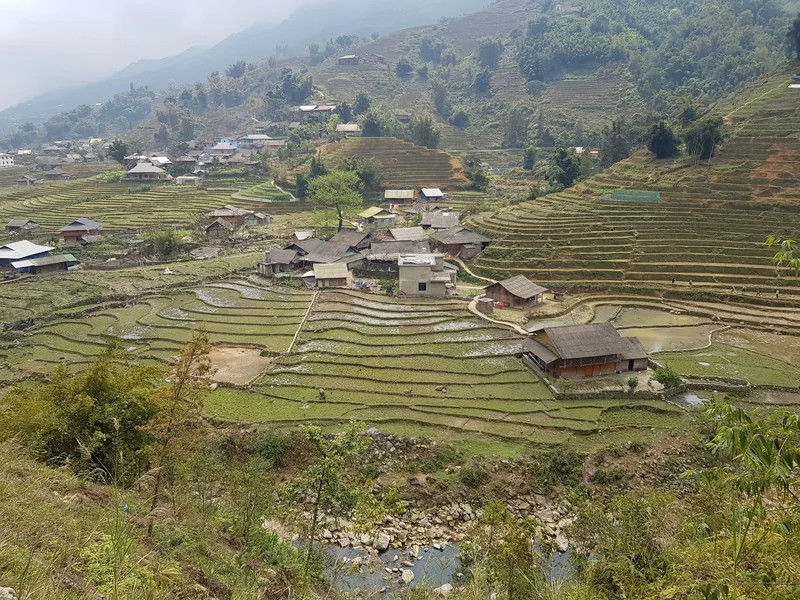
Sapa, walking the valleys
Two days on foot between Hmong and Dao villages, a homestay night.
3 days · from USD 385
Pu Luong nature reserve
Terraces, bamboo bridges and a lodge with no road noise at all.
3 days · from USD 435
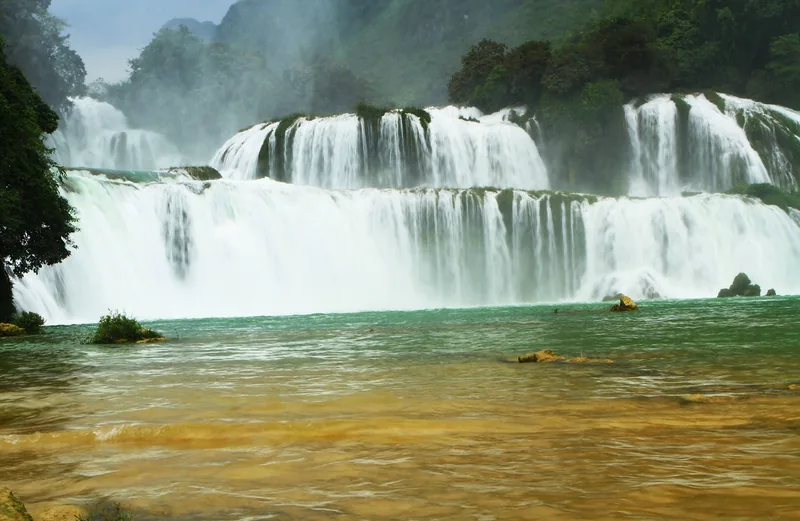
Cao Bang and Ban Gioc falls
The border waterfall, Nguom Ngao cave and the Tay villages around them.
4 days · from USD 525
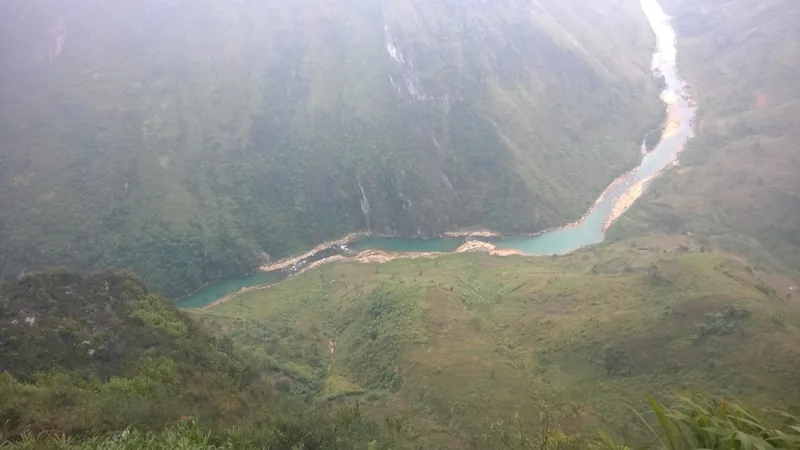
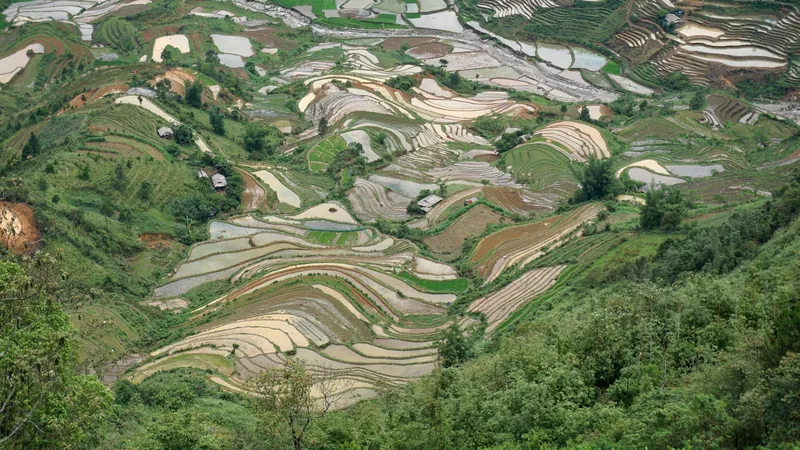
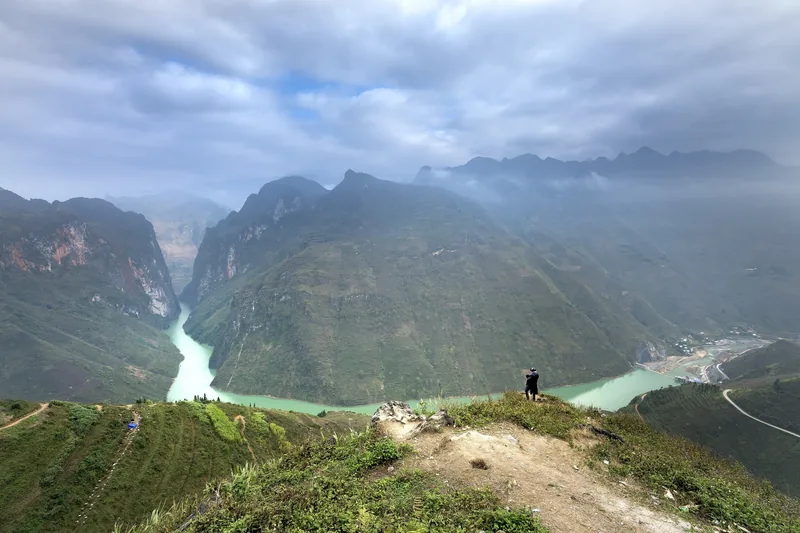
The Ha Giang loop
The whole loop with an easy rider or a car, four days, not three rushed ones.
4 days · from USD 565
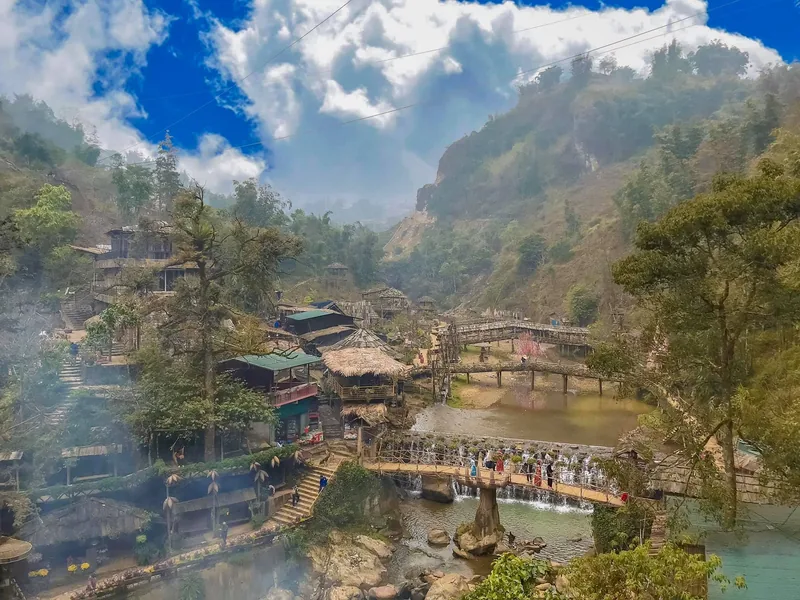
Mu Cang Chai terraces
The terraces at harvest or at flooding time, and the Khau Pha pass.
7 days · from USD 895
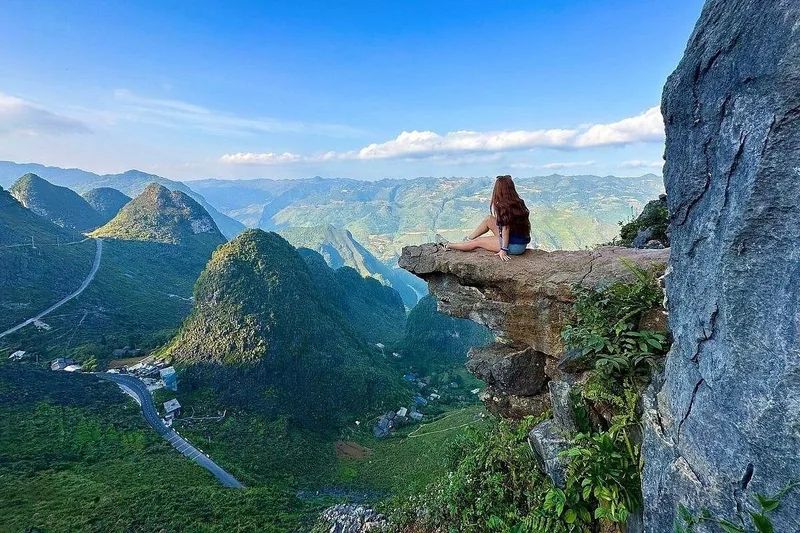
Hanoi, Ninh Binh and Sapa
City, karst and mountains in a week, with the night train as an option.
7 days · from USD 995
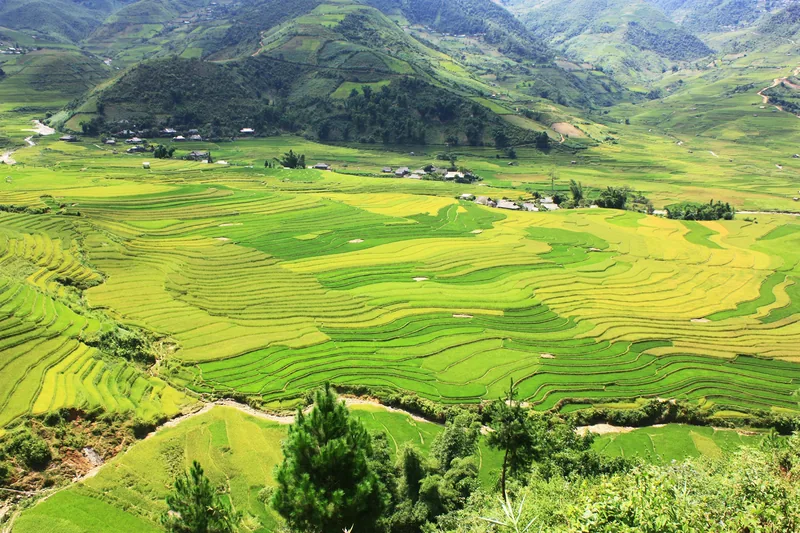
Ha Giang and Cao Bang
The far north end to end: the loop, then east along the border to Ban Gioc.
9 days · from USD 1295
The northwest loop
Mai Chau, Mu Cang Chai and Sapa in one circuit, nine days, no backtracking.
21 days · from USD 2595
Vietnam in depth, 21 days
Three weeks, including Phong Nha and the far north, without cutting the south.
22 days · from USD 2895
From the delta to the mountains
Twenty-two days from Chau Doc to Ha Giang, with the coast in between.
Grades
Grades and what they mean
| Grade | Hours on foot | Ascent per day | Where |
|---|---|---|---|
| Easy | 2 to 4 | Up to 300 m | Mai Chau, Da Lat, lower Sapa valleys |
| Moderate | 4 to 6 | 300 to 700 m | Sapa homestay routes, Pu Luong, Cao Bang |
| Demanding | 6 to 8 | 700 m and more | Ha Giang back country, Fansipan on foot |
An easy grade suits anyone who walks for pleasure at home. Moderate needs regular walking and good knees for the descents, which are harder than the climbs. Demanding days are for experienced hill walkers who are fit and happy in mud. We can shorten almost any route with a car or a motorbike pick-up, and our partners in the north will tell you on the day if the conditions make a route unwise.
Practical
Homestays, seasons and permits
A homestay is a room in a family house, not a guesthouse. Expect a mattress on a raised platform or the floor, a mosquito net, a shared bathroom with hot water that may or may not last, and dinner with the family, usually with rice wine offered and freely declined. Nights are cold in the mountains from November to March, down to near freezing in Sapa and Ha Giang, and blankets are thick. Homestay hosts register foreign guests with the local police each night; your guide handles this with your passport.
The best trekking months are September to November, when the air is clear and the terraces ripen, and March to May, when the planting starts and the days warm up. December to February is cold and often misty but walkable. From June to August the rain is heavy, paths are slippery, leeches appear in forest sections and landslides can close roads; we still walk, but shorter and more carefully.
Several districts along the Chinese border require foreigners to carry a permit or register with the local authorities, particularly in parts of Ha Giang and Cao Bang. The rules change from time to time. Our partners in the north arrange whatever is needed and carry the paperwork; you need only your passport and the visa you entered on.
Trade-offs
What changes, and who should think twice
- Guides: local guides from the communities you walk through, working with our partner in Hanoi, plus a driver for transfers and luggage.
- Hotels: a mix of homestays, simple lodges and a proper hotel either side for a hot shower and a dry night.
- Costs: local guides, entry tickets for the walking areas and the extra car for luggage. Walking itself is cheap.
- What we drop: long day trips by road on either side of a trek. Your legs will thank us.
Trekking is not for people who dislike basic accommodation, find shared bathrooms hard or want to control what they eat each night. It is not the right trip for anyone with knee problems on steep descents, and in the wet months it is poor value for anyone who mainly wants the views. If you want mountain landscapes without walking, a car trip on the Ha Giang loop gives you most of them.
Checklist
Checklist for the mountains
- Walking shoes with a real grip, worn in before you arrive.
- Walking poles for the descents, which we can lend.
- Layers: warm fleece and a waterproof from October to April.
- A small towel, a head torch and ear plugs for homestay nights.
- Insurance that covers trekking at the altitude you will reach.
Common questions
Questions travellers ask most
How fit do I need to be for Sapa?
For the moderate homestay route, able to walk five hours with climbs and descents on uneven ground. If you walk most weekends at home, you will be fine.
Can our luggage be carried?
Main bags go by car to the next hotel. On homestay nights you carry a small daypack with what you need for one night.
Can we climb Fansipan?
Yes, as a two-day trek with a night on the mountain, for fit walkers. There is also a cable car, which is a very different experience.
Related
Read next
Northern Vietnam
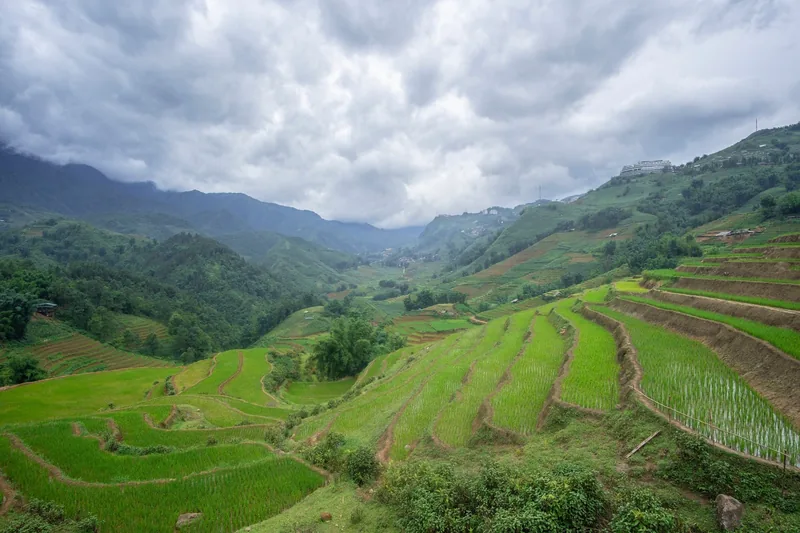
Sapa
Terraced valleys, homestays and honest advice about the town.
View this journey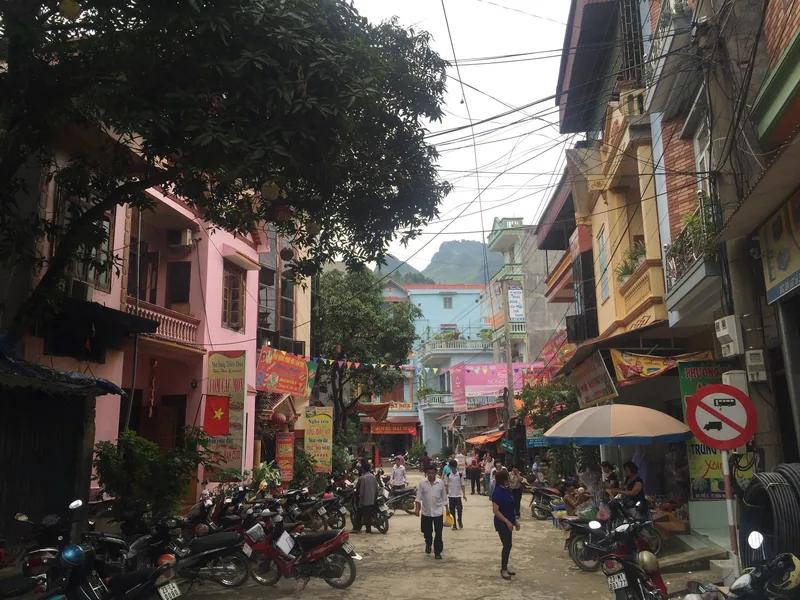
Northern Vietnam
Ha Giang
The loop: routes, timing, and car versus motorbike.
View this journey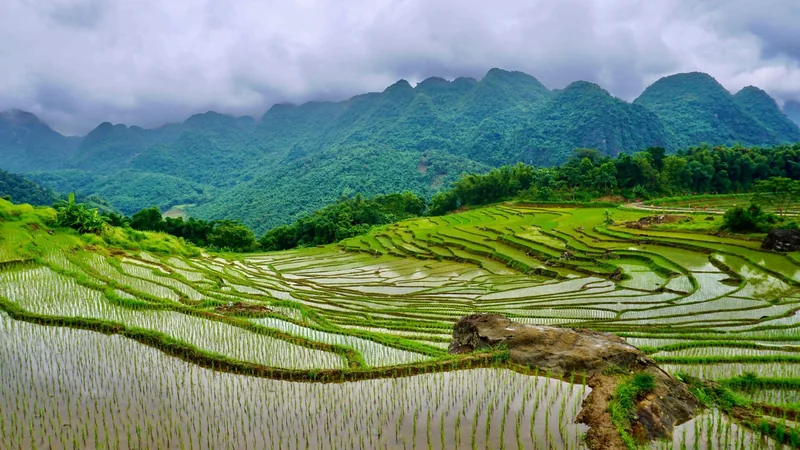
Northern Vietnam
Pu Luong
Terraces, water wheels and easy walking near Hanoi.
View this journey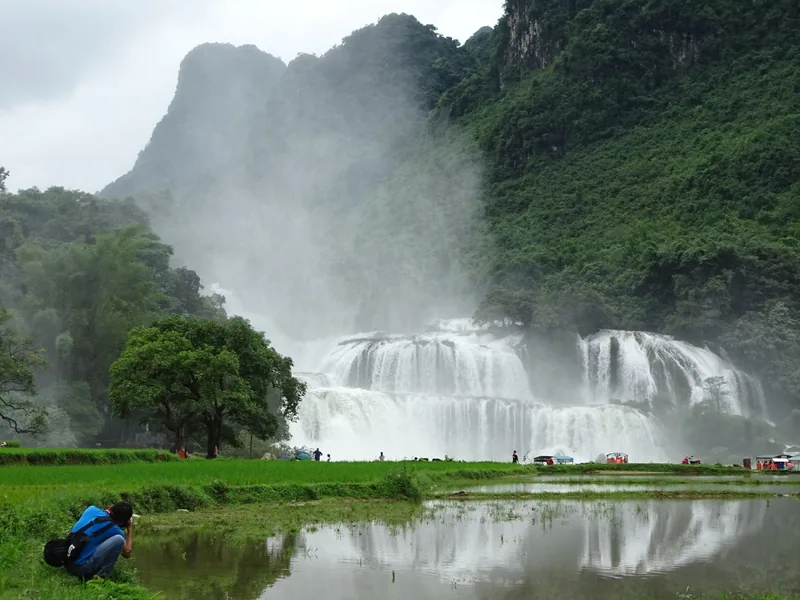
Northern Vietnam
Cao Bang
Ban Gioc, Nguom Ngao and the empty north-east.
View this journey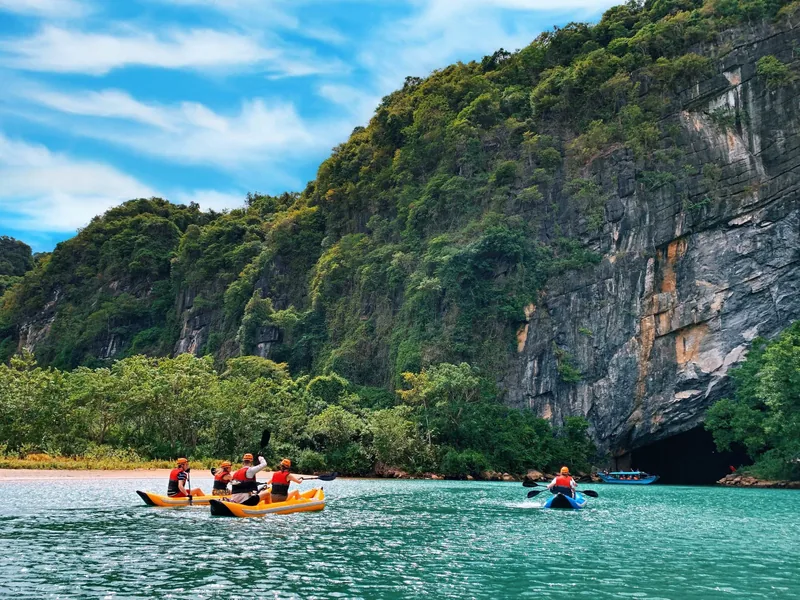
Central Vietnam
Phong Nha
Caves, permits and the honest comparison between them.
View this journey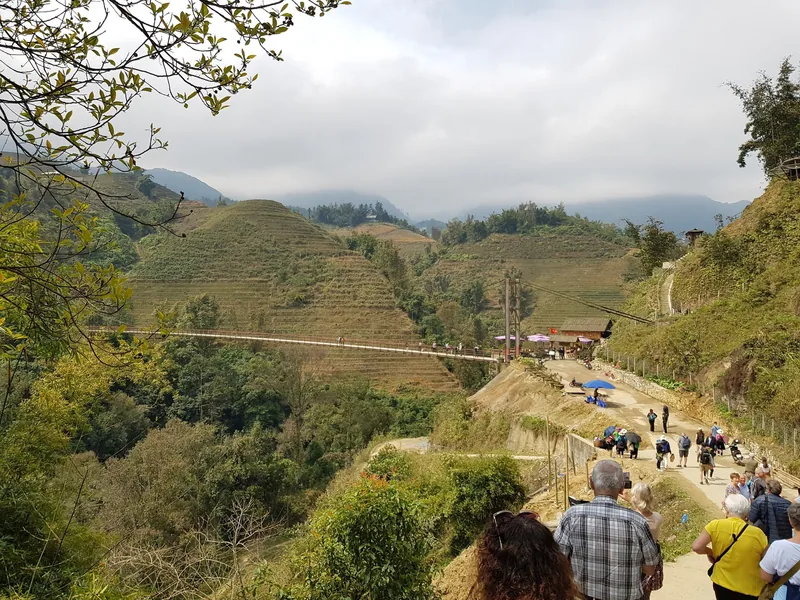
Start planning
Tell us about the trip you have in mind
Dates, party size and the places you care about are enough to start. You get a draft route and an indicative price, not a brochure.
Or talk to us:+84 766 045 399